This site is supported by our readers. We may earn a commission, at no cost to you, if you purchase through links. This content is for general informational and educational purposes only and is not a substitute for professional medical, dermatological, or nutritional advice.
The average shaving cream contains between 20 and 30 ingredients. Most people recognize two or three of them.
Sodium lauryl sulfate, parabens, and synthetic fragrances appear in nearly every drugstore formula, and each one carries documented risks to your skin barrier and hormonal health. The EU has restricted or banned dozens of cosmetic ingredients that still sit unchecked on American shelves.
Shaving creates micro-abrasions that accelerate absorption, making ingredient quality matter far more than most people realize. The shaving cream ingredients to avoid aren’t buried in fine print by accident. Recognizing them puts you back in control of what goes on your skin.
Table Of Contents
- Key Takeaways
- Shaving Cream Ingredients to Avoid: 12 Common Red Flags
- How Problematic Shaving Cream Ingredients Affect Skin and Health
- How to Spot Hidden Fragrances, Preservatives, and Contaminants on Labels
- How to Choose a Safer Shaving Cream
- Natural Shaving Cream Alternatives for Sensitive Skin
- Frequently Asked Questions (FAQs)
- Are there harmful chemicals in shaving cream?
- What is the safest shaving cream to use?
- What is the best thing to use instead of shaving cream?
- What chemicals are in shaving cream?
- How do I read shaving cream ingredient labels?
- Can shaving cream ingredients cause hair loss?
- Are expensive shaving creams actually safer products?
- What certifications indicate truly clean shaving cream?
- Do mens and womens shaving creams differ chemically?
- Are shaving cream ingredients regulated by the FDA?
- Conclusion
Key Takeaways
- Shaving creates micro-abrasions that compromise your skin barrier, allowing harmful ingredients like SLS, parabens, and synthetic fragrances to penetrate far deeper than they would on intact skin.
- The term "fragrance" or "parfum" on a label can legally conceal dozens of undisclosed chemicals, making ingredient literacy your most practical defense against hidden irritants.
- Price and "natural" or "plant-based" marketing claims don’t guarantee safety — only third-party certifications like EWG Verified, COSMOS, or USDA Organic confirm that a formula has been independently vetted.
- The safest shaving alternatives keep the ingredient list short and transparent, prioritizing fragrance-free humectants like glycerin or aloe vera and skipping hormone-disrupting preservatives entirely.
Shaving Cream Ingredients to Avoid: 12 Common Red Flags
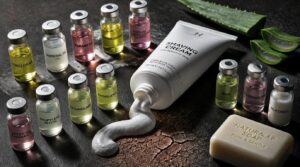
The ingredients list on your shaving cream can be deeply deceiving. Twelve common chemicals show up in mainstream formulas, and most people don’t stop to question them.
Understanding what’s actually in your formula—and why essential oil shaving creams offer a cleaner alternative—starts with knowing which ingredients to question.
Sodium Lauryl Sulfate strips your skin’s natural oils while producing the lather you associate with a clean shave. Parabens preserve shelf life but mimic estrogen in the body. Synthetic fragrances hide dozens of unlisted chemicals under a single label term. Triethanolamine adjusts pH but is linked to skin sensitization and possible contaminant formation. Mineral oil creates temporary slip but occludes pores and does little to strengthen your barrier long-term.
Beyond these five, also watch for alcohol denat., propylene glycol, artificial dyes (CI numbers), menthol, and multiple surfactants stacked into one formula.
How Problematic Shaving Cream Ingredients Affect Skin and Health

Shaving opens micro-cuts across your skin, and that changes everything. Those twelve red-flag chemicals don’t just sit on the surface. They penetrate a compromised barrier.
Shaving creates micro-cuts that turn every red-flag chemical into a direct path through your skin’s barrier
Sulfates SLS and SLES strip your stratum corneum lipids, triggering transepidermal water loss and inflammation. Parabens absorb through breached skin, where their endocrine disruption potential raises real concern. Synthetic fragrances on freshly shaved, wet skin deliver volatile compounds to living tissue, producing burning and sensitization.
Here’s what that damage looks like:
- Redness that worsens with each shave
- Dry, tight patches that don’t heal between sessions
- Stinging that starts immediately on contact
- Delayed rashes appearing days later
Repeated exposure escalates the problem. Skin irritation becomes sensitization, and that can mean a lasting allergy.
Once sensitized, even minor re-exposure can trigger a reaction, as explained in this guide to female shaving irritation causes and prevention.
How to Spot Hidden Fragrances, Preservatives, and Contaminants on Labels
Knowing what’s harming your skin is only half the problem. Reading the label accurately is the other half.
"Fragrance" and "parfum" are single entries that can conceal dozens of chemicals. Preservatives may appear only as "preservative" with no name attached. That’s not ingredient transparency; it’s a gap you need to catch before it costs you.
Look for these red flags during label scrutiny:
- Generic catch-alls like "aroma" or "plant extract" instead of named compounds
- Functional-only preservative entries rather than specific named preservatives
- "Essential oil" listed as a category, not individual aroma chemicals
- No lot or batch code, which removes any trace route for contaminants
The earlier an ingredient appears, the higher its concentration. Order isn’t incidental; it’s a tool.
Recognizing these INCI botanical naming patterns in aftershave lotions helps you instantly gauge whether plant-derived actives like aloe or jojoba are doing real work or just appearing for label appeal.
How to Choose a Safer Shaving Cream
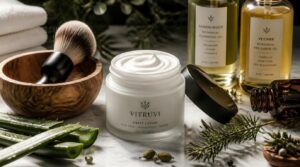
Choosing a safer shaving cream is simpler when you know exactly what to look for. Most label claims don’t tell the full story. The two criteria below cut through the marketing and give you a clear, practical standard for every formula you consider.
Sensitive-Skin Formula Criteria
Your formula needs to earn trust before it ever touches compromised skin. Look for fragrance-free labeling and humectants like glycerin or panthenol.
Avoid alcohol denat., which actively worsens skin barrier disruption. Truly hypoallergenic sensitive skin care also skips high-sensitization preservatives and undisclosed "parfum."
These aren’t just marketing choices. They’re the real criteria separating protective formulas from ones risking endocrine disruption.
Trusted Safety Certifications
Because not every label carries real weight, recognized certifications and tools are your filter:
- EWG Verified
- Leaping Bunny
- USDA Organic
- COSMOS
- Think Dirty
Each involves documented ingredient review or third-party auditing, not just a brand’s claim. You can’t verify what you can’t trace. If a logo has no identifiable certifier behind it, treat it as marketing, not protection.
Natural Shaving Cream Alternatives for Sensitive Skin
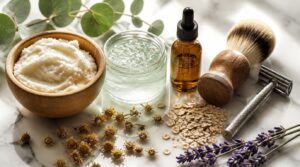
Now that you know what to avoid, what you put in its place matters just as much. Safe, skin-respecting alternatives exist in several forms, and they’re more accessible than you’d think. The options ahead give you a practical place to start.
Plant-Based Shaving Products
The "plant-based" label can mislead you. Vegan shaving products and hypoallergenic shaving creams often contain essential oils that act as contact sensitizers on reactive skin.
Natural emollients and plant-based oils offer genuine benefits, but batch variability in botanical extracts makes your skin’s reactions unpredictable across purchases. You’ll want to choose a certified, fragrance-free formula with a short, verifiable ingredient list.
Shaving Oils and Aloe
Shaving oils and aloe vera attract sensitive-skin shoppers, but they’re not automatically safe. Plant-based oils like jojoba oil and coconut oil form a protective glide layer, yet heavy or poorly emulsified shaving oils can trap debris and clog pores.
Aloe vera soothes, but added fragrances and preservatives are the real irritants. Check the ingredient list, not just the front label.
For a truly clean base, a fragrance-free pure aloe vera gel delivers that soothing benefit without the hidden irritants lurking in scented formulas.
Simple DIY Formulas
Making your own DIY shaving cream sounds satisfying, but the risks are real. Water-containing mixes need clean vessels and a short shelf life to prevent microbial growth.
Your safest base: melt shea butter with coconut oil or jojoba oil, then mix in pure aloe vera. Skip fragrance entirely. No preservatives means no shelf life, so make small batches and refrigerate.
Frequently Asked Questions (FAQs)
Are there harmful chemicals in shaving cream?
Yes, and the full list is far more alarming than most people realize. Synthetic fragrances, SLS, parabens, petroleum-derived PEGs, and nitrosamine-forming compounds routinely hide in mainstream formulas, quietly irritating your skin or disrupting your hormones.
What is the safest shaving cream to use?
The safest formula you’ll find is short, transparent, and completely free of SLS, parabens, and fragrance. Look for aloe vera or coconut oil as primary ingredients, and always verify those claims against the ingredient list.
Be aware that PFAS and forever chemicals found in some shaving creams have been linked to cancer and thyroid problems.
What is the best thing to use instead of shaving cream?
Your skin is a sponge. Natural plant-based oils like coconut oil, jojoba, or aloe vera gel glide effortlessly, protecting your sensitive skin without the synthetic chemicals or irritating additives commonly found in conventional shaving formulas.
What chemicals are in shaving cream?
Most shaving creams combine water, glycerin, surfactants like SLS and SLES, emollients, preservatives such as parabens, and artificial fragrances that can conceal phthalates and synthetic musks. Ingredient regulation remains limited, so full transparency isn’t guaranteed.
How do I read shaving cream ingredient labels?
Labels are a map. Ingredients list in descending order by concentration, so the first items always dominate the formula. Spotting allergens early gives you real control, helps ingredient transparency, and reduces your contact dermatitis risk.
Can shaving cream ingredients cause hair loss?
Yes, certain ingredients can trigger scalp inflammation, pushing follicles into excessive shedding.
Hormone-disrupting compounds absorbed through skin, like TEA and sulfates, may indirectly compromise follicle health, though direct links to significant hair loss remain limited.
Are expensive shaving creams actually safer products?
Price doesn’t protect you. Expensive shaving creams can contain the same fragrance allergens and harsh preservatives as budget options. Ingredient transparency and independent testing matter far more than cost. Read the label, not the marketing.
What certifications indicate truly clean shaving cream?
Certifications worth trusting include USDA Organic, COSMOS, and EWG Verified. Each one demands real third-party ingredient audits, not just self-reported clean beauty claims. They confirm transparency and block known hazards before a product reaches you.
Do mens and womens shaving creams differ chemically?
Don’t assume the pink bottle protects your skin differently. Men’s and women’s shaving creams share nearly identical base formulas. Fragrance blends and dyes are the real differences, not chemistry. Your sensitive skin is what matters.
Are shaving cream ingredients regulated by the FDA?
The FDA oversees cosmetic labeling and safety, but there’s no premarket ingredient approval. Manufacturers self-certify safety before your shaving cream ever reaches the shelf.
Conclusion
The devil is in the details, and nowhere is that truer than your medicine cabinet.
Learning the shaving cream ingredients to avoid isn’t about fear. It’s about literacy.
Your skin absorbs everything you put on it, especially when micro-abrasions leave it open and receptive.
Read every label actively.
Choose products that genuinely treat your skin barrier as something worth protecting.
That small shift is one of the most practical acts of self-care you can make.