
This site is supported by our readers. We may earn a commission, at no cost to you, if you purchase through links.

Most people abandon their skincare routine within three weeks—not because products don’t work, but because they’ve layered on too many. When you’re staring at ten bottles promising miracles, paralysis sets in.
The truth is, healthy skin doesn’t need complexity. As a dermatologist, I’ve seen patients reverse years of irritation by stripping their routine down to three essential steps. Simple skin care for beginners works because it removes the guesswork and focuses on what your skin actually needs: gentle cleansing, consistent hydration, and protection from UV damage.
Once you understand your skin type and master these fundamentals, you’ll build a sustainable routine that delivers visible results without overwhelming your bathroom counter or your schedule.
Table Of Contents
Key Takeaways
- Most people quit skincare within three weeks from product overload, but a three-step routine (gentle cleansing, consistent hydration, UV protection) delivers visible results without overwhelming beginners or compromising the skin barrier.
- Identifying your skin type through the bare face test determines which products will actually help—oily skin needs lightweight gels, dry skin requires rich emollients, and mismatched formulations trigger breakouts and irritation you can prevent.
- Daily sunscreen cuts melanoma risk in half and reduces visible aging by 24% over four years, yet most people apply less than half the recommended amount, making consistent sun protection the most powerful anti-aging step you can take.
- Consistency transforms skin faster than expensive products—people using basic cleanser and moisturizer twice daily see 80% less dryness within two weeks, while adding actives like niacinamide or salicylic acid only works when introduced gradually after mastering the fundamentals.
Why Every Beginner Needs a Simple Skincare Routine
You don’t need a dozen products to see real results—your skin actually thrives when you keep things straightforward. Starting simple protects your skin’s natural barrier while you learn what it reacts to best.
Let’s walk through why less is more when you’re just beginning, how sticking with a routine creates visible change, and which early missteps you’ll want to sidestep.
Benefits of Starting With Simplicity
Starting simple protects your skin barrier while you learn what works. When you’re new to skincare, building a skincare routine with gentle products and product minimalism prevents overwhelm and irritation.
- Fewer products mean fewer chances of allergic reactions — surveys show over 40% of adults experience adverse reactions when layering multiple items daily
- Simple routines improve routine consistency — beginners stick with three-step plans far more reliably than complex regimens
- Your skin barrier stays healthier — minimal, well-chosen products maintain natural defenses without stripping oils
- You’ll actually save money — focused spending on essentials beats buying dozens of underused bottles
Embracing a skin care minimalism approach can lead to improved skin health and reduced irritation.
How Consistency Transforms Your Skin
Keeping up with your skincare routine daily delivers real skin transformation—not overnight magic. Consistent daily habits mean you’ll see routine benefits like better hydration within weeks. Research shows people using cleanser and moisturizer twice daily reported 80% less dryness after just two weeks, while daily sunscreen reduced aging signs by 24% over four years. Using daily sun protection methods can have a significant impact on long-term skin health.
| Timeframe | What You’ll Notice |
|---|---|
| 2 weeks | Less dryness, softer texture |
| 4–8 weeks | Clearer skin, fewer breakouts |
| 4+ years | Reduced wrinkles, protected barrier |
That’s why consistency matters more than fancy products for long-term effects.
Common Mistakes Beginners Should Avoid
Even with the best intentions, beginners trip over predictable pitfalls. Overexfoliation strips your protective barrier—dermatologists see redness and flaking when people scrub daily instead of one to three times weekly. Harsh products with high pH disrupt your skin’s natural balance, while inadequate sunscreen leaves you vulnerable despite perfect cleansing.
Fragrance sensitivity causes hidden irritation, and product overload from 10-step routines overwhelms skin that just needs simplicity.
How to Identify Your Skin Type at Home
Before you can build a routine that actually works, you need to know what you’re working with. Your skin type determines which products will help and which ones might cause more harm than good.
Here’s how to figure out your skin type at home and why it matters for choosing the right cleanser, moisturizer, and treatments.
The Bare Face Test Explained

The bare face method is the simplest form of skin type identification you can do at home. Here’s how it works:
- Cleanse gently – Wash your face with a mild, non-stripping cleanser and pat dry.
- Wait 30–60 minutes – Leave your skin completely bare, avoiding all products.
- Observe carefully – Check for shine, tightness, or flaking across your T-zone and cheeks.
This facial analysis reveals your natural sebum measurement patterns.
Key Characteristics of Oily, Dry, Combination, Sensitive, and Normal Skin

Once you’ve completed the bare face test, here’s what to look for. Each skin type leaves distinct clues:
| Skin Type | What You’ll Notice |
|---|---|
| Oily Skin | Shine appears across your face by midday, with enlarged pores, especially in the T-zone. Sebum regulation runs high, creating a slippery feel and increasing acne risk. |
| Dry Skin | Tightness sets in quickly after cleansing. Your skin texture feels rough or flaky, with chronically low moisture levels, and visible fine lines become more prominent. |
| Combination Skin | Your T-zone gets shiny while cheeks stay normal or dry. This mixed pattern means you’ll need targeted oil control centrally and hydration laterally. |
| Sensitive Skin | Stinging or burning sensations arise from products or weather changes, often without visible redness. Your barrier reacts easily, demanding fragrance-free formulations. |
| Normal Skin | Balanced moisture levels and minimal shine create an even complexion. Small pores and steady comfort throughout the day signal this fortunate baseline. |
Understanding these characteristics guides your product choices effectively.
Why Skin Type Matters for Product Selection

Product matching shields your skin barrier from unnecessary harm. When formulations align with your dermatological needs, you avoid the cycle of irritation that derails beginners’ skincare routines. Understanding skin types enables tailored care:
- Oily skin needs lightweight gels, not heavy creams that clog pores
- Dry skin requires rich emollients, avoiding harsh foaming cleansers
- Sensitive reactions decrease with fragrance-free, minimal-ingredient products
- Combination zones demand targeted treatments rather than one-size-fits-all approaches
- Normal skin maintains balance with gentle, consistent formulations
Mismatched products trigger breakouts, tightness, or redness—setbacks you can prevent.
Building an Easy Skincare Routine Step-by-Step
Now that you know your skin type, it’s time to build a routine that actually works. A beginner-friendly skincare routine doesn’t need to be complicated—just three core steps will set a solid foundation for healthier skin.
Here’s how to structure your morning and evening routines with the essentials, plus optional add-ons when you’re ready to level up.
Step 1: Gentle Cleansing for All Skin Types
Your cleanser selection sets the foundation for your entire skincare routine. Choose a gentle cleanser that respects your skin’s pH balance—ideally around 4.5 to 5.5—to avoid stripping natural oils.
Whether you have oily, dry, or combination skin, opt for sulfate-free formulas with mild surfactants that cleanse without disrupting your skin’s protective barrier, making skin care for beginners more effective and comfortable.
Step 2: Moisturizing for Hydration and Barrier Support
Think of your moisturizer as your skin’s shield—it locks in hydration and repairs the protective barrier that keeps irritants out. Look for formulas with ceramides, which clinical studies show can boost hydration by roughly 30% and reduce water loss by about 20% within weeks.
Apply while your skin’s still slightly damp to optimize absorption and maintain that essential pH balance around 5.5.
Step 3: Daily Sunscreen for UV Protection
Sunscreen application isn’t negotiable—it’s your most powerful defense against UV damage and skin cancer. Choose a broad-spectrum SPF 30 or higher, and apply it generously every morning, even indoors.
Studies show daily users cut melanoma risk by about 50%, yet most people apply less than half the recommended amount. Make sun protection a non-negotiable daily habit to safeguard your skin long-term.
Daily sunscreen cuts melanoma risk in half, yet most people apply far too little to protect their skin
Optional Step: Exfoliation and Serums for Beginners
Once you’ve mastered the basics, gentle exfoliation and targeted serums can address specific concerns without overwhelming your skin barrier. Here’s how to introduce them safely:
- Start slow: Exfoliate just once weekly for a month, then gradually increase to two or three times if your skin tolerates it well
- Choose gentle exfoliant types: Begin with 2% salicylic acid or 5–10% glycolic acid formulations
- Layer serums correctly: Apply niacinamide (around 5%) or vitamin C (5–10%) after cleansing, before moisturizer
- Introduce one at a time: Wait two weeks between adding new actives to monitor your skin’s response
Product layering matters—thinnest to thickest ensures maximum serum benefits and proper skin barrier support.
Morning Vs. Night Routine Essentials
Your morning skincare routine should focus on UV protection and hydration, while your nighttime repair routine emphasizes deep cleansing and rejuvenation. Here’s the breakdown:
| Morning Routine | Night Routine |
|---|---|
| Gentle cleanser removes overnight oils | Double cleanse strips away sunscreen and makeup |
| Lightweight moisturizer hydrates without grease | Richer cream nourishes barrier repair during sleep |
| Antioxidant serum defends against daily damage | Retinoid or peptide serum targets texture and fine lines |
| Broad-spectrum SPF 30+ shields from UV exposure | Skip sun protection—skin regenerates best overnight |
This division maximizes your skin’s natural repair cycle.
Top 5 Beginner-Friendly Skincare Products
Now that you understand the basic steps, the next question is usually: which products should I actually buy? Choosing the right formulas from the start can help you avoid irritation and see results faster.
Here are five dermatologist-recommended products that work well for most beginners.
1. Gentle Salicylic Acid Face Cleanser
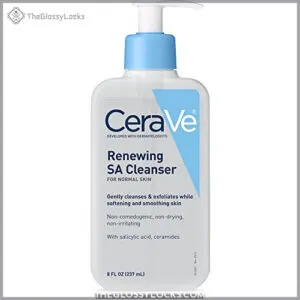
You’ll benefit from a gentle cleanser that works beneath the surface without harsh scrubbing. Salicylic acid at 0.5% to 2% offers effective skin purification for beginners—it dissolves the debris clogging your pores while calming inflammation.
If you have oily or acne-prone skin, use it once or twice daily in your morning routine. For dry or sensitive skin types, start with three times weekly to avoid irritation.
This acid concentration delivers gentle exfoliation that refines texture and prevents breakouts when paired with moisturizer and sunscreen.
Best For: People with oily or acne-prone skin who want a daily cleanser that unclogs pores and reduces breakouts without stripping the skin.
- Salicylic acid penetrates deep into pores to dissolve oil and debris, preventing blackheads and breakouts before they form.
- Gentle enough for daily use with added hyaluronic acid and ceramides that keep skin hydrated and protect the moisture barrier.
- Works for multiple concerns—reduces inflammation, smooths rough texture, and helps fade post-acne marks over time.
- Can cause dryness or peeling if you overuse it, especially on sensitive or dry skin types.
- Takes a few weeks of consistent use to see real results with stubborn acne or congestion.
- The pump dispenser can be awkward to use when the bottle gets low.
2. Hydrating Face Moisturizer Cream
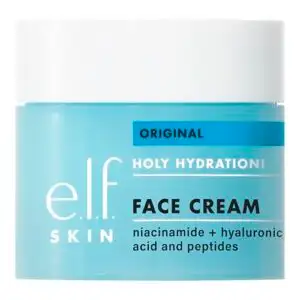
After cleansing, your skin needs replenishment—that’s where a hydrating face moisturizer cream becomes non-negotiable. Look for formulas containing hyaluronic acid, which increases hydration by up to 134% immediately and maintains a 55% boost after six weeks of consistent use.
Ceramides strengthen your skin barrier while reducing moisture loss, making them especially valuable for dry or sensitive types.
Apply while your face is still slightly damp to lock in hydration and create a smooth canvas. This step prevents tightness, flaking, and premature aging when used daily.
Best For: Anyone looking for lightweight daily hydration that works across skin types—especially if you want to smooth texture, minimize pores, and create a solid base under makeup without feeling greasy.
- Triple-action formula with hyaluronic acid, niacinamide, and squalane tackles hydration, pore appearance, and skin elasticity all at once
- Vegan, cruelty-free, and under $11—you get clinical-grade ingredients without the luxury price tag
- Works morning and night on normal, dry, combo, or oily skin, so you don’t need multiple moisturizers cluttering your shelf
- The 1.8-ounce size runs out faster than you’d expect for the price, especially if you’re using it twice daily
- Some users report breakouts or irritation, so patch-test first if your skin is reactive or acne-prone
- May not pack enough punch for severe dryness or compromised skin barriers—you might need something richer in those cases
3. Niacinamide Face Serum For Brightening
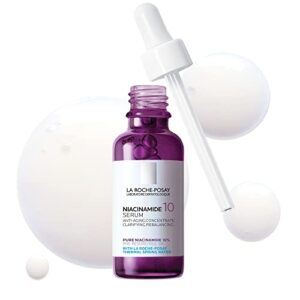
Once you’ve hydrated, you’re ready for targeted treatment—and niacinamide face serums deliver real brightening benefits without irritation. This powerhouse ingredient reduces hyperpigmentation by 35% to 44% after consistent use, blocking pigment transfer between skin cells to even out tone.
It also controls sebum and refines pore appearance, making it ideal for oily or combination types. Start with 5% niacinamide formulas for gentle effectiveness, applying after cleansing and before moisturizer.
You’ll see brighter, clearer skin within weeks—no harsh chemicals needed.
Best For: Anyone dealing with dark spots, uneven tone, or post-acne marks who wants visible brightening without the harshness of hydroquinone—especially great if you have oily skin or enlarged pores.
- Proven results: clinical studies show 35-44% reduction in pigmentation after consistent use, with improvements visible in as little as 4 weeks
- Multi-tasking formula controls oil production and minimizes pore appearance while evening out skin tone
- Safe for long-term use with minimal irritation risk, even for sensitive skin types when starting at lower concentrations
- Takes consistent twice-daily application over weeks to see full results—not an overnight fix
- Higher concentrations (10%) can cause temporary redness or burning in sensitive skin
- Some products have quality control issues with packaging (dropper problems, residue buildup)
4. Paula’s Choice Hydrating Face Cleanser
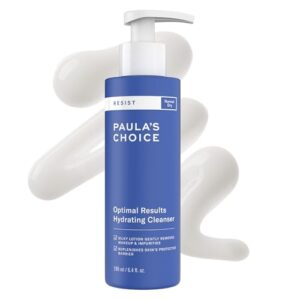
If you’re prone to tightness after washing, Paula’s Choice Defense Hydrating Gel-to-Cream Cleanser offers a smarter solution. This Gel Cleanser transforms into a creamy lather, removing makeup and sebum without stripping your Skin Barrier—thanks to amino acids and fatty components that support barrier function.
Suitable for all Skin Type categories, it maintains an acidic pH close to your skin’s natural range, promoting Facial Hydration and Daily Moisturizing benefits.
Use it twice in your Daily Routine as your Gentle Cleanser, then follow with Moisturizer for a simple, effective Skincare Routine that respects sensitivity.
Best For: People with dry or sensitive skin who experience tightness after cleansing and want a hydrating face wash that removes makeup without disrupting their skin barrier.
- Gel-to-cream formula cleanses effectively while maintaining skin’s natural moisture balance, leaving skin soft rather than tight or stripped
- Contains amino acids, fatty components, and antioxidants that support barrier function and provide soothing benefits during cleansing
- Fragrance-free and formulated with mild surfactants, making it gentle enough for twice-daily use on sensitive or reactive skin
- Some users report the pump mechanism breaks or malfunctions, causing product waste and inconvenience
- May not fully remove heavy makeup on its own and works better as the first step in a double-cleanse routine
- Price point is higher than drugstore alternatives, which some customers find difficult to justify for a basic cleanser
5. CeraVe Foaming Facial Cleanser For Oily Skin
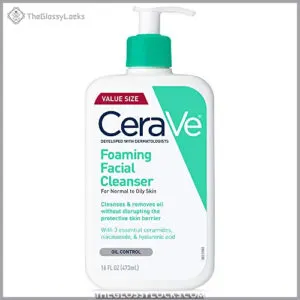
If your T-zone shines by midday, CeraVe Foaming Facial Cleanser targets excess sebum without compromising your Skin Barrier. Its Foaming Action lifts surface impurities, while three ceramides and niacinamide support barrier integrity—a smart match for Oily Skin that needs Oil Control without rebound greasiness.
Non-comedogenic and fragrance-free, this Gentle Cleanser suits daily Facial Cleansing in any beginner Skincare Routine. Use it morning and night, then follow with Moisturizer customized to your Skin Type.
The CeraVe Benefits? Effective cleansing that respects your skin’s natural defenses.
Best For: People with normal to oily skin who want a daily cleanser that removes excess oil and makeup without leaving their face feeling tight or stripped.
- Foaming gel formula cuts through oil and dirt effectively while ceramides and niacinamide protect your skin barrier from drying out
- Non-comedogenic and fragrance-free design means less risk of clogged pores or irritation, even if you’re acne-prone or sensitive
- Affordable and versatile enough to use as a face wash, body wash, or hand soap twice a day
- Some users notice a slight residue after rinsing, which might bother you if you prefer a squeaky-clean feel
- The gentle formula may not cut it if you have extremely oily skin or wear heavy makeup that needs a stronger cleanser
- Not ideal for very dry or ultra-sensitive skin types—it’s specifically designed for normal to oily complexions
Frequently Asked Questions (FAQs)
Can I skip moisturizer if I have oily skin?
No—skipping moisturizer can backfire. Oily skin still loses water through the barrier, triggering even more oil production. A lightweight, oil-free moisturizer aids skin barrier repair and keeps your complexion balanced.
How long until I see visible results?
Most beginners notice visible improvements in hydration and skin texture within two to four weeks.
For acne, hyperpigmentation, or anti-aging concerns, expect clearer results after eight to twelve weeks of consistent product use.
Should I use different products in different seasons?
Yes—your skin’s needs shift with the weather. Winter moisturizers should be richer to combat dryness, while summer sunscreen must feel lighter.
Smart product rotation based on climate adaptation keeps your skincare routine effective year-round.
Whats the right age to start a skincare routine?
You can introduce basic cleansing and sun protection as early as 6 months, then expand to a simple daily routine around ages 8–10 when pores become more active and puberty approaches.
Can I share skincare products with family members?
Sharing skincare products with family members isn’t recommended—product contamination from shared makeup can lead to skin infection and cross transmission of bacteria.
Family hygiene practices matter: dedicate products to individual skin types and skin concerns for ideal skin health.
Conclusion
Starting simple is the secret to skincare success. By focusing on cleanse, moisturize, and protect, you’re giving your skin exactly what it needs—without the noise.
Simple skin care for beginners isn’t about cutting corners; it’s about building a foundation that works. Listen to your skin, stay consistent, and resist the urge to overcomplicate.
Your bathroom counter will thank you, your wallet will breathe easier, and your skin? It’ll finally start thriving.