This site is supported by our readers. We may earn a commission, at no cost to you, if you purchase through links. This content is for general informational and educational purposes only and is not a substitute for professional medical, dermatological, or nutritional advice.
Your skin replaces itself roughly every 28 days—a constant, silent renovation happening beneath the surface whether you pay attention to it or not. What you eat directly shapes the quality of that renovation.
Think of your skin cells like workers on a construction site. Give them poor materials and the structure weakens: collagen fibers stiffen, the moisture barrier thins, inflammation quietly accumulates. Supply the right nutrients and those same workers lay down stronger, more resilient tissue with each cycle.
Skin nutrition and benefits go far deeper than surface-level glow. The foods on your plate influence everything from how your skin experiences UV exposure to whether fine lines appear ahead of schedule.
Table Of Contents
- Key Takeaways
- How Nutrition Supports Healthy Skin
- Essential Vitamins for Glowing Skin
- Key Minerals and Healthy Fats
- Best Foods for Skin Nutrition
- Skin Benefits of Better Eating
- Frequently Asked Questions (FAQs)
- What is the best nutrition for skin?
- Which nutrient is best for skin?
- What does nutrition do for your skin?
- What is the best supplement for skin?
- How does hydration affect skin appearance daily?
- Can stress hormones damage skin barrier function?
- Does sleep quality impact skin cell regeneration?
- How long before dietary changes improve skin?
- Can stress hormones directly trigger skin breakouts?
- Does sleep quality affect skin repair and renewal?
- Conclusion
Key Takeaways
- Your skin renews itself every 28 days, so what you eat directly shapes the quality of each new layer — poor nutrition means weaker skin, better nutrition means stronger, more resilient tissue.
- Key nutrients like vitamin C, zinc, omega-3 fatty acids, and antioxidants work together to support collagen production, control inflammation, and maintain the moisture barrier that keeps skin hydrated and protected.
- Sugar and refined carbs accelerate skin aging through glycation, which stiffens collagen fibers, while antioxidant-rich foods like berries, leafy greens, and fatty fish actively counter this damage.
- Dietary changes take 4 to 12 weeks to visibly improve skin, so consistency matters — what you eat today is literally building the skin you’ll have a month from now.
How Nutrition Supports Healthy Skin
What you eat shows up on your skin — sometimes sooner than you’d expect. Nutrition shapes everything from how quickly your skin cells renew to how well your skin holds onto moisture. Here’s how each piece of that puzzle fits together.
Small daily habits — from stress levels to sleep — can affect your skin just as much as what’s on your plate, making a holistic approach essential for lasting results.
Diet and Skin Appearance
What you eat shows up on your face. Skin reflects your dietary choices through five key mechanisms:
- Sugar and glycation stiffens collagen, reducing skin elasticity
- Dietary antioxidants neutralize free radicals that damage cells
- Lipid barrier integrity relies on healthy fats from food
- Nutrient-driven hydration keeps skin visibly plump
- Dietary inflammation control reduces chronic redness
These pathways directly shape your complexion. Consuming essential nutrients provides the necessary tools for skin repair and refreshment.
Skin Cell Regeneration
Your skin replaces itself roughly every 28 days through keratinocyte renewal, where basal layer stem cells continuously produce fresh cells that migrate upward to replace older ones.
Nutrition directly fuels this process — stem cells rely on growth factor signaling and niche support to decide whether to self-renew or turn into specialized skin cells, and immune coordination ensures damaged cells clear efficiently for smoother skin.
Collagen and Elastin Support
Cell renewal sets the stage, but what keeps renewed skin firm and resilient is your collagen and elastin network — the structural scaffold beneath the surface.
Collagen supplies tensile strength; elastin controls the recoil, snapping skin back after every expression. Both depend on amino acid availability and enzyme cofactors like Vitamin C, zinc, and copper to build stable, cross-linked fibers that resist oxidative breakdown.
Barrier Repair From Nutrients
Beneath that collagen scaffold sits your skin barrier — a layered lipid matrix of ceramides, cholesterol, and essential fatty acids that seals moisture in and irritants out. When it’s compromised, nutrients step in to rebuild it.
Tight junction integrity, mucin surface shielding, and ceramide lipid matrix restoration all depend on zinc, Vitamin A, and omega-3s working together to restore skin hydration after irritant stress.
Inflammation and Complexion
Inflammation is quietly working against your complexion every day. When your cellular immune response activates, blood vessels dilate, redness spreads, and oxidative stress begins damaging cells — a cycle dermatologists call inflammaging mechanisms.
Post-inflammatory pigmentation leaves dark spots long after breakouts fade. That’s why skin inflammation control through antioxidant-rich foods matters — it’s your clearest path to a consistently radiant complexion.
Essential Vitamins for Glowing Skin
Your skin doesn’t glow by accident — it’s built, vitamin by vitamin, from what you eat every day. Certain vitamins play direct roles in how your skin repairs itself, fends off damage, and holds its structure together. Here’s what each one actually does for your complexion.
Pairing the right vitamins with skin-hydrating foods that boost your glow makes the difference between a dull complexion and one that actually looks nourished from within.
Vitamin C for Collagen
Vitamin C is your skin’s structural workhorse. It acts as a cofactor for the enzymes — prolyl and lysyl hydroxylase — that stabilize collagen’s triple-helix formation. Without it, procollagen can’t mature into the firm, resilient fibers your dermis depends on.
Think of it as the bolt that holds the scaffolding together. No bolt, no structure.
Vitamin a for Turnover
Your skin is constantly renewing itself — and retinoic acid receptors in epidermal cells are what keep that process running on schedule. Vitamin A converts into retinoic acid, which signals old surface cells to shed more efficiently, replacing dull buildup with fresher skin underneath.
That turnover also means melanin pigment moves out faster, which helps even out discoloration. Just don’t overdo it — vitamin A toxicity is real, since it accumulates in fat tissue.
Vitamin E Antioxidant Support
Your cell membranes are under constant attack from oxidative stress — and alpha-tocopherol is their first line of defense. As the most biologically active form of vitamin E, it embeds directly into lipid-rich membranes, stopping lipid peroxidation before it destabilizes cells and accelerates premature aging.
What makes it smarter:
- Vitamin C regenerates spent vitamin E, extending its protective cycle
- Tocotrienols target oxidative damage in ways alpha-tocopherol can’t reach alone
- Membrane stability keeps skin hydration levels consistent and resilient
Biotin for Barrier Health
Biotin keeps your lipid barrier working by fueling fatty acid metabolism — the precise process that builds the protective fats to seal in moisture.
| Food | Biotin Role | Skin Benefit |
|---|---|---|
| Eggs | Fatty acid support | Barrier repair |
| Almonds | Keratin structure | Strength |
| Legumes | Gene regulation | Hydration |
Deficiency is rare, but when it strikes, dry and flaky skin often follows quickly.
Beta-carotene Skin Protection
Sweet potatoes aren’t just comfort food — they’re a UV defense strategy. Beta-carotene accumulates in your stratum corneum, where it neutralizes the reactive oxygen species that UV light generates daily.
Three reasons to prioritize it:
- Buffers oxidative stress before it degrades collagen
- Works with Vitamin E and C for photoprotection cooperation
- Builds a carotenoid reservoir that prevents premature aging
Eat the color. Your skin stores it.
Key Minerals and Healthy Fats
Vitamins get a lot of attention, but minerals and healthy fats do just as much heavy lifting for your skin. From keeping breakouts in check to locking in moisture, these nutrients work quietly behind the scenes to support your complexion every day. Here’s what you actually need to know about the key players.
Zinc for Acne Balance
Zinc quietly does a lot of heavy lifting for acne-prone skin. It limits Cutibacterium acnes growth in follicles, calms inflammatory cytokines that drive redness, and helps regulate sebum by moderating androgen activity in your sebaceous glands.
People with acne often show measurably lower serum zinc levels. Keeping zinc adequate — around 10–30 mg daily — helps keep skin clearer without the side effects higher doses can cause.
Selenium Antioxidant Defense
Selenium works differently from zinc, but it protects your skin just as actively. It builds into proteins called selenoprotein GPx enzymes, which neutralize free radicals before they can break down collagen or trigger inflammation.
Selenium also fuels thioredoxin reductase, helping your cells control redox reactions and suppress the NLRP3 inflammasome — keeping inflammatory signals quieter and your complexion steadier.
Protein for Keratin
Selenium protects what’s already there — but your skin also needs the raw materials to build from scratch.
Dietary protein breaks down into amino acids your body uses to produce keratin, the fibrous protein reinforcing your outer skin layers. Cysteine plays a starring role here: its disulfide bonds lock keratin filaments into stable, durable structures. Without enough protein, that keratinization process slows, and skin loses its firmness.
Omega-3 Skin Hydration
Keratin builds structure — omega-3 fatty acids lock in water.
These fats strengthen your lipid barrier, cutting transepidermal water loss and keeping skin hydrated.
Omega-3s deliver four skin benefits:
- Reduce moisture loss through the epidermis
- Improve skin elasticity
- Lower UV-induced inflammation
- Support barrier repair
Half a teaspoon of flaxseed oil daily raises hydration within weeks.
Olive Oil and Elasticity
Olive oil does more than flavor your food — it helps maintain skin elasticity and firmness from the inside out. Its monounsaturated fats coat the skin surface, reducing water loss and keeping texture supple.
Polyphenol antioxidants like hydroxytyrosol also calm inflammation and neutralize free radicals that break down collagen. That’s why extra virgin olive oil earns its place in a skin-supportive diet.
Best Foods for Skin Nutrition
Knowing which nutrients your skin needs is one thing — knowing exactly where to find them is another. Certain foods stand out for delivering the most concentrated skin benefits in every bite. Here’s a closer look at the ones worth making a regular part of your diet.
Fatty Fish and Seafood
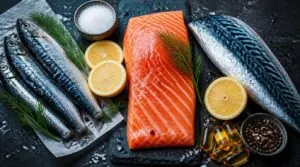
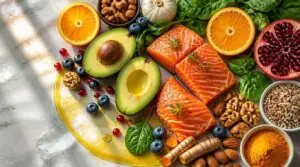
Fatty fish like salmon, mackerel, and sardines are among the most skin-supportive foods you can eat. Each serving delivers EPA and DHA omega-3s that maintain your lipid barrier, reduce UV-triggered inflammation, and support DNA repair.
These fish also supply complete protein profiles for collagen and keratin, plus selenium for antioxidant defense — making them a rare, all-in-one option for genuine skin rejuvenation.
Avocados and Healthy Fats
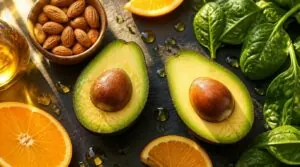
Few foods pack as much skin value as avocados. Their oleic acid — the same monounsaturated fat in olive oil — drives four key skin benefits:
- Skin barrier repair through lipid integrity support
- Fat-soluble nutrient absorption of vitamins E and C
- Sustained satiety, curbing inflammatory snacking
- Healthy fat swaps when replacing butter
Half a medium avocado daily keeps your skin barrier strong.
Citrus Fruits and Berries

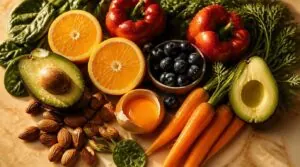
Oranges and berries are two of the easiest upgrades you can make for your skin. Citrus vitamin C directly boosts collagen production, while berries deliver berry antioxidant diversity that outperforms most fruits on antioxidant content.
Their polyphenols help shield skin cells from oxidative stress, and their high water content keeps your complexion hydrated and visibly bright.
Leafy Greens and Carrots

Dark leafy greens and carrots quietly do some of your skin’s most essential maintenance work.
Here’s what they bring to your complexion:
- Folate for cell renewal — helps with DNA repair and routine skin regeneration
- Vitamin K — aids wound healing and tissue integrity
- Beta-carotene conversion — carrots supply vitamin A precursors that slow premature aging
- Fiber and gut-skin axis — digestive balance reduces inflammation visible in your complexion
- Phytochemical diversity — carotenoids, flavonoids, and antioxidants work together to defend skin cells
Nuts, Seeds, and Dairy

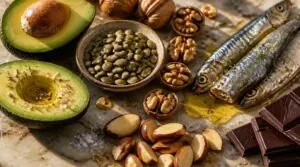
Nuts, seeds, and dairy pull more weight than most people expect. Walnuts and flaxseeds deliver omega-3s that strengthen your lipid barrier, while almonds supply vitamin E to shield skin fats from oxidation. Pumpkin seeds contribute zinc and selenium for repair and antioxidant defense.
Dairy adds complete protein and trace minerals — the raw materials your skin uses to rebuild itself daily.
Skin Benefits of Better Eating
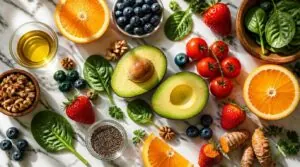
Eating well doesn’t just fuel your body — it shows up on your skin in ways that are hard to ignore. The right foods can genuinely shift how your skin looks and feels over time. Here’s what you can expect when your diet starts working in your skin’s favor.
Improved Skin Hydration
Hydration starts deeper than a moisturizer can reach. Your skin relies on aquaporin-3 proteins to actively transport water through the epidermis, while natural moisturizing factors inside corneocytes bind and hold that moisture in place.
Hyaluronan helps maintain stratum corneum structure, and eating water-rich foods like cucumber and watermelon keeps those internal systems supplied — so your skin stays visibly plump from within.
Stronger Moisture Barrier
Keeping skin hydrated is only half the equation. Your lipid barrier — built from ceramides, cholesterol, and free fatty acids packed in ordered layers — controls how much water actually escapes through the stratum corneum. When those layers thin out, transepidermal water loss climbs fast.
Omega-3 fatty acids help regulate ceramide levels, while healthy fats from avocados and olive oil strengthen the lipid matrix that locks moisture in.
Reduced Premature Aging
Sugar and refined carbs quietly accelerate aging through glycation — a process that stiffens collagen fibers and dulls your complexion over time.
- Cut added sugars to reduce glycation end products
- Eat antioxidant-rich produce to neutralize free radicals
- Get enough protein to keep collagen synthesis running
- Avoid smoking and limit alcohol, both of which strip skin of oxygen and moisture
Better Sun Damage Defense
Cutting back on sugar helps slow aging, but what you eat can also strengthen your skin’s defenses against UV damage from the inside out.
Antioxidants from food neutralize reactive oxygen species before they damage cell proteins and trigger inflammation. Lycopene, green tea polyphenols, and beta-carotene support melanin pigment buffering, DNA repair, and stratum corneum reinforcement — building a layered shield that works quietly every day.
Smoother, Brighter Complexion
What you eat shapes how light actually bounces off your skin. Well-hydrated, antioxidant-rich skin reflects light more evenly, while dead cell buildup creates a dull, uneven surface.
Well-hydrated, antioxidant-rich skin reflects light evenly — what you eat literally shapes your glow
Blueberries and vitamin C support skin cell turnover, clearing texture that traps light. Omega-3s strengthen barrier strength, keeping moisture locked in — and when your barrier holds, pigment looks more uniform and your complexion genuinely glows.
Frequently Asked Questions (FAQs)
What is the best nutrition for skin?
Your skin reflects what you feed it. The best nutrition combines vitamin C, zinc, and omega-3s with antioxidant-rich foods — think berries, fatty fish, and leafy greens — to support collagen, hydration, and a naturally clear complexion.
Which nutrient is best for skin?
No single nutrient wins outright. Vitamin C drives collagen production, omega-3 fatty acids protect your barrier, and micronutrients like zinc calm inflammation. Your skin needs all of them working together.
What does nutrition do for your skin?
Your diet acts as a delivery system for the micronutrients and antioxidants your skin needs to repair cells, defend against oxidative stress, and maintain a healthy, glowing complexion every day.
What is the best supplement for skin?
No single supplement wins outright. Vitamins A, C, and E, collagen, omega-3 fatty acids, zinc, and hyaluronic acid each target different skin needs — so the best choice depends on what your skin is actually missing.
How does hydration affect skin appearance daily?
Hydration shapes skin’s look hour by hour. When moisture dips, your stratum corneum thins, surface texture roughens, and light scatters unevenly — leaving skin looking dull, tight, and flat rather than smooth and luminous.
Can stress hormones damage skin barrier function?
Yes. When you’re stressed, your body releases cortisol, which breaks down the skin’s lipid barrier, increases water loss, and leaves it vulnerable to irritants and infection.
Does sleep quality impact skin cell regeneration?
Sleep is your skin’s silent night shift. Deep sleep triggers growth hormone release, driving cellular repair while melatonin neutralizes free radicals. Poor sleep raises cortisol, disrupting your skin’s nocturnal barrier recovery and slowing regeneration noticeably.
How long before dietary changes improve skin?
Skin changes from diet take 4 to 6 weeks at minimum, as that’s how long new cells need to surface. More structural improvements, like firmer skin, can take up to 12 weeks.
Can stress hormones directly trigger skin breakouts?
Like a chain reaction, cortisol sebum spikes flood your pores with excess oil. Androgen signaling shifts intensify this, while inflammatory pathway activation turns clogged follicles into red, swollen breakouts. Impaired barrier healing keeps skin reactive longer.
Does sleep quality affect skin repair and renewal?
Your skin works hardest while you sleep. Circadian repair rhythms trigger collagen synthesis, lower cortisol, and drive cell renewal — meaning poor sleep directly delays skin repair and leaves your complexion dull by morning.
Conclusion
The paradox of skin nutrition and benefits is that the most visible results come from invisible work. Every meal either builds toward stronger, more resilient skin or quietly works against it. You can’t always see collagen forming or your moisture barrier reinforcing itself—but both are happening with each cycle.
What you eat today shapes the skin you’ll live in 28 days from now. Feed those workers well. The renovation never stops.