This site is supported by our readers. We may earn a commission, at no cost to you, if you purchase through links.

Your hair follicles are miniature factories that never clock out. When they start to falter, you’ll notice strands clinging to your brush, a widening part line, or hair that snaps at the slightest tug. The culprits range from what’s missing in your diet to how tightly you pull back your ponytail.
Most people assume hair loss means game over, but follicles respond remarkably well to targeted care. The right combination of nutrients, gentle handling, and scalp attention can coax weakened follicles back to their productive best.
Small adjustments to what you eat, how you treat your scalp, and which habits you drop can rebuild strength from the root up.
Table Of Contents
- Key Takeaways
- Signs of Weak Hair Follicles
- Common Causes of Weak Hair Follicles
- Essential Nutrients for Stronger Follicles
- Natural Oils and DIY Hair Treatments
- Scalp Care Techniques to Boost Follicle Health
- Gentle Hair Care Routines for Follicle Protection
- Lifestyle Changes for Stronger Hair Follicles
- When to Seek Professional Hair Support
- Frequently Asked Questions (FAQs)
- Conclusion
Key Takeaways
- Weak follicles signal distress through increased daily shedding beyond 100 strands, visible thinning patterns, breakage at stress points, and dull appearance from compromised cuticle production.
- Follicle strength rebuilds through targeted nutrition—protein-rich foods, biotin/zinc/iron supplementation, omega-3 fatty acids from fish, and consistent hydration that supports scalp circulation and moisture balance.
- Gentle daily practices protect follicles better than aggressive treatments—sulfate-free cleansing, air-drying or low-heat styling, loose protective hairstyles, and regular scalp massage boost circulation without causing traction damage.
- Natural remedies require six to twelve weeks of consistent application to show visible results, with coconut oil massages, essential oil blends, and stress reduction practices working together to awaken dormant follicles and restore growth cycles.
Signs of Weak Hair Follicles
Your hair follicles send clear signals when they’re struggling. Recognizing these warning signs early gives you the power to take action before the damage becomes harder to reverse.
If you’re noticing unusual shedding, brittleness, or split ends, check out these telltale signs your hair is damaged to understand what your strands are trying to tell you.
Here’s what to watch for when your follicles need support.
Increased Hair Shedding
Shedding more than 100 strands daily signals follicle stress and hair cycle disruption. Telogen effluvium often follows illness or weight loss by 2–6 months, causing excessive shedding that gradually resolves.
Women who notice shedding after stopping hormonal contraception can track their hair growth timeline and recovery patterns to understand when regrowth typically begins.
Watch for these hair shedding causes:
- Nutritional deficiencies depleting iron or biotin
- Hormonal shifts from thyroid disorders
- High stress activating your body’s alarm system
- Medications disrupting follicle timing
Distinguishing hair shedding from hair breakage helps you target the real problem.
Once you know which issue you’re dealing with, you can follow proven steps to prevent hair from further damage and restore healthier growth.
Thinning or Patchy Hair
When you notice your hair losing density or gaps appearing where coverage once seemed full, your follicles may be shrinking or entering dormancy prematurely. Androgenetic alopecia weakens follicle repair mechanisms, reducing hair density over time. Alopecia areata creates patchy bald spots through immune system misfiring.
Identifying your hair thinning pattern guides natural hair regrowth strategies and hair strengthening interventions.
| Pattern | Follicle Impact | Scalp Health Sign |
|---|---|---|
| Diffuse thinning | Miniaturization cycle | Visible scalp through hair |
| Crown recession | Dormant follicles | Widening part lines |
| Circular patches | Inflammation blocks natural restoration | Smooth, hairless zones |
Excessive Breakage
Hair breakage accounts for most visible hair loss you see—strands snap at weak points instead of shedding from the root. Damaged fibers lose up to 40% of their strength, making every brush stroke a risk. Split ends climb upward under tension, signaling compromised cuticle integrity.
Three breakage red flags demand your attention:
- Frayed ends scattered across your pillowcase each morning
- V-shaped splits migrating up the shaft despite trimming
- Midlength fractures concentrating where you style most often
Breakage prevention starts with recognizing these patterns early. Your follicle repair efforts won’t succeed if hair fiber damage continues unchecked.
Dull or Lifeless Appearance
Beyond snapping strands, you’ll notice your hair just won’t catch the light anymore. That telltale dullness reveals weakened follicles struggling to produce healthy cuticles. Restoring shine requires follicle revitalization—your scalp health directly impacts natural gloss enhancement.
| Weak Follicle Signs | What You’ll See |
|---|---|
| Reduced light reflection | Matte finish instead of sheen |
| Poor moisture balance | Frizz overpowers color vibrancy |
| Damaged cuticle layers | Lifeless strands despite conditioning |
Hair shine restoration starts at the root through proper hair nourishment and natural hair care practices.
Common Causes of Weak Hair Follicles

Understanding what weakens your hair follicles is the first step toward reversing the damage. Several factors can compromise follicle strength, from the genes you inherit to the daily habits you don’t think twice about.
Let’s break down the most common culprits so you know exactly what you’re up against.
Genetic Predisposition
Your family history shapes your hair follicles more than you might think. Hereditary factors account for roughly 80% of hair thinning risk, affecting gene expression that controls follicle cycling. If your parents experienced hair loss, inheritance patterns suggest you’re predisposed too.
Your genes account for roughly 80% of hair thinning risk—if your parents lost hair, you’re likely predisposed too
Genetic testing can reveal specific variants influencing hair health, though your genes don’t seal your fate—they simply set the stage for hair growth challenges.
Nutritional Deficiencies
What you eat directly impacts follicle strength. Iron deficiency correlates with reduced hair diameter and increased shedding, while zinc supplements restore impaired follicle function. Consider these nutritional gaps:
- Inadequate protein intake weakens keratin synthesis
- Low biotin benefits appear in case reports as brittle strands
- Insufficient vitamin balance disrupts follicle cycling
- Missing omega-3 fatty acids compromise scalp health
- Limited protein-rich foods reduce hair nutrition
Vitamin E and targeted supplementation help reverse deficiency-driven weakness.
For men facing persistent thinning despite nutritional fixes, exploring proven hair loss prevention strategies can provide additional support beyond supplementation alone.
Hormonal Imbalances
Your body’s hormone regulation plays a commanding role in hair follicle vitality. Androgen balance issues shrink growth phases and thin your strands over time. Thyroid health disruptions reduce density and trigger shedding, while cortisol management failures from chronic stress shift follicles into 休眠.
Menopause effects and insulin resistance alter hair nutrition pathways. Biotin and balanced hair health strategies support these internal shifts naturally.
Excessive Chemical or Heat Exposure
Heat styling and chemical damage strip your follicles of their natural defenses. Prolonged exposure above 450°F raises hair breakage risk by 30-40%, while repeated bleaching weakens keratin integrity.
To prevent follicle repair emergencies and support hair strengthening:
- Lower heat settings to under 350°F
- Apply thermal protection before styling
- Space chemical treatments 8-12 weeks apart
- Use heat-free styling methods regularly
These hair damage prevention steps restore resilience.
Chronic Stress
Stress management isn’t optional when cortisol disrupts your hair growth cycle. Chronic stress pushes more follicles into shedding phases and reduces shaft thickness.
Mindful practices and relaxation techniques support hormone balance and cortisol reduction, improving scalp health over time.
When you prioritize stress relief through meditation or better sleep, you’re giving your hair follicles the recovery environment they need for hair strengthening and sustained hair growth.
Essential Nutrients for Stronger Follicles

Your hair follicles need specific nutrients to stay strong and produce healthy strands. Without the right building blocks, even the best topical treatments won’t deliver lasting results.
Here’s what your body needs to support follicle strength from the inside out.
Protein-Rich Foods
Your follicles need protein to build the keratin that forms each strand. Chicken and lean beef deliver 25–35 g per serving, fueling hair growth and strength. Legumes like lentils offer iron and zinc alongside protein. Eggs are biotin-rich powerhouses, while Greek yogurt aids follicle cycling with calcium. Nuts and seeds provide omega-3s and healthy snacks that nourish your scalp.
- Chicken and lean beef supply high-quality protein for keratin production
- Legumes deliver iron and zinc essential for follicle health
- Eggs offer biotin and complete amino acids for hair growth
- Greek yogurt provides calcium and vitamin D for stronger strands
- Nuts and seeds contribute omega-3 fatty acids and aid nutrient balance
Vitamins and Minerals (Biotin, Zinc, Iron)
Beyond protein, micronutrients like biotin, zinc, and iron form the backbone of follicle vitality. Biotin benefits include keratin support, with 2.5–5 mg daily strengthening growth in deficient individuals. Zinc supplements (up to 30 mg) fuel DNA synthesis for rapid cell division, while correcting iron deficiency restores follicle cycling and density. Mineral balance matters—high zinc blocks iron absorption, so pair iron with vitamin C and space out dosing for ideal hair strengthening.
| Nutrient | Key Role in Hair Health |
|---|---|
| Biotin | Aids keratin structure and follicle protein synthesis |
| Zinc | Drives DNA replication in rapidly dividing follicle cells |
| Iron | Powers cell proliferation and healthy hair cycle progression |
Omega-3 Fatty Acids
Like a well-oiled machine, your follicles need fatty acid benefits to run smoothly. Omega-3 fatty acids reduce inflammation and boost hair growth rate by supporting shaft elongation. Fish oil effects include improved scalp hydration and stronger hair health. Addressing fatty acid deficiency through omega3 supplements or natural hair care choices can transform weak follicles into resilient ones.
- Consume 1–2 servings of fatty fish weekly for visible improvements
- Omega-3s extend hair growth cycles and reduce follicle inflammation
- Plant-based sources offer limited conversion compared to fish-derived EPA and DHA
- Fish oil effects include better scalp moisture and reduced dryness
- Consult professionals before omega3 supplements if taking blood thinners
Hydration for Follicle Health
Water intake directly impacts scalp hydration and follicle moisture retention. Your body needs adequate systemic hydration to maintain hair elasticity and deliver nutrients through scalp circulation.
When you’re properly hydrated, your hair follicles function in a moisture-balanced environment that fosters natural hair care from within.
Drink enough water daily—your scalp health depends on it for resilient hair hydration and follicle nourishment.
Natural Oils and DIY Hair Treatments
Your kitchen and bathroom cabinets hold powerful allies in the fight against weak follicles. Natural oils penetrate the scalp to deliver nutrients directly where your hair grows, while homemade treatments work without the harsh chemicals found in commercial products.
Let’s look at four proven options you can start using today.
Coconut Oil Scalp Massage
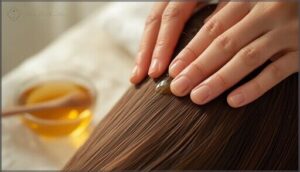
You can take control of follicle health with a coconut oil scalp massage. Warm the oil to body temperature, then gently work it into your crown and hairline for 5–10 minutes.
This simple technique improves scalp hydration within four weeks and may boost circulation, delivering nutrients right to your follicles. Repeat two to three times weekly for best results.
Argan and Jojoba Oil Benefits

Argan oil benefits your hair by shielding strands from heat damage and locking in moisture—its vitamin E and fatty acids smooth the cuticle and reduce breakage. Jojoba oil uses include mimicking your scalp’s natural sebum to balance oil production and unclog follicles.
Together, these natural hair care methods deliver essential hair growth tips, fortify hair strength through oil blending techniques, and support overall hair wellness without harsh chemicals. Regular use of argan oil can also promote hair growth benefits that lead to stronger and healthier hair.
Essential Oil Blends for Follicle Strength

Essential oil therapy can awaken dormant follicles and spark visible growth. Blend rosemary and peppermint oils in a carrier base for natural follicle stimulation—aromatherapy benefits include improved circulation during your scalp oil massage. These herbal hair remedies strengthen hair follicles through:
- Rosemary-peppermint combinations for hair growth promotion
- Pine-cedarwood blends boosting scalp vitality
- Tea tree oil calming follicle stress
- Lavender oil reducing scalp inflammation
Essential oils offer hair strengthening without chemicals.
Homemade Hair Masks (Egg, Yogurt, Onion Juice)

Kitchen-cupboard ingredients pack serious follicle-strengthening power. Egg mask benefits include protein-rich conditioning for the hair shaft, while yogurt hair treatment delivers lactic acid to gently refresh your scalp. Onion juice therapy shows promise for boosting keratin production through sulfur compounds.
These natural hair remedies require patch testing before full application—apply your chosen DIY hair treatment for 15–20 minutes, then rinse thoroughly with cool water.
Scalp Care Techniques to Boost Follicle Health

Your scalp is where hair growth begins, and keeping it healthy gives your follicles the best chance to thrive.
Simple daily practices can make a real difference in circulation, cleanliness, and overall follicle strength. Here are three techniques that support scalp health from the ground up.
Regular Scalp Massage
You can boost scalp health by massaging your head for 4–10 minutes at a time. This massage technique increases blood flow to hair follicles, supporting follicle nourishment and hair strengthening naturally.
Use gentle circular motions with your fingertips to promote hair growth stimulation without causing irritation.
Consistent weekly practice delivers the best scalp massage benefits, enhancing circulation and overall scalp health over time.
Gentle Exfoliation Methods
Scalp exfoliation clears away buildup that suffocates your hair follicles and blocks nutrients from reaching roots. Gentle scrubs with fine ground oats or rice powder lift dead skin without stripping natural oils, improving follicle cleansing and scalp health.
Here are effective methods:
- Mild physical scrubs improve microcirculation by 15–20%
- Enzyme therapy with papaya softens flakes naturally
- Weekly massage techniques boost follicular cleanliness
- Hydrating serums restore barrier function post-exfoliation
Improving Scalp Circulation Naturally
Think of your follicles as tiny engines that need fuel—and blood flow delivers it. Regular scalp massage for five to ten minutes daily awakens dormant roots and readies them for growth. Pair this with moderate aerobic exercise to flood your entire system with oxygen-rich circulation.
| Blood Flow Boosters | How They Work |
|---|---|
| Scalp Massage | Stimulates local circulation, nourishes follicles |
| Warm Oil Treatment | Improves blood flow, moisturizes scalp |
| Aerobic Exercise | Increases overall circulation to scalp |
| Thermal Therapy | Contrast rinses stimulate follicle activity |
| Hydration Tips | Maintains vascular health and nutrient delivery |
Thermal therapy—like alternating warm and cool water rinses—acts as a wake-up call for sluggish scalp health. Don’t underestimate hydration tips either; water maintains the vascular highways feeding your hair follicles, turning each strand into a reflection of inner vitality.
Gentle Hair Care Routines for Follicle Protection

Your daily hair care routine can either strengthen your follicles or slowly wear them down. The way you wash, dry, and style your hair determines whether you’re protecting fragile roots or adding unnecessary stress.
Let’s look at four gentle practices that shield your follicles from damage while keeping your hair healthy.
Choosing Mild, Natural Shampoos
Your shampoo bottle might be sabotaging your follicles without you even realizing it. Using a shampoo with the wrong pH balance levels can greatly impact the health of your hair follicles. Sulfate-free formulas with gentle cleansers protect your scalp’s natural barrier. Look for natural ingredients that nourish without stripping essential oils.
Choose shampoos that support hair strengthening:
- pH-balanced organic hair care products (4.5-5.5 range) maintain scalp health
- Plant-based natural hair products with aloe or chamomile soothe irritation
- Eco-friendly formulas free from harsh sulfates and synthetic fragrances
Reducing Heat and Chemical Styling
After finding the right shampoo, it’s time to rethink heat styling and chemical treatments—they’re major culprits behind follicle weakness. Reducing heat exposure lowers strand temperature by up to 50 percent, while heat protectants cut cuticle damage by roughly 25–40 percent. Thermal shields and hair serums act as barriers during styling.
Spacing chemical treatments six to eight weeks apart reduces breakage risk markedly, preserving hair strength and promoting chemical-free, gentle styling habits that support long-term hair protection.
Proper Drying and Detangling Techniques
Once you’ve backed away from harsh treatments, how you dry and detangle matters just as much. Blunt towel rubbing yanks follicles out of position, but gentle patting with Microfiber Towels reduces friction and preserves hair strength.
Follow these Detangling Tips for healthier hair care:
- Use a wide-tooth comb on damp strands
- Start from ends upward
- Apply Heat Protectant before low-heat drying
- Keep dryer 15 cm from scalp
- Finish with Cool Shot Settings
Proper Hair Brushing and Gentle Drying shield hair follicles from mechanical stress, cutting breakage and supporting effective hair strengthening techniques without extra hair damage.
Protective Hairstyles to Prevent Damage
How you style your hair daily makes or breaks follicle stability. Hairstyle Selection for Damage Prevention means choosing looser braids, twists, or low buns that ease tension on roots. Swap tight elastics for soft Hair Ties that won’t snag or pull.
Gentle Styling protects Scalp Health by distributing weight evenly, reducing traction alopecia risk while letting your hair care routine support lasting hair strength without added hair damage.
Lifestyle Changes for Stronger Hair Follicles

Your daily habits shape your hair follicles more than you might realize. Stress, sleep patterns, and even how you style your hair can either strengthen or weaken your follicles over time.
Let’s look at four lifestyle adjustments that support long-term follicle health.
Stress Reduction Practices
Stress doesn’t just live in your mind—it camps out in your scalp, choking follicle health. Mindful meditation for ten minutes daily cuts cortisol by roughly 20% after eight weeks, giving your hair follicle health a fighting chance.
Deep breathing and yoga practices calm your nervous system while improving scalp health maintenance. These relaxation techniques aren’t fluffy—they’re strategic stress management moves that protect hair wellness from the inside out.
Hormone-Balancing Habits
Your hormones orchestrate hair growth, and keeping them steady matters more than you think. Aim for 7–9 hours of consistent sleep patterns to support hormone regulation and cortisol balance.
Exercise 150 minutes weekly to manage stress and insulin levels—your follicles reward that effort.
Load up on omega-3 fatty acids, Vitamin D, and balanced hair nutrition and diet to fuel thyroid function and hair health naturally.
Sleep and Hair Follicle Recovery
Your follicles repair themselves overnight when you honor consistent sleep patterns and circadian rhythm. Seven to nine restful nights weekly fuel hair growth through protein synthesis and follicle repair while tamping down cortisol.
Switch to a silk pillowcase to reduce friction during these critical hours.
Deep sleep stages trigger hair restoration and hair rejuvenation naturally—your scalp rewards that commitment with stronger strands and lasting hair wellness.
Avoiding Tight Hairstyles and Traction
When tight ponytails and braided styles pull constantly at your hairline, you’re risking traction alopecia—a preventable form of hair loss triggered by chronic hair tension. Gentle styling choices offer scalp relief and strong follicle protection.
- Loosen braids at your temples and forehead
- Switch high buns for low, relaxed updos
- Give your scalp rest between weave installations
- Choose fabric-covered ties over narrow elastics
- Rotate hairstyles to distribute mechanical load
Early traction avoidance keeps hair strengthening on track and hair care gentle enough to reverse thinning.
When to Seek Professional Hair Support

Sometimes your best efforts aren’t enough to turn things around on your own. Hair loss that persists despite natural remedies often signals an underlying issue that needs professional attention.
Knowing when to step beyond home treatments can mean the difference between managing symptoms and actually solving the problem.
Identifying Persistent or Severe Hair Loss
When hair shedding lasts longer than six months, it’s time to stop waiting and start investigating. Look for diffuse thinning across your scalp or sudden patchy areas—these hair loss triggers signal something more serious than seasonal shifts. Scalp abnormalities like redness or irritation heighten the concern.
Medical evaluations and diagnostic tests help distinguish reversible hair loss from permanent follicular damage, protecting your hair growth before it’s too late.
Medical Diagnosis and Underlying Conditions
Your doctor will start with blood work to catch the usual culprits. Thyroid function tests and hormone testing reveal if your endocrine system is sabotaging your scalp health. Iron deficiency shows up through ferritin levels, while elevated androgens point toward androgenetic alopecia.
When hair loss patterns remain puzzling, a scalp biopsy distinguishes scarring from non-scarring conditions—giving you a definitive trichology or dermatology diagnosis that finally makes sense.
Non-Surgical and Surgical Restoration Options
Once you’ve pinpointed the root cause, your treatment options split into two clear paths—one that works with what you still have, and another that surgically reclaims what’s been lost. Non-invasive treatments like minoxidil and platelet-rich plasma injections promote hair growth and follicle strength without incisions.
Surgical options—including hair transplants through Follicular Unit Extraction—deliver permanent hair restoration by relocating healthy follicles to thinning zones.
Frequently Asked Questions (FAQs)
Can hair follicles regenerate after years of damage?
Some follicles can recover after prolonged damage if stem cell reserves remain intact.
Regrowth therapy targeting dormant follicles through improved scalp health and nutrition offers better results than expecting complete hair regeneration in severely compromised cases.
Do supplements work faster than dietary changes alone?
Supplements might seem like a turbo boost for your follicles, but nutrient timing reveals dietary balance delivers steady follicle response.
Omega-3 fatty acids and vitamin C from whole foods build collagen and support hair growth patterns more sustainably than pills alone.
How long until natural remedies show visible results?
Visible results from natural remedies usually emerge after six to twelve weeks of consistent use.
Your hair growth timeline depends on baseline follicle health, treatment duration, and how diligently you apply natural hair strengthening practices.
Can over-washing weaken hair follicles permanently?
No, over-washing won’t permanently damage hair follicles. It strips natural oils, disrupts scalp pH balance, and causes breakage—but gentle cleansing with sulfate-free products protects hair health and fosters natural hair regrowth without lasting follicle harm.
Are certain hair types more prone to follicle weakness?
Yes. Genetic factors and ethnic variations shape follicle vulnerability. Tightly coiled curl patterns and fine hair texture face greater mechanical stress, affecting hair growth and natural hair health differently across populations.
Conclusion
Your follicles are resilient architects—they’ll rebuild when given the right materials. Feed them nutrient-dense foods, massage your scalp with intention, and drop the habits that suffocate growth.
The path to strengthen weak hair follicles naturally isn’t about chasing miracles; it’s about consistency in small, deliberate actions. Each choice compounds over weeks, then months. Your hair won’t transform overnight, but with patience and precision, those weakened roots will anchor strands that stay, grow, and thrive.