This site is supported by our readers. We may earn a commission, at no cost to you, if you purchase through links. This content is for general informational and educational purposes only and is not a substitute for professional medical, dermatological, or nutritional advice.

Your skin sheds about 500 million cells every day. Most of the time you never notice. But when that process breaks down, you end up with the sandpaper texture, tight cheeks, or flaky eyebrows that send patients into my office every winter.
Dry, flaky skin isn’t one problem with one fix. It can mean your skin barrier is losing water faster than it can hold on to it, or it can point to something deeper, like eczema or a thyroid issue.
Once you understand what causes dry flaky skin, the fix usually gets a lot simpler.
Table Of Contents
- Key Takeaways
- What Dry, Flaky Skin Looks Like
- Barrier Damage Causes Dry, Flaky Skin
- Why Damaged Skin Starts Flaking
- Health Conditions Linked to Flaky Skin
- How to Repair and Prevent Flaking
- When to See a Dermatologist
- Frequently Asked Questions (FAQs)
- Why is my skin flaky over time?
- What causes dry skin?
- What causes dry and flaky skin?
- Is dry flaky skin a symptom of a chronic condition?
- What causes dry skin in older adults?
- Why is my skin drier over time?
- Can diet affect dry skin conditions?
- How often should I moisturize daily?
- When should I see a dermatologist?
- Are there seasonal skincare routine changes?
- Conclusion
Key Takeaways
- Dry, flaky skin usually comes down to a damaged skin barrier, where lipids and natural moisturizing factors break down faster than your skin can replace them.
- Everyday habits like hot showers, harsh soaps, over-exfoliating, and low indoor humidity quietly strip your skin’s protection and speed up flaking.
- Persistent or unusual flaking can point to deeper issues like eczema, psoriasis, thyroid disease, or diabetes, so it’s worth watching for patterns beyond simple dryness.
- You can repair and prevent most flaking with short lukewarm showers, gentle fragrance-free cleansers, and moisturizing with ceramides within minutes of bathing.
What Dry, Flaky Skin Looks Like
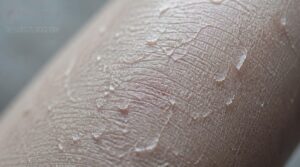
Dry skin doesn’t show up the same way for everyone. Some signs are easy to spot, while others show up as a feeling more than a look. Here’s what to watch for on your own skin.
If you’re also noticing razor bumps or irritation alongside that tight, flaky feeling, learning how to disinfect a razor to reduce inflammation can help stop things from getting worse.
Rough Patches and Visible Scales
Before you feel anything else, you’ll likely see it: patches that look dry, dull, or dusted with fine flakes. This is visible scaling, caused by impaired shedding in the stratum corneum. This barrier disruption also increases transepidermal water loss, worsening the appearance of scaling over time.
Common patterns include:
- Sandpaper-like rough patches
- Fine white flakes on dark clothing
- Cracked, tile-like scale formation
- Dull, ashy-looking skin
Itching, Stinging, and Tightness
Scaling rarely stays quiet for long. Your skin may start to itch, a sensation doctors call pruritus, or sting when lotion or sweat touches it.
That pulled, tight feeling? That’s your barrier losing water. Scratching brings quick relief but worsens damage, feeding the itch-scratch cycle. Gentle moisturizers with emollients calm irritation before it escalates.
Cracks, Peeling, and Redness
Left untreated, tightness can split into fissures, doctor talk for cracked skin. This shows up on hands, feet, and lips, sore, visible lines where the barrier’s given way.
Peeling follows as the epidermis sheds damaged layers. Redness often joins in, a sign of irritation flaring alongside the flaking.
Petroleum jelly seals cracks and locks in moisture, easing fissure treatment fast.
Dry Versus Dehydrated Skin
Cracked skin and dry skin aren’t always the same thing. Dry skin lacks oil, feels rough, tight after washing. Dehydrated skin lacks water, looks dull, feels tight even with normal oil levels.
Dry skin needs occlusives to seal moisture in. Dehydrated skin needs humectants to pull water into the surface layers first.
Commonly Affected Body Areas
Some spots flake more than others, and your skin tells you why. Oil glands, moisture levels, and daily friction differ across your body.
- Scalp and hairline: oily, prone to white flakes in hair
- Hands and fingers: dry from frequent washing, fine cracking
- Feet and heels: thickened skin, deep fissures
- Elbows and knees: rough patches, common eczema sites
- Face and neck: oil-prone yet sensitive to imbalance
Barrier Damage Causes Dry, Flaky Skin
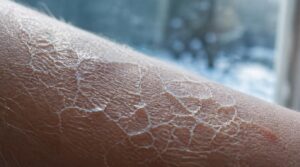
Your skin barrier doesn’t break down on its own. Everyday habits and surroundings play a bigger role than most people think. Here’s what often wears it down.
Low Humidity and Indoor Climate
Your skin can dry out even in a warm room. Heaters and AC units strip moisture from indoor air, forcing water to evaporate faster from your skin. This is xeroderma triggered by environmental factors, not weather alone. HVAC airflow makes it worse by circulating dry air across your body constantly.
Aim to keep indoor humidity between 40% and 60%. A humidifier helps restore that balance and helps moisture retention through dry seasons.
Since dry air can weaken an already fragile skin barrier, pairing a humidifier with proven eczema relief strategies for itchy, inflamed skin can make flare-ups easier to manage.
Hot Water and Long Showers
That steamy shower may feel great, but it’s quietly working against you. Hot water strips natural oils faster than lukewarm water, weakening your skin barrier with every long soak.
The longer you linger, the more transepidermal water loss occurs. Once you step out, skin dries rapidly, often flaking on legs, arms, elbows, and shins within days.
Harsh Soaps and Surfactants
Not all soap is created equal, and your skin barrier knows the difference. Sodium lauryl sulfate and similar surfactants strip lipids fast, causing surfactant-induced irritation and tightness.
High soap pH disrupts your skin’s natural balance too. Try these instead:
- Low-surfactant cleanser
- Fragrance-free formulas
- pH-appropriate cleanser
- Cream-based washes
- Gentle surfactant alternatives
Over-Exfoliation and Retinoid Irritation
More scrubbing isn’t always better. Overexfoliation strips protective lipids faster than skin can rebuild them, raising skin sensitivity.
Limit acids to one to two times weekly. Starting retinol? Expect a short retinoid adjustment period with mild stinging. Pause actives at first sign of irritation. This gives your barrier repair time to catch up before damage compounds.
Irritating Fabrics and Allergens
What you wear matters more than you’d think. Wool sensitivity and synthetic fabric irritation trap heat and sweat against your skin, raising skin sensitivity.
Formaldehyde resin allergy and azo dye reactions from dark or "non-iron" clothing cause contact dermatitis. Even a nickel fastener rash from jean buttons counts as barrier-disrupting. When labels feel harsh, listen to your skin.
Why Damaged Skin Starts Flaking
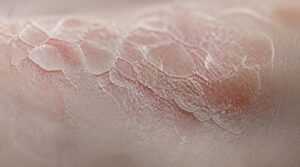
Once your skin barrier takes a hit, flaking isn’t far behind. Your skin relies on a few key processes to stay smooth and hydrated, and damage throws each one off balance. Here’s what actually goes wrong underneath the surface.
Loss of Protective Skin Lipids
Think of your skin’s outer layer as brick and mortar. The bricks stay put, but the mortar, made of ceramides, cholesterol, and fatty acids, washes away with damage. This lipid matrix breaks down, water escapes, and flaking follows.
- Ceramide depletion
- Cholesterol loss
- Fatty acid deficiency
- Lamellae disruption
- Ultra long chain lipid changes
Reduced Natural Moisturizing Factors
Lipids aren’t the only thing you lose. Inside skin cells, filaggrin breakdown builds natural moisturizing factors, a mix of urea, lactate, amino acids, PCA, and hygroscopic salts. When filaggrin production drops, so does this supply.
Less NMF means less water binding capacity in the stratum corneum. Skin hydration falls, and flaking follows close behind.
Impaired Dead Skin Shedding
Once NMF drops, shedding gets messy too. Normally, keratinocytes mature and separate through desquamation, a controlled release from the stratum corneum.
Barrier stress disrupts this: dead cell adhesion increases, cornification turns irregular, and surface turnover slows. Cells build up instead of shedding evenly. Add friction or inflammation, and flakes lift off in rough patches rather than fine, invisible bits.
Increased Transepidermal Water Loss
Uneven shedding leaves gaps. Water escapes faster than it should, this is transepidermal water loss, and it climbs when barrier function weakens.
- Higher TEWL at cracked, flaky sites
- Lower moisture retention overall
- Skin feels tight, looks dull
- Cycle worsens without skin barrier repair
Environmental triggers explained: dry air raises TEWL fast. Humidity control methods and skin lipid restoration help reverse it.
Health Conditions Linked to Flaky Skin

Sometimes dry, flaky skin isn’t just about soap or weather. It can be your body’s way of flagging a health condition underneath. Here are a few worth knowing about.
Eczema and Barrier Dysfunction
Eczema, or atopic dermatitis, often starts with a genetic lipid deficiency that weakens your skin barrier from birth. This isn’t ordinary dry skin. Flare-ups and remission come and go, but barrier repair stays the goal year-round.
Pairing ceramides with humectants works best, and applying moisturizer within minutes of bathing helps lock hydration where your skin needs it most.
Psoriasis and Rapid Cell Turnover
Why does psoriasis skin flake so fast? Cell cycle acceleration. Normal turnover takes 28 days; psoriasis does it in 3 to 5.
This isn’t ordinary dry skin or xerosis. It’s driven by:
- Cytokine signaling cascades (IL-23, IL-17)
- Genetic susceptibility factors (HLA-C06:02)
- Immune cell recruitment patterns
Treatment mechanism targets include biologics blocking these cytokines directly, slowing rapid skin cell turnover at its source.
Seborrheic Dermatitis and Greasy Scales
Not all flaking is dry. Seborrheic dermatitis brings greasy, yellowish scales on the scalp, face, and skin folds, fueled by excess sebum and Malassezia yeast. It’s inflammatory, unlike simple dandruff, and often recurs.
Scalp dandruff treatment usually starts with zinc pyrithione or ketoconazole shampoo, left on briefly before rinsing to calm scale buildup.
Thyroid Disease and Diabetes
Your thyroid and blood sugar quietly shape your skin. Hypothyroidism slows turnover, causing rough, flaky patches. Diabetes weakens skin barrier function through high glucose, drawing out moisture and creating xerosis cutis. Both disrupt the skin moisture link.
Good glucose control benefits hydration, and treating hormone imbalances often restores smoother, softer skin over time.
Kidney Disease and Nutrient Deficiencies
Your kidneys do more than filter waste. They help balance nutrients your skin depends on. Chronic kidney disease often brings protein energy wasting and vitamin deficiency, disrupting skin barrier function. Phosphorus calcium balance shifts too, worsening dryness.
That’s why dialysis diet planning and nutritional monitoring guidelines matter. Micronutrient supplementation, guided by your care team, can help restore comfort.
How to Repair and Prevent Flaking
The good news is that most dry, flaky skin responds well to a few simple changes. You don’t need a complicated routine, just the right habits done consistently. Here’s what actually helps repair your skin barrier and keep flaking away for good.
Short, Lukewarm Showers

How you shower matters as much as whether you moisturize after.
Keep it to 5 to 10 minutes, using warm, not hot, water. Hot water strips protective oils and worsens dryness. Lukewarm bathing calms irritation and helps your barrier stay intact.
Think of hot showers as borrowing comfort now and paying for it later, in tight, flaky skin.
A hot shower borrows comfort now, but tight, flaky skin pays the bill later
Fragrance-Free Gentle Cleansers

What you wash with matters too. Skip anything with sodium lauryl sulfate, a harsh surfactant that strips natural oils.
Look for a pH-appropriate cleanser (around 5.5) with mild, low-surfactant ingredients like coco glucoside or cocamidopropyl betaine. These clean gently without disrupting your barrier, and many fragrance-free formulas add glycerin for extra hydration while you wash.
Ceramides Plus Hydrating Humectants

Once your skin is clean, ingredients matter most. Look for a barrier repair cream pairing ceramides with humectants like glycerin or hyaluronic acid.
- Ceramides restore lipid barrier structure
- Humectants pull water into skin
- Combo boosts hydration more than either alone
- Helps healthy lipid water balance
- Eases flaking from barrier damage
This ceramide humectant combination delivers real moisture retention, not just surface slip.
Moisturizing Immediately After Bathing

Timing beats product choice here. Your post-shower timing window is short, just three minutes before transepidermal water loss climbs back up.
Pat dry, don’t rub, then apply to damp skin.
| Do | Skip |
|---|---|
| Pat dry gently | Rubbing hard |
| Apply within 3 min | Waiting until dry |
| Use wet-skin formulas | Alcohol-based lotions |
| Repeat every shower | Skipping applications |
Consistency locks it in.
Humidifiers and Protective Clothing

Good moisturizer only goes so far if the air keeps pulling water back out. Aim for indoor humidity between 30-50% with a humidifier, cleaned regularly to avoid bacteria buildup.
Pair it with clothing that limits exposed skin:
- Long sleeves over dry arms
- Soft cotton, not wool
- Gloves in cold air
- Scarves for exposed necks
- Breathable, non-restrictive layers
When to See a Dermatologist
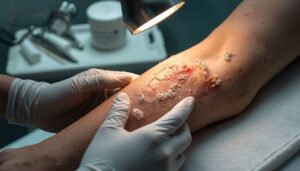
Most dry skin gets better with home care alone. But sometimes it signals something that needs a closer look. Here are the signs that mean it’s time to call a dermatologist.
If dryness comes with tightness, stinging, or redness, it may point to a weakened moisture barrier, so check these signs your skin barrier needs healing before booking an appointment.
Symptoms Lasting Several Weeks
Two weeks of rough, flaky skin is your cue to check in. Past six weeks, pruritis is officially chronic itch, often tied to xerosis or eczema.
| Duration | What It Suggests |
|---|---|
| Under 2 weeks | Normal dryness |
| 2-6 weeks | Needs assessment |
| 6+ weeks | Chronic condition |
| With sleep loss | Barrier compromise |
| Widespread | Possible systemic disease |
Bleeding Cracks or Severe Pain
When a crack bleeds bright red or the pain feels sharp and stabbing, that’s your barrier saying it needs help now. Deep fissures reach the dermis, where blood vessels live, unlike surface-level dry skin.
Press a clean cloth on the area for ten minutes first. If bleeding continues, or pain disrupts walking or gripping, see a dermatologist rather than waiting it out.
Infection Signs or Spreading Redness
Cracked, flaking skin can open the door to infection, especially once the barrier’s compromised.
Watch for these infection signs:
- Warm skin at the site
- Spreading redness or red streaks
- Swelling and tenderness
- Drainage or pus
- Fever and chills
Any of these means the skin infection risk is real. See a dermatologist promptly rather than relying on emollient therapy alone.
Itching That Disrupts Sleep
Ever lie awake scratching while the rest of the house sleeps? That’s nocturnal pruritis, and it’s a real sleep thief.
Nighttime itch worsens from body temperature shifts and dry skin. Nocturnal scratching fragments sleep stages, cutting rest by an hour or more weekly.
Try a humidifier, moisturize before bed, and avoid barrier-disrupting ingredients. If itching persists, ask your dermatologist about topical corticosteroids.
Fatigue, Weight Changes, or Thirst
Dry skin isn’t always just skin deep. If it comes with fatigue, weight changes, or unusual thirst, ask about a hormonal imbalance.
Hypothyroidism slows skin turnover and disrupts skin pH balance. Diabetes-related thirst and fatigue also warrant a look.
See your doctor for medical evaluation and bloodwork before blaming lotion alone.
Frequently Asked Questions (FAQs)
Why is my skin flaky over time?
Your skin gets flakier with age because barrier lipid depletion speeds up. Hormonal shifts, genetic predisposition, and low-grade chronic inflammation all weaken the stratum corneum’s ceramide function, leaving xerosis more likely to stick around and worsen.
What causes dry skin?
Your skin dries out when the stratum corneum loses water and natural moisturizing factors. Causes include genetic predisposition, environmental stressors, hormonal imbalance, nutritional deficiency, and immune response, each weakening your barrier’s ability to hold moisture with humectants.
What causes dry and flaky skin?
Several forces team up here: genetic predisposition, hormonal fluctuations, and nutritional deficiencies weaken your barrier, while medication side effects, environmental allergens, and low humidity trigger xerosis, eczema flares, and depleted ceramides, so hydration escapes faster than it’s replaced.
Is dry flaky skin a symptom of a chronic condition?
Yes, sometimes. Recurring flaking can signal chronic skin disorders like eczema, psoriasis, or xerosis. When dryness keeps coming back instead of resolving, it often points to an inflammatory skin condition or hidden health link needing medical evaluation.
What causes dry skin in older adults?
Why does skin get thinner with age? Sebaceous gland activity declines, cutting oil supply. Reduced ceramide production, hormonal lipid loss, and slower cell turnover leave the barrier weaker, drier, and less able to hold moisture.
Why is my skin drier over time?
Your body’s oil production slows with age, hormonal shifts, and years of sun exposure. This cumulative barrier damage slows epidermal renewal, so moisture escapes faster than your skin replaces it, especially with seasonal humidity changes and inconsistent hydration habits.
Can diet affect dry skin conditions?
What you eat shows up on your skin, and what you skip shows up too. Omega-3 fatty acids strengthen your lipid barrier, while zinc and Vitamin A support repair. Nutritional deficiencies worsen xeroderma, so a balanced diet genuinely helps.
How often should I moisturize daily?
Twice daily is a solid baseline, morning and night, on damp skin after cleansing. Adjust for climate and skin type. Use ceramides and humectants, and watch how your skin responds before increasing frequency.
When should I see a dermatologist?
Picture cracked, bleeding skin or angry red patches that won’t quiet down. That’s your cue. See a dermatologist if dryness lasts two weeks, cracks bleed, shows infection signs, disrupts sleep, or pairs with fatigue or thirst.
Are there seasonal skincare routine changes?
Yes. Cold weather and indoor heating dry the air, so shift to richer moisturizers and humidifier adjustments.
Keep cleanser consistency, adjust exfoliation frequency for buildup, and maintain sunscreen year round, since windy weather and dry air affect skin daily.
Conclusion
Think of your skin barrier like roof shingles. When they lie flat, water stays in and irritants stay out. When they lift and crack, moisture escapes and flaking follows. What causes dry flaky skin usually comes down to that simple imbalance, whether from harsh soaps, cold air, or an hidden condition. Gentle cleansing, consistent moisturizing, and patience rebuild those shingles over time. If flaking persists, don’t wait it out. Your skin is talking. A dermatologist can help you listen.