This site is supported by our readers. We may earn a commission, at no cost to you, if you purchase through links. This content is for general informational and educational purposes only and is not a substitute for professional medical, dermatological, or nutritional advice.
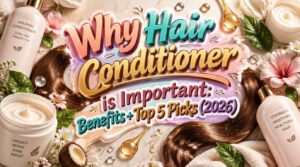
Skipping conditioner after shampoo is one of the most common mistakes I see as a trichologist, and it costs your hair more than you’d think. Shampoo lifts the cuticle and strips protective lipids, leaving each strand rough, porous, and vulnerable. Without conditioner, that cuticle stays open, meaning friction, breakage, and moisture loss every day.
Conditioner isn’t a softening step. It deposits film-forming polymers and lipids that seal the cuticle, lock in moisture, and buffer hair from heat and mechanical stress. Knowing why hair conditioner is important starts with understanding what your strands need between washes.
Table Of Contents
- Key Takeaways
- Why is Hair Conditioner Important for Healthy Hair?
- How Conditioner Hydrates, Strengthens, and Protects Hair
- Choosing and Using The Right Conditioner for Your Hair Type
- Top 5 Conditioners for Healthier Hair
- Frequently Asked Questions (FAQs)
- Is it really necessary to use hair conditioner?
- What happens if I don’t use conditioner?
- How do I tell if my hair needs conditioner?
- How often should you use conditioner?
- Can conditioner be used on the scalp directly?
- Does conditioner weigh down fine or thin hair?
- How does conditioner affect hair styling products?
- Is it okay to skip conditioner occasionally?
- Are natural conditioners as effective as synthetic ones?
- Can you use conditioner without shampooing first?
- Conclusion
Key Takeaways
- Shampoo lifts your hair cuticle and strips protective oils, so skipping conditioner leaves strands open to friction, breakage, and moisture loss every wash.
- Conditioner works by depositing charged polymers and lipids that seal the cuticle, lock in moisture, and buffer hair from heat and mechanical stress — it’s structural repair, not just softening.
- Matching conditioner to your hair’s porosity matters more than the brand: low-porosity hair needs lightweight formulas, while high-porosity hair absorbs and benefits from richer, heavier treatments.
- Wet hair is roughly 30% weaker than dry hair, making consistent conditioning after every wash the single highest-impact habit for reducing long-term breakage and dullness.
Why is Hair Conditioner Important for Healthy Hair?
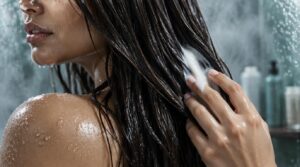
In the shower, your hair is at its most vulnerable. Wet strands swell, cuticles lift, and every pass of a comb can scrape away that protective outer layer. That’s where conditioner earns its keep. It deposits a thin film that smooths the cuticle, so strands slide past each other instead of snagging (goodbye, knots you yank out in frustration).
Pairing that smoothing effect with a wide-tooth comb through conditioner-coated hair takes the process even further, letting you work out tangles without dragging or snapping weakened strands.
Conditioner earns its keep by smoothing lifted cuticles so strands glide past each other instead of snagging
The payoff is real: easier hair detangling, less tugging, and noticeably better hair breakage prevention over time. A flat, even surface also means light bounces back cleanly, so you get more hair shine and easier hair frizz control without extra styling effort.
Skip it, and rough, lifted cuticles keep the cycle going: more friction, more snapping, more dullness. Two minutes of conditioning quietly breaks it.
A cuticle-smoothing repair conditioner gives those two minutes real muscle, targeting roughed-up strands before damage compounds.
How Conditioner Hydrates, Strengthens, and Protects Hair
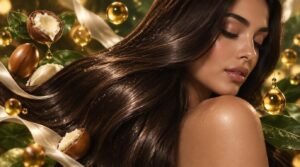
That smoothing film I mentioned? It’s doing three jobs at once, and knowing them helps you spot a conditioner worth your money.
- Hydration: Cationic conditioners carry a positive charge that locks onto your negatively charged strands, improving moisture retention inside the cuticle. Emollients then seal the surface so water doesn’t evaporate as fast.
- Strength: Film-forming polymers add flexibility, so fibers bend instead of snap. Protein formulas go further, shoring up weak spots for real hair strength gains (and easier handling, since strong hair tangles less).
- Protection: Deposited lipids lower water permeability and buffer heat styling, giving you genuine hair protection between washes.
One honest note: true cuticle repair is mostly surface-level, and benefits fade after several washes. Consistency beats intensity, which is why regular hair hydration matters more than an occasional deep-treatment miracle.
Choosing and Using The Right Conditioner for Your Hair Type
So which bottle actually fits your hair? Start with porosity. Low-porosity hair repels water, so lightweight formulas absorb better; high-porosity hair drinks up richer moisturizers and holds them longer.
Quick cheat sheet:
- Fine hair: lightweight, rinse-clean formulas; heavy masks flatten everything
- Curly hair: creams and masks for definition and frizz reduction
- Dry, straight hair: a weekly mask plus a daily leave-in
- Color-treated hair: UV-protective, color-safe conditioning
Application matters as much as the label. Mid-length to ends only, since roots get greasy fast. With masks, add gentle heat (a shower cap works) for 5–15 minutes to boost penetration, then finish with 20–30 seconds of cool water to seal the cuticle. And if protein leaves your hair stiff, alternate with moisture-focused conditioning.
For an extra boost after rinsing, certain hair-growth-supporting ingredients can complement your protein routine and keep strands strong from root to tip.
Top 5 Conditioners for Healthier Hair
You’ve got the theory down, so let’s talk products. I’ve pulled together five conditioners I actually recommend to clients, covering everything from deep masks to leave-ins. Whether your hair is parched, frizz-prone, or just tired of the daily grind, there’s a match for your hair type below.
If you’re dealing with seriously dry strands, a deep moisture hair conditioner can be the difference between hair that survives wash day and hair that actually thrives.
1. Shea Moisture Hair Mask
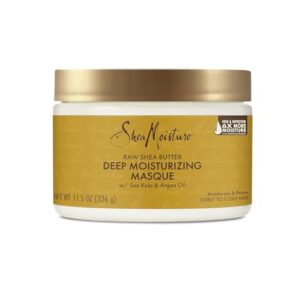
Picture your coils on day three: crunchier than autumn leaves, drinking nothing you give them. That’s when I reach for the Shea Moisture Hair Mask.
The star is certified organic shea butter, which forms a seal over your strands and slows moisture loss for up to 48 hours. Argan oil and sea kelp smooth the cuticle, so light bounces back and shine follows. Hydrolyzed proteins strengthen weakened spots, boosting tensile strength where breakage usually starts.
It’s made for curl types 3A through 4C, and it’s free of sulfates, parabens, mineral oil, and silicones. Fair Trade ingredients, cruelty-free practices.
My advice: apply to damp hair, mid-length to ends, wait 5 to 15 minutes, rinse. Once a week is plenty. Fair warning, some users find the fragrance strong, and detangling results vary.
| Best For | People with curly hair types 3A through 4C transitioning from chemically processed to natural hair who need deep weekly hydration. |
|---|---|
| Product Type | Deep Hair Mask |
| Key Ingredient | Organic Shea Butter |
| Best For | Curly Hair 3A-4C |
| Rinse-Out | Yes |
| Fragrance | Strong |
| Application Area | Mid-length to ends |
| Additional Features |
|
- Certified organic shea butter seals in moisture and slows moisture loss for up to 48 hours
- Free of sulfates, parabens, silicones, mineral oil, and other harsh ingredients
- Argan oil and sea kelp smooth the cuticle for added shine and softness
- Some users report their hair feels worse after use
- The fragrance is too strong for some customers
- Detangling results are inconsistent
2. Moroccanoil Hydrating Mask
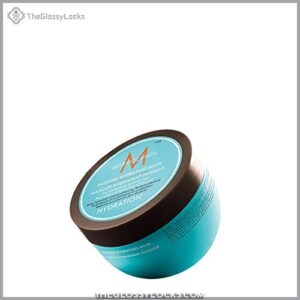
Five to seven minutes is all this mask asks of you, and it repays the favor: up to 6.5 times more moisture and 85% smoother strands. That’s the promise behind Moroccanoil Hydrating Mask, a rich conditioning treatment built around argan oil.
Here’s why it works. Antioxidants in the oil shield your hair while emollients lock in water and curb moisture loss, sealing the cuticle so frizz doesn’t stand a chance in humid weather. It even offers light protection against heat styling up to 450°F.
Use it once or twice weekly on towel-dried hair, mid-length to ends. Over 90% of users report softer, shinier hair within four weeks. One caveat: if your hair is fine, use a small amount so it doesn’t weigh strands down.
| Best For | People with thick, dry, or frizzy hair who want a quick five-to-seven-minute conditioning treatment that delivers deep hydration and lasting shine. |
|---|---|
| Product Type | Hydrating Mask |
| Key Ingredient | Argan Oil |
| Best For | Thick, Dry, Frizzy Hair |
| Rinse-Out | Yes |
| Fragrance | Moderate |
| Application Area | Mid-length to ends |
| Additional Features |
|
- Delivers up to 6.5 times more moisture and 85% smoother strands in just five to seven minutes
- Argan oil formula with antioxidants and emollients that seal the cuticle and fight frizz, even in humidity
- Over 90% of users report softer, shinier hair within four weeks
- Can feel heavy on fine hair if overused, so a small amount is required
- Pricier than some alternative masks on the market
- Needs careful application to mid-length and ends only to avoid weighing hair down
3. OUAI Leave Conditioner Heat Protectant
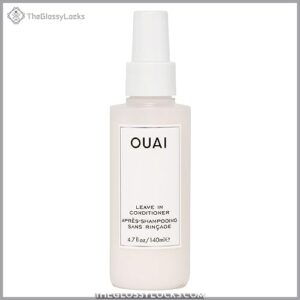
Heat styling tools are where most hair damage happens, and this leave-in is your insurance policy. It guards strands against heat up to 450°F, so your flat iron can’t cook your cuticle.
The formula pulls double duty: an amino acid mix and tamarind seed extract detangle while vitamin E controls frizz and flyaways. You get smoother blow-drys with less friction, which means less breakage too.
Application is simple. Work one to two pumps through damp hair from mid-length to ends, then style. Skip your roots (residue city, and fine hair loses volume fast).
Fair warning: it’s 5.76 ounces of product at a premium price, and the fragrance is noticeable. If your hair runs oily, go lighter.
| Best For | People who regularly use heat styling tools and want a leave-in that detangles, fights frizz, and protects hair up to 450°F without weighing it down. |
|---|---|
| Product Type | Leave-In Treatment |
| Key Ingredient | Amino Acid Blend |
| Best For | Heat-Styled Damaged Hair |
| Rinse-Out | No |
| Fragrance | Noticeable |
| Application Area | Mid-length to ends |
| Additional Features |
|
- Protects hair from heat damage up to 450°F, making it a solid pre-styling primer
- Detangles with an amino acid blend and tamarind seed extract while vitamin E tames frizz and flyaways
- Hydrates dry, damaged hair and smooths split ends without heaviness
- Many customers find the price high for the 5.76-ounce size
- May not suit very oily hair types
- The fragrance is noticeable, which could bother scent-sensitive users
4. Paul Mitchell Conditioner LeaveIn
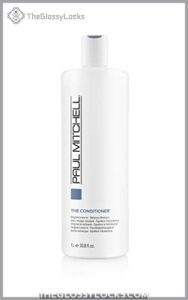
There’s a moment mid-blow-dry when your brush glides instead of snagging, and that’s exactly what this one buys you. Paul Mitchell’s leave-in pairs white ginger and aloe with conditioning silicones, so you get slip, lightweight moisture, and a bit of heat protection in one quick spritz. Focus it on mid-lengths and ends, where breakage and frizz actually start.
It’s paraben-free, vegan, and color-safe, and consumers rate it 4.6 stars, mostly for detangling and shine. One heads-up: the thick formula gets stubborn once the bottle’s half empty, so shake hard and store it upside down. Worth it.
| Best For | Anyone with frizz or tangles who wants a lightweight, color-safe leave-in that adds slip and moisture without weighing hair down. |
|---|---|
| Product Type | Leave-In Spray |
| Key Ingredient | White Ginger & Aloe |
| Best For | Frizzy, Tangled Hair |
| Rinse-Out | No |
| Fragrance | Variable |
| Application Area | Mid-length to ends |
| Additional Features |
|
- Detangles easily and leaves hair soft, smooth, and shiny
- Lightweight formula with heat protection that works on all hair types
- Paraben-free, vegan, and color-safe
- Thick formula becomes hard to dispense once the bottle is half empty
- Some customers report a chemical or unpleasant scent after packaging changes
- Requires vigorous shaking or squeezing to extract remaining product
5. OGX Tea Tree Mint Conditioner
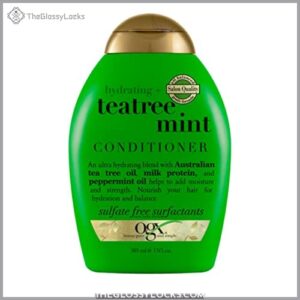
That sharp, cooling rush of peppermint and tea tree oil hits you the second you crack open the bottle. OGX Tea Tree Mint Conditioner is sulfate-free and paraben-free, which matters if your scalp runs sensitive. Australian tea tree oil and milk protein condition hair fibers while peppermint delivers that invigorating scalp tingle.
At 13 fluid ounces, it won’t drain your budget fast. Some users report dryness or greasiness, so it suits normal to fine hair best. Think of it as a daily invigorating option, not a deep treatment. For lightweight hydration with a long-lasting scent and scalp clarity, it earns its spot.
| Best For | People with normal to fine hair who want a lightweight, refreshing daily conditioner that invigorates the scalp and leaves hair smelling clean. |
|---|---|
| Product Type | Conditioning Treatment |
| Key Ingredient | Tea Tree & Peppermint Oil |
| Best For | All Hair Types |
| Rinse-Out | Yes |
| Fragrance | Long-Lasting |
| Application Area | All hair and scalp |
| Additional Features |
|
- Sulfate-free and paraben-free formula makes it gentle on sensitive scalps
- Peppermint and tea tree oil deliver a satisfying, invigorating tingle with a long-lasting scent
- Milk protein helps nourish and strengthen hair without a heavy feel
- Some users find it leaves hair feeling dry or greasy, so results vary by hair type
- Dandruff relief is hit or miss — it’s not a reliable treatment for everyone
- The squeeze bottle design can be frustrating and awkward to use
Frequently Asked Questions (FAQs)
Is it really necessary to use hair conditioner?
Short answer: yes, mostly. Conditioner reduces friction between strands after washing strips your natural oils. Without it, detangling becomes harder, frizz increases, and breakage follows. Longer or coarser hair? You’ll definitely notice the difference immediately.
What happens if I don’t use conditioner?
Around 60% of women with dry hair report worse frizz and more breakage after skipping conditioner. Hair moisture evaporates faster without that protective film, hair elasticity weakens, and every brushing session quietly compounds the damage.
How do I tell if my hair needs conditioner?
Your hair tells you plainly: rough texture, tangles that won’t budge, and flyaways after washing all signal it’s thirsty for moisture. Breakage and dullness confirm it. When detangling feels like a real battle, condition more.
How often should you use conditioner?
Funny how we all desperately want a single magic number. Conditioner frequency depends on your hair: dry, curly, or treated types need conditioner every wash, while fine or oily hair does better every other wash.
Can conditioner be used on the scalp directly?
Most conditioners are formulated for hair shafts, not your scalp skin. Applying them directly at the roots risks buildup, excess oiliness, or irritation. Stick to mid-lengths and ends unless your product specifically permits scalp use.
Does conditioner weigh down fine or thin hair?
Yes, it can. Heavy formulas and root application deposit too much conditioning film on fine strands, causing flatness and greasiness. Stick to lightweight conditioners, apply from mid-lengths to ends only, and clarify regularly to reset.
How does conditioner affect hair styling products?
Think of it as the most essential prep work. Hydrated cuticles create a smoother surface for your styling products, so they grip better, spread more evenly, and leave far less frizz or product flaking behind.
Is it okay to skip conditioner occasionally?
Skipping conditioner once is fine, but hair friction increases measurably without it, making frizz harder to control. Missing moisturizing steps habitually leaves cuticles rougher, and detangling becomes a real struggle for dry or curly hair.
Are natural conditioners as effective as synthetic ones?
It depends on your hair type. Natural conditioners excel at scalp sensitivity and long-term care, while synthetics deliver consistent slip and hydration much faster. Your priorities, whether performance or clean ingredients, should guide your pick.
Can you use conditioner without shampooing first?
You can, but buildup stays put. Without shampoo removing oils and product residue first, your conditioner distributes unevenly and can feel considerably heavier. Curly or coily hair controls this best; fine hair types usually won’t.
Conclusion
Wet hair is roughly 30% weaker than dry hair, and skipping conditioner locks in that vulnerability every single time you shampoo. That one step is what separates a strand that bounces back from one that snaps right off.
Understanding why hair conditioner is important means treating it as the reset button your cuticle needs, not a bonus step. Get the formula right, apply it every wash, and your hair will feel the difference within weeks.