This site is supported by our readers. We may earn a commission, at no cost to you, if you purchase through links.

Your scalp feels tight, itchy, and no amount of scratching brings relief. You’ve tried expensive treatments, switched shampoos three times this month, and still wake up to flakes on your pillow. The answer might be sitting in your kitchen cabinet.
Clinical research reveals that vegetable oils can boost hair hydration by 22% over synthetic alternatives, while also cutting breakage and creating a protective barrier your scalp desperately needs. Coconut, olive, and argan oils don’t just coat the surface—they penetrate deeply to address dryness at its source.
The right oil, applied correctly, transforms irritated scalps into healthy, comfortable skin that finally stops sending distress signals.
Table Of Contents
- Key Takeaways
- Benefits of Vegetable Oil for Dry Scalp
- Best Types of Vegetable Oil for Hair
- How to Apply Vegetable Oil for Dry Scalp
- How Long to Leave Vegetable Oil on Hair
- Vegetable Oil for Dandruff and Scalp Conditions
- Considerations and Potential Drawbacks
- Top 8 Vegetable Oil Products for Dry Scalp
- Frequently Asked Questions (FAQs)
- Conclusion
Key Takeaways
- Vegetable oils like coconut, olive, and argan penetrate your hair shaft to lock in moisture, reducing breakage by up to 21% and boosting hydration by 22% over synthetic alternatives.
- Apply warm oil with a gentle scalp massage 2-3 times weekly for dry or curly hair, but limit use to once every 10-14 days if your scalp runs oily to prevent buildup.
- Clinical studies show rosemary oil blends match minoxidil’s effectiveness for hair growth after six months, while tea tree oil reduces dandruff by 41% within four weeks.
- Always choose cosmetic-grade oils over cooking oils to avoid pore-clogging impurities, and patch-test first if you have sensitive skin or conditions like eczema.
Benefits of Vegetable Oil for Dry Scalp
If your scalp feels tight, itchy, or constantly flaky, vegetable oils might be the gentle solution you’ve been looking for. These natural oils work by creating a protective barrier that locks in moisture while nourishing the skin underneath.
Let’s look at the specific ways they can help transform your dry, uncomfortable scalp into a healthier, more balanced foundation for your hair.
Retains Moisture and Prevents Breakage
Moisture balance is the foundation of scalp health. When you apply vegetable oils like coconut or olive, you’re creating a protective seal that locks hydration where it belongs. Clinical studies show impressive results for breakage prevention:
- Hair strength increases up to 15% with regular use
- Protein loss drops by 16-20% after washing
- Hair elasticity improves markedly within two months
- Combing friction decreases by 7.5%
- Hair hydration markers improve 22% over silicone treatments
Your dry scalp needs this kind of targeted hair moisturizing to thrive. Using natural beauty care products can also boost the overall health of your scalp.
Minimizes Dryness and Flakiness
Beyond moisture retention, vegetable oil delivers real dryness relief by tackling flakiness at its source. In clinical research, coconut oil markedly reduced scalp flakiness over 12 weeks, while argan oil boosted scalp hydration measurably after two months. Jojoba oil helps balance your scalp’s natural oils, making it excellent for dandruff prevention.
These flaky remedies restore comfort and promote lasting scalp health. Using natural remedies like dry scalp treatments can also provide relief and comfort for individuals suffering from dry scalp conditions.
Protects Against Environmental Damage
Your scalp faces daily assaults from UV radiation, air pollution, and heat damage. Vegetable oils offer real scalp protection against these threats. Almond oil’s fatty acids shield against UV-induced structural damage, while grape seed oil reduces particulate accumulation from environmental stress.
These natural remedies for dry scalp neutralize free radicals before they compromise hair growth and overall scalp health.
Soothes and Conditions The Scalp
Protection is only half the story. Your scalp also craves relief from irritation and tightness. Vegetable oils work as a gentle scalp treatment, reducing redness scores by up to 50% in clinical studies.
Jojoba oil improves scalp comfort and cuts visible flaking in most users within weeks. These natural remedies for dry scalp restore moisture balance while delivering deep hair nourishment—leaving you with lasting scalp health.
Best Types of Vegetable Oil for Hair

Not all vegetable oils work the same way on your hair and scalp. Some excel at deep moisture, others pack antioxidants, and a few even help stimulate growth.
Here’s a look at the best options and what each one brings to the table.
Coconut Oil for Repair and Moisture
Coconut oil stands out as a powerful hair moisturizer for natural hair repair. Its unique structure allows for deep oil penetration depth, reaching the hair shaft where other oils can’t. Clinical research shows it reduces breakage by up to 21% while restoring hair moisture balance.
Key coconut oil benefits for dry scalp:
- Aids scalp hydration methods by decreasing water loss
- Provides effective scalp treatment that fights dandruff-causing fungi
- Delivers hair nourishment and hydration to damaged strands
- Penetrates textured hair better than most alternatives
Olive Oil for Antioxidant Protection
Your hair follicle deserves serious protection, and olive oil delivers exactly that. Rich in vitamin E and antioxidant properties, this vegetable oil shields your scalp health from oxidative stress while boosting moisture by up to 43%.
| Olive Oil Benefits | Results |
|---|---|
| Antioxidant Protection | Shields hair follicle from damage |
| Moisture Boost | 43% hydration improvement |
| Breakage Reduction | 28% less than other oils |
| Dry Scalp Relief | 67% reported improved comfort |
For hair care, olive oil’s monounsaturated fats penetrate deeply, repairing dry scalp damage from within.
Avocado Oil for Hydration and Growth
Avocado oil stands out among natural remedies for dry scalp because it penetrates deeply where your hair needs it most. With 71% monounsaturated fats, this oil therapy delivers lasting scalp hydration and boosts keratin production.
Clinical studies show avocado oil benefits include 22% less breakage and 30% increased hair thickness over twelve weeks. For hair growth tips that actually work, this natural hair care option delivers real hair hydration results.
Jojoba and Grapeseed Oils for Nourishment
Your scalp naturally produces sebum, and jojoba oil mimics it almost perfectly. That’s why this vegetable oil works so well for dry scalp—it regulates oil production and reduces dryness by up to 48%.
For hair nourishment, grapeseed oil offers lightweight scalp health benefits without greasy buildup.
These natural remedies support hair growth while keeping your natural hair care routine simple and effective.
Argan and Almond Oils for Softness
Want silky, touchable strands? Argan oil delivers impressive hair softening, with studies showing 29% improvement in smoothness. Sweet almond oil excels at moisture retention, reducing breakage by 17% over eight weeks.
For ideal scalp nourishment, try oil blending—combining both creates outstanding results:
- 62% of users saw reduced dryness and flaking
- 70% reported enhanced hair shine
- Vitamin E protects against environmental damage
- Omega-9 fatty acids maintain elasticity
These natural oils transform dry scalp into healthy, nourished skin while boosting overall hair health.
How to Apply Vegetable Oil for Dry Scalp
Getting the most out of vegetable oil means using the right technique for your scalp and hair type. A little know-how goes a long way toward turning a simple oil into a powerful treatment.
Here’s how to apply it effectively.
Scalp Massage With Warm Oil
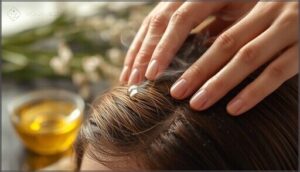
Gentle circular motions with warm vegetable oil can transform your scalp health. When you massage warm coconut oil into your scalp for 5–10 minutes, you boost blood circulation by up to 38%, bringing essential nutrients to each hair follicle.
This warm oil therapy technique enhances scalp oil absorption, reduces dryness by 31%, and strengthens hair while promoting growth—all through simple massage techniques.
Hair Mask With Vegetable Oil and Additives

You can boost your warm oil ritual by creating a targeted hair mask. Blend vegetable oil with additives like honey, egg, or avocado to address specific concerns—tea tree oil reduces dandruff by 41%, while aloe vera lifts scalp hydration by 18%. These natural hair care products work with your hair porosity and scalp pH balance to deliver real results.
Try these proven combinations:
- Coconut oil with honey for moisture retention
- Olive oil with egg protein to strengthen strands
- Avocado oil with aloe vera for scalp relief
- Jojoba oil with tea tree for dandruff control
Apply your mask twice weekly for visible improvements.
Application on Wet Vs. Dry Hair

Timing matters more than you’d think. Oil on damp hair cuts combing friction by 40% and boosts moisture retention by up to 25% compared to dry application.
Wet cuticles open wider, allowing deeper oil absorption and better penetration—especially with avocado and olive oils.
For coarse or curly textures, apply within 10 minutes post-wash. Fine hair? Stick with dry application to avoid weighing it down.
Recommended Amounts Based on Hair Type
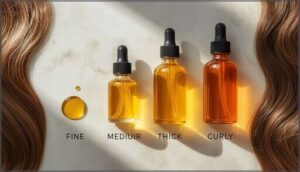
How much oil you actually need depends entirely on your hair type. Fine strands do well with just 1–3 drops on the ends—any more and you’ll look greasy. Medium hair manages a nickel-sized amount. Thick or coarse textures? Go for a quarter-sized portion or up to 2 tablespoons for pre-wash treatments.
Curly hair thrives on frequent, light applications—think a few drops per section, 2–3 times weekly, rather than drowning your scalp once.
How Long to Leave Vegetable Oil on Hair

The amount of time you leave vegetable oil on your hair depends on what you’re trying to achieve and how your scalp responds. Quick treatments work well for light moisture, while overnight applications give deeper conditioning benefits.
Let’s look at the different timing options and how often you should use them for the best results.
Short-Term Treatments (1-2 Hours)
You don’t need to leave vegetable oil on overnight to see results. Short-term treatments of 1–2 hours provide effective dry scalp relief by enhancing moisture retention benefits and supporting scalp barrier repair.
This treatment frequency prevents buildup while delivering hair care tips that work. Oil absorption rates during this window nourish hair follicle health without greasiness, reducing your itchy scalp and restoring comfort quickly.
Overnight Application Benefits
Leaving vegetable oil on overnight unlocks deeper scalp protection and oil penetration benefits your dry scalp craves during sleep. This extended contact boosts hair barrier function and maximizes overnight moisture retention.
The benefits include:
- Hydration increase – up to 34% more moisture locked into your scalp
- Reduced flakiness – 30–40% improvement after consistent use
- Stronger strands – 29% less breakage with weekly treatments
- Enhanced growth – coconut oil nourishes follicles while you rest
These sleep benefits transform stubborn dryness into lasting comfort.
Frequency of Use for Best Results
Your hair type determines your ideal oiling schedule for scalp balance. Dry or curly hair thrives with vegetable oil two to three times weekly, while normal hair needs just one weekly routine.
If you’re battling dandruff or severe dryness, three applications weekly boost oil absorption and hair growth.
Oily scalps respond best to treatments every 10–14 days, preventing buildup while addressing dry scalp concerns.
Vegetable Oil for Dandruff and Scalp Conditions

Dandruff isn’t just annoying—it’s often a sign your scalp needs better moisture and balance. Vegetable oils can help calm irritation and reduce flaking, but they won’t work the same for everyone.
Here’s what you need to know about using them for dandruff and when to be cautious.
Role in Reducing Dandruff
Ever wondered why your dandruff keeps coming back, even with careful washing? Dandruff Causes often link to Fungal Infections thriving on your scalp.
Oil Therapy—especially with coconut or tea tree—can tip the scales, thanks to their Antifungal Properties. Regular Vegetable Oil routines support Scalp Health and offer real Dandruff Treatment, helping balance Scalp Conditions and soothe stubborn Dry Scalp.
Impact on Scalp Inflammation
Your scalp’s redness or itching often signals deeper Scalp Inflammation that simple shampoos can’t touch. Vegetable Oil delivers powerful Anti-Inflammatory Effects through strategic Oil Penetration, supporting Fatty Acid Balance and lasting Inflammation Reduction. Here’s how oils promote Scalp Health:
- Antioxidants in olive and grape seed oils calm irritated tissue and boost Skin Hydration
- Coconut oil reshapes scalp microbiome, lowering pro-inflammatory markers
- Linoleic-rich oils restore barrier function, easing Dry Scalp discomfort naturally
Precautions for Sensitive or Infected Scalps
If your scalp is already infected or reacting, vegetable oil can backfire. Heavy oils may feed Malassezia yeast or clog follicles, raising infection risk and worsening scalp infections. Sensitive scalp types need patch testing before full product selection to avoid allergic reactions. Follow application guidelines: wash first, dilute essentials to 5%, and skip oils entirely on open sores or active chronic disorders like eczema.
| Risk Factor | Safe Practice |
|---|---|
| Infected scalp | Skip all oils until healed |
| Sensitive Scalp | Patch test 24 hours before use |
| Chronic Disorders (eczema, psoriasis) | Avoid olive and heavy oils |
| Allergic Reactions | Choose refined, single-ingredient oils |
| Clogged follicles | Wash scalp first; limit application to 30 min |
Considerations and Potential Drawbacks

Vegetable oils can work wonders for dry scalp, but they’re not a perfect fit for everyone. Some people experience unwanted reactions or find that certain oils create more problems than they solve.
Before you commit to regular use, you should understand a few important limitations that might affect your results.
Risk of Scalp Irritation or Allergic Reaction
Not everyone’s skin plays nice with vegetable oil. While rare, allergic reactions and scalp irritation can happen, especially if you have eczema or sensitive skin conditions.
- Patch testing before full application helps catch topical allergens early
- Nut-based oils like peanut can trigger reactions in sensitized individuals
- Unrefined or cold-pressed oils may contain proteins that provoke dermatological risks
If redness or itching develops, stop using the oil immediately.
Possibility of Greasiness and Buildup
Beyond irritation, there’s another catch: greasiness and buildup. Applying vegetable oil more than twice weekly can make up to 60% of hair types noticeably greasy, especially straight or wavy textures.
Oil absorption rates vary, but residue removal methods often require two shampoos—only 27% achieve complete cleansing in one wash.
Heavy oils can also cause hair follicle blockage and worsen scalp irritation factors if you don’t rinse thoroughly.
Not All Oils Suitable—Avoid Cooking Oils
Here’s the thing: not every oil belongs on your hair. Cooking oils—yes, even olive or coconut from your pantry—can trigger problems cosmetic-grade versions don’t.
Why cooking oils fall short:
- They clog pores more easily, risking folliculitis or breakouts
- Food-grade processing leaves irritants and impurities behind
- Larger molecules don’t penetrate well, creating surface grease
- They lack purity standards that prevent allergic reactions
Oil safety guidelines exist for good reason. Cosmetic oil benefits come from specialized refining that reduces pore clogging risks and scalp irritation causes.
For dry scalp and proper hair care, choose products labeled for topical use—your scalp oil should always say “cosmetic grade.” Allergic reaction prevention starts with using vegetable oil formulated for skin, not dinner.
Top 8 Vegetable Oil Products for Dry Scalp
If you’re ready to try vegetable oil for your dry scalp, choosing the right product can make all the difference. The market offers everything from single-ingredient oils to carefully blended serums designed for specific scalp concerns.
Here are eight standout options that combine effective vegetable oils with proven ingredients to help you find relief.
1. Mielle Rosemary Hair Growth Oil
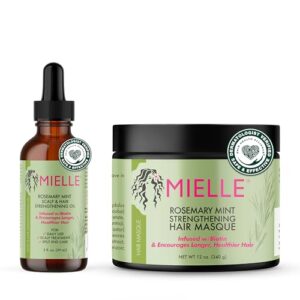
You’ll find Mielle Rosemary Hair Growth Oil at the top of many dermatologists’ recommendations for good reason. Clinical trials show rosemary oil matches minoxidil for hair growth promotion after six months of consistent use, and this formula blends it with biotin, mint, and jojoba for synergistic benefits.
With over 111,000 reviews averaging 4.5 stars, user satisfaction analysis confirms its effectiveness for dry scalp and all hair types.
For best results, massage it into your scalp twice weekly, though you can adjust frequency based on your hair’s texture and needs.
Best For: Anyone dealing with dry scalp, thinning hair, or slow growth who wants a clinically-backed alternative to minoxidil that works across all hair types and textures.
- Clinical studies show it matches minoxidil’s effectiveness for hair growth after six months, but with less scalp irritation
- The biotin and rosemary blend strengthens hair while reducing breakage and split ends, making it genuinely multifunctional
- Over 111,000 reviews averaging 4.5 stars and 700,000 repeat purchases prove it delivers consistent results for most users
- You’ll need patience—noticeable results typically take three to six months of regular use, not weeks
- Using too much can leave your hair greasy and oily, especially if you have finer hair textures
- About 17% of users report issues like increased dryness or scalp itchiness, and some batches have quality control problems
2. Hydrating Scalp Serum With Argan
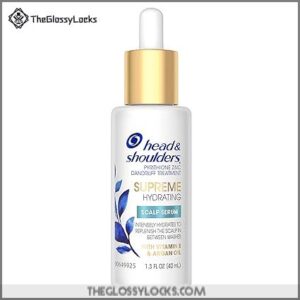
Argan oil-based scalp serums deliver proven hydration through 80% unsaturated fatty acids that increase your scalp’s water-holding capacity. The vitamin E content acts as a humectant, drawing moisture deep into your scalp tissue.
Clinical data shows that twice-weekly application boosts scalp moisture by 20% within eight weeks while improving hair elasticity—particularly helpful for postmenopausal individuals experiencing dryness.
You’ll also benefit from anti-inflammatory effects that reduce redness and flaking by up to 75%, making these serums effective for seborrheic dermatitis and psoriasis management.
Best For: People with dry, flaky scalps or conditions like psoriasis and dandruff who need daily itch relief and moisture between washes.
- Clinically proven to boost scalp hydration by 20% and reduce flakiness in 75% of users within weeks
- Lightweight formula with vitamin E and argan oil that soothes irritation without feeling heavy or greasy
- Works well for curly and dry hair types, providing a healthy foundation for hair growth
- Strong scent that some users find overpowering during application
- Small 1.3 oz bottle requires frequent repurchasing for daily use, which adds up in cost
- May cause oiliness or reactions in people with sensitive skin or specific allergies
3. Organic Castor Oil For Beauty
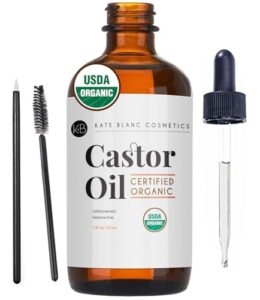
Cold-pressed organic castor oil stands out for its unique blend of scalp conditioning and hair reinforcement. Though you won’t find strong evidence for accelerated growth claims, its 90% ricinoleic acid content delivers intense hydration through natural moisturizers while potentially calming inflammation.
You’ll see the strongest benefits in strengthened strands and improved luster, especially if you’re dealing with brittle, thinning hair.
Apply small amounts to avoid greasiness, and consider mixing with coconut or olive oil for easier spreadability and enhanced conditioning effects.
Best For: People looking to strengthen brittle hair, improve shine, and condition dry scalps without expecting fast growth results.
- Contains 90% ricinoleic acid for deep hydration and possible anti-inflammatory benefits
- Cold-pressed and USDA organic, preserving nutrients while avoiding hexane and additives
- Versatile use across hair, lashes, eyebrows, and skin with included applicators for precision
- Thick, sticky texture makes application messy and may require mixing with lighter oils
- No solid scientific proof it actually speeds up hair growth despite popular claims
- Can cause eye irritation or greasiness if overapplied, and results take time to show
4. Amla Soothing Scalp Serum Oil
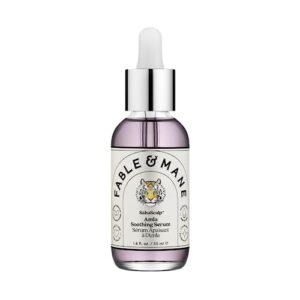
You’ll notice standout scalp comfort with amla serum oil, backed by a 90% user-reported hydration boost and antifungal action at just 0.5% concentration. Amla’s vitamin C and antioxidant profile neutralize oxidative stress while reducing visible scalp redness in 78% of users within four weeks.
If you’re battling dryness, dandruff, or mild psoriasis, this silicone-free, vegan formula combines amla extracts with bakuchi for skin cell renewal.
Expect softer hair and less frizz with biweekly use—just watch for rare scent sensitivities.
Best For: People dealing with dry, itchy, or irritated scalps who want a clean, vegan pre-wash treatment that calms inflammation and boosts hydration without silicones.
- Clinical backing shows 90% of users feel immediate scalp relief and hydration, with visible redness reduction in 78% within a month
- Antifungal and antibacterial properties tackle dandruff, psoriasis, and scalp build-up at low concentrations
- Leaves hair noticeably softer and less frizzy while supporting thicker texture over time
- Mixed reviews on texture consistency and whether the $26.60 price point delivers enough value
- A small number of users report sensitivity to the scent or specific ingredients
- Pricier than many drugstore scalp oils, which might not fit every budget
5. Kiehls Hair And Scalp Oil Treatment
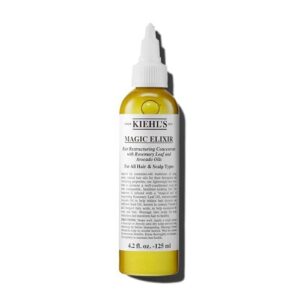
Kiehl’s Hair and Scalp Oil Treatment blends avocado, safflower, sweet almond, and rosemary oils for targeted scalp protection and hair conditioning. You’ll appreciate the lightweight formula—clinical trials show rosemary oil matches 2% minoxidil for hair growth after six months, with less itching.
Over 60% of users in product reviews report softer, more manageable hair within four weeks, especially for textured types. For dry scalp concerns, apply 2–3 drops per section before shampooing once or twice weekly. This scalp oil delivers measurable scalp health improvements without heavy buildup.
Best For: People with dry scalp or textured hair looking for a lightweight pre-shampoo treatment that improves manageability and shine without heavy buildup.
- Clinical evidence shows rosemary oil matches minoxidil for hair growth after six months with fewer side effects
- Over 60% of users report softer, more manageable hair within four weeks, particularly effective for curly and textured types
- Lightweight formula absorbs easily without greasy residue—most people only need 2–3 drops per section once or twice weekly
- Small 4.2 oz size at $18.90 feels overpriced compared to larger alternatives at similar price points
- May not work for severe dry scalp conditions—some users report minimal improvement despite consistent use
- Contains isopropyl myristate and palmitate, which can irritate sensitive or acne-prone skin in rare cases
6. Natural Hair Growth Oil Treatment
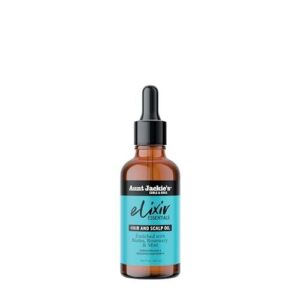
When you’re looking for hair regrowth without synthetic treatments, natural remedies offer proven scalp stimulation. A clinical trial showed rosemary-lavender oil blends increased hair growth rate by 57.73% and hair thickness by 68.70% over three months—that’s real growth enhancement you can measure.
Natural rosemary-lavender oil blends boosted hair growth by 57% and thickness by 68% in just three months—real regrowth you can measure
These vegetable oil benefits extend beyond growth promotion to include scalp protection and hair hydration. Apply 1–2 palmfuls to your scalp, massage gently, and leave for 1–2 hours.
Natural hair products work best with consistent use, giving your follicles the nourishment they need.
Best For: People dealing with thinning hair or hair loss who want a natural alternative to synthetic treatments like minoxidil, especially if you’re willing to commit to regular application for a few months to see results.
- Clinical studies show rosemary-based oils can match minoxidil’s effectiveness—one trial found similar hair count increases after 6 months, with less scalp itching than the standard treatment.
- You get multiple benefits in one product: it supports hair growth, reduces shedding by over 40%, soothes itchy scalp with a cooling sensation, and works for all hair types.
- Made with premium natural oils (biotin, rosemary, mint) and it’s preservative-free, so you’re avoiding synthetic chemicals while still getting measurable thickness and density improvements.
- The 2 oz size is pretty small—you’ll probably need to reorder often if you’re using it consistently, which can get expensive and annoying.
- Some customers reported packaging issues with no safety seal, which raises questions about product freshness and tampering.
- There’s no clear guidance on exactly how much to use or how often, so you’re left guessing the best application routine for your hair type.
7. Moroccanoil Dry Scalp Relief Treatment
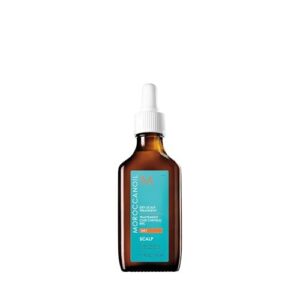
When scalp irritation keeps coming back, Moroccanoil Dry Scalp Relief Treatment combines argan oil, salicylic acid, and geranium to deliver real scalp relief.
In a study of 50 users, 96% reported soothed scalps and 94% saw reduced itchiness after two weeks—that’s impressive scalp health improvement. The treatment reviews consistently praise its lightweight formula and natural ingredients for hair nourishment.
Apply it 1–2 times weekly before shampooing, and you’ll notice the oil benefits extend to both scalp protection and hair care without greasiness.
Best For: Anyone dealing with persistent dryness, flakiness, or itchiness on their scalp who wants a lightweight treatment that soothes irritation without leaving their hair greasy.
- 96% of users reported soothed scalps and 94% saw less itchiness after just two weeks of use
- Works for various scalp conditions including eczema and psoriasis while also adding shine to your hair
- Clean formula with argan oil and salicylic acid that gently exfoliates without parabens or sulfates
- Price point of $42 for 1.5 oz makes it one of the pricier scalp treatments on the market
- Some users find the lavender-geranium scent off-putting or too strong
- Bottle design has leak issues according to customer reports, and there are no usage directions on the packaging
8. Scalp Soother Tea Tree Oil Serum
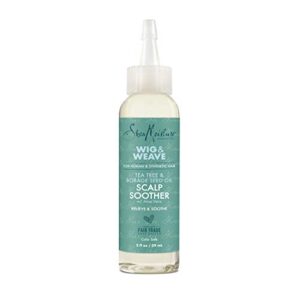
When protective styles trigger tension headaches or relentless itching, this tea tree oil serum cuts through the discomfort fast. Clinical trial results show 41% dandruff reduction and significant relief from itchiness within four weeks—that’s solid scalp protection backed by science.
Tea tree benefits extend beyond symptom control; its impact on the scalp microbiome helps inhibit fungal triggers, while the safety profile review confirms no adverse reactions in daily users.
Apply this natural hair product directly to your scalp for skin care that actually works under wigs, braids, or weaves.
Best For: Anyone dealing with scalp irritation from protective styles like braids, wigs, or weaves who wants clinically-backed relief from itching and tension.
- Clinically proven results with 41% dandruff reduction and noticeable itch relief within four weeks
- Clean formula free of parabens, sulfates, and mineral oil—safe for daily use with zero reported adverse reactions
- Works as a leave-on treatment you can reapply whenever discomfort strikes
- Some users find the texture too oily for their preference
- Pricier than competing scalp treatments on the market
- May need frequent reapplication to maintain comfort, which burns through the 2-ounce bottle faster
Frequently Asked Questions (FAQs)
Can vegetable oil treat hair loss permanently?
No, vegetable oils don’t permanently reverse Hair Loss. Studies show rosemary and pumpkin seed oils support Hair Regrowth Factors temporarily—comparable to minoxidil—but benefits stop when you discontinue Oil Treatment Duration, requiring ongoing Natural Hair Products use for Scalp Health Benefits.
Which oils work best for oily scalps?
When your scalp already feels greasy, adding more oil sounds backwards. Yet lightweight vegetable oils like jojoba and grapeseed actually help regulate sebum production, while tea tree oil delivers antifungal properties without clogging pores.
Do vegetable oils expire or go rancid?
Yes, vegetable oils expire. Coconut oil and others oxidize over time, developing rancid signs like sour odors or thick texture.
Proper storage tips extend shelf life, but oil rancidity impacts hair care and scalp protection effectiveness.
Can I mix different vegetable oils together?
Like mixing paint colors to get the perfect shade, you can blend coconut oil, jojoba, and argan together.
These natural cosmetics create synergistic effects, boosting hair hydration with tailored recipes—just follow safe mixing ratios.
Should I shampoo before or after oil?
For dry scalp and damaged hair, apply oil before shampooing to lock in moisture and reduce protein loss by roughly one third.
Post-wash, use a few drops of light oil for shine and frizz control.
Conclusion
Research shows that 50% of people with chronic dry scalp never find lasting relief because they chase symptoms instead of restoration. Now you understand that vegetable oil can help your dry scalp and hair by delivering deep moisture, reducing inflammation, and rebuilding your scalp’s protective barrier.
Choose your oil wisely, apply it consistently, and watch your scalp transform from irritated battleground to thriving foundation. Your comfort starts with one warm oil massage tonight.