This site is supported by our readers. We may earn a commission, at no cost to you, if you purchase through links. This content is for general informational and educational purposes only and is not a substitute for professional medical, dermatological, or nutritional advice.
Cleopatra reportedly bathed in fermented milk to keep her skin smooth—and while drawing a full bath might be a stretch, the science behind that habit holds up surprisingly well. Lactic acid, the same compound that gives yogurt its tang, acts as a gentle chemical exfoliant that dissolves dead skin cells without any scrubbing. It also helps balance your skin’s pH, calm irritation, and fade uneven tone over time.
A yogurt face mask takes about 20 minutes, costs almost nothing, and uses ingredients already sitting in your fridge. Here’s everything you need to know to make one that actually works for your skin type.
Table Of Contents
- Key Takeaways
- Yogurt Face Mask Benefits
- Best Yogurt Types for Skin
- Easy Yogurt Face Mask Recipes
- How to Apply Yogurt Masks
- Top 6 Yogurt Mask Add-Ins
- Frequently Asked Questions (FAQs)
- What can I mix with yogurt for my face?
- Is yogurt mask good for the face?
- What does yogurt do to your face?
- How long should I leave yogurt on my face?
- How to make a yogurt face mask?
- How long should you leave yogurt on your face?
- How do you make a yogurt face mask?
- Can yogurt face masks cause allergic reactions?
- How long does a homemade yogurt mask last?
- Is Greek yogurt better for face masks?
- Conclusion
Key Takeaways
- Yogurt’s lactic acid gently dissolves dead skin cells, brightens uneven tone, and supports your skin barrier — all without harsh chemicals or expensive products.
- Greek yogurt works harder than regular yogurt because it’s thicker and more concentrated, giving you a bigger dose of exfoliating acids and probiotics in one mask.
- Simple add-ins like raw honey, aloe vera, or oatmeal let you customize any yogurt mask to target your specific skin concern, whether that’s dryness, redness, or breakouts.
- Leaving the mask on for 10–30 minutes (depending on your skin’s sensitivity) and following up immediately with moisturizer is what makes the routine actually work.
Yogurt Face Mask Benefits
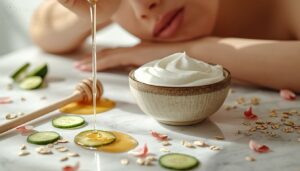
Yogurt isn’t just a breakfast staple — it’s quietly one of the most skin-friendly ingredients hiding in your fridge. The same live cultures and acids that make it good for your gut also do real work on your skin. Here’s a look at what a yogurt mask can actually do for you.
Think of it as your kitchen’s best-kept beauty secret—natural skin cleansers like yogurt have been quietly outperforming fancy store-bought products for years.
Your fridge’s plain yogurt is a quiet skincare powerhouse — its live cultures and acids work as hard on your skin as they do for your gut
Gently Exfoliates Dull Skin
Sloughing away dull, lifeless skin doesn’t require a harsh scrub. A yogurt face mask works quietly — letting lactic acid loosen dead cells from the surface without any gritty friction. It’s gentle enzyme exfoliation your skin barely notices, but the results speak for themselves. This mimics how various chemical exfoliants improve the penetration of active serums.
Here’s what that process does for your skin:
- Lifts away the buildup that makes your complexion look flat and tired
- Smooths texture without the redness a physical scrub can leave behind
- Promotes gradual cell turnover for a fresher surface over time
- Keeps skin comfortable with moisture during exfoliation
- Leaves skin visibly brighter using only natural ingredients
Supports a Healthy Barrier
Your skin barrier is like a brick wall — and yogurt helps keep the mortar intact. Its naturally fermented composition leaves a mild acidity on the skin surface, supporting healthy pH balance that protects against daily stressors.
The proteins in yogurt briefly coat the outermost layer, while its fatty components help reduce moisture loss, leaving your barrier stronger and more flexible.
Helps Calm Redness
A stronger barrier helps, but redness is a different story. That’s where yogurt’s lactic acid soothing properties quietly step in.
Lactic acid gently loosens dead cells without stripping skin, so irritated areas aren’t aggravated further. Combined with yogurt’s probiotic skin calm, this natural skincare remedy helps reduce that flushed, reactive look — making a simple yogurt face mask a surprisingly effective redness relief mask.
Adds Light Hydration
Calming redness already brings visible improvement — and light hydration takes that a step further.
Yogurt’s water content creates a gentle hydrating film on your face while the mask sits. That skin surface dew comes from lactic acid and lactate compounds holding moisture in place.
Leave it on 10–30 minutes, rinse, then follow with a moisturizer to seal everything in.
Brightens Uneven Tone
Uneven skin tone is one of the most stubborn concerns out there — and yogurt quietly works against it.
Lactic acid in yogurt speeds up the skin renewal process, sweeping away dull surface cells where pigment often settles. This enhances overall skin brightening and helps your skin tone look more balanced over time.
Here’s what makes a yogurt face mask effective for this:
- Melanin inhibition happens through lactic acid limiting tyrosinase activity
- Post-inflammatory hyperpigmentation from old acne marks gradually fades with regular use
- Greek yogurt delivers a higher concentration of brightening AHAs
- A vitamin C boost from add-ins like strawberries targets dark spots directly
- A consistent sun protection routine prevents new discoloration from undoing your progress
Best Yogurt Types for Skin
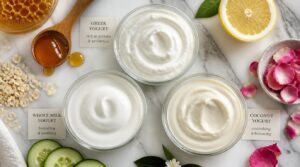
Not all yogurts work the same way on your skin. The type you pick actually matters — for texture, potency, and how well it plays with your skin type. Here are the best options to look for.
Plain Full-fat Yogurt
Plain full-fat yogurt is the simplest starting point for a DIY homemade yogurt face mask. It spreads easily, rinses clean, and doesn’t need anything added to work.
The natural lactic acid gently loosens dead cells, while milk fat creaminess keeps the mask from drying out your skin. Live cultures round it out by supporting a balanced surface.
Pairing this base with calming add-ins like turmeric or honey takes it further — explore effective face masks for acne-prone skin to find combinations that tackle breakouts without stripping your barrier.
Thick Greek Yogurt
Thick Greek yogurt is a step up from regular plain yogurt — and your skin will notice the difference. The straining process removes excess whey, leaving behind a denser, creamier texture that clings to your face better during a mask.
- Higher protein content helps skin repair and feels more nourishing
- Live cultures like Lactobacillus help balance your skin’s surface
- Lower sugar means less risk of irritation for sensitive skin
That thick consistency isn’t just satisfying to scoop — it makes every full fat Greek yogurt mask feel more intentional and effective.
Dairy-free Yogurt Options
Dairy isn’t the only option. If you’re sensitive to cow’s milk, plant-based yogurts made from coconut, oat, or soy milk work well in DIY face masks.
Coconut yogurt feels rich and creamy, while oat and soy versions offer a lighter texture. Look for labels that say "live and active cultures" so your skin still gets those probiotic benefits.
Goat Milk Yogurt
Goat milk yogurt is a surprisingly smart pick for sensitive skin. Its smaller fat globules blend more smoothly into homemade masks, helping ingredients absorb evenly. It’s also lower in certain milk proteins that trigger cow’s milk reactions, making it gentler on reactive skin.
- Creamy, smooth texture ideal for easy mask application
- Probiotic-rich fermentation nourishes your skin barrier naturally
- Antioxidant activity from fermentation helps fight early aging
- Mild, tangy flavor profile that blends well with honey or oats
Yogurts to Avoid
Not all yogurts belong on your face. Flavored and fruit-on-the-bottom varieties are the first to skip — some pack nearly 30 grams of sugar per serving, which can irritate skin rather than help it. Watch for artificial sweeteners like aspartame or sucralose, added thickeners like carrageenan, and long ingredient lists.
Stick to plain, full-fat yogurt for clean, effective results.
Easy Yogurt Face Mask Recipes
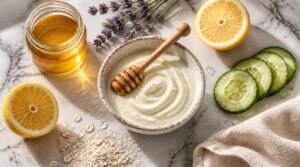
Making a yogurt face mask at home doesn’t require a long ingredient list or special skills. You just need a few kitchen staples and the right combo for your skin’s needs. Here are five simple recipes worth trying.
Yogurt and Honey Mask
One of the simplest masks you can make combines just two ingredients: plain yogurt and honey.
Mix 2 tablespoons of yogurt with 1 tablespoon of raw honey into a smooth paste. Honey’s humectant power draws moisture to your skin, while yogurt’s lactic acid gently loosens dead cells without any scrubbing.
Here’s what this duo does for your skin:
- Softens rough texture by loosening surface dead skin cells
- Locks in moisture so skin doesn’t feel tight after rinsing
- Calms visible redness from dryness or mild irritation
- Strengthens your skin barrier with dairy fats and natural enzymes
- Leaves skin looking brighter with continued use
Apply a thin, even layer, leave it on for 15 to 20 minutes, then rinse with lukewarm water. If you have a dairy sensitivity, do a patch test first.
Yogurt and Oatmeal Mask
If the honey mask felt soothing, this one takes it a step further for sensitive or acne-prone skin.
Mix 1 teaspoon each of plain yogurt and finely ground oatmeal until you get a smooth paste. Oatmeal gently sloughs off dead cells while yogurt’s lactic acid loosens them underneath. Together, they calm redness and leave skin softer without any harshness.
Leave it on for 10 to 15 minutes, then rinse.
Yogurt and Avocado Mask
If you want deep moisture without any heaviness, this mask is worth trying.
Mash 1/4 ripe avocado with 1 teaspoon of plain yogurt and 1 teaspoon of olive oil. Avocado’s fatty acids sink into dry skin, while yogurt gently loosens surface buildup. Together, they leave your skin soft and well-nourished after just 10 to 15 minutes. Rinse with lukewarm water, then moisturize.
Yogurt and Strawberry Mask
If the avocado mask felt rich and nourishing, this one takes a lighter turn — fresh, bright, and great for dull skin.
Mash 2 strawberries with 1 teaspoon of yogurt and 1 teaspoon of honey. Strawberries deliver vitamin C and antioxidants that help even your tone, while yogurt’s lactic acid gently lifts dead cells. Leave it on for 10 to 15 minutes, then rinse and moisturize.
Yogurt and Aloe Mask
When your skin feels hot and irritated, this mask is your reset button.
Mix 2 tablespoons of plain yogurt with 2 tablespoons of aloe vera gel. That’s it.
- Cooling aloe effect calms redness fast
- Yogurt’s lactic acid enhances natural exfoliation
- Together, they deliver skin hydration without heaviness
- Gentle enough for sensitive skin application
Leave it on for 10–15 minutes, rinse, and moisturize.
How to Apply Yogurt Masks
Getting the most out of your yogurt mask comes down to how you apply it, not just what’s in it. A few simple steps can make a real difference in how your skin responds. Here’s exactly how to do it right.
Wash Face First

Before any facial mask goes on, your face needs a clean surface to work from.
Use a gentle, non-abrasive cleanser and wash with your fingertips — no washcloths or sponges. Rinse with lukewarm water, then pat dry with a soft towel. Scrubbing or hot water can irritate skin before it’s even had a chance to enjoy the mask.
| Step | Why It Matters |
|---|---|
| Use gentle cleanser | Removes oil and sweat without irritating skin |
| Wash with fingertips | Reduces friction compared to tools |
| Rinse with lukewarm water | Clears residue without stressing skin |
| Pat dry with soft towel | Prevents rubbing-related irritation |
This simple pre-mask cleanse creates the clean, even base your yogurt mask needs to actually work.
Patch Test Before Use

Before you put anything on your face, do a patch test first — even with natural ingredients.
Pick a small spot on your inner forearm or behind your ear. Apply a pea-sized amount of your yogurt mask, then wait 48 to 72 hours. Check morning and evening for redness, skin irritation, or skin inflammation. If anything feels off, skip the mask and see a dermatologist.
Apply a Thin Layer
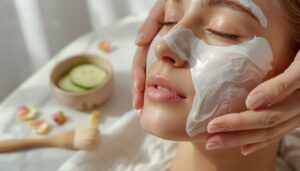
Once your patch test gives the all-clear, it’s time to apply your mask.
Scoop a small amount onto clean fingertips or a soft brush. Spread outward from the center of your face using light, even strokes. You’re aiming for a thin, glossy coat — not a thick layer. Avoid your eyes, lips, and hairline to prevent irritation or mess.
Leave for 10–30 Minutes
Set a timer the moment your mask is on. The ideal dwell time for a yogurt face mask sits between 10 and 30 minutes — short enough to stay comfortable, long enough to work.
- 10 minutes suits sensitive or reactive skin
- 20 minutes works well for most skin types
- 30 minutes gives the mask time to cool and settle
- Beyond 30 risks over-drying and irritation
Stick to the lower end if redness flares during application.
Rinse and Moisturize

When the timer goes off, head straight to the sink. Use lukewarm water to rinse your face — it clears the mask without shocking your skin. Splash with cool water at the end to help close your pores.
While your skin is still slightly damp, apply your moisturizer right away. That small window locks in hydration and helps your skin barrier recover fully.
If you use a mask as part of your routine, check how long to leave a sheet mask on, since timing differs between hydrogel and overnight types.
If you’re unsure which exfoliation method suits your skin type, this guide to natural body exfoliation methods breaks down the gentlest options worth trying.
Top 6 Yogurt Mask Add-Ins
Plain yogurt works great on its own, but the right add-in can take your mask from basic to actually targeted. A few simple ingredients can address everything from breakouts to dullness without a complicated routine. Here are six worth keeping on your shelf.
1. Nature Nates Raw Unfiltered Honey
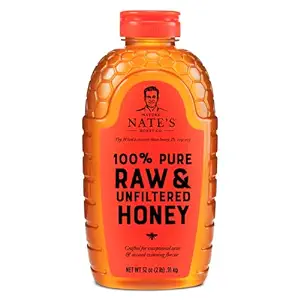
Nature Nate’s Raw Unfiltered Honey is a natural pick for your yogurt mask. It’s 100% pure honey with no added ingredients — just honey, straight from the hive.
Because it’s raw and unfiltered, it keeps its natural enzymes and antibacterial properties intact. Those enzymes help treat skin concerns like dryness and irritation.
The flip-top squeeze bottle makes it easy to measure without making a mess. Just add a teaspoon to your yogurt base and mix well.
| Best For | Anyone who wants a pure, natural sweetener for everyday use — coffee, tea, baking, or even a spoonful when your throat’s feeling scratchy. |
|---|---|
| Form Type | Liquid Honey |
| Net Weight | 32 oz |
| Primary Ingredient | Honey |
| Certifications | ChefsBest Award |
| Skin Benefit | Antibacterial, Moisturizing |
| Dilution Required | No |
| Additional Features |
|
- 100% pure honey with no additives — what you see is what you get
- Raw and unfiltered, so the good stuff (enzymes, pollen) stays intact
- The flip-top squeeze bottle keeps things clean and easy to portion
- Not certified organic, and the pollen content could bother allergy-prone folks
- Gets thick in the cold — you might need to warm it up before it pours well
- Pricier than the generic store brands, so it’s a bit of a splurge
2. Organic Turmeric Powder with Curcumin
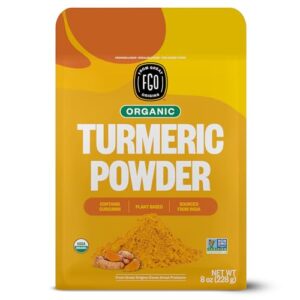
Honey isn’t the only pantry staple worth adding to your mask routine. Organic turmeric powder brings something different to the mix — a warm, earthy kick with real skin benefits behind it.
Its active compound, curcumin, helps calm redness and reduce puffiness. Use just a small pinch mixed into your yogurt base. Too much and it’ll stain your skin orange. A little goes a long way, and it blends best when the yogurt is thick.
| Best For | Home cooks and skincare enthusiasts who want a clean, versatile ingredient they can use in the kitchen and in their beauty routine. |
|---|---|
| Form Type | Powder |
| Net Weight | 8 oz |
| Primary Ingredient | Turmeric |
| Certifications | USDA Organic, Non-GMO |
| Skin Benefit | Brightening, Anti-Inflammatory |
| Dilution Required | Yes |
| Additional Features |
|
- Certified USDA Organic and Non-GMO — you know exactly what you’re getting
- Dual-purpose: works great in curries, golden milk, and soups, but also pulls weight as a skin treatment
- Resealable pouch keeps it fresh and easy to store
- Watch out for staining — it’ll turn your skin, nails, and countertops orange fast
- The smell and taste are pretty bold, so it’s not for everyone
- Doesn’t dissolve well in water without a lot of stirring
3. Plant Therapy Lavender Essential Oil
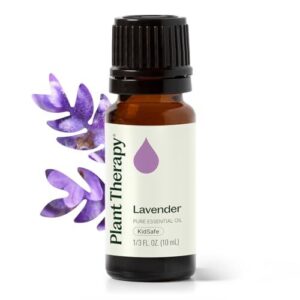
If turmeric is the bold one in your pantry lineup, lavender is its quieter counterpart. Plant Therapy Lavender Essential Oil brings a soft, floral calm to your mask — and a little goes a long way.
Add just 1 to 2 drops into your yogurt base. It’s highly concentrated, so always dilute it first. Yogurt naturally acts as the carrier, which makes it an easy pairing.
It helps soothe redness and leaves your skin feeling settled.
| Best For | Anyone who wants a clean, versatile lavender oil for diffusing, skincare, or hair care — especially people who prefer natural, non-synthetic formulas. |
|---|---|
| Form Type | Powder |
| Net Weight | 6 oz |
| Primary Ingredient | Montmorillonite |
| Certifications | GMP Assured |
| Skin Benefit | Pore Cleansing, Detox |
| Dilution Required | Yes |
| Additional Features |
|
- Pure and undiluted, so you know exactly what you’re getting — no fillers or additives
- Batch-tested with GC/MS reports, which is solid peace of mind for quality
- Works across multiple uses, from your diffuser to your skincare routine to your hair
- No visible expiration date on the packaging, which can be frustrating
- The scent can vary batch to batch since it’s not standardized — might catch you off guard
- Highly concentrated, so it’s easy to overdo it if you’re not careful with measurements
4. Pure Tea Tree Essential Oil
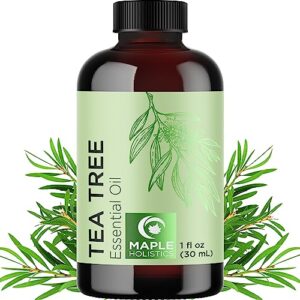
Where lavender soothes gently, tea tree oil takes a more direct approach. If you deal with breakouts or oily patches, this is the add-in worth knowing.
Add just 1 to 2 drops into your yogurt base — no more. It’s highly potent, and the yogurt acts as a natural carrier to keep it safe for your skin. It helps purify blemish-prone skin and targets acne-causing bacteria without stripping your face bare.
| Best For | Anyone dealing with breakouts, oily skin, or scalp issues who wants a potent, no-nonsense natural remedy. |
|---|---|
| Form Type | Essential Oil |
| Net Weight | 10 mL |
| Primary Ingredient | Lavender Oil |
| Certifications | GC/MS Tested |
| Skin Benefit | Anti-Aging, Fine Lines |
| Dilution Required | Yes |
| Additional Features |
|
- Pure and undiluted, so a little goes a long way — one bottle lasts a while
- Versatile beyond skincare: works for nail care, DIY cleaners, and even respiratory aromatherapy
- Vegan and cruelty-free, with a dropper that makes it easy to control how much you use
- Has to be diluted before putting it on your skin — skip this step and you risk irritation
- The scent can vary from batch to batch, which might bother people with sensitive noses
- Too potent for open wounds or cuts, so it’s not a cure-all for every skin concern
5. Seven Minerals Organic Aloe Vera Gel
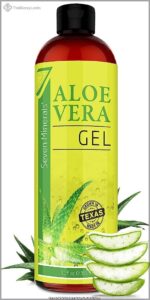
When your skin feels irritated or overheated, aloe vera is the first thing you reach for — and for good reason. Seven Minerals Organic Aloe Vera Gel is made from freshly cut, 100% pure aloe leaves, so you’re getting real plant goodness, not a watered-down powder.
Stir a tablespoon into your yogurt mask for an instant calming boost. It’s alcohol-free, fragrance-free, and absorbs quickly without leaving any sticky residue — perfect for sensitive or sun-stressed skin.
| Best For | Anyone dealing with sunburn, sensitive skin, or everyday dryness who wants a clean, no-nonsense aloe gel made from real plants — not powder. |
|---|---|
| Form Type | Essential Oil |
| Net Weight | 1 fl oz |
| Primary Ingredient | Tea Tree Oil |
| Certifications | Vegan, Cruelty-Free |
| Skin Benefit | Acne, Blemish Care |
| Dilution Required | Yes |
| Additional Features |
|
- Made from freshly cut, 100% pure aloe leaves — no fillers or powder dilution
- Absorbs fast and leaves zero sticky residue, so you can use it and get on with your day
- NSF Organic and IASC certified, plus free of alcohol, parabens, and fragrance — great for sensitive skin
- Pricier than most aloe gels, which makes slathering it all over your body feel a little expensive
- The gel runs thin and watery at first, which can feel odd if you’re used to a thicker texture
- No pump dispenser, so controlling how much you squeeze out takes a little practice
6. Nates Organic Raw Unfiltered Honey
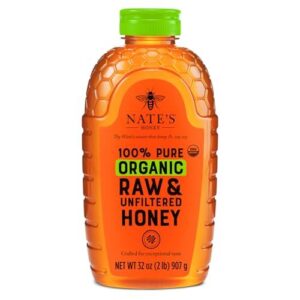
Raw honey is one of those add-ins that pulls double duty — it moisturizes and fights bacteria at the same time. Nature Nate’s Organic Raw Honey is unfiltered and never pasteurized, so it keeps all its natural enzymes and antioxidants intact.
Stir a teaspoon into any yogurt mask for a gentle antibacterial boost. It helps soothe redness, lock in moisture, and leaves your skin feeling soft. Just make sure you warm it slightly if it’s crystallized.
| Best For | Anyone looking for a versatile, natural sweetener that skips the processing and keeps all the good stuff — great for health-conscious cooks, bakers, and DIY skincare fans alike. |
|---|---|
| Form Type | Gel |
| Net Weight | 12 oz |
| Primary Ingredient | Aloe Vera |
| Certifications | NSF Organic, IASC |
| Skin Benefit | Soothing, Moisturizing |
| Dilution Required | No |
| Additional Features |
|
- USDA Certified Organic and never pasteurized, so the natural enzymes, pollen, and antioxidants stay fully intact
- Works for way more than just sweetening — coffee, baking, yogurt, granola, even face masks
- The squeeze bottle with a flip-top cap makes dispensing clean and easy, no sticky spoon needed
- Natural crystallization happens over time, and you’ll need to warm it up to get it flowing again
- Not as sweet as regular white sugar, so you may need to adjust recipes
- The lid can get damaged in shipping, which is a little annoying for a product you want airtight
Frequently Asked Questions (FAQs)
What can I mix with yogurt for my face?
You can mix in honey, oatmeal, avocado, strawberry, or aloe vera. Each one targets something different — hydration, exfoliation, or soothing redness — so pick based on what your skin needs most.
Is yogurt mask good for the face?
Yes, yogurt is genuinely good for your face. It exfoliates gently, calms redness, and adds a light layer of hydration — all without harsh chemicals or a complicated routine.
What does yogurt do to your face?
Yogurt quietly works like a gentle reset button for your face. It exfoliates dead cells, strengthens your skin barrier, calms redness, adds light hydration, and helps even out dull, uneven tone.
How long should I leave yogurt on my face?
Leave it on for 10 to 20 minutes. If your skin is sensitive, start at 10 and work up. The moment you feel stinging or burning, rinse it off right away.
How to make a yogurt face mask?
To make one, combine plain yogurt with a chosen add-in like honey or oatmeal. Stir until smooth, apply a thin even layer, and leave it on for 10–30 minutes.
How long should you leave yogurt on your face?
Most masks work best when left on for 10 to 30 minutes. If your skin runs sensitive, stick closer to 10 to 15 minutes to avoid dryness or irritation.
How do you make a yogurt face mask?
Think of it like mixing a quick smoothie. Combine 1–2 tablespoons of plain yogurt with your chosen add-in, stir until smooth, and it’s ready to use.
Can yogurt face masks cause allergic reactions?
Yes, they can. Dairy proteins and lactic acid may trigger itching, redness, or hives in sensitive skin. Always patch test first and stop use immediately if burning or swelling occurs.
How long does a homemade yogurt mask last?
Homemade versions last 5–7 days in the fridge when sealed in an airtight container. If it smells off or looks discolored, toss it. For best results, use it fresh.
Is Greek yogurt better for face masks?
Greek yogurt is thicker and more potent — it has higher lactic acid and probiotic content than regular yogurt, making it better for exfoliation, barrier support, and a smoother, brighter complexion.
Conclusion
Studies show lactic acid can visibly improve skin texture in as little as two weeks of regular use—no clinic visit required. A yogurt face mask delivers that same gentle exfoliating power straight from your fridge, for almost nothing.
Choose the recipe that fits your skin type, apply it twice a week, and let consistency do the heavy lifting. The simplest routines, built on real ingredients, often turn out to be the most effective ones.