This site is supported by our readers. We may earn a commission, at no cost to you, if you purchase through links. This content is for general informational and educational purposes only and is not a substitute for professional medical, dermatological, or nutritional advice.
You dab a little extra benzoyl peroxide on a new pimple before bed. By morning, it’s red, swollen, and tender, and you’d swear it got worse overnight.
So can spot treatments make acne worse? Sometimes they do, though not the way you’d expect. Harsh actives can irritate your skin barrier within hours, creating redness, peeling, and sore bumps that look like a fresh breakout. Piling on more product only feeds the cycle.
As a dermatologist, I see this often. The fix usually means using less, not more. Here’s how to spot the difference and treat pimples without the sting.
Table Of Contents
- Key Takeaways
- Can Spot Treatments Make Acne Worse?
- Why Can Spot Treatments Seem to Worsen Acne?
- Which Ingredients Are Most Likely to Irritate Skin?
- How Should You Use Spot Treatments Safely?
- What Should You Do if Breakouts Worsen?
- When Should You See a Dermatologist?
- Frequently Asked Questions (FAQs)
- What is the hardest acne to get rid of?
- Does acne treatment make it worse before it gets better?
- At what age is acne the worst?
- Why is my acne getting worse with treatment?
- Can I use spot treatment on my whole face?
- How long do spot treatments take to work?
- Should I pop a pimple before applying treatment?
- Can spot treatments cause dark marks or scarring?
- Is it safe to use spot treatments with makeup?
- Conclusion
Key Takeaways
- Spot treatments can make acne look worse when a strong product irritates your skin barrier within hours, causing redness, peeling, and sore bumps that mimic a fresh breakout.
- You’ll get better results with less product, so dab a thin layer on the pimple only, choose a low concentration like 2.5% benzoyl peroxide, and skip layering other exfoliating acids on the same spot.
- Irritation shows up within hours to two days right where you applied the product, while true acne builds over days or weeks, so if your skin calms when you cut back, pause the treatment and use a gentle cleanser and fragrance-free moisturizer.
- See a dermatologist if you notice deep painful nodules, pus, spreading redness, fever, or a raw stinging barrier, or if several weeks of gentle care haven’t helped.
Can Spot Treatments Make Acne Worse?
Confusion is common here, because spot treatments can make acne look worse even when they’re working as intended. The short answer is yes, they can, though usually not the way you’d expect.
Since most spot treatments need a few weeks before you can judge them fairly, this guide on how long spot treatments take to work can help you set realistic expectations.
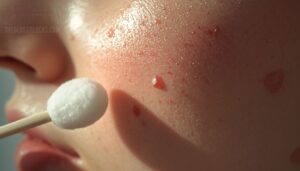
Most of the time, the problem isn’t new acne. It’s skin irritation from a strong product sitting on one small area. Redness, peeling, and tender bumps that show up the same day or the next are more likely an irritant reaction than true clogged pores, which take days to develop.
Overuse makes this worse. Dabbing on extra layers or reapplying "just in case" can trigger a rebound effect, where already inflamed skin reacts even more. Targeted application, meaning a thin layer on the pimple only, protects your skin sensitivity and keeps irritation low.
Why Can Spot Treatments Seem to Worsen Acne?
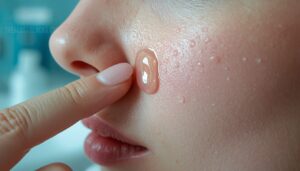
The reason comes down to what a spot treatment does to a small patch of skin. Think of it like scrubbing a scuffed countertop. A little helps, but scrub too hard and you leave a dull, raw area that looks worse than the scuff.
A little spot treatment helps, but scrub or overapply and you leave raw, irritated skin that looks worse than the original blemish
Thick gels and creams also trap sweat and heat against the pimple. That warm, damp film can soften the pore opening and add to swelling. Excessive application makes it worse, because the product spreads onto nearby skin through your fingertips, and more pores get exposed than you intended.
Keeping a light hand with products is one habit among many, and these simple ways to prevent future acne blemishes can help keep pores clearer over time.
Extra layers stack active ingredient, so your barrier never recovers. Skin irritation then mimics a flare, and sometimes paradoxical acne breakouts, where overuse sets off a rebound effect.
Which Ingredients Are Most Likely to Irritate Skin?
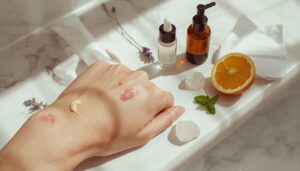
Some ingredients cause that raw, scuffed look more often than others, so it helps to know which ones to watch for.
Benzoyl peroxide and salicylic acid are the most common culprits. Both work well on pimples, but overuse strips oil and loosens dead skin faster than your barrier can keep up. Glycolic and lactic acids sting the same way, especially on skin that’s already inflamed.
Next come drying alcohols, such as denatured alcohol. They pull moisture out and leave skin red and tight.
Fragrance, essential oils, menthol, and camphor are also frequent triggers. "Natural" doesn’t mean gentle, and a cooling tingle often signals irritation, not healing.
How Should You Use Spot Treatments Safely?
Knowing the culprits makes safer use much easier, and a few habits go a long way.
Pressing too hard with the razor is one of the most common triggers, and this guide on how razor pressure causes ingrown hairs shows what to adjust.
Start with gentle cleansing, then let your skin dry fully before you apply anything. Damp skin lets actives spread and sting more. Do a patch test on a small area first, and choose low concentrations, like 2.5% benzoyl peroxide, since stronger formulas rarely work better.
Then follow these rules:
- Dab a thin layer on each pimple only, like dotting an "i."
- Stick to the label’s schedule, usually once or twice daily.
- Skip other exfoliating acids on the same spot.
- Apply a moisturizing cream to the surrounding skin afterward.
If stinging lingers, ease back. A dermatologist consultation can help you build a much simpler routine.
What Should You Do if Breakouts Worsen?

If your skin looks worse after using a spot treatment, don’t panic and don’t pile on more product. The next step is to work out what’s actually happening on your face and respond with a lighter touch. Here are two practical steps to follow, starting with how to read the signs.
Tell Irritation From New Breakouts
Does the redness sit exactly where you dabbed the product? That’s your first clue.
Irritation shows up within hours to two days. Real acne builds over days or weeks. If your skin calms when you cut back, suspect a damaged skin barrier and rising transepidermal water loss. Inflammation that spreads, weeps, or blisters needs a dermatologist. Try a patch test.
Try Gentler Alternatives
Two simple swaps can calm things down fast. First, stop the spot gel and let your skin rest. Use gentle cleansing once or twice daily, then a bland, fragrance-free moisturizer to help with barrier repair, especially on sensitive or dry skin.
Once the burning fades, reintroduce one mild active, like low-strength benzoyl peroxide or adapalene. Avoid layering several exfoliants, since synergistic irritation can set you back.
When Should You See a Dermatologist?

Picture a smoke alarm that keeps blaring after you’ve opened every window. At some point, the noise tells you to call in a professional.
See a dermatologist if you notice deep, painful nodules, scarring, pus, spreading redness, or fever. Also book a visit if several weeks of steady, gentle care haven’t helped.
Timing matters too. Persistent inflammatory acne, frequent flares, or a rebound effect that returns whenever you stop a product can point to a problem spot treatments won’t solve. Adult-onset acne, lopsided breakouts, or other hormonal signs deserve a look.
Don’t wait if irritation has left your skin barrier stinging and raw. A dermatologist can guide barrier repair, rule out lookalikes like folliculitis, and prescribe options you can tolerate.
Frequently Asked Questions (FAQs)
What is the hardest acne to get rid of?
Cystic acne feels like it’ll stick around forever. These deep, painful lumps sit beneath your skin, so spot treatments barely reach them.
Overdrying harms your skin barrier, risking a rebound effect. Prescription medications work better.
Does acne treatment make it worse before it gets better?
The "gets worse before better" idea is partly true.
Skin purging can bring new breakouts where you usually get them, but irritation, overdrying, or excessive exfoliation can mimic it. Don’t assume every flare is normal.
At what age is acne the worst?
Your teenage skin can feel like a war zone.
Acne vulgaris peaks between ages 14 and 19, when hormonal fluctuations drive sebum production and inflammatory response, leaving postinflammatory hyperpigmentation behind. Most fade by your twenties. Research shows that over 85% of teens are affected during this peak window, with teen boys often experiencing more severe and longer-lasting breakouts due to higher testosterone.
Why is my acne getting worse with treatment?
Is your treatment working against you? Often, it’s irritation, not failure. Dryness, peeling, and stinging trigger inflammation, so breakouts look worse.
Use less, apply it less often, and watch whether new bumps follow heavier application.
Can I use spot treatment on my whole face?
Would you paint your whole house to fix one scuffed wall? Skip it.
A spot treatment belongs only on active acne, because face-wide use invites dryness and damages your skin barrier. Follow with gentle moisturizing.
How long do spot treatments take to work?
Expecting a pimple to vanish overnight? Don’t.
Benzoyl peroxide calms inflammation in a few days, while salicylic acid needs one to two weeks. Overusing either brings dryness and a stressed skin barrier, slowing visible results.
Should I pop a pimple before applying treatment?
The theory that popping a pimple helps treatment sink deeper is a myth.
Squeezing adds trauma, more inflammation, and irritation, and can push bacteria into clogged pores, worsening breakouts. Apply treatment to the intact pimple.
Can spot treatments cause dark marks or scarring?
A harsh spot product can leave marks that feel permanent. Irritation, peeling and inflammation weaken your skin barrier function, often triggering hyperpigmentation that fades slowly.
Scarring is rarer, usually from picking and rubbing your skin.
Is it safe to use spot treatments with makeup?
You might think makeup cancels a spot treatment, but it’s usually safe with care.
Let the product dry completely, then use noncomedogenic makeup around it, not over irritation.
Remove makeup thoroughly nightly to calm acne.
Conclusion
Picture your skin barrier as a brick wall, and a heavy hand with spot treatment as a hammer swung at one weak spot.
So, can spot treatments make acne worse? They can, but only when you overdo them.
Use a thin layer on the pimple itself, not the skin around it. Give it time to work. If burning, peeling, or soreness shows up, pause and simplify, then call a dermatologist if it lingers. Gentle wins.