This site is supported by our readers. We may earn a commission, at no cost to you, if you purchase through links. This content is for general informational and educational purposes only and is not a substitute for professional medical, dermatological, or nutritional advice.
Your beard doesn’t care how much you want it. Genetics decide your follicle density and DHT sensitivity, and no amount of wishful staring at the mirror changes that.
But genetics aren’t the whole story. Sleep, protein, stress, and a smart grooming routine decide whether you grow the best beard your DNA allows or settle for a sparse one. Most men hit their peak between their mid-twenties and early thirties, and a full beard usually takes two to six months.
These beard growth and thickening tips show you how to work with your genes, trim for density, and pick products that deliver.
Table Of Contents
- Key Takeaways
- Beard Growth Basics: Genetics, Hormones, and Realistic Timelines
- Nutrition and Lifestyle Tips for Healthy Beard Growth
- Grooming Tips to Make Your Beard Look Thicker
- Patchy Beard Growth: Treatment Options and When to Seek Help
- Top 10 Beard Care Products for a Fuller-Looking Beard
- 1. Natural Beard Oil for Men
- 2. Natural Amish Beard Balm Conditioner
- 3. Natural Beard Wash and Conditioner
- 4. Natural Boar Bristle Beard Grooming
- 5. Natural Mint Beard Care Formula
- 6. Cordless Hair Clippers for Men
- 7. Natural Beard Growth Face Oil
- 8. Super Dry Mens Hair Paste
- 9. Mustache and Beard Pocket Comb
- 10. clean and fresh beard wash
- Frequently Asked Questions (FAQs)
- What helps your beard grow thicker?
- What is the 3 month beard rule?
- Will testosterone thicken my beard?
- How to thicken up a patchy beard?
- Why do some beard areas stay permanently patchy?
- How long before seeing noticeable beard growth results?
- Can medications or treatments reverse beard hair loss?
- Does shaving make your beard grow back thicker?
- Why does my beard itch during early growth?
- Can stress cause beard hair to fall out?
- Conclusion
Key Takeaways
- Your genes set your follicle density and how strongly your follicles respond to DHT, so that sensitivity matters more than your testosterone level, and most men need two to six months of growth to see their real potential.
- You can help your beard reach its genetic ceiling by eating enough protein, getting key nutrients, sleeping 7-9 hours, and keeping stress down.
- Grooming can’t add hairs, but washing, oiling, brushing, and trimming smartly will make the beard you have look fuller.
- If patches persist, rule out stress and sleep problems first, consider options like minoxidil, and see a dermatologist for sudden, round, or itchy patches, since they can signal alopecia barbae or a fungal infection.
Beard Growth Basics: Genetics, Hormones, and Realistic Timelines

Why does your buddy rock a full beard by twenty-three while yours takes its sweet time? Blame your genetic blueprint. It sets your follicle density, growth speed, and how strongly your follicles respond to DHT, the hormone that switches on beard growth. Here’s the twist: your follicles’ sensitivity matters more than your testosterone level.
If your growth feels slow, tracking how fast beard hair grows week by week can help you spot real progress and stay patient through the patchy months.
Your genetic blueprint decides how thick your beard grows, and your follicles’ sensitivity to DHT matters more than your testosterone level
Hormonal balance keeps that system humming, but you can’t hack your DNA. What you can do is understand your beard growth cycle, because every hair moves through growth, rest, and shedding phases at its own pace. The anagen phase for facial hair is generally shorter than for scalp hair, which is why natural beard length is limited for most men.
So set realistic expectations. Most men hit peak potential in their mid-to-late twenties or early thirties, and a typical beard growth timeline runs two to six months. Stay patient, champ.
Nutrition and Lifestyle Tips for Healthy Beard Growth

You can’t rewrite your DNA, but you can give your follicles the best raw materials. Nutrition for a Fuller Healthier Beard starts with protein rich foods like chicken, fish, eggs, nuts, and yogurt, since beard hair is built from keratin and keratin needs amino acids. If your meals fall short on protein, a quality whey protein powder can help you reach your daily amino acid needs more easily.
Then there’s the rest of your plate and your routine. These Healthy Lifestyle Habits for Beard Growth keep your follicles working at full strength:
- Eat vitamins A, B, C, D, and E for skin and follicle health.
- Get iron, zinc, and selenium to feed follicles and back testosterone.
- Aim for 7-9 hours, because sleep quality and growth go hand in hand.
- Try stress reduction techniques like walking or breathing drills to lower cortisol. Since stress can quietly worsen shedding, pairing those habits with these at-home hair growth stimulation techniques gives you a more complete, realistic routine.
- Stay consistent, since steady habits beat crash plans.
Grooming Tips to Make Your Beard Look Thicker
Your follicles are fed, rested, and working. Now let’s make what’s growing look its best. Strategic grooming can’t add hairs, but it can make the ones you’ve got look fuller.
Start with a steady beard wash routine, since clean strands sit lighter and style easier. Follow with a few drops of oil. The real beard oil benefits are softness and control, not new growth, and that’s plenty.
- Leave length on the chin and jaw, and keep the sides slightly shorter.
- Trim flyaways with a guard, using small, gradual passes.
- Keep the neckline low and cheek edges natural.
Use beard grooming tools and master Comb and Brush Techniques for a Denser Look: sweep downward and outward to spread strands over gaps.
Patchy Beard Growth: Treatment Options and When to Seek Help

Grooming hides gaps, but it can’t fill them. If patches stick around, it’s time to look at real patchy beard solutions.
Patchiness often traces back to an underlying cause like stress, nutrient gaps, or skin conditions, so it helps to read up on common beard health issues before choosing a fix.
Start by ruling out beard growth inhibitors like stress, poor sleep, and hormonal imbalances. A blood test can confirm low testosterone. Topical minoxidil is a popular off-label option, though it needs daily use and can cause dryness or beard follicle sensitivity. PRP and transplants suit stubborn cases.
Know when to call a dermatologist. Sudden patches, smooth round spots, itching, scaling, or scalp and eyebrow loss need attention. Those can signal alopecia barbae or a fungal infection like tinea barbae, and both need proper diagnosis first. Medical treatments for alopecia barbae exist, so don’t guess. Knowledge is your best tool.
Top 10 Beard Care Products for a Fuller-Looking Beard
You’ve handled the growth basics, so now it’s time to build your beard care arsenal. Below are ten products that help your beard look fuller, healthier, and sharper every day. Pick the ones that fit your routine and put them to work.
1. Natural Beard Oil for Men
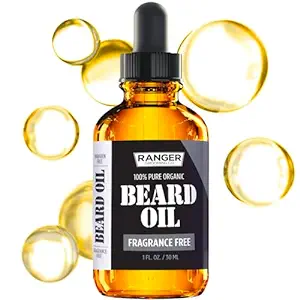
Think of natural beard oil as your beard’s daily workout partner. It softens coarse hair, calms ingrown hairs, and feeds the skin underneath.
Choose blends built on jojoba and argan. They mimic your skin’s own sebum, so you get moisture without grease. That helps hair follicle health, though no oil will boost facial hair density overnight.
Go fragrance-free with a precision dropper. Massage 3 to 5 drops into damp beard after washing. Pair it with good nutrient intake and natural beard care.
2. Natural Amish Beard Balm Conditioner
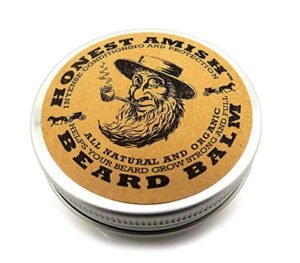
The right beard conditioner turns coarse, itchy facial hair into something you’ll actually enjoy touching. Honest Amish Beard Balm makes that happen, and it’s a smart pillar of natural beard care.
Here’s what beard balm conditioning looks like in action:
- Shea butter and yellow beeswax lock in moisture
- Jojoba and argan oils soften each strand
- Avocado and castor oils cut breakage
- Beeswax tames flyaways and adds shine
- Cedarwood and grapefruit scent fades within two hours
Healthy skin helps beard growth, so pair this balm with beard growth supplements and a steady routine. Apply a pea-sized amount daily, and you’ll control your look.
3. Natural Beard Wash and Conditioner

Picture a beard that feels like steel wool scratching your jaw. Now picture soft, springy hair you can’t stop touching.
Beard wash cleansing lifts dirt and pollutants without stripping natural oils. Follow with beard conditioner, focusing on mid-length to ends, and rinse thoroughly. Do it two or three times weekly.
Aloe vera and essential oils hydrate your beard and the skin beneath, so itch and flakes fade. Less breakage means a fuller look.
| Step | What It Does | How You’ll Feel |
|---|---|---|
| Wash | Clears buildup | Fresh |
| Condition | Locks in moisture | Soft |
| Beard growth face oil | Nourishes skin | Confident |
| Beard balm conditioning | Adds hold | In control |
Pair this routine with beard growth supplements for steady support, working from the inside out.
4. Natural Boar Bristle Beard Grooming

A boar bristle brush works like a tiny stylist, coaxing every hair into line. It won’t grow new follicles, but it spreads your skin’s natural oils and makes a beard look tidier and fuller.
Use strategic grooming on a dry beard:
- Start with short strokes from skin outward.
- Follow your beard’s natural growth direction.
- Add a drop of beard oil first.
- Keep pressure light to avoid irritation.
Clean the brush often, and pair it with beard wash cleansing. Beard comb portability makes touch-ups on the go easy. Persistent itching means ease up.
5. Natural Mint Beard Care Formula

Ever feel like your beard needs a wake-up call? Peppermint oil delivers one.
Menthol triggers a vasodilating effect that boosts blood flow to your follicles, which may support growth. It also fights beardruff by inhibiting fungus and bacteria, and that cooling tingle soothes itchy, irritated skin right away.
Work this natural mint formula into your natural grooming routine after you rinse with a beard wash. Follow with beard oil to lock in moisture. Skip the guesswork and stay consistent.
Tuck a beard comb in your pocket, since beard comb portability keeps your mint-fresh look sharp anywhere.
6. Cordless Hair Clippers for Men

Why settle for a patchy trim when you can have barber-quality control at home? Cordless hair clippers give you power without the leash, tackling thick, dense facial hair that weaker trimmers choke on.
Expect 80 to 100 minutes of runtime per charge. Here’s what to look for:
- Motor speed above 6,000 rpm, so battery drain won’t cause pulling.
- Leverless gap adjustment to dial in your exact length.
- Guide combs for beard trimming, from stubble to full.
- Stainless steel blades for easy beard maintenance.
- Waterproof rating for easy cleaning.
Pricier than basic trimmers, but sharper grooming habits make beard styling simple.
7. Natural Beard Growth Face Oil
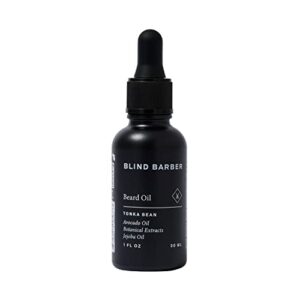
Clippers shape your beard. Now feed it. A natural beard growth face oil works on the skin and hair your trimmer leaves behind.
Jojoba mimics your skin’s sebum, so it absorbs fast without clogging pores. Argan adds vitamin E and fatty acids that soften coarse hairs and cut breakage, which makes your beard look thicker. If your skin flares easily, pick a fragrance-light formula.
Here’s the honest part: no beard oil sprouts new follicles. Genetics set your density. Pair it with supplements and natural boosters if you like, but expect results after 8 to 12 weeks.
Apply 3 to 5 drops to a clean, damp beard and massage down to the skin. More isn’t better.
8. Super Dry Mens Hair Paste

Oil feeds your beard. Paste shapes it. Super Dry Mens Hair Paste is an overlooked pick among beard styling products, and its oil-free formula adds texture without weight.
Hair paste styling here is simple, and it helps beard thickness look fuller:
- Warm a pea-sized amount between your palms.
- Work it through from the roots outward.
- Layer a little more where your beard looks thin.
- Enjoy the matte finish and medium hold.
- Wash it out with water to avoid buildup.
Fine beards benefit most. A little goes far, so add it to your grooming habits.
9. Mustache and Beard Pocket Comb

Paste shapes your beard. A comb finishes the job. The Death Grip Black Keychain Comb is a Mustache and Beard Pocket Comb that clips to your keys, so touch-ups happen anywhere.
Among beard styling products, it’s the one you’ll actually carry. Its fine stainless steel teeth detangle shorter hair and spread wax evenly. Add it to your beard grooming habits, and it quietly helps any list of Beard Growth and Thickening Tips.
| Detail | Spec | Why it matters |
|---|---|---|
| Size | 3.25 x 1 in | Pocket-ready |
| Teeth | Fine steel | Smooth detangling |
Strategic grooming means combing downward from the center, every day.
10. clean and fresh beard wash

Your comb shapes the finish. Your beard wash sets the foundation. Among all Beard Growth and Thickening Tips, clean skin comes first, because clogged follicles slow everything down.
Here’s what to look for:
- A sulfate-free formula that won’t strip natural oils
- Non-comedogenic ingredients that keep pores clear
- Glycerin or panthenol for lasting moisture
- A pH near skin’s natural 4.5 to 5.5
- Rich lather that rinses without residue
Reuzel’s citrus mint wash checks those boxes, cleaning deep while massaging blood flow to your follicles. Pair it with beard oil afterward, and make this beard shampoo your weekly reset.
Frequently Asked Questions (FAQs)
What helps your beard grow thicker?
Genetics set your beard thickness, but you can support it. Eat protein rich foods, correct any biotin, zinc and B complex gaps, and keep testosterone boosting habits. Add the best exercises for stimulating hair growth.
What is the 3 month beard rule?
The 3 month beard rule means you skip trimming for 90 days.
Beard growth averages half an inch monthly, so you’ll see true beard density. Testosterone levels and DHT levels set your realistic expectations here.
Will testosterone thicken my beard?
Probably not. Your testosterone levels only matter up to a point, because your hair follicles and their DHT sensitivity set your beard density. If your levels are normal, extra testosterone won’t boost facial hair growth.
How to thicken up a patchy beard?
A patchy beard is a garden still waking up. Trim everything to one short, even length, brush daily, and use balm for light hold. Add minoxidil for three months. Your beard thickness follows.
Why do some beard areas stay permanently patchy?
Genetics? Mostly, yes. Your genetic beard potential sets follicle count, so gaps can stay. Alopecia barbae, thyroid and beard growth issues, or scarring can matter too. Ask about beard transplant options for facial hair growth.
How long before seeing noticeable beard growth results?
Picture Jake: week three, he spots real stubble. By month three, it’s filling in. Be patient with growth phases and feed your follicles properly; noticeable coverage takes 2-3 months of untrimmed growth, so stay steady.
Can medications or treatments reverse beard hair loss?
Yes, sometimes. Minoxidil wakes sluggish follicles, microneedling can boost its effect, and corticosteroids calm autoimmune patches. Since DHT, driven by testosterone, fuels hair follicle miniaturization, see a dermatologist. You’ll get the right fix much faster.
Does shaving make your beard grow back thicker?
Nope. Shaving only cuts the shaft, so your genetic factors, testosterone levels, and DHT and beard growth stay untouched. Blunt tips just feel coarser at first, then soften as they lengthen. Beard care products help.
Why does my beard itch during early growth?
Those freshly cut hairs are sharp little needles, and they poke and scrape your skin as they grow. Dryness and trapped sweat make it worse. Boost beard hygiene, add beard oil, and your itch fades.
Can stress cause beard hair to fall out?
Yes, it can. Chronic stress spikes cortisol, which can nudge your hair follicles into a resting phase. Shedding shows up two to four months later, and most guys see regrowth within six to nine months.
Conclusion
Picture Dan, 27, patchy on the cheeks and ready to shave it all off. Instead, he slept seven hours, ate more protein, trimmed every few weeks, and started using oil daily. Three months later, strangers asked about his beard.
Those beard growth and thickening tips work the same way for you. Consistency beats impatience every time. Give your face time, keep your routine tight, and let the patches fill in. Your beard’s waiting.