This site is supported by our readers. We may earn a commission, at no cost to you, if you purchase through links. This content is for general informational and educational purposes only and is not a substitute for professional medical, dermatological, or nutritional advice.
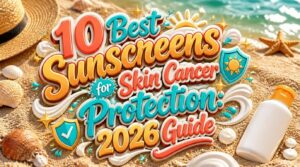
Most people assume SPF 50 gives them twice the protection of SPF 25, but sunscreen doesn’t work like a taller wall. The bigger difference often comes from broad-spectrum coverage, enough zinc oxide, and whether you reapply after sweat, swimming, or a towel-off.
If you’re trying to find the best sunscreen for skin cancer, the label matters more than the hype on the bottle. Some formulas protect moles, scars, and sensitive skin better than others, and a tinted mineral lotion can help block visible light. A pick should fit your skin, routine, and the amount of sun you face every day.
Table Of Contents
- Key Takeaways
- 10 Best Sunscreens for Skin Cancer Protection
- 1. Colorescience face shield sunscreen spf
- 2. Tinted Sunscreen For Daily Protection
- 3. La Roche Posay Mineral Sunscreen
- 4. melt in milk sunscreen spf
- 5. Sensitive Mineral Sunscreen with Zinc
- 6. Mineral Sunscreen Stick for Kids
- 7. Mustela Mineral Baby Sunscreen Stick
- 8. Reef friendly zinc oxide sunscreen lotion
- 9. Shiseido Broad Spectrum Spf Sunscreen
- 10. Mineral Sunscreen With Zinc Oxide
- How to Choose Cancer-Preventive Sunscreen
- Mineral Vs Chemical Sunscreen Protection
- Sunscreen for Cancer Patients
- Applying Sunscreen for Maximum Protection
- Frequently Asked Questions (FAQs)
- Does sunscreen expire and affect cancer protection?
- Can makeup with SPF replace sunscreen?
- Which sunscreen works best on dark skin?
- Do I need sunscreen on cloudy days?
- How does medication affect sunscreen effectiveness?
- Does expired sunscreen still protect effectively?
- Can sunscreen be worn under makeup daily?
- How should sunscreen be stored in heat?
- Which medications increase sun sensitivity most?
- Are spray sunscreens as reliable as lotions?
- Conclusion
Key Takeaways
- Broad-spectrum protection, enough active coverage like zinc oxide for sensitive skin, and faithful reapplication matter more for skin cancer prevention than chasing the highest SPF number alone.
- The best sunscreen is one you’ll use every day, so choose a formula that fits your skin, routine, and sun exposure, whether that means mineral, chemical, tinted, face, or body options.
- Tinted mineral sunscreens can offer extra help for scars, moles, sensitive skin, and visible-light protection, while fragrance-free, non-comedogenic formulas are often easier to tolerate.
- Sunscreen works best when you apply enough, put it on before sun exposure, reapply every two hours and after water or sweat, and pair it with hats, UPF clothing, and shade.
10 Best Sunscreens for Skin Cancer Protection
The best sunscreen is the one you’ll use every day, but some formulas make that much easier.
If price is what holds you back, this guide to affordable skin cancer prevention products can help you stay consistent.
The picks below were chosen with skin cancer prevention in mind, along with comfort, skin sensitivity, and real-life wear.
Use this list to find a sunscreen that fits your face, body, routine, and time outdoors.
1. Colorescience face shield sunscreen spf
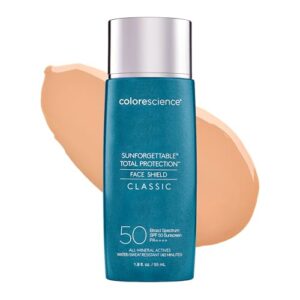
Think of this as your daily shield.
Colorescience Face Shield Flex SPF 50 is a fully mineral facial sunscreen with 12% zinc oxide, PA++++ UVA protection, and broad-spectrum UVB coverage. It also helps defend against blue light, pollution, and infrared exposure. The flexible tint starts white, then blends to match your skin tone for a natural finish. Because it’s fragrance-free and gentle, many people with sensitive skin tolerate it well.
Shake well, apply generously to face and neck, and reapply every two hours during outdoor daylight exposure.
| Best For | People who want a gentle, fully mineral daily face sunscreen with flexible tint, strong UVA/UVB protection, and added defense against blue light and pollution. |
|---|---|
| SPF | 50 |
| Filter Type | Mineral |
| UV Coverage | UVA/UVB |
| Product Form | Tinted lotion |
| Water Resistance | Not stated |
| Best For | Sensitive face |
| Additional Features |
|
- Fully mineral formula with 12% zinc oxide, SPF 50, and PA protection.
- Fragrance-free, sensitive-skin-friendly formula with a natural, hydrating finish.
- Helps protect against UV rays, pollution, blue light, and infrared exposure.
- Premium price at USD 52.00 for a relatively small 1.8 oz bottle.
- Dewy finish may feel too heavy or greasy on very oily skin.
- Can sting around the eyes and may show an orange cast with some products.
2. Tinted Sunscreen For Daily Protection
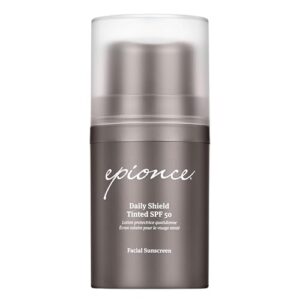
After a mineral classic like Colorescience, a tinted formula can make daily use even easier. These sunscreens do more than even out tone. Iron oxides help block visible light, which can worsen pigmentation in some skin types, while zinc oxide and titanium dioxide cover UVA and UVB rays.
That matters if you want protection you’ll actually wear. A tint can replace foundation, sit smoothly under makeup, and cut the white cast that turns people off mineral formulas. Apply it evenly to skin, using the two-finger method for face and neck, then reapply every two hours outdoors.
| Best For | People with sensitive or normal-to-combination skin who want a daily SPF 50 tinted sunscreen that smooths skin, wears well under makeup, and lightly evens tone without heavy coverage. |
|---|---|
| SPF | 50 |
| Filter Type | Mineral |
| UV Coverage | UVA/UVB |
| Product Form | Tinted lotion |
| Water Resistance | Not stated |
| Best For | Tinted daily wear |
| Additional Features |
|
- SPF 50 broad-spectrum protection with a light tint that helps even out skin tone for everyday wear.
- Silky, non-greasy texture works well as a primer and layers smoothly under makeup without pilling.
- Moisturizes while protecting skin, making it a convenient option for daily use and outdoor wear.
- The tint may look too dark on very fair skin, especially in winter months.
- Some users may notice midday shine on the T-zone or find it a bit heavy if they have oily skin.
- It offers only light coverage and comes at a higher price point than some other mineral sunscreen options.
3. La Roche Posay Mineral Sunscreen
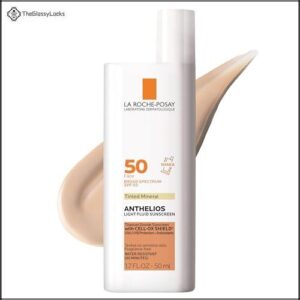
From tinted daily formulas, many readers want a step up in UV defense without a heavy feel.
La Roche-Posay Anthelios Mineral Sunscreen offers SPF 50 broad-spectrum coverage with zinc oxide and titanium dioxide, so you get strong UVA and UVB protection in a light, matte fluid. It’s fragrance-free, paraben-free, and made for sensitive skin, which matters if your face stings easily.
The universal tint blends more smoothly than many mineral sunscreens, though very fair skin may find it warm. Shake well, then apply generously every morning before sun exposure and reapply.
| Best For | People with sensitive or acne-prone skin who want lightweight, high-protection mineral sun coverage with a natural-looking tint for everyday wear. |
|---|---|
| SPF | 50 |
| Filter Type | Mineral |
| UV Coverage | UVA/UVB |
| Product Form | Tinted fluid |
| Water Resistance | 40 minutes |
| Best For | Sensitive acne-prone |
| Additional Features |
|
- SPF 50 broad-spectrum mineral protection with titanium dioxide and antioxidant support from Cell-Ox Shield Technology
- Fragrance-free, paraben-free, and suitable for sensitive skin, with a light matte finish that works well under makeup
- Water-resistant for up to 40 minutes and offers a tinted formula that can even out skin tone while protecting against sun damage
- The universal tint can look too warm or dark on very fair or cool-toned skin
- The 1.8 oz bottle may feel expensive for the amount of product you get
- Needs to be shaken well before use to maintain the right texture and application
4. melt in milk sunscreen spf
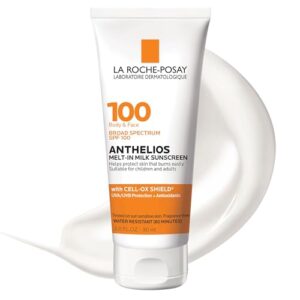
Want the same easy feel with a chemical formula? La Roche-Posay Anthelios Melt-in Milk is a strong pick for face and body, especially if you spend long hours outside. It comes in SPF 60 and SPF 100, gives broad-spectrum UVA and UVB protection, and stays water resistant for 80 minutes. The lotion spreads smoothly, sinks in within minutes, and leaves no white cast, so it works well under makeup or on its own. Fragrance-free and tested on sensitive skin, it suits many adults and children over 3, for work or sports.
| Best For | People who want a lightweight chemical sunscreen for face and body, especially those with sun-sensitive or burn-prone skin who spend long hours outdoors and want very high protection without a white cast. |
|---|---|
| SPF | 60/100 |
| Filter Type | Chemical |
| UV Coverage | UVA/UVB |
| Product Form | Lotion |
| Water Resistance | 80 minutes |
| Best For | Outdoor face/body |
| Additional Features |
|
- Offers broad-spectrum UVA/UVB protection with high SPF options, including SPF 100, making it a strong choice for intense sun exposure.
- Lightweight, non-greasy lotion texture blends in easily, leaves no white cast, and wears well under makeup.
- Water resistant for up to 80 minutes and includes Vitamin B5 to help soothe and moisturize skin.
- Some users report burning or stinging around the eyes, especially when swimming or sweating heavily.
- The travel-size format can feel expensive for the amount you get and may need frequent repurchasing.
- Non-sealed packaging may concern some buyers, and it may still not suit people with certain ingredient sensitivities.
5. Sensitive Mineral Sunscreen with Zinc
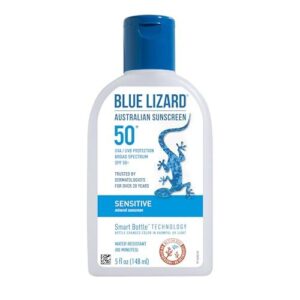
Relief matters when your skin reacts to almost everything. Blue Lizard Sensitive Mineral Sunscreen uses zinc oxide and titanium dioxide to form a gentle barrier against UVA and UVB rays, with SPF 50+ for daily use and long outdoor days.
For practical tips on layering SPF under cosmetics, this daily facial skin care guide for makeup over sunscreen keeps sensitive-skin routines protected and comfortable.
It stays water resistant for 80 minutes, which helps at the pool, on walks, or during sweaty errands. The formula leaves out fragrance, parabens, oxybenzone, and octinoxate, so it suits sensitive skin well, though you may need extra rubbing to reduce a light white cast for some.
| Best For | People with sensitive or easily irritated skin who want reef-friendlier mineral sun protection with strong SPF 50+ coverage for everyday wear and longer outdoor activities. |
|---|---|
| SPF | 50+ |
| Filter Type | Mineral |
| UV Coverage | UVA/UVB |
| Product Form | Lotion |
| Water Resistance | 80 minutes |
| Best For | Reactive skin |
| Additional Features |
|
- Uses mineral active ingredients like zinc oxide and titanium dioxide for broad spectrum UVA/UVB protection.
- Free of fragrance, parabens, oxybenzone, and octinoxate, making it a better fit for sensitive skin and reef-conscious shoppers.
- Offers 80 minutes of sweat and water resistance, which works well for swimming, workouts, and beach days.
- Can leave a noticeable white cast, especially on deeper skin tones or with heavier application.
- Needs extra rubbing in to look more even on the skin, which may feel inconvenient.
- May feel a bit oily or heavy and can take more effort to wash off at the end of the day.
6. Mineral Sunscreen Stick for Kids
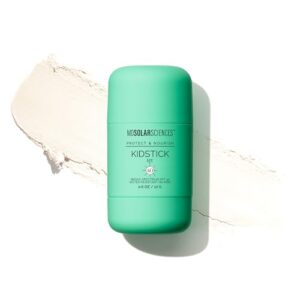
A good kids’ sunscreen should make protection easier, not turn it into a wrestling match. A mineral stick does that well, especially for noses, cheeks, ears, and the tops of little feet that parents often miss.
Look for broad-spectrum SPF 30 or higher with zinc oxide, titanium dioxide, or both. These mineral filters sit on the skin and tend to be gentler for sensitive children. The stick format is less messy, simple to reapply, and useful for school, sports, and pool days. If it is water resistant for 80 minutes, you need to reapply after swimming, sweating, or towel drying. For kids who prefer a lotion texture or need fuller face coverage, these gentle facial sunscreen lotions for sensitive skin pair beautifully with the mineral stick for everyday protection.
| Best For | Parents looking for a gentle, mess-free mineral sunscreen stick for children 6 months and older, especially those with sensitive skin who need easy daily coverage for outdoor play, sports, and swimming. |
|---|---|
| SPF | 30+ |
| Filter Type | Mineral |
| UV Coverage | UVA/UVB |
| Product Form | Stick |
| Water Resistance | 80 minutes |
| Best For | Kids on-the-go |
| Additional Features |
|
- Broad-spectrum UVA and UVB protection with an SPF formula for reliable daily sun coverage.
- Hypoallergenic mineral stick is easy to apply on the face and body and includes shea butter, vitamin C, and vitamin E.
- Water-resistant for up to 80 minutes, making it practical for swimming, sweating, and active outdoor use.
- Some users say it leaves a noticeable white cast after application.
- The 0.61-ounce size may feel smaller than expected.
- Value gets mixed reviews compared with the product’s size and price.
7. Mustela Mineral Baby Sunscreen Stick
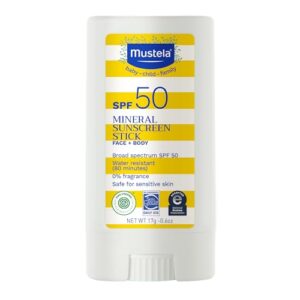
When skin is delicate, a sunscreen stick can feel like a small lifesaver. Mustela Mineral Baby Sunscreen Stick offers broad-spectrum SPF 50 with zinc oxide, so it works well for babies, children, and anyone with easily irritated skin.
The fragrance-free formula includes avocado oil and shea butter, which helps on dry or sensitive areas like cheeks, ears, and nose. It is water resistant for 80 minutes and easy to carry. Even so, some families notice a white cast or a slightly sticky finish, especially on deeper skin tones too.
| Best For | Babies, kids, and people with sensitive or easily irritated skin who want a portable mineral sunscreen stick for quick touch-ups on the go. |
|---|---|
| SPF | 50 |
| Filter Type | Mineral |
| UV Coverage | UVA/UVB |
| Product Form | Stick |
| Water Resistance | 80 minutes |
| Best For | Babies and kids |
| Additional Features |
|
- Broad-spectrum SPF 50 mineral protection with zinc oxide, making it a good fit for delicate and sensitive skin.
- Fragrance-free formula with shea butter and avocado oil helps moisturize dry areas while avoiding several common irritants.
- Portable stick format is easy to carry and reapply, and it offers water resistance for up to 80 minutes.
- Can leave a noticeable white cast, especially on deeper skin tones.
- Some users find the texture oily or sticky and say it takes extra effort to blend in.
- The small 1.45-ounce size may feel expensive for the amount of product you get.
8. Reef friendly zinc oxide sunscreen lotion
If you want sun protection that respects both your skin and the shoreline, a reef friendly zinc oxide lotion is a smart pick. Zinc oxide gives broad-spectrum coverage, so it helps guard against both UVA and UVB damage linked to skin cancer.
Many shoppers look for non-nano labeling and formulas that avoid oxybenzone and octinoxate. Water resistance matters too, especially for swimming or long beach days, but you still need to reapply as directed.
A lotion like this can be a practical choice for sensitive skin, outdoor exercise, and regular seaside use in strong sun.
| Best For | Beachgoers, outdoor exercisers, and daily sunscreen users who want broad-spectrum zinc oxide protection in a reef-friendlier, water-resistant lotion. |
|---|---|
| SPF | Not stated |
| Filter Type | Hybrid |
| UV Coverage | UVA/UVB |
| Product Form | Lotion |
| Water Resistance | Water resistant |
| Best For | Beach and exercise |
| Additional Features |
|
- Broad-spectrum UVA/UVB protection with zinc oxide, plus antioxidants to help fight free radical damage.
- Ocean-friendly formula compliant with Hawaii Act 104 and designed to stay put during water and sweat exposure.
- Suitable for facial use with a non-greasy feel, and some users report no white cast or eye irritation.
- Some users report pilling, flaking, or texture issues with the current formula.
- Contains octocrylene, which may irritate sensitive skin or trigger breakouts for some people.
- Shelf life on arrival may be shorter than expected, and reviews are mixed on long-wear performance and reapplication.
9. Shiseido Broad Spectrum Spf Sunscreen
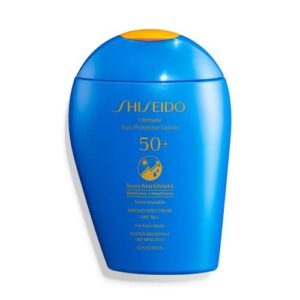
Hot weather can make sunscreen feel like a chore, but this one is built for real life. Shiseido Broad Spectrum SPF sunscreen gives broad-spectrum protection for both UVA and UVB exposure, with a lightweight lotion texture that suits daily face and body use. It absorbs quickly, layers well under makeup, and usually leaves no white cast, which helps people use enough.
It is also water resistant for up to 80 minutes, so it works well for exercise, beach time, and humid days. Just keep it out of your eyes, and reapply every two hours or after sweating.
| Best For | People who want a lightweight, quick-absorbing sunscreen for daily wear, makeup layering, and outdoor use in hot, humid conditions. |
|---|---|
| SPF | Not stated |
| Filter Type | Chemical |
| UV Coverage | UVA/UVB |
| Product Form | Lotion |
| Water Resistance | 80 minutes |
| Best For | Hot humid days |
| Additional Features |
|
- Lightweight, moisturizing formula that absorbs quickly without a heavy feel
- Broad-spectrum UVA/UVB protection with no white cast for most users
- Water and sweat-resistant for up to 80 minutes and compliant with Hawaii regulations
- May irritate eyes if it gets in them during sweating or rubbing
- Some users still find the finish greasy or oily
- Mixed value feedback, with some feeling it is expensive for the size
10. Mineral Sunscreen With Zinc Oxide
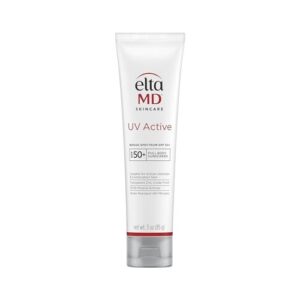
Zinc oxide is the workhorse of mineral sunscreen. It sits on the surface of your skin and helps block both UVA and UVB rays, which matter because nearly 90 percent of skin cancers are linked to ultraviolet exposure.
For sensitive or acne-prone skin, this type is often easier to tolerate, especially in fragrance-free, non-comedogenic formulas. Look for SPF 30 or higher, and choose water resistance if you sweat or swim. Some formulas can feel thick or leave a white cast, so apply a thin, even layer. A little patience pays off when the goal is daily long-term skin cancer prevention.
If you’re often outdoors, don’t forget your part line and hairline, since these tips for preventing scalp sunburn can help protect an area sunscreen users frequently overlook.
| Best For | People with sensitive or acne-prone skin who want strong mineral sun protection for outdoor activities, especially if they need a water-resistant, fragrance-free formula. |
|---|---|
| SPF | 50+ |
| Filter Type | Mineral |
| UV Coverage | UVA/UVB |
| Product Form | Lotion |
| Water Resistance | 80 minutes |
| Best For | Sensitive active skin |
| Additional Features |
|
- Broad-spectrum SPF 50 protection with transparent zinc oxide, plus added HEV/blue light defense.
- Water resistant for up to 80 minutes, making it a solid choice for swimming, sweating, hiking, and sports.
- Oil-free, fragrance-free, paraben-free, and non-comedogenic, so it is well suited for sensitive skin.
- Can leave a noticeable white cast, especially if too much is applied at once.
- Texture may feel thick, sticky, or hard to spread compared with lighter daily sunscreens.
- May not wear well under makeup for everyone due to possible greasiness, residue, or odor over time.
How to Choose Cancer-Preventive Sunscreen
Not all sunscreens protect your skin in the same way, so it helps to know what to look for before you buy. A few key features can make a real difference in daily protection and long-term skin cancer prevention. Here’s what to check as you compare your options.
Broad-Spectrum UVA and UVB Protection
With sun safety, broad-spectrum means UVA and UVB protection working together. SPF 30 or higher matters, but UVA balance and filter persistence testing matter too, because daily UVA reaches deeper skin year-round.
Look for certification standards, choose mineral sunscreens if sensitive, pick water resistant sunscreen for outdoor time, and reapply every two hours to keep protection steady all day long.
Since 2011, FDA broad-spectrum standards have required sunscreens to verify both UVA and UVB protection before using that label.
SPF 30 Versus SPF 50
If broad spectrum is in place, the gap between SPF 30 and SPF 50 is smaller than many people think. SPF 30 blocks about 97% of UVB, SPF 50 about 98%.
For practical everyday use and skin cancer prevention, application quantity and reapplication frequency matter more. Choose higher SPF if you underapply, and choose water resistant formulas for outdoor time.
Water and Sweat Resistance
That small jump from SPF 30 to higher numbers matters more once water, sweat, and towel drying enter the picture. Choose:
- Broad spectrum sunscreen
- SPF 50 or higher
- Water resistant sunscreen per FDA water resistance protocol
- Sweat resistant sunscreen
- Reapplication after swimming, and reapply every two hours
Sweat and water wash-off shortens protection. Look for 40 or 80 minute claims.
Fragrance-Free Non-Comedogenic Formulas
After water resistance, check the label. A fragrance free sunscreen with a noncomedogenic formula helps acne prevention and calmer, non-irritating wear. For many people, SPF 30 or higher in a mineral option feels easier to use daily.
| Label | Benefit | Best fit |
|---|---|---|
| Fragrance-free | Less irritation | Sensitive skin |
| Non-comedogenic | Pore-clogging avoidance | Acne-prone skin |
| Mineral | Gentle ingredients | Reactive skin |
Daily use matters most.
Skin Cancer Foundation Certification
When you see the Seal of Recommendation, you know a product cleared third-party testing and dermatologist review. The committee meets six times yearly.
- SPF 30+ daily broad-spectrum sunscreen
- SPF 50 active use, water resistance
- Phototoxicity and HRIPT safety checks
- Mineral sunscreen suits sensitive skin
Even then, reapply every two hours. That matters if you want reliable, cancer-preventive protection today daily.
Mineral Vs Chemical Sunscreen Protection
Mineral and chemical sunscreens can both protect your skin well, but they don’t feel or work exactly the same on every person. The right choice often depends on your skin type, daily routine, and how much sun exposure you get. Here’s what to look for as you compare the options below.
Zinc Oxide and Titanium Dioxide
Think of mineral filters as tiny shields.
| Filter | Role |
|---|---|
| Zinc Oxide | Broad Spectrum, gentle |
| Titanium Dioxide | UVB plus UVA, stable when coated |
Both provide physical UV protection in mineral filter form. Safety regulations allow these filters, and many people with sensitive skin prefer a Mineral Sunscreen with SPF 50 or higher for reliable daily wear and consistent coverage outdoors today.
Chemical UV Filter Benefits
Because daily wear matters, Chemical sunscreen uses UV filter chemistry with clear, light coverage.
| Benefit | Why |
|---|---|
| UV absorption efficiency | Broad defense |
| Heat dissipation mechanism | Harmless heat |
| Avobenzone, oxybenzone, Helioplex | Photostability enhancement, formulation flexibility, cosmetic compatibility |
That helps you apply enough, wear it under makeup, and keep protection more even through long sunny hours without feeling greasy or looking chalky outdoors.
Sensitive and High-Risk Skin
Fragile skin needs a quieter kind of defense. Mineral sunscreen is usually safer for cancer patients and reactive skin, since zinc oxide sits on the surface and rarely stings.
| Concern | Better choice |
|---|---|
| Sensitive skin care | Fragrance-free formulations |
| Photosensitivity management | Hypoallergenic SPF 50 mineral |
That helps scars, moles, and skin cancer recurrence prevention. It also suits use on dry, healing skin.
Tinted Visible-Light Protection
Sunlight isn’t just UV rays. Visible light causes real damage too, triggering melasma relapse and dark spots in richer skin tones. Broad spectrum sunscreen alone often misses this.
| Pigment | Protects Against |
|---|---|
| Iron oxide pigments | Visible light |
| Titanium dioxide | UV rays |
| Combined tint | Melasma prevention |
Iron oxides give tinted mineral sunscreen for skin of color real staying power against visible light protection gaps.
Face Versus Body Formulas
Choosing one tube for everything sounds easy, but skin has different needs. Face sunscreen often uses larger zinc particles, added hydrators, and acne-safe formulas. Body sunscreen leans on sprays, simpler ingredients, and stronger sweat testing. Pick mineral sunscreen at SPF 50 when skin is sensitive, and reapply sunscreen every two hours most days outside.
| Face | Body |
|---|---|
| Precise | Fast |
| Gentle | Durable |
Sunscreen for Cancer Patients
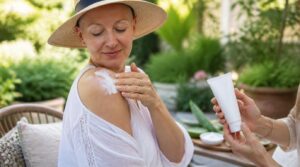
If you’re going through cancer treatment, sunscreen needs to be especially gentle and reliable. The right formula can help protect vulnerable skin without adding extra irritation. The next points will show you what to look for before you choose one.
Gentle Sunscreen Ingredients
When treatment leaves skin reactive, mineral sunscreen is often the safest lane. Zinc Oxide and Titanium Dioxide give broad UV coverage and tend to sting less than many chemical filters.
Look for a fragrance free sunscreen, non-comedogenic, with hypoallergenic skincare claims and hydrating ingredients like hyaluronic acid or niacinamide. That mix protects while helping fragile skin stay calm each day.
Protecting Scars and Moles
Once skin feels calmer, protect healing marks and changing moles with Broad Spectrum sunscreen, SPF 30+, hats, and shade.
- Cover scars daily
- Reapply every two hours
- Do skin self-exams
- Avoid tanning beds
Keep scars protected for six months after removal. If a mole changes size, shape, or color, book a skin check. This helps skin cancer prevention and melanoma detection.
Dry Skin Barrier Support
Cancer treatments often leave skin dry and cracked, weakening its natural defenses. Ceramide barrier repair and hyaluronic acid restore moisture, while occlusive moisture seals lock it in. CeraVe Hydrating Mineral Sunscreen SPF 30 combines skin hydration and SPF in one gentle step.
| Step | Ingredient | Benefit |
|---|---|---|
| Repair | Ceramides | Rebuilds barrier |
| Hydrate | Hyaluronic Acid | Draws moisture |
| Protect | Zinc Oxide | Shields skin |
Dermatologist Guidance During Treatment
That moisture support works best with doctor guidance during therapy. Visits may be every three to six months, sooner if you’re immunosuppressed too.
- Treatment planning discussion: Daily Use Broad Spectrum SPF 30+ for Face.
- Side effect management: choose gentle Sunscreen.
- Therapy coordination tips: ask oncology and dermatology teams.
- Skin monitoring guidance and supportive care advice: report new spots, protect scars.
Applying Sunscreen for Maximum Protection
Even the best sunscreen works only if you use it the right way. Small mistakes with timing, amount, or coverage can leave your skin exposed when you think it’s protected. The next points show how to apply it well and pair it with other sun-safe habits that matter most.
Understanding how sunscreen shields skin from UVA and UVB rays makes it easier to apply enough, often enough, to actually stay protected.
Correct Face and Body Amounts
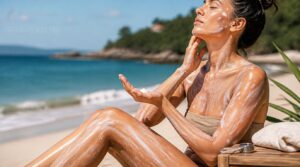
Think of sunscreen like paint, too little leaves bare spots.
Sunscreen only protects what it fully covers, so too little leaves your skin exposed
Use face sunscreen measurement of 1/4 teaspoon for face, neck, and ears, more for larger features.
For body zone allocation, follow teaspoons by area, totaling one ounce for most adults. Check for a sheen on the body.
Adjust for size to help prevent skin cancer, and reapply every two hours.
Application Before Sun Exposure

A good rule is to apply broad-spectrum SPF 30+ 15 minutes before you head outside. That gives sunscreen time to form an even film for UVA UVB protection on clean, dry skin.
Check the UV index and plan ahead, especially for midday errands, walks, or sports. Your routine works best when protection starts early, then you reapply every two hours.
Reapplication Every Two Hours
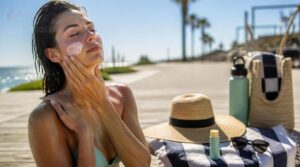
Usually, reapply every two hours while you’re outdoors, because UV exposure, sweat, water, and towel drying can strip away Broad Spectrum sunscreen before the day is done. Reset sooner after swimming or heavy sweating, based on the product’s water resistance.
Wear makeup? Use SPF sticks or sprays. Set phone reminders, and apply enough sunscreen each time you head back outside.
Commonly Missed Body Areas

Missed spots are where trouble starts: Facial Micro Areas, Ears and Scalp, Neck Sides Back, Hands Fingers, Feet Toes, the Back of neck, Top of feet, and Lips. Eyelids and inner eye corners are often skipped. Ears and scalp burn easily. Hands lose sunscreen after washing. Feet are forgotten in sandals. Cover these small zones every time you go outside.
UPF Clothing, Hats, and Shade
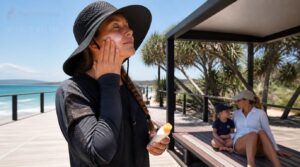
Sunscreen works best with layers of defense:
- Choose UPF 50 clothing or other UPF rated clothing. Dark, loose fabrics and smart ventilation in UPF wear protect better than thin, tight shirts.
- Wear widebrimmed hats with at least a 4-inch brim.
- Practice shade seeking behavior. Trees help, but validated shade structures protect more reliably during peak sun at midday in summer.
Frequently Asked Questions (FAQs)
Does sunscreen expire and affect cancer protection?
Yes. Expired sunscreen can lose SPF strength and broad-spectrum UVA coverage, which lowers daily skin cancer protection. Check expiration dates, track purchase date, and replace bottles that smell odd, separate, or change color or texture.
Can makeup with SPF replace sunscreen?
Makeup with SPF helps, but it doesn’t replace broad-spectrum sunscreen. You rarely apply enough to reach the labeled SPF rating, and dermatologists advise layering sunscreen underneath, then reapplying every two hours, especially during outdoor wear.
Which sunscreen works best on dark skin?
More melanin can mean less visible damage, so choose a tinted mineral sunscreen for skin of color with broad spectrum SPF 30 or higher, iron oxides, a non-greasy finish, and water-resistant white cast reduction daily.
Do I need sunscreen on cloudy days?
Clouds don’t block most UV rays. UVA rays and UVB rays still reach your skin, so use broad-spectrum sunscreen SPF 30 or higher on overcast days. It lowers sunburn risk and helps skin cancer prevention.
How does medication affect sunscreen effectiveness?
Taking certain medicines and still burning easily? Medication photosensitivity makes skin overreact to UV, so sunscreen helps but won’t fully cancel risk. Use broad-spectrum SPF 30+, reapply every two hours, seek shade, and ask your clinician.
Does expired sunscreen still protect effectively?
Expired sunscreen doesn’t protect reliably. After expiration, or sooner if poorly stored, broad-spectrum SPF may weaken. Toss it if color, smell, or texture changes. Replace sunscreen to maintain UV protection and reduce skin cancer risk.
Can sunscreen be worn under makeup daily?
Yes, it’s your daily armor: apply skincare, then fragrance-free mineral or tinted sunscreen under makeup. Makeup SPF isn’t enough. Reapply every two hours over makeup with powder or spray. Daily use helps with skin cancer prevention.
How should sunscreen be stored in heat?
Store sunscreen in a cool, shaded place, below 77°F, not in cars or humid bathrooms. Heat and sunlight can weaken filters. Keep the cap tight, watch expiration dates, and outdoor workers should keep it shaded.
Which medications increase sun sensitivity most?
Funny how a pill meant to heal can turn sunshine into your skin’s worst enemy. Doxycycline, NSAIDs, isotretinoin, thiazide diuretics, and immunosuppressants top the list, alongside chemotherapy and radiation therapy, all demanding stricter sun protection and dermatologist guidance.
Are spray sunscreens as reliable as lotions?
Sprays match lotions in broad spectrum protection, but only with spray until glistening, then rub in. Avoid direct face spraying due to wind interference and inhalation risk; still reapply sunscreen every two hours, staying water resistant and consistent.
Conclusion
Steady, smart sun safety starts with daily defense. The best sunscreen for skin cancer is the one you’ll apply generously, reapply on time, and trust on ordinary days, not just beach days. Look for broad-spectrum coverage, enough zinc oxide if your skin is sensitive, and a texture you won’t avoid.
That small habit can guard scars, shield moles, and lower risk year after year. Your skin remembers every sunny choice, long after summer fades away.