This site is supported by our readers. We may earn a commission, at no cost to you, if you purchase through links. This content is for general informational and educational purposes only and is not a substitute for professional medical, dermatological, or nutritional advice.

I mixed niacinamide straight into a bottle of hyaluronic acid once, back when I was formulating in my kitchen. Big mistake. The pH shifted, the texture turned gritty, and I learned my lesson the hard way.
So can you mix niacinamide and hyaluronic acid together? Yes, but layering beats combining every time. These two ingredients work through completely different pathways, hyaluronic acid pulls in moisture while niacinamide locks it there and calms your skin along the way.
Get the order right, and you’re looking at plumper, calmer skin within weeks. Let’s break down exactly how.
Table Of Contents
- Key Takeaways
- Can You Mix Niacinamide and Hyaluronic Acid? Yes
- Benefits of Niacinamide and Hyaluronic Acid Together
- How to Layer Niacinamide and Hyaluronic Acid
- Best Concentrations and Usage by Skin Type
- Common Mistakes and Side Effects to Avoid
- Frequently Asked Questions (FAQs)
- Do you use niacinamide before or after hyaluronic acid?
- What should you never mix niacinamide with?
- What should I never mix with hyaluronic acid?
- What is better for aging skin, niacinamide or hyaluronic acid?
- Can hyaluronic acid and niacinamide be used together?
- Should you use niacinamide or hyaluronic acid before a moisturizer?
- How to use hyaluronic acid niacinamide serum?
- Are niacinamide and hyaluronic acid bad for You?
- What goes first, hyaluronic acid or niacinamide?
- What should you not mix niacinamide with?
- Conclusion
Key Takeaways
- Layering niacinamide and hyaluronic acid works better than mixing them in one bottle, since applying them separately lets each ingredient absorb fully without pH or stability issues.
- Apply hyaluronic acid to damp skin first, wait 30-60 seconds, then follow with niacinamide, and always finish with moisturizer to seal in hydration.
- Niacinamide works best at 2-5% concentration, since going higher can irritate your skin barrier and cause flushing or stinging.
- Together, these two ingredients boost hydration, strengthen your skin barrier, calm redness, and balance oil production, making them safe for nearly all skin types including sensitive skin.
Can You Mix Niacinamide and Hyaluronic Acid? Yes

So, yes, you can absolutely mix niacinamide and hyaluronic acid, and your skin will thank you for it. As a cosmetic chemist, I’ve formulated with both, and they play together better than most skincare duos out there. Let’s break down why this pairing works so well, how to layer it right, and when to use it.
If you’re building out a full lineup, this pairing slots easily into a complete skin care routine for combination skin without throwing your balance off.
Why These Ingredients Work Together
Since niacinamide and hyaluronic acid work on completely different cellular pathways, they never compete for the same job. Hyaluronic acid binds moisture at CD44 receptors, while niacinamide reinforces your skin barrier and calms inflammation. That’s molecular compatibility in action.
For best results, apply hyaluronic acid to damp skin first and wait before layering niacinamide, following this correct serum layering order. Together, they create synergistic hydration effects your skin actually feels, plumper, calmer, and better protected within days.
Layering Versus Mixing Serums
So should you mix these two in your palm first? I wouldn’t.
Layering beats mixing every time. Stacking lets each serum touch your skin directly instead of getting blocked by the other formula.
Wait 30-60 seconds between layers. This simple pause prevents pilling and gives each product real absorption time before the next one goes on.
Morning and Evening Compatibility
Good news: timing isn’t strict here. You can use both morning and night, and your skin won’t complain either way.
Mornings, hyaluronic acid on damp skin locks in hydration while niacinamide preps your barrier for the day ahead. At night, they shift into repair mode.
That’s AM/PM routine flexibility at its best, consistent layering results whenever you apply them.
Benefits of Niacinamide and Hyaluronic Acid Together
So what actually happens when you put these two together on your skin? Quite a lot, honestly. Here’s what you can expect once niacinamide and hyaluronic acid start working as a team.
Deeper Hydration and Moisture Retention
Think of hyaluronic acid as water buckets of different sizes. Multi-weight HA delivers surface plumping, mid-layer elasticity, and deep dermal repair all at once. Niacinamide steps in to boost moisture retention by up to 30%.
Together they create a moisture reservoir effect, releasing hydration gradually for sustained 48-hour hydration instead of one quick drink.
Stronger Skin Barrier Support
Here’s what surprised me most: niacinamide doesn’t just sit on your skin, it works from within. It boosts ceramide synthesis up to 5x, activating the enzyme that builds your skin’s natural lipids.
Pair it with a lightweight, hydrating formula—like a best Korean toner for oily skin—to prep your skin so niacinamide can absorb and work even more effectively.
Paired with hyaluronic acid’s moisture retention, you get real barrier repair. Studies show visible improvement within three weeks, with reduced water loss and stronger, more resilient skin over time.
Calmer Redness and Irritation
Redness has a way of making skin feel angry, even when nothing’s really wrong. That’s where this duo shines.
Niacinamide calms blotchiness over time, while hyaluronic acid’s hydration keeps skin from feeling tight and reactive. Less dryness usually means less visible redness.
Layering them gently, without rubbing, also prevents irritation from friction. Sensitive skin especially benefits from this soothing, low-fuss routine.
Smoother Texture and Plumper Skin
Plump skin doesn’t happen by accident, it’s built in layers.
Hyaluronic acid creates surface film hydration for an instant plumping effect, while smaller molecules sink deeper for lasting texture support. Niacinamide reinforces the barrier, locking that moisture in.
Together, they support fine line smoothing and gentle collagen support plumping, giving you smoother, more supple skin, glow included.
Balanced Oil and Visible Pores
Oily skin, meet your match. Niacinamide helps with sebum regulation, so oil production slows and pores stop looking stretched out.
Hyaluronic acid adds lightweight hydration without grease, since it’s non-comedogenic by nature.
That combo builds a real oil control routine, one that helps visible pore reduction while keeping your skin balanced, not stripped.
How to Layer Niacinamide and Hyaluronic Acid
So now that you know why these two work so well together, let’s talk about getting the order right. Layering isn’t complicated, but a few small steps make a big difference in results. Here’s exactly how I recommend applying them, step by step.
Cleanse and Dampen Skin

Everything starts in the sink, not the serum bottle.
Wash with a gentle cleanser using lukewarm water, since hot water strips and irritates. Pat dry, don’t rub, that friction isn’t doing your barrier any favors.
Now here’s the trick: leave skin damp, not bone-dry. That dampness is what helps hyaluronic acid actually do its job next.
Apply Hyaluronic Acid First

Think of hyaluronic acid as a sponge, it needs water to work its magic.
Grab 2 to 3 drops and smooth it over your still-damp face and neck. Don’t rub it in aggressively, just spread it evenly.
That dampness is key. It gives the serum extra water to bind onto, so your skin drinks it up instead of sitting there doing nothing.
Layer Niacinamide After Absorption

Now check your skin. Once the tackiness fades and it just feels smooth, not wet, you’re ready.
That’s your surface tackiness check, and it matters. Applying too soon causes pilling, since niacinamide needs a stable film to glide onto, not a wet mess to mix with.
Wait about 30-60 seconds, then smooth on your niacinamide serum. Gentle timing here keeps layering clean.
Seal With Moisturizer

Once niacinamide settles in, don’t stop there. Moisturizer locks everything in place, giving you real hydration sealing.
- Traps water from hyaluronic acid
- Reinforces your skin barrier
- Adds emollients for softness
- Prevents overnight water loss
- Helps barrier repair while you sleep
This evening moisture lock step prevents dryness before it starts. Skip it, and your layering work partly evaporates.
Add Sunscreen Every Morning

Moisturizer sealed things in, but your routine isn’t done. Sunscreen is the final step, applied 15 minutes before heading out.
UV rays show up daily, rain or shine, so don’t skip mornings. Use SPF 30 minimum, or SPF 60+ for outdoor days. Reapply every two hours, and choose tinted formulas with iron oxide if you’re wearing makeup.
Best Concentrations and Usage by Skin Type
Not every skin type wants the same strength or the same product. So before you grab any bottle off the shelf, it helps to know what actually fits your skin. Let’s break down what works best, one skin type at a time.
Niacinamide at Two to Five Percent
Sweet spot, that’s what 2% to 5% niacinamide really is.
- 2%: barrier support, calming for sensitive skin
- 5%: dark spots, oil regulation, texture
- Start low, patch test 24-48 hours first
- Pair with hyaluronic acid daily, no irritation
Your skin barrier thanks you for staying in range. So don’t chase higher strength thinking it’s better.
Choosing a Hyaluronic Acid Serum
A good bottle isn’t just about the label promise. Look for sodium hyaluronate near the top of the ingredient list, plus multiple molecular weights for layered hydration.
| Factor | Why It Matters | Look For |
|---|---|---|
| Concentration | Effective hydration | 1-2% total |
| Texture | Easy layering | Non-sticky gel |
| Packaging | Formula stability | Airless pump |
Dry and Dehydrated Skin
If your skin feels tight and looks flaky, you’re dealing with moisture loss, not just dryness. This duo shines here: hyaluronic acid pulls water in, niacinamide locks it there by reinforcing your skin barrier.
- Rough or flaky patches
- Dull, tight-feeling skin
- Fine lines look deeper
- Occasional redness
- Slow-bouncing "pinch test" skin
Layer both daily, then seal with moisturizer. Relief follows fast.
Oily and Acne-Prone Skin
Worried these actives will make oily skin worse? They won’t. Niacinamide offers real sebum regulation, while hyaluronic acid gives lightweight, non-comedogenic hydration that won’t clog pores.
Acne-prone sebum runs 59% heavier in volume, so skipping moisture backfires. This pairing also helps pore minimizing effects and gradual acne scar improvement through steady barrier repair.
Sensitive Skin and Patch Testing
Reactive skin doesn’t mean you skip actives, it just means you go slower. Both ingredients test well for sensitive skin, but patch testing still matters.
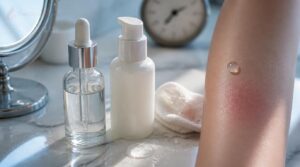
Dab a quarter-sized amount on your inner arm, wait 48 hours undisturbed, no water or sweating. Check for redness, itching, or burning. Nothing? You’re clear to layer niacinamide and hyaluronic acid on your face.
Common Mistakes and Side Effects to Avoid
This combo is gentle, but that doesn’t mean mistakes can’t happen. Even good ingredients can backfire if you rush the process or skip a step. Let’s walk through the slip-ups I see most often, so you can steer clear of them.
Applying Hyaluronic Acid Dry
Here’s a mistake I see constantly: applying hyaluronic acid to bone-dry skin. HA is a humectant, meaning it pulls water in, but with nothing around to grab, it’ll draw moisture from deeper layers instead. That leaves you tighter and drier than before you started.
Applied to dry skin, hyaluronic acid stops hydrating and starts stealing moisture from deeper layers instead
So always apply to damp skin, right after cleansing. In low humidity, this matters even more.
Skipping Moisturizer After Serums
Here’s the thing: niacinamide and hyaluronic acid do great work, but they’re not moisturizers. Skipping that final step leaves your barrier without real backup, so water evaporates faster and skin ends up tighter than before.
Your serums set the stage. Moisturizer seals it in, locking down hydration and keeping that barrier strong through the day or night.
Starting With High Niacinamide Strengths
So your moisturizer’s sealed things in, but let’s talk about what you put on before that. Jumping straight to 10%+ niacinamide can overwhelm your skin barrier, causing flushing, stinging, or tightness. Start at 2-5%, build tolerance over 2-4 weeks, and always patch test first. Your skin (and your layering routine) will thank you.
Mixing Entire Product Bottles
DIY types love pouring niacinamide and hyaluronic acid into one bottle to save time. Don’t.
Mixed formulas need precise pH balancing (5.0-6.0), compatible preservatives, and stability testing most kitchens can’t replicate. Commercial brands solve this with dual-chamber packaging, keeping actives separate until you pump them out fresh. Skip the homemade mixture. Layer your actual bottles instead, letting each one absorb into damp skin before the next.
Ignoring Persistent Burning or Itching
Skipping the DIY bottle doesn’t matter if you push through burning skin. Some stinging on first use is normal, but persistent burning or itching signals real trouble.
Track your reactions. Redness that keeps returning, especially with niacinamide above 5%, means stop and patch test before retrying.
Symptoms lingering despite avoidance? See a dermatologist. Sensitive skin deserves that caution.
Frequently Asked Questions (FAQs)
Do you use niacinamide before or after hyaluronic acid?
For most skin types, apply hyaluronic acid on damp skin first, let it absorb, then follow with niacinamide. Oily skin can flip that order. Finish both routines with moisturizer, and SPF in the morning.
What should you never mix niacinamide with?
Never pair niacinamide with a thousand-and-one irritation risks at once. Avoid stacking it with Vitamin C, Glycolic Acid, Retinoids, extra High Niacinamide products, or Low pH Formulas, since layering too many actives disrupts compatibility and triggers redness.
What should I never mix with hyaluronic acid?
Good news: hyaluronic acid plays nicely with almost everything, including niacinamide, retinoids, and exfoliating acids. Your real risk isn’t mixing, it’s applying HA to dry skin or skipping moisturizer after, which leaves it with nothing to seal in.
What is better for aging skin, niacinamide or hyaluronic acid?
Honestly, it’s like asking if the sun or water matters more for a garden. Hyaluronic acid wins on hydration, plumping instantly. Niacinamide wins on barrier support and long-term texture. For real anti-aging results, you need both working together.
Can hyaluronic acid and niacinamide be used together?
Yes, layer them daily. Apply hyaluronic acid first for moisture retention, then niacinamide to strengthen skin barrier function. Together they calm redness, boost hydration, and support smoother, more resilient skin over time.
Should you use niacinamide or hyaluronic acid before a moisturizer?
Both go on before moisturizer. Apply hyaluronic acid first on damp skin, let it absorb, then layer niacinamide. Finish with moisturizer to seal everything in and prevent moisture loss throughout the day.
How to use hyaluronic acid niacinamide serum?
Slow and steady wins the race here. Cleanse first, apply hyaluronic acid to damp skin, wait a minute for absorption, then layer niacinamide, seal with moisturizer, and add sunscreen each morning for lasting hydration.
Are niacinamide and hyaluronic acid bad for You?
Not at all, these two are among the gentlest actives around. Niacinamide helps your skin barrier while hyaluronic acid boosts hydration, making the combo safe for sensitive skin and even pregnancy. Just patch test first and ease in slowly.
What goes first, hyaluronic acid or niacinamide?
Think of skincare layering like watering a plant before feeding it soil. Apply hyaluronic acid on damp skin first, wait 30-60 seconds for absorption, then layer niacinamide, seal with moisturizer, and finish mornings with sunscreen.
What should you not mix niacinamide with?
Skip mixing niacinamide (vitamin B3) directly with vitamin C, glycolic acid, or retinoids in one bottle. These high irritation actives can trigger redness or flushing. Layer them in separate steps instead, this keeps sensitive skin calm and each formula working as intended.
Conclusion
My kitchen-lab mistake happened decades before skincare influencers made pH strips trendy, but the lesson never expired.
So can you mix niacinamide and hyaluronic acid together? Yes, though your skin thrives more on patient layering than hasty combining. Apply your humectant first, let it settle, then follow with niacinamide. That simple order builds a stronger barrier and calmer, plumper skin over time.
Trust the process, respect the sequence, and your reflection will thank you. Let’s glow!