This site is supported by our readers. We may earn a commission, at no cost to you, if you purchase through links. This content is for general informational and educational purposes only and is not a substitute for professional medical, dermatological, or nutritional advice.
Most men blame genetics when their beard grows in patchy or thin. That’s partly right. Genetics sets the ceiling, but your daily habits decide how close you get to it.
Follicles need fuel. They depend on protein, zinc, and good circulation to produce thick, healthy hair. Chronic stress, poor sleep, and harsh skincare quietly work against you, even when everything else feels on track.
Healthy beard growth habits aren’t complicated, but they require consistency across nutrition, skin care, and lifestyle. The difference between a struggling beard and a thriving one often comes down to what happens between wash days.
Table Of Contents
- Key Takeaways
- Fuel Beard Growth With Better Nutrition
- Keep Skin Beneath Your Beard Healthy
- Follow a Gentle Beard Care Routine
- Support Growth Through Healthy Lifestyle Habits
- Set Realistic Beard Growth Expectations
- Frequently Asked Questions (FAQs)
- What will stimulate beard growth?
- What is the 3 month beard rule?
- Is beard mean high testosterone?
- At what age is it most effective to grow a beard?
- Can beard rollers damage facial skin permanently?
- How do seasonal changes affect beard growth?
- What medications can slow beard development?
- Do beard transplants actually work long-term?
- Can trimming frequency influence growth speed?
- Does shaving make beard grow back thicker?
- Conclusion
Key Takeaways
- Genetics sets your beard’s ceiling, but nutrition, sleep, and skin care decide how close you actually get to it.
- Your follicles run on protein, zinc, omega-3s, and good circulation — feed them right, and they’ll do the work.
- Clean skin underneath is non-negotiable: a pH-balanced wash, weekly exfoliation, and daily moisturizing keep follicles clear and growing.
- Give it a full three months before you judge — patches fill in, slow follicles catch up, and your real growth pattern only shows itself with time.
Fuel Beard Growth With Better Nutrition

Your beard needs steady fuel to grow at its best. Food choices won’t override genetics, but they can support healthy follicles and the skin beneath them. Start with these nutrition habits.
Think of it as a foundation: healthy beard growth and thickness starts at the follicle level, where the right nutrients make all the difference.
Prioritize Protein-Rich Foods
Because beard hair is made from protein, build meals around protein-rich foods each day. Choose eggs, fish, chicken, Greek yogurt, lean beef, tofu, beans, and lentils. A proteinrich diet helps maintain normal hair structure and repair.
Use nutrientdense foods, not gimmicks marketed as testosteroneboosting foods. Avoid zinc and iron supplementation unless your clinician confirms you need it. Protein from real meals is the foundation.
Get Biotin, Zinc, Vitamin D
Protein lays the foundation. Then cover small nutrient gaps with nutrientdense foods.
- Get biotin from eggs, fish, and almonds. Adults need about 30 mcg daily.
- Get zinc from meat, shellfish, beans, and dairy. Avoid zinc and iron supplementation unless testing shows a need.
- Support vitamin D absorption with food and safe sun exposure. Low levels can affect hormone balance and follicle function.
Be aware that high-dose biotin supplements can interfere with certain lab test results.
Choose Omega-3 Healthy Fats
Omega-3 fatty acids keep follicles nourished and skin less inflamed. Eat fatty fish like salmon twice a week. If fish isn’t your thing, walnuts, chia seeds, and flaxseed oil all deliver ALA, a solid plant-based option.
For EPA and DHA specifically, fish wins. A fish oil supplement works if your diet falls short, but check the label for a DIN before buying.
Hydrate for Skin and Hair
Fat fuels follicles, but water matters too. Beard hydration works from the inside out, protecting the skin barrier function and keeping hair stronger.
- Drink 2.7 to 3.6 liters of water daily
- Pale yellow urine means you’re hydrated
- Beard oil locks in moisture after washing
- Beard balm helps with beard moisturizing all day
- Dehydrated skin feels tight and visibly slows hair growth
Limit Sugar, Alcohol, and Smoking
Three habits quietly sabotage your follicles. Cut free sugars, limit alcohol, and quit smoking to protect blood flow and keep hormones balanced.
| Habit | Why It Matters |
|---|---|
| Limit sugar | Reduces inflammation |
| Skip alcohol | Balances hormones |
| Quit smoking | Boosts circulation |
| Eat zinc-rich foods | Feeds hair follicles |
| Exercise daily | Helps growth |
Small swaps add up fast.
Keep Skin Beneath Your Beard Healthy

Your beard is only as good as the skin underneath it. Neglected skin leads to dryness, itching, and clogged follicles that slow growth before it even starts. Here’s what to do to keep things healthy down to the root.
Massaging a quality balm into the skin beneath your beard is one of the simplest ways to fight dryness at the root—this guide to using beard balm walks you through exactly how to do it right.
Cleanse Without Harsh Soaps
Bar soap’s pH sits around 9.5. Your skin’s natural range is 4.5 to 5.5. That difference during regular beard washing strips your acid mantle and actively hurts beard hygiene.
Beard cleansing means switching to a gentle beard wash:
- pH around 5.5
- Coco or decyl glucoside
- No SLS or SLES
- Fragrance-free formula
- Beard conditioning, barrier-supporting ingredients
Exfoliate Once or Twice Weekly
Exfoliate beneath your beard once or twice weekly to clear trapped dead skin, oil, and product buildup. This helps beard hygiene and helps keep pores from getting clogged.
Use a gentle chemical exfoliant or a soft scrub on damp skin. Massage lightly, then rinse well. Scrubbing hard ruins the purpose.
If your skin stings, flakes, or feels tight, cut back. Smart beard exfoliation protects skin barrier health and helps facial hair health.
Moisturize Dry, Itchy Skin
Dry skin under a beard can turn beard itch into a daily distraction. After washing, pat your face damp, then work moisturizer through the hair to the skin.
Choose a fragrance-free cream for dry areas and use beard oil as a seal, not your main moisturizer. A gentle beard wash and beard conditioner can reduce beard dandruff and flaking.
For targeted relief, a quality beard oil for dry skin locks in hydration after your moisturizer, keeping both beard and skin comfortable throughout the day.
Treat Ingrown Hairs Early
Catch beard ingrown hairs early, before a small bump becomes sore. Pause shaving, tweezing, and waxing until skin settles.
- Use a warm compress
- Exfoliate gently, never scrub
- Shave with hair growth
- Avoid squeezing or digging
- Use sterile tools only
This simple routine helps follicle blockage prevention, exfoliation and skin health, plus gentle washing, conditioning, exfoliation, and hygiene to prevent irritation.
Keep Towels and Pillowcases Clean
Clean fabrics protect your beard. Change pillowcases weekly and wash towels after three uses. Use separate loads, and dry both fully. Damp fabric can feed bacteria and worsen beard acne or irritation.
For pillowcase and towel hygiene, use the hottest label-safe setting. Skip fabric softener. Clean towels and cases support folliculitis prevention and hygiene to prevent irritation.
Follow a Gentle Beard Care Routine
A good beard routine protects both the hair and the skin underneath. Keep it simple, gentle, and consistent rather than throwing every product at it. These everyday habits will help your beard stay cleaner, softer, and less prone to breakage.
Wash Without Overwashing

Although sweat happens, use a gentle beard wash two or three times weekly. Daily washing and conditioning can leave hair brittle and skin itchy.
- Soft, flexible beard hair
- Less beardruff
- Comfortable skin
- Easier grooming
- A beard you control
Rinse with lukewarm water after workouts. Proper washing and conditioning means adjust your beard maintenance routine if oil, dirt, or buildup appears.
Apply Beard Oil Correctly

After washing, pat your beard slightly damp. Warm 3 to 4 drops of beard oil between palms. Massage it into the skin, then work from roots to tips. A quality moisturizing beard oil for men makes a real difference in how well your skin absorbs the product during that massage step.
For longer beard growth, use 6 to 8 drops. Your beard care routine needs patience. Beard oil absorption improves with massage. Avoid excess, it looks greasy. Keep this beard maintenance routine simple.
Use Balm to Reduce Breakage
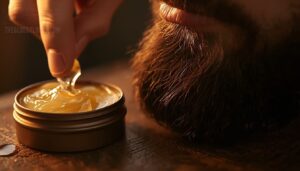
Beard oil absorption comes first. Then use a small amount of beard balm to seal in moisture and add control.
Work it from the skin through the full length of dry or slightly damp hair. This improves beard softness and creates a smoother layer that reduces rubbing on shirts and masks.
Use it daily for beard breakage prevention. Less dryness means less snagging during beard brushing.
Brush and Comb Daily
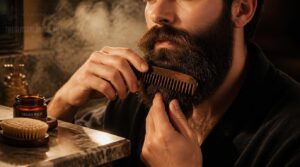
Once balm has softened hair, beard brushing keeps it aligned without adding stress. Use a naturalbristle brush for finer beards, or a wide-tooth comb for thick, curly growth.
Start at the ends, then work upward. If it catches, stop and reset. For daily beard care, beard combing needs only a few passes. A beard growth grooming kit keeps one handy.
Clean Your Beard After Meals

After meals, check your beard before crumbs and sauce settle in. Quick beard cleaning protects comfort and helps beard hygiene.
Rinse with lukewarm water and work fingers through hairs, especially around mouth. If residue remains, use gentle washing with beard wash. Wipes help away from a sink. Choose beard products made for facial hair to support your beard care routine.
Support Growth Through Healthy Lifestyle Habits

Your daily habits affect the conditions your beard needs to grow well. Exercise, sleep, stress levels, and routine health care all play a part. Start with these practical habits.
Strength Train Consistently
Strength training gives routine structure and helps hormone balance. Work every major muscle group two or three times weekly, leaving a day before training the same area again. Squats, rows, presses, and pull-ups do the job. Pair sessions with protein-rich foods. Consistent resistance work may support a modest testosterone boost and growth hormone release, but genetics still set beard density.
Improve Circulation With Cardio
Think of cardiovascular workouts as your follicles’ delivery system. When you exercise, your arteries release nitric oxide, which relaxes blood vessels and boosts microcirculation. Better blood flow means more nutrients reach follicles faster.
Aim for at least 30 minutes of brisk walking, cycling, or swimming five days a week. That push keeps nutrient delivery strong and helps growth hormone release.
Sleep Seven to Nine Hours
Sleep is your body’s prime rebuild window. Growth hormone surges during deep sleep, fueling follicle repair and supporting hormone balance.
- Target 7 to 9 hours nightly
- Wake at the same time each day
- Skip screens 30 minutes before bed
- Cut caffeine after 2 p.m.
Drop below 7 hours, and cortisol rises, stalling your beard growth fast.
Manage Stress With Mindfulness
Stress is a cortisol spike that slows beard growth fast. A few mindful minutes every day can reverse that.
| Practice | How |
|---|---|
| Focused breathing | 5 deep breaths, morning |
| Body scan | Feel sensations, no judgment |
| Pause before reacting | Stop, breathe, observe |
One mindful pause interrupts the stress cycle. Your cortisol drops, hormones rebalance, and your follicles can finally get back to work.
Schedule Regular Health Checkups
Your beard reveals what’s happening inside your body. A doctor can catch hormone imbalances, nutritional deficiencies, and chronic inflammation early, before they quietly stall your growth.
Book a checkup that covers:
- Testosterone and thyroid levels
- Vitamin D, zinc, and iron
- Markers of inflammatory response
Regular medical checkups reveal what your own genetic limits and daily diet alone can’t fully explain.
Set Realistic Beard Growth Expectations

Your genetics, timeline, and growth pattern are yours alone — and that’s okay. Before you judge your beard too harshly, there are a few things worth understanding first. Here’s what to keep in mind as you build a more realistic picture of what your beard can do.
If you’ve wondered whether supplements might speed things up, what collagen can and can’t do for beard growth is worth a look before you spend money on it.
Recognize Your Genetic Limits
Your DNA sets the ceiling on what your beard can do. Beard growth genetics control follicle count, density, and how strongly your follicles respond to DHT, a hormone far more influential than testosterone levels alone.
If patchy beard growth runs in your family, that’s follicle distribution at work, not failure. No product changes that. Work with your genetics, not against them.
Allow Three Months of Growth
Genetics sets the ceiling, but three full months of growth reveals what you’re actually working with.
- Dormant follicles activate and fill thin spots
- Patchy areas close as hairs overlap and lengthen
- Your natural growth pattern becomes visible
- Slower follicles finally catch up
Don’t trim before month three. The beard growth timeline needs that window to show what you’ve actually got.
Manage Patchy Growth Patiently
Patches don’t mean failure. Hormone regulation, stress, and diet all affect how evenly hair fills in across the beard growth stages.
Trim fuller areas to keep things neat while slower spots catch up. Styles like a chin strap or goatee work well with uneven growth. Trust the beard growth timeline and give it the full run before making any decisions.
Embrace Your Natural Growth Pattern
Your growth pattern is yours alone. Genetics and hormones set your facial hair thickness, density, and coverage, and no serum or supplement rewrites that code.
Stop comparing your progress to someone else’s beard growth stages. Androgen receptor sensitivity varies widely between men, so two guys with identical testosterone levels can grow very different beards. Work with what you’ve actually got.
Two men with identical testosterone can grow wildly different beards, so work with your own genetics
Trim and Shape Strategically
Smart beard shaping works with your natural pattern, not against it.
Use your electric trimmer to define:
- A neckline that curves just above your Adam’s apple
- Cheek lines angled straight from ear to mouth corner
- Sideburns blended gradually into beard length
Trimming frequency matters. Every two to three weeks keeps your beard styling intentional, clean, and proportional.
Frequently Asked Questions (FAQs)
What will stimulate beard growth?
Your beard reacts to what you put into your body and how you treat your skin. Testosterone influence, nutrition, exercise, and a grooming routine all drive hair follicle stimulation. Beard oil keeps sebum production balanced.
What is the 3 month beard rule?
Imagine quitting at week three, only to miss the fuller look that arrives by week twelve. The 3 month beard rule means no trimming or shaping for 90 days, giving every follicle time to catch up.
While you wait it out, a gentle routine with a wide-tooth comb and soft towel drying, as covered in this guide on keeping your beard soft and healthy, helps prevent breakage.
While you wait it out, a few drops of beard oil to tame a growing beard can soften itchy skin and keep the new growth looking healthy.
Once the 90 days are up, you can finally shape things, and our guide on how to trim a patchy beard shows how to even out thin spots.
Is beard mean high testosterone?
Not exactly. A full beard reflects your genetic beard potential and how sensitive your follicles are to androgens, not your raw testosterone levels. Two men with identical hormone balance can grow very different beards.
At what age is it most effective to grow a beard?
Funny how your mid-20s to 30s land exactly when testosterone levels stabilize and DHT peaks. That’s when follicle stimulation is strongest and your anagen phase extends longest, giving genetics room to fully express your growth potential.
Can beard rollers damage facial skin permanently?
Permanent damage is rare if you use beard rollers correctly.
Too much pressure triggers skin irritation and disrupts your skin barrier. Gentle rolling helps microcirculation enhancement and aids sebaceous gland activity without causing lasting harm.
How do seasonal changes affect beard growth?
Cold weather doesn’t make your beard grow faster. It actually slows blood flow to follicles. Dry winter air increases breakage and dryness, making patchiness look far worse. Seasonal shedding is real but it’s very temporary.
What medications can slow beard development?
Several medications target beard growth hormones directly. Spironolactone blocks androgen receptors, while finasteride cuts testosterone levels by reducing DHT conversion. Eflornithine cream slows follicle cell division at the skin level. All need a doctor’s supervision.
Do beard transplants actually work long-term?
Yes, beard transplants genuinely work long-term. Transplanted follicles follow your body’s natural follicle regeneration cycle and keep growing just like your own beard hair. Your genetic limits still determine the final density and overall appearance.
Can trimming frequency influence growth speed?
Trim weekly, trim monthly, trim never. Your follicles won’t notice. Growth rate comes from inside the skin, not the scissors. Beard trimming shapes what’s already there. It won’t speed up what’s coming from the follicle.
Does shaving make beard grow back thicker?
Shaving doesn’t make your beard grow back thicker. The razor cuts hair at the surface, leaving blunt tips that feel coarser. Your beard texture and beard density are shaped by your follicles, not your blade.
Conclusion
Genetics isn’t the enemy. It’s just one variable. The rest, what you eat, how you sleep, how you care for your skin, is fully in your hands.
Healthy beard growth habits don’t require a complete lifestyle overhaul. Start with one change this week. Fix your sleep. Add more protein. Moisturize the skin underneath. Small shifts compound into real results over time. Your beard isn’t failing you. You just haven’t given it what it needs yet.