This site is supported by our readers. We may earn a commission, at no cost to you, if you purchase through links. This content is for general informational and educational purposes only and is not a substitute for professional medical, dermatological, or nutritional advice.
Every hair on your head is already running on a clock, and that clock spends years, not days, in growth mode. Sounds slow, but that’s the point: the anagen phase alone can stretch out for up to eight years before a strand ever thinks about resting. Most people never learn this, so they blame their shampoo when the real story is happening beneath the surface, in blood flow, hormones, and follicle health.
That’s where healthy hair growth secrets actually live, not in a magic bottle, but in small daily habits that support the cycle your body already runs. Feed it right, treat your scalp like the living environment it is, and skip the stuff that quietly causes breakage.
Get those pieces working together, and fuller, stronger hair stops feeling like luck.
Table Of Contents
- Key Takeaways
- How Healthy Hair Growth Works
- Feed Follicles From Within
- Build a Scalp Care Routine
- Prevent Breakage and Thinning
- Support Growth With Lifestyle Habits
- Frequently Asked Questions (FAQs)
- What is the healthiest way to grow your hair?
- What shampoo is good for lupus hair loss?
- Will HRT make my hair grow?
- What are the big 3 for hair regrowth?
- What stimulates healthy hair growth?
- How do I make my hair grow faster naturally?
- What really helps your hair grow?
- How to trick hair growth?
- What causes sudden hair loss in healthy people?
- Do hair growth vitamins actually work for everyone?
- Conclusion
Key Takeaways
- Hair growth depends on the anagen phase, which can last up to eight years, and is shaped more by nutrition, hormones, and follicle health than by any shampoo.
- A balanced diet with enough protein, iron, and vitamin D supports keratin production and follicle function, but supplements only help if you’re actually deficient.
- Daily habits like scalp massage, gentle cleansing, limiting heat styling, and using heat protectant reduce breakage and support a healthy scalp microbiome.
- Sleep, stress management, and regular exercise boost circulation and follicle repair, making lifestyle factors just as important as topical hair care.
How Healthy Hair Growth Works
Before you chase products and routines, it helps to know what’s actually happening on your head. Hair growth follows its own rhythm, and your scalp plays a bigger role than most people realize. Let’s break down the basics so you know exactly what you’re working with.
For example, natural remedies like curry leaves for hair growth are worth understanding before you add them to your routine.
Hair Growth Cycle Basics
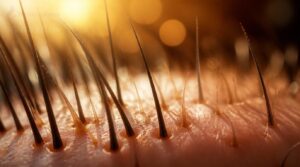
Ever wonder why you lose hair yet never go bald? Each strand runs its own cycle. Anagen (active growth) lasts 2-8 years, holding 80-90% of your hair.
That’s why some people grow waist-length locks while others top out at shoulder length — check out this breakdown of the anagen, telogen, and catagen phases to see how each stage shapes your hair’s potential.
Then comes catagen, a brief 2-4 week shift, followed by telogen, a 2-4 month rest.
Scalp Health Matters
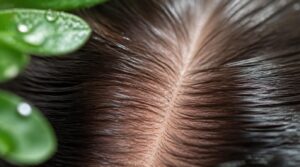
Think of your scalp as soil—if it’s unhealthy, nothing grows well up top. Barrier integrity keeps irritants out and moisture in, while balanced sebum production prevents dryness or greasiness.
Watch for:
- Persistent itching or burning
- Redness or inflamed bumps
- Chronic flaking
- Tightness or discomfort
A diverse microbial balance keeps yeast overgrowth in check, protecting follicles and supporting real growth.
Common Growth Blockers
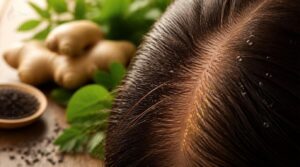
Genetics play a big role, but they’re not the only players here. Low iron, vitamin D, or protein can quietly stall growth from within.
Scalp inflammation, fungal overgrowth, and hormonal shifts (thyroid, postpartum, stress) can all push follicles into shedding mode. Chronic stress especially deserves a second look—it’s sneaky, but manageable once you spot it.
Realistic Growth Expectations
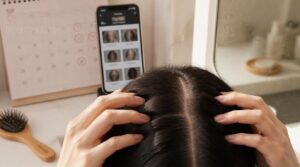
Once you’ve tackled the blockers above, patience becomes your real growth tool. Hair grows 0.3 to 0.5mm daily, so visible change takes months, not weeks.
Track progress with monthly photos, not daily mirror checks. Distinguish breakage from actual growth, and if shedding lasts past three months, or your scalp hurts or flakes, see a dermatologist rather than waiting it out.
Feed Follicles From Within

Your hair doesn’t grow in a vacuum, it grows from what you put into your body. Think of your follicles as tiny factories that need the right raw materials to build strong strands. Here’s what to put on your plate (and what to watch out for) if you want real results. Hydration matters too — understanding how drinking water affects hair growth and strength helps you see the full picture beyond just what you eat.
Protein for Stronger Strands
Your strands are basically built from protein, so skimping on it shows up fast as brittleness.
If you’re also noticing more shedding than usual, it’s worth checking whether certain shampoo ingredients could be weakening your hair before blaming diet alone.
Keratin synthesis needs amino acids from cysteine and methionine.
- Eat lean meat, eggs, or legumes daily
- Try hydrolyzed protein treatments for damaged hair
- Choose protein types matching your texture
Dietary protein consistency beats occasional high-dose amounts for real, lasting strength.
Iron and Vitamin D
Low iron makes it hard for blood to carry oxygen to your follicles, which shows up as shedding.
Vitamin D matters too; it helps make new follicle cells and even regulates hepcidin, the hormone controlling iron absorption. These two work together: better vitamin D status often means better iron use for red blood cell production. Get both levels tested before supplementing.
Biotin and Keratin Support
Biotin works behind the scenes as a metabolic cofactor, helping enzymes power keratinocyte turnover in your follicles.
Keratin itself is what gives hair its strength, and while oral keratin peptides get absorbed and used for tissue repair, research shows biotin supplements mainly help those with an actual deficiency.
Eating enough protein and micronutrient-rich foods matters more than popping extra biotin pills.
Hydration for Scalp Balance
Water works from the inside out. Your scalp’s outer layer acts as a barrier that locks in moisture, and dehydration shows up as tightness, flaking, or itchiness—signs your skin isn’t retaining water well.
Drink plenty of fluids, and pair that with topical humectants like glycerin or hyaluronic acid. This keeps sebum balanced, so your scalp isn’t flaky and oily at the same time.
Avoid Over-supplementing
More isn’t always better. Stacking a multivitamin with separate iron, biotin, and vitamin A "hair formulas" can push you past safe upper limits, risking toxicity instead of growth.
Get blood tests before adding anything new, and check with your doctor about medication interactions. A simpler routine—one targeted supplement for a confirmed gap—beats megadosing every time.
Build a Scalp Care Routine
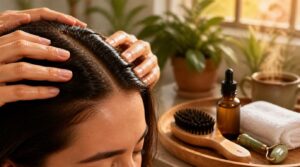
Think of your scalp as the soil your hair grows from, and soil needs the right care to stay healthy. You don’t need a complicated routine, just a few smart habits done consistently. Here’s what to build into your weekly scalp care plan.
Just like healthy soil benefits from the right nutrients and attention, so does your scalp — explore these proven techniques for improving hair density to give your roots the best possible environment to thrive.
If your scalp often feels tight, itchy, or oddly sensitive, it might be worth exploring what causes dry, flaky skin before those subtle signs turn into visible flakes.
Gentle Cleansing Schedule
Wash only when your scalp asks for it, not by some rigid calendar. Use lukewarm water, massage lather into sections with fingertips, and rinse thoroughly. Skipping washes causes buildup and flaking; overdoing it strips natural oils. Find your rhythm, stay consistent, and your scalp will thank you.
Support Scalp Microbiome
Once your rinse routine feels right, think about who’s actually living on your scalp. Cutibacterium and Staphylococcus make up most of a healthy scalp, keeping troublemakers like Malassezia in check.
Support that balance with probiotic and postbiotic actives, plus a scalp pH near 5 to 6. Sebum and moisture levels shape this whole environment—part of real lifestyle medicine, not just hair care.
Prebiotic Shampoo Ingredients
Now flip the bottle and check the label, because that’s where the real clues hide.
Look for inulin and alpha-glucan oligosaccharide blends, which feed good microbes directly. Aloe vera leaf juice soothes while mild surfactants like coco-glucoside cleanse without stripping.
Citric acid and sodium benzoate keep the formula stable, no scalp science skipped. Small print, big payoff.
Rosemary Scalp Treatments
Once your shampoo’s doing its job, rosemary adds a nice one-two punch. It’s got real antifungal properties that ease flaking and calm redness.
- Dilute with a carrier oil first
- Massage in, don’t soak
- Rinse after 30 minutes
Try it 2-3 times weekly, easing off if your scalp feels irritated.
Four-minute Scalp Massages
After rosemary works its magic, give your fingers something to do too. A daily 4-minute massage creates mechanical stretching that stimulates dermal papilla cells—your hair’s growth command center.
Use your fingertips or a handheld device (devices keep pressure consistent). Stick with it daily for real thickness gains over time. Consistency beats intensity here, always.
Prevent Breakage and Thinning
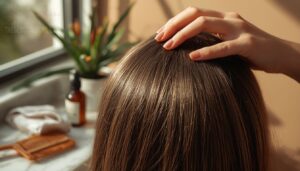
Growing longer hair means nothing if it keeps snapping off at the ends. Breakage often sneaks up on you through everyday habits you don’t even think twice about. Here are five simple changes that protect your strands and keep thinning at bay.
Limit Heat Styling
Heat tools can be your best friend or your hair’s worst enemy, depending on how you use them. Match temperature to your hair texture: fine hair does best under 150°C, thicker hair up to 200°C.
Try sectioning to reduce passes, skip damp hair (steam damages strands), and alternate with heat-free styles when you can.
Always Use Heat Protectant
Never skip this step, it’s non-negotiable. Heat protectant coats your strands, creating a thermal barrier that smooths cuticles, locks in moisture, and fights frizz.
- Apply to damp hair
- Cover root to ends
- Focus on mid-lengths and ends
- Reapply for multiple heat passes
- Pair with your styling routine
Good coverage means less brittleness and shinier, healthier-looking hair overall.
Avoid Tight Hairstyles
That sleek ponytail or braid might look polished, but constant pulling can leave your hairline thinning over time. Watch for soreness or a tender scalp near your temples, early warning signs of tension building up.
Left unchecked, this can lead to traction alopecia. Give your scalp a break by loosening styles regularly, swapping tight elastics for softer ones, and varying where you part your hair.
Sleep on Satin Pillowcases
Cotton grabs at your hair all night, satin lets it glide. That smooth weave means less friction, fewer tangles, and less breakage by morning.
Satin also skips absorbing your hair’s natural moisture like cotton does, so you wake up with softer strands, not straw. Small swap, real payoff for sleep hygiene and hair health alike.
Trim Split Ends Regularly
Here’s a truth that surprises people: trimming actually helps you keep length, not lose it. Damage progression means split ends travel upward if ignored, so cutting a quarter-inch every 6-8 weeks (professional trimming or careful at-home micro-trims) stops bigger cuts later.
Trimming actually helps you keep length, since split ends travel upward and cause bigger damage if ignored
Watch for frayed, forked tips—that’s your cue. Combine this with good nutritional science and overall wellbeing, and your ends stay smoother, longer.
Support Growth With Lifestyle Habits

Your hair care routine matters, but it’s not the whole story. What’s happening in the rest of your life, your sleep, your stress, your daily habits, shapes your scalp just as much. Here are five everyday habits worth building into your routine.
Sleep Seven to Nine Hours
Your body rebuilds hair follicles while you rest, so skimping on rest shows up on your scalp. Aim for seven to nine hours nightly with consistent timing — your circadian rhythm thrives on routine.
Research shows a U-shaped curve: both short and long sleep carry mortality and metabolic syndrome risks. Poor sleep quality alone can leave you groggy, stressed, and stalling healthy growth.
Manage Chronic Stress
Rest works best paired with calm. When cortisol stays elevated, it can push follicles into premature rest, thinning your hair over time.
Try mindful breathing, short counseling check-ins, or leaning on friends. Setting boundaries and cutting screen time before bed rounds out solid stress management — protecting both your mental health and your scalp’s growth potential.
Exercise for Circulation
Get your heart pumping, and your scalp benefits too. Aerobic blood flow delivers oxygen straight to hungry follicles.
Try these safe exercise practices:
- Brisk walking (calf muscle pump)
- Cycling
- Swimming
- Stationary biking
- Gentle warmups first
Regular movement builds vessel health, supporting cardiovascular wellness and steady circulation—no marathon required, just consistency.
Protect Hair From Pollution
Circulation gets nutrients in, but city air can undo that work fast—UV rays and grime oxidize your strands from the outside.
Antioxidant-rich products (think vitamin E, green tea extract) neutralize free radicals, while chelating agents bind heavy metals so they rinse away.
| Threat | Defense |
|---|---|
| UV/pollution | Antioxidants, hats |
| Metal particles | Chelating rinse |
| Airborne buildup | Barrier polymers |
See a Dermatologist Early
Barrier products only go so far. If your scalp still itches, burns, or flakes despite good care, that’s your cue for a dermatology check—not a shampoo swap.
- Identifying scalp rashes or scaling that won’t quit
- Monitoring changing moles or patchy loss
- Checking scalp pain tied to shedding
Early evaluation catches pathology while it’s treatable, protecting your long-term health status.
Frequently Asked Questions (FAQs)
What is the healthiest way to grow your hair?
No single trick works alone—true growth comes from combining balanced nutrition, gentle scalp care, and stress management.
Support microbiome balance, get enough protein and micronutrients, massage your scalp regularly, and avoid traction alopecia triggers for lasting results.
What shampoo is good for lupus hair loss?
Look for sulfate-free, fragrance-free formulas with soothing ingredients like colloidal oatmeal or aloe. These calm inflammation, protect your skin barrier, and minimize washing friction—gentle care helps scalp comfort, though pair it with dermatologist-guided treatment for real results.
Will HRT make my hair grow?
Like tipping hormonal scales back into balance, HRT can slow shedding by restoring estrogen replacement efficacy, though results depend on progestin type, your androgen sensitivity, and whether follicle miniaturization has already limited regrowth potential.
What are the big 3 for hair regrowth?
Most trichologists point to finasteride, minoxidil, and ketoconazole shampoo as the essential trio. Finasteride cuts DHT, minoxidil stimulates follicles, and ketoconazole calms scalp inflammation. Together, paired with solid nutrition and fitness, they cover regrowth from multiple angles.
What stimulates healthy hair growth?
Rest fuels growth: scalp blood flow, nutrient absorption, and stress hormone balance work together while follicles seem still.
Massage, rosemary oil, protein-rich meals, and steady sleep quietly power follicle repair cycles and keep your microbiome balanced for fuller, stronger strands.
How do I make my hair grow faster naturally?
Combine daily scalp massage, protein-rich meals, and rosemary oil with consistent sleep and stress management. There’s no overnight fix, but supporting your follicles’ natural cycle through nutrition, gentle care, and lower inflammation genuinely speeds up visible, sustainable growth over time.
What really helps your hair grow?
Real growth comes from working with your follicle cycle phases, not against them. Prioritize protein intake, key micronutrients, and steady circulation to support nutrient absorption. Balance your scalp’s microbial environment, too—healthy keratin synthesis depends on what you feed your body daily.
How to trick hair growth?
There’s no real trick, just smart strategies: extend anagen phase, cut mechanical breakage, and boost follicle oxygenation through protein-rich foods, key micronutrients, and better sleep. Small daily habits outperform gimmicks for genuine length retention over time.
What causes sudden hair loss in healthy people?
Picture your body hitting an internal panic button — that’s what sudden shedding often means.
Telogen effluvium stems from physical or emotional stress, illness, or medications. Hormonal shifts, nutrient deficiencies, and autoimmune patches (alopecia areata) can also trigger it, even when you’re otherwise healthy.
Do hair growth vitamins actually work for everyone?
Not quite. They only help if you’re actually deficient—genetic hair loss or biotin lab interference won’t budge with pills. Prioritize protein intake and nutritious foods first; individualized nutrition needs matter more than any wellness digest supplement trend.
Conclusion
Your hair is a garden, not a light switch—water it daily, and trust the roots before you judge the bloom. That’s the heart of every healthy hair growth secret: small, steady care beats one dramatic fix every time.
Feed your follicles, protect your strands, and give your scalp the calm environment it craves. Skip a step, and growth stalls. Stick with the routine, and fuller, stronger hair stops being luck. It becomes yours to grow.