This site is supported by our readers. We may earn a commission, at no cost to you, if you purchase through links. This content is for general informational and educational purposes only and is not a substitute for professional medical, dermatological, or nutritional advice.
Your skin broke out overnight, and you need it gone—now. Acne treatment doesn’t wait for convenient timing, and neither should your treatment plan.
The reality is that while true overnight miracles don’t exist, you can substantially reduce inflammation, redness, and swelling within hours using the right combination of medical-grade treatments and strategic interventions. Most people waste time cycling through ineffective products when science has already identified exactly which active ingredients penetrate pores, kill acne-causing bacteria, and normalize skin cell turnover at speeds that actually matter.
The key isn’t hoping for magic—it’s understanding how to layer proven treatments that work fast and learning which emergency measures calm angry breakouts while longer-term solutions take hold.
Table Of Contents
- Key Takeaways
- How to Get Rid of Acne Fast
- Best Over-the-Counter Acne Treatments
- Natural Remedies for Rapid Acne Relief
- Effective Skincare Routines for Clear Skin
- Diet and Lifestyle Changes to Fight Acne
- Professional and Prescription Acne Solutions
- Preventing Future Acne Breakouts
- Frequently Asked Questions (FAQs)
- How do I get rid of acne asap?
- How to remove acne in 24 hours?
- How to remove acne in 2-3 days?
- How to get rid of acne fast?
- I have severe acne. What can I do?
- How do I get rid of acne naturally?
- How long does it take to get rid of acne?
- How do I get rid of a stubborn acne spot?
- Can a dermatologist get rid of acne fast?
- How can I manage my persistent acne?
- Conclusion
Key Takeaways
- Fast acne improvement within hours to days requires strategic layering of proven active ingredients—benzoyl peroxide (2.5-5%), salicylic acid (0.5-2%), and adapalene gel—not hope-based product cycling or overnight miracles.
- Over-the-counter treatments deliver real results when used correctly: benzoyl peroxide kills acne bacteria within 2-4 weeks, salicylic acid dissolves pore-clogging dead cells, and adapalene normalizes skin turnover over 8-12 weeks.
- Emergency interventions like ice therapy (5 minutes on, 10 minutes off), diluted tea tree oil, and hydrocolloid patches substantially reduce inflammation and swelling within 24 hours while longer-term treatments take hold.
- Severe or persistent acne that doesn’t respond to over-the-counter options within 8-12 weeks demands dermatologist intervention for prescription-strength solutions—isotretinoin, hormonal therapies, cortisone injections, or professional extraction—that prevent permanent scarring.
How to Get Rid of Acne Fast
You want results now, not next month. While acne won’t vanish overnight, certain treatments work faster than others, giving you visible improvement within hours to days.
Building an evening skin care routine for acne prone skin helps maximize overnight treatments that deliver visible improvements by morning.
Here’s what actually speeds up clearing when you need it most.
Immediate Steps for Reducing Acne
You’ve got five essential moves to tackle breakouts the moment they appear. Inflammation reduction starts with your hands-off policy—no picking, no matter how tempting—and consistent skin purification through twice-daily cleansing.
- Wash with lukewarm water and a gentle, non-irritant cleanser within 30 minutes after sweating
- Apply a clean, cold compress for 5-10 minutes to calm redness and swelling
- Remove all makeup before bed to prevent pore-clogging bacterial growth
If you’re dealing with breakouts, it’s valuable to understand the role of in persistent cases.
Quick-Acting Topical Treatments
When you need fast results, benzoyl peroxide and salicylic acid deliver within days by targeting bacteria and unclogging pores. Apply benzoyl peroxide spot treatment in 2.5 to 5 percent concentrations once daily—it kills P acne bacteria within two to four weeks.
Salicylic acid exfoliates dead skin cells at 0.5 to 2 percent strength. Adapalene gel, a topical retinoid, normalizes skin turnover and reduces inflammation when used nightly.
For more information about the different types of topical preparations, consult reputable medical sources.
Emergency Home Remedies
When you don’t have commercial products on hand, ice therapy and natural remedies work fast. Wrap ice in a clean cloth, hold it on the blemish for five minutes, then rest ten minutes before repeating—this constricts blood vessels and reduces swelling.
Tea tree oil diluted 1 to 9 with jojoba oil targets bacteria directly. Aloe vera gel soothes inflammation, while honey masks provide gentle antibacterial action for spot treatments.
Best Over-the-Counter Acne Treatments
You don’t need a prescription to start fighting acne effectively. The pharmacy aisle holds three powerhouse ingredients that dermatologists rely on for treating breakouts, and understanding how each one works will help you choose the right option for your skin.
Let’s break down the science behind these proven over-the-counter treatments.
Benzoyl Peroxide
Benzoyl peroxide delivers oxygen directly into your skin’s pores, killing the anaerobic bacteria that fuel breakouts.
You’ll find concentrations ranging from 2.5 to 10 percent in over-the-counter gels, creams, and washes. Start with 2.5 percent to test your tolerance—higher concentrations don’t necessarily work better and can trigger unnecessary skin irritation, dryness, or peeling.
Salicylic Acid
Salicylic acid penetrates oil-filled pores where breakouts begin, dissolving the sticky bonds that trap dead skin cells inside your follicles. This BHA exfoliation process directly targets the acne mechanism at its source—clogged pores.
You’ll find this topical cream in over-the-counter acne medications at concentrations between 0.5 and 2 percent:
- Cleansers deliver daily pore unclogging without overwhelming your skin
- Spot treatments provide targeted pimple treatment options for stubborn blemishes
- Leave-on formulas maintain continuous acne treatment throughout the day
Adapalene and Retinoids
Adapalene gel stands apart from first-generation retinoids like Retin-A and Tazorac—it delivers powerful skin renewal with considerably less irritation. This retinoid therapy normalizes cell turnover inside your follicles, preventing comedones before they form while offering genuine acne prevention benefits.
For stubborn breakouts that need immediate attention, pairing adapalene with a fast-acting acne spot treatment can help target active blemishes while the retinoid works on long-term prevention.
| Retinoid Type | Strength | Irritation Level |
|---|---|---|
| Adapalene (Differin) | 0.1% gel | Low to moderate |
| Tretinoin (Retin-A) | 0.025-0.1% | Moderate to high |
| Tazarotene (Tazorac) | 0.05-0.1% | High |
| Retinol (OTC) | Variable | Minimal |
Start with a pea-sized amount once daily on clean, dry skin—retinoid benefits emerge over 8-12 weeks, not overnight.
Natural Remedies for Rapid Acne Relief
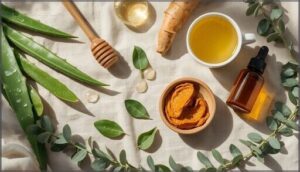
You don’t need to raid a pharmacy to tackle acne—your skin can benefit from natural ingredients that work with your body’s healing process.
While these remedies won’t replace medical treatment for severe acne, they can provide real relief for mild to moderate breakouts when used correctly. Here’s what the research shows actually works.
Tea Tree Oil
Tea tree oil stands out among natural remedies for acne treatment because it delivers real antimicrobial effects. Distilled from Melaleuca alternifolia leaves, this essential oil contains terpinen-4-ol, which targets acne-causing bacteria while reducing inflammation and redness.
You’ll need to dilute it with a carrier oil before applying it to your skin—pure tea tree oil can cause irritation, especially if you have sensitive skin.
Aloe Vera Gel
Aloe vera gel brings cooling relief to inflamed skin the moment you apply it. This natural remedy contains acemannan and vitamins C and E, which moisturize while supporting your skin’s barrier.
It accelerates wound healing by stimulating collagen synthesis and reduces redness through natural anti-inflammatory compounds. You’ll want pure gel without added fragrances—apply a thin layer to clean skin, reapplying as needed.
Honey and Cinnamon Masks
Mixing honey with cinnamon powder creates an antimicrobial powerhouse that targets acne-causing bacteria on your skin. Honey acts as a natural humectant, retaining moisture while reducing irritation, and cinnamon increases blood flow for a gentle warming effect.
Mix 2 tablespoons of raw honey with 1 teaspoon of ground cinnamon, patch test first to check for cinnamon allergy, then apply to clean skin for 5-15 minutes weekly.
Green Tea Application
Your morning tea can double as a powerful acne-fighting tool. When you place cooled green tea bags on blemishes for 5 to 10 minutes, catechins deliver anti-inflammatory properties that calm irritation and reduce redness fast.
Green tea facial toners and serums concentrate these benefits, offering antioxidant protection against environmental stressors while controlling excess oil production when applied morning and night.
Effective Skincare Routines for Clear Skin
You can’t just throw products at your face and hope for the best—clear skin demands a structured routine that works with your skin’s natural biology, not against it.
The right approach combines gentle cleansing, strategic exfoliation, and careful product selection to keep pores clear without triggering inflammation. Here’s what actually works when you’re building a routine that yields noticeable improvements.
Proper Cleansing Techniques
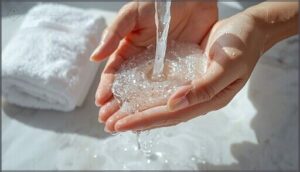
Your cleanser selection matters, but how you use it determines whether you’re helping or harming acne-prone skin. Here’s your dermatologist-approved skin care routine for proper cleansing:
- Rinse with lukewarm water to avoid thermal shock that irritates inflamed skin
- Apply cleanser using gentle circular motions (facial massage for 20-30 seconds lifts oil without stripping)
- Cleanse twice daily maximum to prevent over-drying that triggers rebound oil production
- Pat dry with clean towels instead of rubbing existing lesions
Exfoliation and Moisturizing
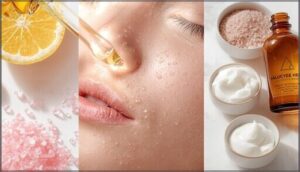
Once your skin is clean, gentle exfoliation clears dead cells that clog pores. Chemical exfoliants with salicylic acid (a beta hydroxy acid) penetrate oil to dissolve sebum plugs—start with 2% solutions two to three times weekly, not daily. Follow immediately with moisturizer containing humectants like hyaluronic acid and occlusives such as dimethicone to lock hydration in.
| Exfoliation Methods | Moisturizer Types |
|---|---|
| Salicylic acid 2% solution (BHA) | Hyaluronic acid serums (humectant) |
| Glycolic or lactic acid (AHA) | Ceramide-based creams (barrier repair) |
| Fine-grain physical scrubs (gentle) | Dimethicone formulas (occlusive seal) |
Your skin barrier needs support after exfoliation—apply moisturizer within one minute to enhance absorption and prevent the rebound oil production that worsens breakouts.
Avoiding Pore-Clogging Products
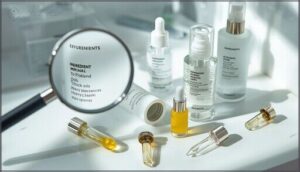
After you’ve established a solid cleansing routine, scrutinize product ingredient lists for heavy waxes, thick plant butters, and high-comedogenic fatty alcohols—ingredients that trap oil and dead skin.
Choose oil free formulas and noncomedogenic labels (rated 2 or below) in your skin care product recommendations, favoring gentle surfactants and pore friendly textures over occlusive creams that block natural skin turnover.
Diet and Lifestyle Changes to Fight Acne

Your skin doesn’t exist in isolation—what you eat, how much water you drink, and how well you manage stress management can all directly influence acne severity.
While topical treatments work from the outside, addressing internal factors gives your skin the support it needs to heal and stay clear.
Here’s what actually matters in terms of diet modifications and lifestyle modifications.
Foods to Eat and Avoid
Your fork isn’t just for fueling your day—it’s a powerful tool in your acne treatment options arsenal. Strategic dietary changes targeting nutrient balance and inflammatory foods can transform your skin health and wellness from the inside out.
Foods to prioritize for clear skin:
- Fatty fish like salmon and mackerel deliver omega-3 fatty acids, healthy fats that combat inflammation
- Berries including blueberries and strawberries pack antioxidant firepower against skin damage
- Leafy greens such as spinach and kale supply vitamins A, C, and K for cellular renewal
- Avocado provides monounsaturated fats supporting hydration and reducing inflammatory responses
- Nuts and seeds like almonds and chia seeds offer vitamin E and zinc essential for repair
Skip refined sugars, dairy products, and processed foods high in simple carbohydrates—these trigger insulin spikes that ramp up oil production. Food allergens vary by individual, so watch for personal reactions. This nutritional therapy approach, focusing on diet and nutrition for acne alongside your topical treatments, gives you complete control over your skin’s future.
Hydration and Skin Health
Water intake isn’t optional—it’s foundational to your acne battle plan. Drinking eight glasses daily enhances skin elasticity by maintaining moisture in the outermost layer, the stratum corneum.
Proper hydration benefits include improved moisture balance, stronger barrier function against irritants, and faster healing from blemishes. Your dermatologist will confirm: adequate fluids reduce fluid retention and inflammation, giving you natural skincare support from within.
Managing Stress and Sleep
Chronic stress disrupts hormonal balance and triggers inflammatory responses that worsen acne.
You need seven to nine hours of sleep nightly—that’s when your skin repairs itself. Try mindful breathing for four minutes twice daily, or progressive muscle relaxation before bed.
These calming routines lower cortisol levels, improve sleep patterns, and support skin health better than many natural remedies alone.
Professional and Prescription Acne Solutions
When over-the-counter products aren’t cutting it, prescription treatments offer a powerful next step.
These medical-grade solutions work deeper and faster than anything you’ll find on store shelves, targeting stubborn acne at its source.
Your dermatologist can prescribe medications and perform in-office procedures that deliver serious results.
Oral and Topical Antibiotics
When over-the-counter options fall short, prescription acne treatments step in. Oral medications like doxycycline and minocycline target widespread inflammatory lesions, usually prescribed for three to six months.
Topical clindamycin and other topical creams work locally on stubborn spots. Your dermatologist will pair these antibiotic properties with benzoyl peroxide to minimize antibiotic resistance—a smart strategy for lasting results.
Hormonal Therapies
If hormonal fluctuations drive your breakouts—think menstrual flare-ups or persistent chin acne—you’re dealing with hormonal imbalance that demands targeted therapy options.
Your dermatologist may prescribe oral contraceptives or spironolactone to regulate hormone levels, restoring skin balance from within. These treatments tackle acne triggers at the source, often combined with retinoids (vitamin A derivatives) for thorough hormonal acne treatment that delivers real, lasting control.
Chemical Peels and Laser Treatments
When topical treatments fall short, chemical peels for acne and laser resurfacing step in to deliver skin rejuvenation that transforms stubborn acne scars and texture issues. Your dermatologist uses cosmetic dermatology procedures customized to your concerns:
- Light chemical peels target mild acne and uneven tone
- Medium peels address moderate acne scars and sun damage
- Fractional laser therapy creates controlled micro-injuries for faster healing
- Laser and light therapy for acne reduce redness and improve texture
These facial renewal treatments require careful post-care—expect temporary redness, diligent sunscreen use, and patience as improvements emerge over one to three months.
Preventing Future Acne Breakouts
Treating acne is one thing, but keeping it from coming back requires a different approach. You need a solid defense plan that targets the root causes, not just the symptoms.
Here’s what you should focus on to break the acne cycle for good.
Daily Skincare Habits
Your skin care routines need consistency, not complexity, to prevent acne from taking control. Building daily skincare habits around evidence-based practices gives you the upper hand against breakouts while supporting skin health and wellness.
| Morning Routine | Evening Routine | Weekly Add-Ons |
|---|---|---|
| Cleanse with lukewarm water | Remove makeup completely | Skin Exfoliation 2-3 times |
| Apply SPF 30+ sunscreen | Nightly Cleansing ritual | Facial Massage for circulation |
| Product Layering: serum, moisturizer | Treatment serums first | Review natural skincare routines |
| Hydrate throughout day | Rich moisturizer application | Adjust products gradually |
Stick to this framework, and your skincare becomes automatic defense rather than desperate damage control.
Tips to Avoid Acne Triggers
Knowing your acne triggers puts you back in charge of your skin. While daily habits build your foundation, smart trigger avoidance keeps breakouts from ambushing you in the first place.
- Hair products matter: Wash hair regularly to prevent oil transfer to your face, and swap heavy pomades for lightweight, non-comedogenic serums that won’t clog follicles.
- Clean your environment: Change pillowcases weekly and wipe phone screens daily to eliminate hidden sources of dirt, oils, and bacteria that migrate straight to your pores.
- Mind your diet: Limit high-glycemic foods and dairy products, which research links to increased sebum production and inflammation, two major acne triggers you can control.
Stress management deserves attention too—elevated cortisol levels directly stimulate your sebaceous glands, ramping up oil production when you’re already overwhelmed. Stay hydrated, get seven to nine hours of sleep nightly, and shower immediately after workouts to prevent sweat from sitting on your skin. These healthy habits aren’t just prevention—they’re your rebellion against letting acne dictate your confidence.
Stress fuels breakouts by spiking oil production, so hydrate, sleep well, and shower post-workout—these habits are your rebellion against acne
When to See a Dermatologist
Sometimes your best efforts aren’t enough, and that’s when professional help changes everything. Schedule a dermatologist visit if over-the-counter treatments fail after eight to twelve weeks, you notice acne scarring, or painful cystic acne develops deep beneath your skin. A proper skin examination can rule out other dermatological conditions while unlocking prescription acne treatments that target stubborn breakouts.
| Warning Sign | What It Means | Action Timeline |
|---|---|---|
| Persistent acne despite OTC use | Standard treatments aren’t addressing root causes | 8-12 weeks |
| New or changing moles | Potential skin cancer or suspicious lesions | Immediate evaluation |
| Deep, painful nodules | Cystic acne solutions require prescription strength | Within days |
| Scarring or pigment changes | Professional intervention prevents permanent damage | Prompt consultation |
Frequently Asked Questions (FAQs)
How do I get rid of acne asap?
Start with a spot treatment containing benzoyl peroxide or salicylic acid, apply ice to reduce inflammation, and use a hydrocolloid patch overnight.
These fast remedies target pimple reduction while preventing further breakouts.
How to remove acne in 24 hours?
True overnight removal isn’t realistic—that’s the harsh truth.
However, strategic spot treatments like benzoyl peroxide combined with salicylic acid, ice therapy, and tea tree oil can substantially reduce inflammation within 24 hours.
How to remove acne in 2-3 days?
You can noticeably reduce acne in 2-3 days by combining benzoyl peroxide spot treatments with salicylic acid cleansers, applying ice to calm inflammation, and maintaining a consistent routine with overnight acne solutions that target active breakouts.
How to get rid of acne fast?
You can reduce acne quickly by applying benzoyl peroxide or salicylic acid spot treatments, using ice to calm inflammation, and maintaining consistent cleansing with gentle products that won’t strip your skin’s natural oils.
I have severe acne. What can I do?
Severe acne demands prescription-grade intervention—think isotretinoin, hormonal therapies, or oral antibiotics paired with topical retinoids.
Skip DIY fixes; you need a dermatologist to prevent permanent scarring and manage deeper skin inflammation effectively.
How do I get rid of acne naturally?
Natural acne remedies like tea tree oil, aloe vera gel, and honey-cinnamon masks utilize antibacterial properties to calm inflammation and reduce lesions within days when applied consistently, offering gentle alternatives alongside conventional treatments.
How long does it take to get rid of acne?
Your acne timeline depends on severity and skin type.
Mild breakouts often clear within six to eight weeks using the right treatment, while moderate cases need eight to twelve weeks for meaningful pimple clearance.
How do I get rid of a stubborn acne spot?
Target the stubborn spot with a benzoyl peroxide 5 percent treatment to kill bacteria, then apply ice for one minute to calm inflammation and reduce swelling without damaging your skin barrier.
Can a dermatologist get rid of acne fast?
Absolutely—a dermatologist can practically work miracles on stubborn acne. Through cortisone injections, professional extraction, prescription-strength retinoids, and targeted medical intervention, you’ll see dramatic improvements within 24 to 48 hours after your skin examination.
How can I manage my persistent acne?
Stick with your treatment plan for at least 8 to 12 weeks, combining consistent over-the-counter acne medications with a gentle skin care routine, proper hydration, and stress management for lasting acne management results.
Conclusion
No one should suffer through another week of waiting for acne to fade on its own. You now have the complete playbook on acne that shows how to get rid of acne fast—from emergency spot treatments that calm inflammation within hours to prescription solutions that transform stubborn breakouts.
Start with benzoyl peroxide tonight, fix your cleansing routine tomorrow, and consult a dermatologist if over-the-counter options don’t deliver within two weeks. Your clearest skin is closer than you think.