This site is supported by our readers. We may earn a commission, at no cost to you, if you purchase through links. This content is for general informational and educational purposes only and is not a substitute for professional medical, dermatological, or nutritional advice.
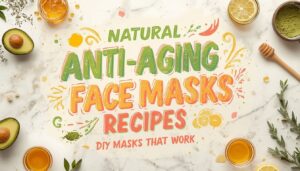
Your kitchen holds better anti-aging ingredients than most drugstore shelves. Honey, avocado, matcha—these aren’t trendy wellness extras. They’re humectants, antioxidants, and barrier-builders that estheticians have recommended long before "clean beauty" became a hashtag.
The catch? Most people either don’t know how to use them or assume homemade means ineffective.
Each natural anti-aging face mask recipe, ahead, costs under $2 per batch and uses ingredients you likely already own—with real results to show for it.
Table Of Contents
- Key Takeaways
- Natural Anti Aging Face Masks
- Best Anti Aging Face Mask Recipes
- DIY Anti Aging Face Masks at Home
- How to Apply a Face Mask Properly
- Face Mask Ingredients for Anti Aging
- Homemade Anti Aging Face Mask Recipes
- Facial Masks for Different Skin Types
- Tips for Choosing The Right Face Mask
- Benefits of Regular Face Mask Use
- Common Mistakes to Avoid When Using Face Masks
- Frequently Asked Questions (FAQs)
- What is the best home made for anti-aging for face?
- What is the best homemade anti-aging face mask?
- What is the best natural anti-aging ingredient?
- What is the best natural mask to tighten skin?
- What is the best home remedy for anti-aging?
- What is the best natural face mask for aging skin?
- How to make your own anti-aging face mask?
- What are the best ingredients for anti-aging face mask?
- How do you make a natural collagen face mask?
- How often should I use a face mask?
- Conclusion
Key Takeaways
- Your kitchen staples like honey, avocado, turmeric, and matcha work as real anti-aging ingredients — they hydrate, fight free radicals, and support collagen for under $2 a batch.
- Match your mask to your skin type: clay for oily, honey or avocado for dry, and gentle options like cucumber or yogurt for sensitive skin.
- Always patch test new ingredients on your wrist for 24 hours before applying to your face — even familiar foods can surprise reactive skin.
- Using masks 1–2 times a week consistently delivers better results than sporadic use, and proper removal (lukewarm water, pat dry, moisturize immediately) matters just as much as what’s in the mask.
Natural Anti Aging Face Masks
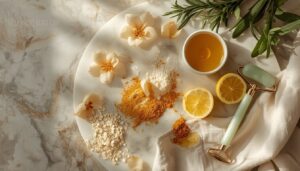
Natural anti-aging face masks don’t have to cost a fortune or come in fancy packaging. Your kitchen already holds ingredients that can genuinely improve your skin over time.
Pairing these ingredients with a consistent routine can make a real difference — homemade anti-aging face masks are a great place to start building one.
Here’s what you need to know before mixing your first batch.
Benefits for Skin Health
When you swap out synthetic formulas for natural skincare, your skin notices immediately. DIY masks deliver real results — not just a glow, but actual barrier reinforcement, antioxidant defense, and deep hydration that plumps fine lines from within.
- Collagen stimulation and skin renewal — ingredients like honey and avocado actively support collagen production, keeping skin firmer longer.
- Inflammation reduction and skin luminosity — calming botanicals quiet redness, leaving your complexion visibly clearer and brighter.
Choosing The Right Ingredients
Start with your skin type — it’s your best guide. Oily skin does well with clay, while dry skin leans toward avocado or honey.
Allergen Awareness matters too; nut-based oils can trigger reactions, so always patch test first. Think about Texture Compatibility and Active Concentration — too many strong ingredients in one mask increase irritation risk.
Ingredient Synergy works best when you keep the recipe simple. And check Shelf Life: fresh always wins.
Best Anti Aging Face Mask Recipes
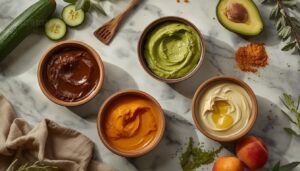
Think of these as your starter kit — four DIY natural anti-aging face mask recipes that actually deliver.
- Honey Cocoa Smoothing Mask — Mix 1 tsp honey, 1 tsp cocoa powder, and 2 tsp milk. Ingredient synergy here is real: honey locks in moisture while cocoa’s antioxidants fight free‑radical damage.
- Matcha Cucumber Hydration Mask — Combine 1 tbsp cucumber puree, 1 tsp coconut oil, and ½ tsp matcha powder. Leave it on for 15–20 minutes for full antioxidant protection.
- Turmeric Glow Mask — Blend 1 tsp turmeric with yogurt for a smooth, spreadable paste that promotes collagen production and calms inflammation.
- Avocado Apricot Conditioning Mask — Mash both fruits into a creamy base. They are perfect natural ingredients for youthful skin, especially dry or mature types.
Cost comparison: each batch runs under two dollars — far less than any department store anti-aging masks.
For more antioxidant‑rich options, see the antioxidant rich masks guide.
DIY Anti Aging Face Masks at Home
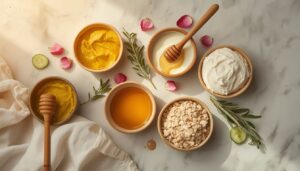
You don’t need a spa appointment to get real results. These five masks use ingredients you likely already have sitting in your kitchen.
Whether you’re tackling dryness or damage, these DIY hair masks for split ends prove your pantry is all the salon you need.
Pick one that sounds good and give it a try.
Honey and Cocoa Powder Face Mask
This two-ingredient mask is a quiet powerhouse. Mix one teaspoon of honey with two teaspoons of cocoa powder until you get a smooth paste consistency — no dry clumps.
Cocoa powder delivers polyphenol antioxidants that support collagen production and fight free‑radical damage. Honey keeps everything moisturizing and spreadable.
Apply to clean skin, avoid your eye area, and wait 15 minutes. For sensitive skin adjustments, rinse at 10 minutes.
Always protect your towels — stain management is real with this one. Follow with post‑mask moisturizing to seal in hydration.
Matcha and Cucumber Face Mask
This mask is your green team for glowing skin. Matcha brings a serious Catechin Antioxidant Boost — those EGCG compounds work hard on free radicals — while cucumber delivers that Cooling Refresh Effect, your skin craves. Together, they create a natural Green Tea Barrier against everyday damage.
- Blend one teaspoon matcha powder with two tablespoons pureed cucumber into a smooth DIY Paste Consistency.
- Apply evenly, skip the eye area, and wait 15–20 minutes.
- Rinse with cool water, then moisturize immediately.
This Sensitive Skin Calming combo makes natural skincare feel easy — real skin rejuvenation through simple anti‑aging masks.
Turmeric Anti-Aging Face Mask
Turmeric’s curcumin is one of the hardest-working compounds in natural anti-aging face mask recipes — it fights inflammation, promotes collagen production, and brightens dull skin all at once.
| Ingredient | Amount |
|---|---|
| Turmeric powder | 1 teaspoon |
| Sweet almond oil | 1 tablespoon |
| Oatmeal powder | 1 pinch |
| Vitamin E oil | 2 drops |
Stir the turmeric into the almond oil first — this simple step improves Curcumin Stability and helps with Staining Prevention. Getting your Ingredient Ratios right keeps the paste spreadable.
Apply this turmeric face mask twice weekly, avoid the eye area, and follow Storage Guidelines by refrigerating leftovers up to five days. Always patch test for Skin Sensitivity before full application.
Avocado and Apricot Face Mask
Ripe avocado and fresh apricot make one of the most skin-loving combos in DIY natural antiaging face masks. Together, they deliver fatty acid hydration, antioxidant protection, and a real vitamin A boost — exactly what mature skin craves.
- Mash ¼ ripe avocado with ½ fresh apricot until smooth
- Add 3–4 drops of jojoba or argan oil
- Apply evenly to clean skin, avoiding the eye area
- Leave on 15–20 minutes, then rinse with warm water
The creamy texture benefits your skin by helping the mask cling evenly across your face. For seasonal fruit variations, swap fresh apricot with mango. Refrigerate leftovers and follow shelf life tips — use within five days. Consistent weekly use promotes collagen production naturally.
Banana and Orange Peel Powder Face Mask
Bananas and orange peel powder are a quietly excellent duo for anti‑aging masks. Banana hydration keeps skin plump while the peel’s antioxidant boost and citrus brightening work on dullness and uneven tone — texture smoothing you can actually feel.
| DIY Ratio Tips | Details |
|---|---|
| Mashed banana | ½ ripe banana |
| Orange peel powder | 1 tablespoon |
| Yogurt | 2 tablespoons |
| Leave on | 20 minutes |
| Frequency | 1–2x per week |
Mix into a thick paste, apply evenly to your banana face mask routine, and rinse with warm water. Follow with moisturizer. This orange peel powder mask promotes natural collagen production with zero harsh chemicals.
How to Apply a Face Mask Properly
Even the best face mask won’t do much if you’re not applying it the right way.
few simple steps make all the difference between glowing results and wasted effort.
Here’s how to get it right, from start to finish.
Preparing Your Skin
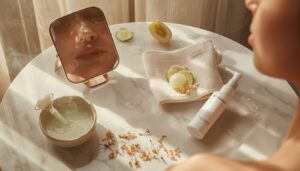
Clean skin is your starting point — everything works better on a fresh canvas. A gentle cleansing routine removes dirt, oil, and leftover makeup so your mask can actually do its job. Wash your hands first — hand hygiene before touching your face matters more than most people think.
Here’s how to prep right:
- Use lukewarm water and a mild cleanser — no stripping, no irritation
- Add light exfoliation prep once a week to clear dead skin buildup
- Apply a quick hydration boost if your skin feels tight after cleansing
- Focus on barrier support prep — calm skin absorbs ingredients better
- Patch test any new ingredient on your wrist 24 hours before full use
Applying The Mask
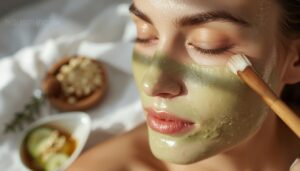
Even layering is everything — think of spreading the mask like frosting a cake, smooth and consistent from cheek to jaw. Use a clean brush or fingertips (tool hygiene) matters here), and keep mask thickness even so nothing dries faster than the rest. Air pocket prevention is simple: press gently outward as you go.
- Work from the center of your face outward
- Skip the eye area and nose corners
- Keep timing consistency — set a timer for 10 to 15 minutes
Removing The Mask
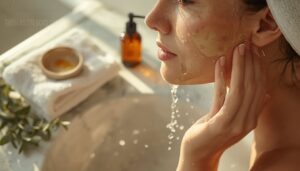
Once the mask is off, how you treat your skin next matters just as much.
Rinse with cool to lukewarm water — the temperature of the water really does affect how your skin feels afterward.
Hot water increases redness, so skip it.
Pat dry with a soft cloth, never rub.
Then apply your moisturizer immediately while skin is still slightly damp.
Locking in hydration on damp skin is one of the easiest natural body exfoliation methods to get right, and it makes a real difference in how soft your skin stays.
- Residue removal techniques: check your jawline and hairline where stubborn bits hide
- Postmask care: rest 10–15 minutes before layering other products
- Skin barrier support through natural oils or ceramide-based creams locks in hydration fast
Face Mask Ingredients for Anti Aging
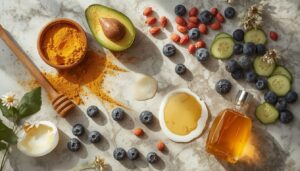
What you put in your mask matters just as much as how you use it. The right ingredients can genuinely change what your skin looks and feels like over time.
Here’s a closer look at what to reach for — and what to leave on the shelf.
For instance, options like tea tree oil shampoo and green tea extract can cut down excess oil by targeting the fungal and hormonal culprits behind it — check out this guide to managing oily hair naturally for more ideas.
Natural Ingredients for Skin Health
Your kitchen and pantry are quietly stocked with some of the best natural ingredients for skin health.
Honey pulls moisture in like a magnet, while aloe hydration keeps your skin plump between masks.
Add a plant oil emollient like squalane moisturizer or jojoba, and your skin barrier stays soft, not greasy.
Polyphenol olive extracts and seaweed antioxidant compounds fight the free radicals that speed up aging — making your natural anti aging face mask recipes work harder for you.
Avoiding Harsh Chemicals
Those natural ingredients do the heavy lifting — but knowing what to leave out matters just as much. Many store-bought products hide parabens, sulfates, and alcohol denat deep in their ingredient lists. Ingredient Label Scanning helps you spot these fast.
Your DIY antiaging face mask recipes skip all of that. They’re naturally preservative free, fragrance-free masks, and alcohol-free masks by default.
Low stimulation bases like oatmeal, honey, and yogurt keep your skin calm and supported.
- Choose organic fruits and cold-pressed oils for clean, natural ingredients
- Avoid any label listing "parfum," sulfates, or quaternium compounds
- Stick to natural anti aging face mask recipes using avocado, yogurt, and raw honey
Homemade Anti Aging Face Mask Recipes
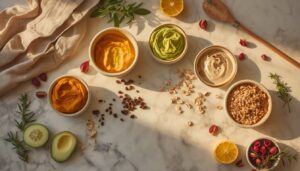
These recipes are simple to make and use ingredients you probably already have in your kitchen. Each one targets a specific skin concern, from dullness to dryness to tired eyes.
Here are five homemade masks worth trying.
Brightening and Lightening Mask
Three ingredients. Real results.
Mix one tablespoon each of plain yogurt, fresh lemon juice, and sandalwood powder for a simple brightening mask that punches above its weight.
Yogurt delivers gentle enzyme exfoliation, while lemon works as one of the most effective natural brightening agents for uneven tone — your own Vitamin C Boost.
Apply twice weekly, and always follow with SPF. Lemon increases sun sensitivity, so don’t skip that step.
“Caught With Egg on Your Face” Mask
Don’t let the name fool you — getting caught with egg on your face might actually be a good thing.
Egg whites deliver real Egg White Tightening, temporarily firming skin and supporting wrinkle reduction as part of your anti-aging masks routine. Apply the white first, let the Cooling Drying Effect do its work for about 30 minutes, then try the Tissue Removal Technique for a satisfying peel‑off finish.
Follow with the yolk for a Yolk Nutrient Boost that encourages collagen boost and skin renewal.
Always review Allergy Safety Tips and patch test first.
Remedy for Better Looking Eyes
Tired eyes age your face fast — and they deserve their own routine.
Start with a Cold Compress held over closed lids for 10 minutes to reduce under-eye puffiness. Swap in a Green Tea Eye soak using cooled tea bags for antioxidant support. Lay Cucumber Eye Slices on for 15 minutes to calm and refresh. Follow with a Hyaluronic Eye Gel and finish with a Gentle Eye Massage to visibly soften dark circles.
Avocado Honey Face Mask
Mash half a ripe avocado into a smooth paste, then stir in one tablespoon of raw honey until the blend consistency is completely lump‑free. That creamy texture means better coverage and a genuinely pleasant user experience.
Honey locks in moisture while delivering an antioxidant boost that fights early signs of aging.
Apply this avocado face mask weekly, leave it on for 20 minutes, then rinse with lukewarm water.
Rejuvenating Face Mask
This rejuvenating mask works like a reset button for tired skin. Each ingredient pulls its weight — together, they deliver gentle exfoliation, humectant hydration, and real collagen support in one simple treatment.
- Facial clay — draws out impurities for deep hydration and cleaner pores
- Instant oatmeal — buffs away dull cells with gentle exfoliation
- Powdered milk — provides natural antioxidants for skin health and a subtle antioxidant boost
- Olive oil — enhances collagen production, boosting methods and elasticity
- Honey — locks in moisture like nature’s own peptide infusion
Mix equal parts, apply for 15 minutes, rinse clean.
Facial Masks for Different Skin Types
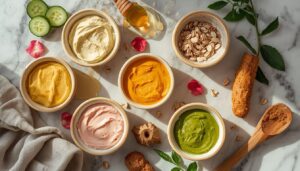
Not every skin type plays by the same rules, and your face mask shouldn’t either. The good news is that your kitchen already holds ingredients that work with your skin, not against it.
Here are five mask types worth knowing about.
Banana Facial Masks
Bananas might be the most underrated ingredient in natural anti aging face mask recipes. They’re packed with silica, which is tied to that silica elasticity boost your skin craves as it ages — firmer, bouncier skin from something sitting on your counter. That’s banana antioxidant power at work, helping shield against everyday environmental damage.
For your DIY antiaging face mask, mash one ripe banana into a smooth paste and apply it to clean, dry skin — avoiding the eye area. Leave it on 10 to 15 minutes, then rinse with lukewarm water. Want more? A banana and honey mask layers in antibacterial moisture, or try banana curd and honey for a creamier banana face mask with extra softness.
If banana masks have you curious about going fully homemade, this natural skincare routine using DIY ingredients shows how easy it is to ditch the store-bought stuff for good.
For congested skin, pair this routine with apple cider vinegar blackhead removal tips for a clearer-looking complexion.
For peel off texture, mix in a gel-forming ingredient. Store leftovers refrigerated and always run allergy screening steps before your first full application.
Vinegar Facial Masks
Apple cider vinegar is one of those pantry staples that quietly earns its place in natural anti-aging face mask recipes. It works through acidic exfoliation — gently loosening dead cells without a scrub. The trick is getting your dilution ratios right, especially if you have skin sensitivity.
Here’s how to do it safely:
- Mix 1 tablespoon apple cider vinegar with 2 cups water for a rinse, or equal parts ACV and water for a mask.
- Add buffer ingredients like honey or oatmeal to calm the acidity.
- Follow application timing — leave it on 10–20 minutes, then rinse with tepid water.
These DIY face masks fit naturally into any anti-aging masks routine.
Milk Facial Masks
Where vinegar brings the acid punch, milk takes a softer approach. It contains lactic acid for gentle exfoliation and natural fats and proteins that soften and nourish without stripping your skin.
| Ingredient | Benefit |
|---|---|
| Milk + honey | Anti-aging masks for dry skin |
| Milk + egg white | Firming and pore-tightening |
| Milk + yogurt | Probiotic boost with lactic acid exfoliation |
Always patch test first — milk safety precautions matter, especially for sensitive skin.
Oatmeal Facial Masks
If milk masks feel like a gentle reset, oatmeal takes it further. Oats contain avenanthramides — compounds known for soothing redness — plus beta‑glucan for deep hydration that actually holds moisture against your skin. That makes oatmeal a go-to antiaging face mask for sensitive types.
For paste consistency, mix:
- 1 tablespoon ground oats with milk for gentle exfoliation
- Add honey for natural skincare and skin rejuvenation
Mayonnaise Facial Masks
Mayonnaise might seem like an odd skincare choice, but hear it out. It’s a natural oil emulsion packed with egg yolk nutrition — fats and proteins that soften dry, aging skin without stripping it.
Spread a thin layer on clean skin, wait 15 minutes, then rinse.
Just know the allergy risk is real: vinegar and oils can irritate sensitive skin. Patch test first, store leftovers refrigerated, and you’ve got a surprisingly effective DIY safety win.
Tips for Choosing The Right Face Mask
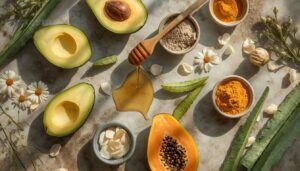
Picking the right mask isn’t complicated, but a little know-how goes a long way. Your skin type and how your skin reacts to new ingredients are the two things that matter most.
Keep these tips in mind before you mix your next batch.
Considering Your Skin Type
Your skin type is your roadmap. Without knowing it, you’re just guessing — and guessing wastes time and money.
Start by checking your T-zone a few hours after washing. That tells you a lot about your oil balance right away.
Here’s how to match DIY face masks to what your skin actually needs:
- Oily skin — DIY face masks for oily skin work best with clay or charcoal to manage pore visibility and excess shine.
- Dry skin — DIY face masks for dry skin should focus on honey and avocado to meet deeper hydration needs.
- Combination skin — DIY face masks for combination skin apply clay on the T-zone and a gentler blend on drier cheeks to address mixed texture concerns.
- Sensitive skin — Sensitivity management calls for cucumber, aloe, or plain yogurt — nothing too active or fragrant.
- Mature skin — DIY face masks for mature skin lean on antiaging ingredients and their effects, like turmeric and vitamin E, to firm and brighten.
Patch Testing
Before you slather any new DIY anti‑aging face mask recipe onto your face, do a patch test first. It takes five minutes and can save you days of irritation.
Here’s how to patch test skin before using masks:
- Choose your spot — Apply a small amount to your inner wrist or behind your ear, not your face.
- Patch placement matters — Keep the area still and dry so the test reads accurately.
- Duration timing — Leave it on for 24 hours without disturbing it.
- Reading scores — Check for redness, itching, or swelling at the site.
Document what you used and how your skin responded. That’s a documentation practice worth keeping. Common pitfalls include skipping this step with "familiar" ingredients — even honey can surprise sensitive skin. Patch testing and skin sensitivity precautions go hand in hand with safe anti‑aging masks.
Benefits of Regular Face Mask Use
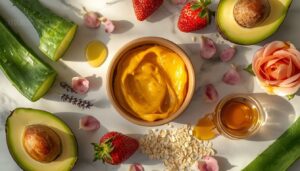
Sticking to a regular masking routine does more for your skin than most people realize. Over time, the results start to stack up in ways you can actually see and feel.
Here’s what consistent use can do for you.
Improving Skin Tone and Texture
Consistent masking works like a reset button for uneven tone. Gentle exfoliation clears dull surface cells, making way for a smoother complexion and better tone brightening.
Pair your mask routine with UV protection, a vitamin C brightening serum, and niacinamide balancing to target discoloration from every angle.
Barrier hydration keeps skin texture plump and even — and that’s when natural brightening agents for uneven tone really deliver glowing skin results.
Reducing Wrinkles and Fine Lines
Fine lines don’t stand a chance when you use anti‑aging masks consistently. Ingredients like turmeric and matcha deliver serious Antioxidant Defense, neutralizing free radical damage before it deepens into wrinkles.
Turmeric and matcha neutralize free radical damage before it ever deepens into wrinkles
A gentle Microcirculation Massage while applying your mask boosts blood flow for a fresher look. Here’s what works together:
- Collagen production boosting methods — avocado and egg white stimulate natural collagen renewal
- Peptide Infusion & Niacinamide Boost — target fine lines and support barrier resilience
- Senescence Targeting — natural antioxidants for skin health slow cell aging at the source
Hydrating and Nourishing The Skin
Think of your skin as a sponge — it only holds water well when the layers beneath it are reinforced.
Honey acts as a natural humectant, pulling moisture in through Humectant Synergy, while Avocado delivers a Barrier Lipid Boost that seals it there.
Together, they’re gentle enough for most skin types, making this honey and avocado face mask for dry skin a soothing weekly ritual.
These DIY skincare recipes combine deep hydration, NMF Enrichment, and Occlusive Layering into smart Moisture Retention Strategies that your skin actually reacts to.
Common Mistakes to Avoid When Using Face Masks
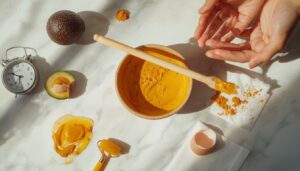
Even the best ingredients won’t save a mask that’s used the wrong way. Small slip-ups — things most people don’t think twice about — can leave your skin irritated instead of glowing.
Here are the most common mistakes to watch out for.
Over-Exfoliating
Your skin isn’t built for daily scrubbing. Excessive scrubbing strips away natural oils, triggers inflammation, and leaves your skin sensitive through the roof — sometimes for weeks.
That’s a hydration deficit your moisturizer alone can’t fix. Barrier recovery takes time, so protect it.
- Limit exfoliation to 1–2 times weekly
- gentle kitchen ingredients like oatmeal over gritty scrubs
- redness or stinging — both are inflammation triggers worth taking seriously
Not Removing The Mask Properly
Pulling off a mask too fast — or too rough — can undo everything you just did for your skin. Rinse with lukewarm water using soft, circular motions. No scrubbing, no tugging.
Contact avoidance matters here: touching the mask front during removal risks contamination transfer straight back onto clean skin. Dab dry with a fresh towel, then moisturize immediately to support your skin barrier.
Skip reusing old masks — mask reuse risks include bacteria buildup. Post-removal hygiene seals the whole routine.
Using The Wrong Ingredients
remove a mask matters — but what goes into it matters just as much. Wrong ingredients can cause real damage: fragrance irritation, allergic reaction risk, and acid overuse are more common than you’d think.
- Undiluted essential oils and citrus cause stinging, especially on sensitive skin.
- Incorrect ratios — too much turmeric, too little honey — make formulas harsh.
- Mold contamination grows fast in dairy-based masks stored improperly.
- Heat degradation strips beneficial compounds before they ever reach your skin.
chemical avoidance, understand your skin sensitivity and allergies, and always patch test first.
Frequently Asked Questions (FAQs)
What is the best home made for anti-aging for face?
power pairs—like honey blended with turmeric—deliver ingredient synergy that targets fine lines naturally.
DIY antiaging face masks support skin rejuvenation without harsh chemicals, making them smart antiwrinkle solutions for almost any skin type.
What is the best homemade anti-aging face mask?
The avocado honey mask is your best starting point. Mash half a ripe avocado with one tablespoon of honey, apply for fifteen minutes, then rinse with warm water.
What is the best natural anti-aging ingredient?
Think of honey as your skin’s best-kept secret — a true hydration powerhouse.
It pulls moisture in, fights bacteria, and strengthens your skin barrier, making it one of the strongest natural antioxidants for skin health you’ll ever find in your kitchen.
What is the best natural mask to tighten skin?
Egg white is your best bet for natural skin tightening.
Beat it until frothy, apply a thin layer, let it dry fully, then rinse with lukewarm water. You’ll feel the difference immediately.
What is the best home remedy for anti-aging?
The honey-yogurt combo is a top pick. Mix one tablespoon of Greek yogurt with one teaspoon honey, apply for fifteen minutes, then rinse.
It delivers a hydration boost, gentle exfoliation, and real barrier repair — simply and cheaply.
What is the best natural face mask for aging skin?
For aging skin, your best bets combine deep hydration with antioxidant-rich ingredients.
Honey, avocado, turmeric, and yogurt each bring real benefits — and together, their ingredient synergy makes them genuinely hard to beat.
How to make your own anti-aging face mask?
Making your own anti-aging mask is simpler than it sounds.
Mash half an avocado with a teaspoon of honey, apply to clean skin, wait fifteen minutes, then rinse with lukewarm water.
What are the best ingredients for anti-aging face mask?
The right ingredients make all the difference.
For real results, reach for turmeric, avocado, and honey — then layer in Retinol Boost, Vitamin C Power, Peptide Firmness, Hyaluronic Hydration, and Niacinamide Barrier support.
Rosehip oil and vitamin E oil round things out beautifully.
How do you make a natural collagen face mask?
Your skin quietly loses collagen every year after Beat one egg white until foamy, mix with a teaspoon of honey and yogurt, then apply for 15 minutes to firm skin naturally.
How often should I use a face mask?
Most people do best with 1–2 masks per week. Match your mask frequency to your skin type — oily skin can handle 3 times weekly, while sensitive skin needs just once.
Conclusion
The best natural anti aging face mask recipes don’t require a spa, a big budget, or a chemistry degree. They require a ripe avocado, a spoonful of honey, ten minutes, and consistency.
Your skin doesn’t need more products—it needs the right ones.
Start with one mask this week. Notice what changes. Then build from there.
What’s already in your kitchen may be exactly what your skin has been waiting for.