This site is supported by our readers. We may earn a commission, at no cost to you, if you purchase through links. This content is for general informational and educational purposes only and is not a substitute for professional medical, dermatological, or nutritional advice.

Coarse, wiry hair chews through a standard blade in three shaves flat, leaving you with tug, drag, and a jawline covered in razor bumps by Thursday. Most guys blame their technique when the real problem sits in their bathroom drawer: the wrong blade for the job.
Thick facial hair needs specific metal and coating combinations to cut clean instead of pulling and snapping each strand. Platinum coatings glide where cheap steel catches, and blade geometry matters just as much as sharpness.
Get the pairing right, and shaving stops being a fight. Here’s what actually holds up against coarse hair, blade by blade.
Table Of Contents
- Key Takeaways
- Top 8 Razor Blades for Coarse Hair
- How to Choose Blades for Coarse Hair
- Matching Razor Blades With Razor Types
- How to Shave Coarse Hair Comfortably
- Razor Blade Lifespan and Maintenance
- Frequently Asked Questions (FAQs)
- What is the best razor for thick, coarse hair?
- How to shave very coarse hair?
- What is the best lady shaver for coarse hair?
- Which razor is best for thick hair?
- How often should I replace coarse hair blades?
- Can electric razors handle very coarse facial hair?
- Whats the ideal shaving frequency for coarse hair?
- Do blade angles matter for thick hair types?
- Should I use cold or hot water when shaving?
- Conclusion
Key Takeaways
- Your blade material matters more than your technique—platinum or chromium coatings on stainless steel cut through coarse hair cleanly, while cheap steel just drags and snaps it.
- You’ll get the best results from open comb or slant razors, since they lift stubborn, wiry hair for a cleaner cut instead of letting it clog the blade.
- Prep work makes or breaks your shave—warm water to open the cuticle, mapped grain direction, and light pressure with short strokes all matter before the blade ever touches skin.
- Expect 5 to 12 shaves per blade depending on your technique and hair density, and rinsing, drying, and storing blades properly (below 40% humidity) stretches that lifespan further.
Top 8 Razor Blades for Coarse Hair
Coarse hair chews through cheap blades fast, so you can’t afford to guess here. I’ve tested dozens of double edge and single edge options on thick, wiry beards, and only a handful earned their spot. Here are the eight that actually hold up.
For a deeper dive into what separates the winners from the duds, check out this full breakdown of the best beard trimmers for thick, coarse hair.
1. Gillette Double Edge Razor Blades
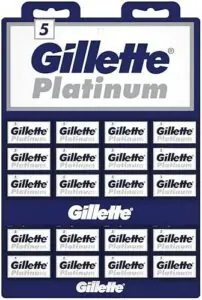
Coarse stubble is unforgiving, and Gillette’s platinum-coated double edge blades are built to fight it head-on. The stainless steel base gives you rigidity, while the platinum coating cuts friction so the blade glides instead of dragging through thick growth.
Each blade carries a tapered edge, ground to bite into wiry hair without the yanking that leads to irritation. You’ll get several clean passes before dulling sets in, and the sealed, wax-wrapped packaging keeps corrosion away until you’re ready to shave.
For barbers splitting blades for straight razor work, that consistent edge geometry matters. It holds up shave after shave.
| Best For | Men with coarse or thick stubble who want a close, low-irritation shave using a standard double edge safety razor, including barbers who split blades for straight razor use. |
|---|---|
| Material | Stainless Steel |
| Coating | Platinum |
| Blade Type | Double Edge |
| Packaging | Wax-Wrapped |
| Best Use | Coarse Stubble |
| Origin | USA |
| Additional Features |
|
- Platinum and polymer coated stainless steel construction glides smoothly through thick hair with less drag
- Individually wax-wrapped blades stay protected and hygienic until use, and one blade offers multiple shaves
- Generous 100-count pack in 20 tucks of 5 means great value and fewer reorders
- Some users report shorter-than-expected blade lifespan
- Feedback on longevity is mixed despite the high quantity per pack
- Not always eligible for Prime shipping, depending on where you buy
2. Astra Platinum Double Edge Razor Blades
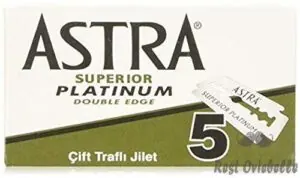
If Gillette is the heavyweight, Astra Platinum is the workhorse you reach for daily. Made in India with a stainless steel heart, the platinum coating gives you a slick glide through wiry hair without much drag.
Sharpness holds up well past the first shave, staying strong through three or four uses before you notice any pull. That’s rare at this price point.
Best part? You’re paying pennies per blade, so testing your ideal blade angle and pressure won’t drain your wallet. The stainless base resists rust between shaves too, which matters if you’re storing spares in a humid bathroom.
For coarse, stubborn stubble, this is a proven starting point.
| Best For | Anyone who shaves daily and wants a reliable, budget-friendly blade that handles coarse or stubborn stubble without irritation. |
|---|---|
| Material | Stainless Steel |
| Coating | Platinum |
| Blade Type | Double Edge |
| Packaging | Individually Wrapped |
| Best Use | Daily Coarse Stubble |
| Origin | India |
| Additional Features |
|
- Durable stainless steel construction that resists rust, even in humid storage
- Holds a sharp edge through three or four shaves before performance drops off
- Extremely affordable, making it easy to experiment with blade angle and pressure
- Some users report occasional nicks or cuts during use
- Blade lifespan depends on hair coarseness and how often you shave
- Overall performance can vary based on individual shaving technique
3. Bic Double Edge Razor Blades
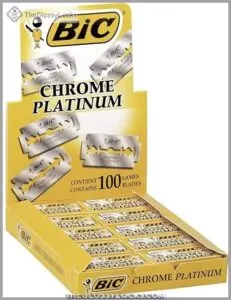
Once you’ve got the Astra habit down, Bic Double Edge is the next logical stop, and it’s built for guys who shave daily without fuss.
Triple-honed stainless steel, chrome platinum, Teflon coating: that combo cuts thick whiskers clean, no wrestling required.
Expect 3-4 solid shaves per blade before it fades. At about a dime a blade, you can burn through a pack testing angles without flinching at the cost. Simple, dependable, no drama.
| Best For | Daily shavers with coarse facial hair who want a dependable, no-fuss blade without paying premium prices. |
|---|---|
| Material | Stainless Steel |
| Coating | Chrome Platinum Teflon |
| Blade Type | Double Edge |
| Packaging | Individually Wrapped |
| Best Use | Daily Coarse Hair |
| Origin | Unspecified |
| Additional Features |
|
- Triple-honed stainless steel with chrome platinum and Teflon coating for a clean, close shave
- Delivers 3-4 solid shaves per blade at a very low cost per blade
- Individually wrapped for safety and sterility, with 50 blades total per box
- May feel too aggressive for those with sensitive skin
- Some users notice dulling after just 2-3 shaves
- Needs proper rinsing after each use to keep the edge lasting
4. Bluebird Single Edge Razor Blades
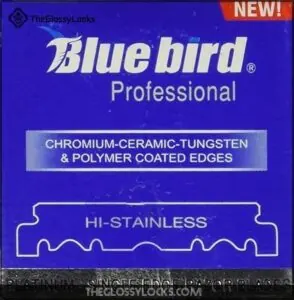
Bic’s built for daily grinding, but Bluebird takes a different approach entirely, since it’s a single edge blade made for straight razors and shavettes rather than your standard DE handle.
Hi stainless steel construction with chromium plating gives you a long-lasting edge that resists corrosion shave after shave. Barbers reach for these when clients want that close, controlled feel without babysitting a cartridge.
Pairing that precision with soothing aftershave balms built for professional settings keeps skin calm and irritation-free between visits.
The single edge design means less flex and more precision on tricky angles. If you’re comfortable with a shavette, Bluebird earns its spot on this list without hesitation.
| Best For | Barbers and shavette users who want a precise, occasional-use blade for fine facial hair and neck shaves rather than everyday coarse-beard shaving. |
|---|---|
| Material | Stainless Steel |
| Coating | Chromium Platinum |
| Blade Type | Single Edge |
| Packaging | Individually Wrapped |
| Best Use | Shavette Precision |
| Origin | Unspecified |
| Additional Features |
|
- Hardened stainless steel with a chromium ceramic tungsten platinum coating for a durable, corrosion-resistant edge
- Individually wrapped for hygiene, with a design compatible with most straight razors and shavette handles like Dovo, Focus, and Parker
- Well-suited to fine hair and neck shaves, giving barbers precise control on tricky angles
- Sharpness is inconsistent, with some users reporting blades that feel dull right out of the pack
- Not ideal for coarse hair or heavy beards compared to alternatives like Feather blades
- Edge retention varies from blade to blade, with some customers experiencing nicks
5. Derby Single Edge Razor Blades
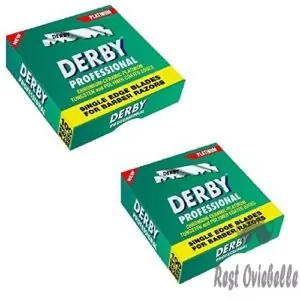
Turkey produces these from Swedish high carbon steel, and that pairing shows in how the blade experiences dense, wiry hair. The chromium-ceramic-platinum coating cuts friction a lot, so you get smooth gliding through tough areas without constant tugging.
Sharpness sits in the middle range, aggressive enough for coarse beards but forgiving on sensitive skin. That balance is why so many barbers keep a pack on the shelf for shavette work.
Each blade runs a few cents, and you’ll usually pull 3-5 solid shaves before performance drops. Wax paper wrapping protects the edge until you’re ready, and disposal afterward is genuinely mess-free. Reliable, consistent, no drama.
| Best For | Beginners and budget-minded shavers learning straight razor or shavette techniques who want a forgiving, low-cost blade for everyday use. |
|---|---|
| Material | Swedish High Carbon Steel |
| Coating | Chromium Ceramic Platinum |
| Blade Type | Single Edge |
| Packaging | Wax Paper Wrapped |
| Best Use | Straight Razor Beginners |
| Origin | Turkey |
| Additional Features |
|
- Very low cost per shave, especially when splitting blades across multiple shaves
- Forgiving performance that works well on thick beards and coarse hair
- Compatible with a wide range of shavette and straight razor brands
- Sharpness and longevity can vary noticeably between individual blades
- Some users experience nicks, razor burn, or tugging, especially with sensitive skin
- Quality and packaging consistency have been reported as unpredictable over time
6. stainless single edge razor blades
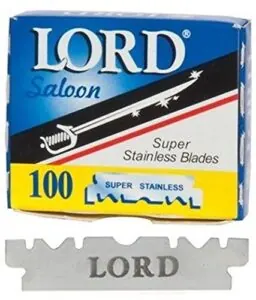
Bulk single edge blades, the kind that come 1000 to a box in wax paper wrapped strips, are a barbershop workhorse rather than a specialty item. Martensitic stainless steel gives them solid edge retention, and PTFE or polymer coatings cut drag on thick strands.
Reviews are mixed though. Some batches show up mislabeled as double edge, so check your razor’s compatibility before ordering a case. Sharpness varies shave to shave, which matters when you’re running through wiry, coarse hair all day.
Still, for high-volume shops, the thicker blade body controls rough hair well, and individual wrapping keeps things sanitary between clients.
| Best For | Professional barbershops that need a reliable, high-volume supply of single edge blades for daily client use. |
|---|---|
| Material | Martensitic Stainless Steel |
| Coating | PTFE Polymer |
| Blade Type | Single Edge |
| Packaging | Wax Paper Wrapped |
| Best Use | Barbershop Volume |
| Origin | Unspecified |
| Additional Features |
|
- Stainless steel construction offers solid durability and consistent shaving performance over time
- Individual wax paper wrapping keeps each blade sanitary and contamination-free between clients
- Bulk packaging of 1000 blades in 10 organized boxes makes restocking simple for busy shops
- Some customers report receiving double-edged blades despite single-edge labeling
- Sharpness and edge quality get mixed reviews, varying from batch to batch
- Not universally compatible with all single-edge razors, so checking your model beforehand is a must
7. Merkur Double Edge Razor Blades
Precision is the word that comes to mind with Merkur. These blades pair high carbon stainless steel with a fine, controlled grind built to fit standard two-piece DE razors at that classic 0.79mm thickness, so alignment stays true shave after shave.
They handle coarse, wiry hair without excessive drag, which cuts down on tugging that leads to nicks. Fit is solid across most traditional safety razors, not just Merkur’s own line.
Consistency is the real selling point here. Some barbers note earlier German-made batches felt sharper than newer Czech production, but overall edge retention and corrosion resistance remain dependable for daily use.
| Best For | Traditional wet shavers using standard double edge safety razors who want a precise, close shave and don’t mind testing blade fit before settling into a routine. |
|---|---|
| Material | High Carbon Stainless Steel |
| Coating | Platinum Teflon |
| Blade Type | Double Edge |
| Packaging | Individually Wrapped |
| Best Use | Traditional Wet Shaving |
| Origin | Germany/Czech Republic |
| Additional Features |
|
- Platinum and Teflon coating delivers smooth glide and solid corrosion resistance
- Compatible with virtually all standard DE safety razors, not just Merkur models
- Individually wrapped for hygienic, easy storage and handling
- Sharpness and blade life vary a lot, with some users getting as few as 4-8 shaves per blade
- Mixed comfort reports, including occasional razor burn, nicks, or irritation
- Some shavers notice less consistent edge retention since production moved from Germany to the Czech Republic
8. Muhle Stainless Steel Razor Blades
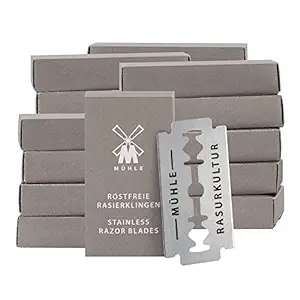
German engineering shows in these blades. Muhle’s stainless steel construction fits any standard double edge razor, and each ten-pack delivers consistent, corrosion-resistant edges shave after shave.
On coarse hair, they cut clean with minimal tugging, especially when paired with Muhle’s own razors. That precision engineering pedigree carries through.
Shelf life is solid too, thanks to the steel’s rust resistance. If you want German-made reliability without chasing exotic coatings, these earn their spot in your rotation.
| Best For | Wet-shaving enthusiasts who want an eco-friendly, cost-effective blade that delivers a close, irritation-free shave over the long run. |
|---|---|
| Material | Stainless Steel |
| Coating | None |
| Blade Type | Double Edge |
| Packaging | No Plastic Packaging |
| Best Use | Close Body Shave |
| Origin | Unspecified |
| Additional Features |
|
- Precision-honed stainless steel delivers a clean, comfortable cut without pulling or tugging
- Fully metal construction with no plastic packaging, reducing waste
- Compatible with all standard double edge safety razors
- Higher upfront cost compared to cartridge or budget blades
- Performance can vary depending on razor type and shaving technique
- Some users report inconsistent blade longevity despite extended-use claims
How to Choose Blades for Coarse Hair
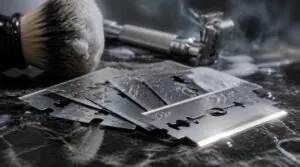
Picking the right blade for coarse hair isn’t guesswork, it comes down to a handful of specific factors. Sharpness, materials, comfort, durability, and consistency all play a part, and none of them work in isolation. Here’s what actually separates a great blade from one that’ll leave your skin raw.
Sharpness for Thick, Wiry Hair
Coarse facial hair fights back, thanks to a higher hair modulus that shrugs off dull edges. You need real initial bite, sharp edge geometry cutting clean on first contact. Low cutting resistance means fewer passes, less irritation. Sharp blades deliver a smooth exit too. That’s why razor blade sharpness retention matters more here than with fine hair.
Beyond blade choice, good coarse hair maintenance tips like regular trims and moisturizing conditioners can further ease the shave.
Blade Materials and Edge Coatings
What’s under the coating matters as much as the coating itself. Stainless steel forms the backbone of most blades, but platinum coating, chromium platinum blends, and tungsten ceramic coating layers boost glide and sharpness retention.
PVD coating adhesion and hollow ground geometry improve the edge microstructure, so blade edge exposure stays consistent shave after shave on tough, wiry hair.
Comfort for Irritation-Prone Skin
Sharpness means nothing if your skin can’t handle the pass. Coarse hair already tugs and pulls, so pair blade choice with fragrance-free lather and a soothing pre-shave routine.
- Use light, single-direction strokes
- Rinse blade often to clear buildup
- Apply balm to support your skin barrier
Gentle technique beats brute force every single time.
Durability and Cost Per Shave
Gentle technique saves your skin, but the wrong blade still costs you money.
Coarse hair rounds edges fast, so blade lifespan drops quick.
Stainless steel resists rust past 30 shaves with proper drying.
Cost runs 10 to 60 cents per shave, and multi-packs cut that by 20 to 40 percent.
Thicker edges mean fewer replacements.
Manufacturing Consistency and Transparency
Money’s only half the story. A blade that shaves great one week and drags the next tells you the factory’s cutting corners.
A blade that shaves great one week and drags the next reveals a factory cutting corners
Look for quality control processes, supplier audit transparency, and traceability systems tracking material provenance batch to batch.
- Documented supplier audits
- Batch-level traceability
- Change control records
- Consistent blade material sourcing
- Public quality summaries
That’s what keeps blade consistency across pack reliable, shave after shave.
Matching Razor Blades With Razor Types
A great blade can still shave rough if it’s stuffed in the wrong razor. Coarse hair punishes mismatches fast, so fit matters as much as sharpness. Here’s what to look for when pairing blades with your razor setup.
Double Edge Razor Compatibility
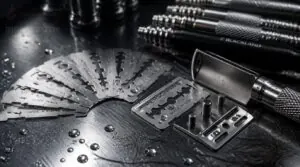
Good news: DE blades follow strict Blade Fit Standards, so any brand slides into any razor without fuss.
Universal Compatibility comes from shared mounting geometry, standard three-pin bases, and consistent blade gap. Razor Head Design centers the edge, and the blade spacer keeps steel off the plate. For coarse hair, that consistency matters: reliable razor and blade pairing means blade sharpness and durability stay predictable, shave after shave.
Single Edge Razor Compatibility
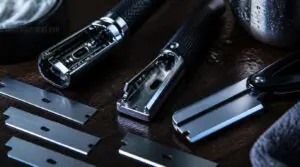
Single edge blades won’t fit a DE razor, so razor compatibility here comes down to matching blade lock mechanisms.
Injector style razors need specific packaging, GEM razor compatibility relies on standardized carriers, and barber style blades slide into their own fixed spine.
Open comb adapters help, but check your razor’s spec before buying single edge razor blades for coarse hair.
Open Comb and Slant Razors
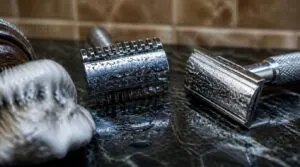
Head geometry matters more than blade brand once hair gets wiry. An open comb razor feeds longer stubble into the edge, cutting clogging and boosting blade exposure efficiency. A slant razor slices diagonally, so cutting angle favors speed with less pressure.
Both raise blade aggressiveness versus flat guards, so match your hand to the head before chasing sharper steel.
Adjustable Razor Aggression Settings
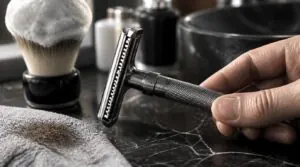
A twist-to-adjust dial is your throttle for coarse hair. Start mild, work up. Mid-range settings balance speed and comfort on dense growth. Higher numbers mean more blade exposure, so lock each click firmly to prevent razor chatter.
- Setting 1-2: sensitive skin, light stubble
- Setting 3-4: coarse hair sweet spot
- Setting 5-6: aggressive, open comb areas
- Adjust between passes, not mid-stroke
- Clean threads keep the dial honest
Blade Exposure, Gap, and Balance
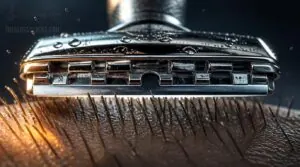
Three numbers decide your shave: exposure, gap, and balance. Blade exposure controls how much edge meets coarse hair, gap sets the cutting room behind it, and balance keeps contact even so the blade doesn’t chatter or skip.
Too much gap invites nicks. Too little kills shaving efficiency. Get all three aligned with your razor geometry, and rough hair stops fighting back.
How to Shave Coarse Hair Comfortably

The right blade only gets you halfway there, technique takes care of the rest. Coarse hair fights back if you rush it, so your prep and stroke matter just as much as what’s in the razor. Here’s exactly how to shave it comfortably, step by step.
Soften Coarse Hair Before Shaving
Skip this step and even the sharpest blade fights you. Warm water opens the cuticle, softening coarse hair before you touch a razor to it.
A steam towel for a few minutes, or just shaving after a warm shower, does the trick. Follow with a warm rinse lather so that softness carries through your first pass with shaving cream.
Map Facial Hair Growth Direction
Run your fingers across each zone before razor touches skin. This hair flow identification step separates a clean shave from an angry one.
Cheeks usually grow upward toward the cheekbone. Your upper lip fans outward from center to corners. Sideburns often curve diagonally near the jawline.
That’s grain pattern analysis in action, and coarse hair punishes anyone who skips it.
Use Light Pressure and Short Strokes
Once you know the grain, let the blade do the work. Coarse hair fights back if you press hard, so use light pressure and short, one-centimeter strokes. Keep the angle shallow and consistent.
This combo matters because it:
- Spares raw, irritated skin
- Prevents painful tugging
- Builds real shaving confidence
Limit Passes on Sensitive Areas
Light pressure keeps skin calm, but sensitive zones like your neck and jawline need less contact overall.
Shave with the grain first in these spots, no second passes hunting for a closer shave. Skin sensitivity runs high here, and coarse hair or not, extra strokes invite razor burn. Finish with a cooling balm to settle things down.
Prevent Razor Bumps and Ingrowns
Cooling balm helps, but preventing bumps starts earlier. Exfoliate before shaving to clear dead skin trapping hairs, then map growth direction since coarse hair curls back easily when cut against grain.
Keep pressure light, rinse blades often for sharpness, and moisturize after. This combo cuts down ingrown hairs and skin irritation better than any single fix alone.
Razor Blade Lifespan and Maintenance
Coarse hair chews through blades faster than fine hair, so knowing when to swap matters more than you’d think. A dull blade doesn’t just shave worse, it drags, tugs, and sets you up for irritation. Here’s what actually affects how long your blade lasts and how to stretch every shave out of it.
Expected Shaves Per Blade
Coarse hair chews through blades fast. Expect 5 to 12 shaves per blade, depending on technique and beard density. Light pressure, warm water, and good prep stretch that range higher. Heavy pressure or multiple passes shorten it. Stainless steel and platinum-coated blades hold their edge longer than carbon steel. Rinse, dry, and store blades properly to protect every shave you’ve got coming.
Signs a Blade is Dull
A blade past its prime tells on itself. Cutting performance drops, hair snags instead of slicing, and you’ll feel real resistance dragging across your jaw.
Check three things:
- Edge smoothness under light (keenness fades)
- Pulling or tugging on coarse strands
- More passes needed, upping razor burn risk
Swap it before skin sensitivity flares up.
Rinse and Dry After Shaving
Grab your blade the second you’re done and give it a real rinse, warm water for 15-30 seconds clears cream and stray hairs. Finish cool, 5-10 seconds, tightens pores and calms skin sensitivity. Pat dry, don’t rub.
This simple habit extends blade lifespan and cuts down razor burn on coarse hair fast.
Prevent Rust During Storage
Your bathroom’s humidity is a blade’s worst enemy, so keep it below 40 percent when you can. Store blades in a sealed non-reactive container with a desiccant packet to soak up leftover moisture.
For long-term storage, a light coat of rust preventive oil works wonders.
Skip salt air and harsh cleaners nearby, they’ll eat coatings fast.
Track Cost Per Comfortable Shave
Cheap blades that dull fast on coarse hair aren’t actually cheap. Divide cost per blade by expected shaves, factor your shaving frequency, and bulk packs often win. Watch hidden expenses too, pre-shave oils and balms add up.
Track a few weeks of real blade lifespan, then compare brands honestly. Blade sharpness and durability together decide your true cost per comfortable shave.
Frequently Asked Questions (FAQs)
What is the best razor for thick, coarse hair?
For coarse hair, a slant or open-comb razor wins hands down. They lift stubborn growth for a cleaner cut, pair well with sharp, durable blades, and give you the weight and control coarse hair genuinely demands.
How to shave very coarse hair?
Think Gillette going five blades deep, yet coarse hair laughs at overkill.
The fix: pre-shave oil, correct razor angle, taut skin, blade sharpness that actually cuts, cold rinse, then balm.
Technique beats hardware every time.
What is the best lady shaver for coarse hair?
Look for a wet/dry model with a strong motor, flexible head pivot, and solid battery life. Sharp, durable foil blades handle coarse hair better than cheap multi-blade razors, giving closer, more comfortable results with less irritation.
Which razor is best for thick hair?
For thick hair, go with an open comb or slant-bar razor, like the Merkur 37C. They expose more blade edge, following your hair growth patterns better and cutting dense strands without the tug.
How often should I replace coarse hair blades?
When your edge stops cooperating, it’s time for a fresh start. Swap blades every 3 to 5 shaves, sooner if wiry hair fights back or skin gets irritated, since dullness sneaks up fast on tough growth.
Can electric razors handle very coarse facial hair?
Yes, but it takes the right gear. Motor power efficiency and titanium coating for heat buildup reduction matter most. Rotary heads beat foils on coarse hair, though multiple passes and steady blade sharpness retention are non-negotiable.
Whats the ideal shaving frequency for coarse hair?
Slow and steady wins the race, and that’s true here too. Shave every 2 to 3 days, letting skin recover while coarse hair softens. Daily shaving irritates; waiting too long adds resistance and tugging.
If irritation does appear, knowing how to tell a keloid apart from a piercing bump helps you respond the right way before it gets worse.
Do blade angles matter for thick hair types?
Your razor fighting armor comes down to angle. Steeper blade angle boosts hair penetration and cutting efficiency on coarse hair, while adjusting exposure and razor aggression levels reduces skin contact, tugging, and irritation during your shaving technique.
Should I use cold or hot water when shaving?
Think of hot water as a warm handshake for stubborn whiskers: it softens hair and opens pores, letting blades glide clean. Cold water tightens skin but leaves coarse hair rigid, fighting your razor instead of surrendering to it.
Conclusion
A blade mismatch can wreck a week of skin faster than a dull clipper ruins a fade. The right razor blades for coarse hair aren’t luxury, they’re basic equipment for anyone tired of bumps and burn. Match the metal, mind the blade geometry, and rinse the edge like your jaw depends on it, because it does. Buy smart once, and every shave after feels like a clean pass, not a fight.