This site is supported by our readers. We may earn a commission, at no cost to you, if you purchase through links. This content is for general informational and educational purposes only and is not a substitute for professional medical, dermatological, or nutritional advice.
Your hair grows about half an inch a month, and every millimeter of that demands a steady supply of raw materials. When those run short, your follicles don’t complain loudly. They slow down, thin out, or shut off entirely.
That’s the part most people miss. Hair loss from nutrient gaps rarely announces itself overnight, which makes it easy to blame stress, genetics, or your shampoo while the real cause goes unnoticed.
The good news: your follicles respond remarkably well once you feed them what they need. Understanding the vitamins and minerals for hair growth gives you real control here, and the science behind each one is more practical than you’d expect.
Table Of Contents
- Key Takeaways
- How Vitamins and Minerals Support The Hair Growth Cycle
- Essential Vitamins for Hair Growth
- Essential Minerals for Strong, Healthy Hair
- Best Food Sources of Hair-Healthy Vitamins and Minerals
- Nutrient Deficiencies, Testing, and Safe Hair Supplement Use
- Frequently Asked Questions (FAQs)
- What is the strongest vitamin for hair growth?
- What vitamin am I lacking if my hair is falling out?
- What stimulates hair growth best?
- What are the big 3 for hair regrowth?
- Can stress or hormones affect hair vitamin needs?
- How long until vitamins improve hair growth?
- Do topical vitamin treatments work better than oral?
- Can too many vitamins damage hair health?
- How long until supplements improve hair growth?
- Can too many vitamins cause hair loss?
- Conclusion
Key Takeaways
- Hair loss from nutrient gaps develops slowly and is often misattributed to stress or genetics, but follicles respond well once deficiencies are corrected—though visible regrowth takes three to six months because hair reflects months-old nutrition.
- The most important nutrients for hair are iron (follicle oxygen delivery), zinc (keratin synthesis), and vitamin D (follicle cycling), supported by biotin, B12, folate, vitamins A, C, and E, selenium, and magnesium.
- Get blood tests (ferritin, 25-hydroxyvitamin D, serum B12/folate) before supplementing, stop biotin beforehand since it distorts lab results, and avoid megadoses—excess vitamin A, selenium, zinc, or iron can actually cause hair loss or other harm.
- Whole foods beat pills for safety and absorption, so build consistent meals around variety, protein, and color—like quinoa and lentils, citrus and peppers, salmon, nuts, and sweet potatoes—rather than relying on supplements or exotic superfoods.
How Vitamins and Minerals Support The Hair Growth Cycle
Ever wonder why your hair seems to have a mind of its own? It’s actually following a schedule. The hair growth cycle moves through three phases: anagen (growth), catagen (regression), and telogen (resting and shedding). During anagen, your follicles work fast. Matrix cells divide rapidly and build keratin, the protein that forms each strand.
Understanding how quickly beard hair grows through each cycle phase can make the wait between trims feel a lot less mysterious.
To see how each phase plays out at the follicle level—and why stress can knock the whole cycle off track—check out this guide to hair growth from the roots.
That’s where nutrition comes in. Rapidly dividing cells need building blocks and cofactors, so nutrient deficiencies can slow or disrupt this process. Iron fuels follicle energy, zinc helps with keratin formation, and vitamin D helps regulate cycling itself.
Here’s the catch: your hair reflects past nutrition, not today’s. Changes lag months behind what’s in your blood. And hormones or inflammation can mimic deficiency signs. Understanding the cycle gives you control over supporting it wisely.
Your hair tells the story of months-old nutrition, lagging far behind what’s in your blood today
Essential Vitamins for Hair Growth

Now that you know how nutrients power each phase of the hair cycle, let’s look at the specific vitamins that matter most. Each one plays a distinct role, from feeding follicle cells to protecting them from daily damage. Here’s what the science says about the vitamins your hair actually needs.
Vitamin a and Sebum Balance
Because your scalp runs on oil, Vitamin A deserves a closer look. It helps regulate sebum, keeping hair follicles clear and cycling normally. Too little causes dryness; too much disrupts follicles.
- Helps balanced oil flow
- Prevents follicular plugging
- Aids epithelial turnover
As dermatologist Shilpi Khetarpal notes, more isn’t better. Aim for food sources, not high-dose supplements.
Biotin, B12, and Folate
B vitamins power your hair growth from the inside out. Biotin helps enzymes build fats and proteins your follicles need, while B12 and Folate drive the DNA synthesis behind fast-dividing follicle cells. One works on building materials, the others on cell renewal itself.
Pairing these B vitamins with natural ways to stimulate beard growth gives your follicles both the fuel and the structure they need to thrive.
| Nutrient | Key Role |
|---|---|
| Biotin | Fatty-acid metabolism |
| B12 | DNA synthesis |
| Folate | Nucleotide production |
| All three | Follicle cell renewal |
Deficiencies are rare but real. Ask your doctor for testing before supplementing.
Vitamin C and Collagen
Vitamin C and collagen go hand in hand. Your follicles sit in a collagen-rich scaffolding, and vitamin C powers the enzymes that build it. It also provides antioxidant protection, shielding follicle cells from oxidative stress.
Citrus, peppers, and strawberries cover your needs easily. As trichologist Dr. David Kingsley notes, healthy hair starts with healthy tissue. Skip megadoses; food sources work.
Vitamin D and Follicle Cycling
The sunshine vitamin does more than support your bones. Vitamin D shapes hair follicle health by acting on receptors inside the follicle itself, influencing follicle cycling and anagen phase duration. Low levels may speed telogen phase shedding.
- Your follicles carry vitamin D receptors
- Deficiency is linked to increased shedding
- Levels can be checked with a simple blood test
Ask your doctor about testing.
Vitamin E and Antioxidant Protection
Because your follicles face daily oxidative stress and hair damage from UV rays and pollution, vitamin E offers built-in antioxidant protection. It stops free radicals before they weaken follicle membranes, supporting natural hair follicle repair.
And since follicles often go dormant rather than die off entirely, pairing antioxidant support with proven regrowth strategies — like those covered in this guide to alopecia areata treatments — can make a real difference.
Pair it with Vitamin C, which recycles vitamin E for stronger defense. Skip mega-doses; food sources like almonds and sunflower seeds work best.
Essential Minerals for Strong, Healthy Hair
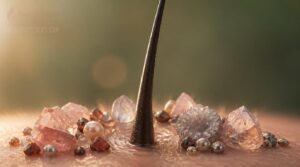
Vitamins get most of the attention, but minerals do the quiet heavy lifting for hair strength. Without enough of them, your follicles can’t get oxygen, build keratin, or repair themselves properly. Here are the four minerals that matter most for keeping your hair anchored and resilient.
Iron and Follicle Oxygenation
Iron is the delivery truck for oxygen. Your red blood cells need it to carry oxygen to your hair follicles, fueling the energy that growth demands.
Low iron means poor follicle oxygenation, and growth slows. Ask your doctor for a ferritin test, since deficiency can hide before anemia appears. Fix it, then be patient; hair lags behind labs.
Zinc and Keratin Synthesis
Zinc builds hair from the inside out. Your hair shaft is mostly keratin, and keratin synthesis depends on zinc-dependent enzymes that fold proteins correctly. Low zinc means weaker fibers.
Oysters, beef, pumpkin seeds, and chickpeas cover you. One caution: serum zinc tests are imperfect, so interpret results with your clinician alongside iron panels before supplementing.
Selenium and Follicle Function
Selenium works quietly in the background. It builds antioxidant enzymes, called selenoproteins, that shield your hair follicles from oxidative damage. When you’re low, that defense weakens and follicle function can suffer.
Here’s what matters most:
- Selenium powers glutathione peroxidase, your body’s antioxidant engine.
- Hair follicles are highly redox-sensitive.
- Deficiency is rare but possible.
- More isn’t better; excess causes selenosis.
Like zinc and biotin, balance beats excess. Get it from Brazil nuts, seafood, or eggs, and skip mega-doses.
Magnesium and Protein Synthesis
Magnesium rarely gets the spotlight, but your hair depends on it. It powers ATP-dependent reactions that drive protein synthesis, helping ribosomes build the keratin your follicles need. During active hair growth, demand for amino acids and energy climbs fast. Load up on nuts, seeds, legumes, and whole grains, and pair magnesium with adequate protein intake for real results.
Best Food Sources of Hair-Healthy Vitamins and Minerals

Now you know which nutrients your hair needs. Let’s get them from your plate.
Food beats pills here. Your body absorbs nutrients best in whole-food form, and you skip the overdose risk. Think color, protein, and variety at every meal.
Start with these swaps:
- Swap white rice for quinoa or lentils for iron and zinc
- Add bell peppers or citrus to lunch for vitamin C
- Grill salmon twice weekly for vitamin D and omega3 fatty acids
- Snack on a handful of nuts instead of chips
- Roast sweet potato rather than boiling to protect beta-carotene
Cooking matters too. Vitamin C fades with heat and storage, so eat some produce raw. And pair iron-rich plants with vitamin C to boost absorption.
You don’t need exotic superfoods. You need consistency. Build meals around these foods, and your follicles get what they require.
Nutrient Deficiencies, Testing, and Safe Hair Supplement Use

Food covers most people. But if your hair is thinning, deficiency testing tells you whether food alone is enough.
Ask your doctor for the right labs. Ferritin checks your iron stores, not just hemoglobin. Vitamin D is measured as 25-hydroxyvitamin D. Serum B12 and folate round out the picture.
| Nutrient | Best Test | Why It Matters |
|---|---|---|
| Iron | Ferritin + CBC | Reflects stored iron early |
| Vitamin D | 25-hydroxyvitamin D | Shows long-term status |
| B12/Folate | Serum levels (+MMA) | Confirms circulating status |
One caution: stop biotin before testing. High doses can distort lab results.
Don’t supplement blindly. Excess Zinc can trigger copper deficiency, and minerals can interfere with thyroid medication.
Be patient, too. Follicles cycle over weeks, so visible regrowth takes months. Retest rather than guessing, and you stay in control.
Frequently Asked Questions (FAQs)
What is the strongest vitamin for hair growth?
There’s a mountain of hype around hair vitamins. Honestly? No single vitamin wins. Biotin helps mainly if you’re deficient. Vitamin D matters too. Your best move: test Iron and Zinc levels first, then supplement wisely.
What vitamin am I lacking if my hair is falling out?
Honest answer: you can’t tell from shedding alone. Iron, Vitamin D, Zinc, or Biotin deficiencies can all contribute, but only blood tests reveal the real culprit. Get tested before guessing.
What stimulates hair growth best?
What stimulates hair growth best? It’s not one miracle pill. Your follicles need steady oxygen from iron, keratin-building zinc, and vitamin D for cycling. Pair biotin with collagen synthesis support, and you’ve got real momentum.
What are the big 3 for hair regrowth?
The big 3 are iron, vitamin D, and zinc. They matter most when you’re deficient; test before supplementing. Biotin and vitamin C help too, but repletion drives real regrowth.
Can stress or hormones affect hair vitamin needs?
Yes, they can. Stress hormones like cortisol raise your body’s demand for key nutrients, while hormone balance shifts during pregnancy or thyroid changes can trigger hair shedding and slow hair regrowth.
How long until vitamins improve hair growth?
Plan on three to six months of consistent intake. Hair growth is slow, nutrient deficiencies take time to correct, and clinical studies show visible hair regrowth timelines lag behind biology. Track hair shedding reduction, not daily length.
Do topical vitamin treatments work better than oral?
Here’s the paradox: rubbing vitamins onto your scalp feels targeted, yet oral vitamins usually reach follicles better. Bloodstream delivery beats skin penetration.
Topical vitamin treatments struggle through the skin barrier, limiting nutrient absorption where hair growth actually happens.
Can too many vitamins damage hair health?
Yes, it can. Vitamin toxicity is real, and excess vitamin A is a classic culprit, disrupting follicle cycling and triggering hair loss. Fat-soluble vitamins accumulate, so overdosing supplements carries lasting risks that food rarely does.
How long until supplements improve hair growth?
How long until supplements improve hair growth? Expect three to six months, sometimes longer. Hair follicles cycle slowly, so reduced shedding appears first, then density. Clinical studies confirm biotin helps mainly when nutrient deficiencies exist.
Can too many vitamins cause hair loss?
Yes, it can. Too much vitamin A triggers hair shedding. Excess zinc depletes copper; selenium and iron overload harm follicles. Biotin won’t cause loss, but it distorts tests, hiding real nutrient deficiencies.
Conclusion
So where does this leave you? With something rare: actual control.
Your follicles don’t need miracles, they need steady, consistent nourishment. Get tested before you supplement, eat the foods that carry these vitamins and minerals for hair growth, and give the process a few months. Hair grows slowly, and so does healing. But it does grow back. Feed the root, and the rest follows. That’s not a promise. It’s biology, working quietly in your favor.