This site is supported by our readers. We may earn a commission, at no cost to you, if you purchase through links. This content is for general informational and educational purposes only and is not a substitute for professional medical, dermatological, or nutritional advice.

You catch a glimpse in the mirror and there it is: a tiny white bump under your skin that wasn’t there yesterday. No redness, no pain, just a stubborn little sealed-off pore staring back at you. Whiteheads form when oil, dead skin, and bacteria get trapped beneath a closed layer of skin, and unlike blackheads, they can’t drain on their own.
That’s what makes them so frustrating. Squeezing only pushes the problem deeper and invites scarring.
Knowing how to get rid of whiteheads the right way means understanding what causes them first, then following a treatment routine that actually clears them for good.
Table Of Contents
- Key Takeaways
- What Causes Whiteheads?
- How to Get Rid of Whiteheads
- Best Over-the-Counter Whitehead Treatments
- Safe Home Remedies for Whiteheads
- Top 5 Whitehead Care Products
- How to Prevent Future Whiteheads
- When to See a Dermatologist
- Frequently Asked Questions (FAQs)
- What is the fastest way to get rid of whiteheads?
- How do I remove my whiteheads?
- What causes lots of whiteheads?
- How can I draw out a whitehead?
- How do I remove whiteheads on my face?
- How to get rid of whiteheads in 5 minutes?
- How can I remove whiteheads from my face?
- Why am I getting so many whiteheads?
- Should you pop whiteheads?
- Is it good to squeeze out whiteheads?
- Conclusion
Key Takeaways
- Whiteheads form when a keratin plug seals a pore shut, trapping oil, dead skin, and bacteria beneath the surface where it can’t drain like a blackhead can.
- Your best bet is a consistent routine: gentle cleansing, then salicylic acid or benzoyl peroxide to clear pores, followed by adapalene at night and a noncomedogenic moisturizer to keep your skin barrier intact.
- Popping or squeezing whiteheads only pushes bacteria deeper, raising your risk of infection, scarring, and dark marks that stick around longer than the bump itself.
- Give any treatment a full 12 weeks before judging it, and if you’re still not seeing progress, or you notice painful, spreading acne or lasting scars, it’s time to see a dermatologist for prescription-strength options.
What Causes Whiteheads?
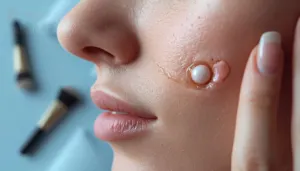
Whiteheads don’t just show up out of nowhere. Several things work together under your skin’s surface to create them, from trapped oil to daily habits you might not think twice about. Here’s what’s really going on.
Once you understand these triggers, tackling the problem gets a lot easier — this guide on natural ways to get rid of whiteheads at home breaks down simple, effective fixes you can start today.
Closed Pores and Trapped Sebum
Picture a doorway that’s swollen shut. That’s what happens when a keratin plug seals a follicle opening, trapping sebum inside.
Your sebaceous glands keep producing oil, but with nowhere to go, it builds up behind the blockage. This forms a closed comedo, the medical name for a whitehead, sitting just beneath your skin’s surface. With consistent care, a 12-week treatment protocol can reduce whitehead count by 50-80%.
Hormones, Genetics, and Excess Oil
So why does that plug form in the first place? Blame your hormones and your genes.
Androgens like testosterone bind to receptors on your sebaceous glands, and some people simply inherit more androgen sensitivity than others. Add in puberty, stress, or the week before your period, and oil output spikes, setting the stage for whiteheads.
Dead Skin and Product Buildup
Hormones aren’t the only culprit. Your skin naturally sheds cells, but slow turnover lets them pile up and trap oil in the follicle.
Leftover makeup, sunscreen, and rich creams add to the mess:
- Dead skin cells cling to the surface
- Sebum mixes with product residue
- Pores get blocked and enlarged
- Texture turns rough and dull
Gentle exfoliants like salicylic acid, plus daily cleansing, keep pores clear.
Diet and Lifestyle Triggers
What you eat matters too. High glycemic foods like white bread spike blood sugar, raising IGF-1 and sebum production. Dairy adds hormones that trigger oily skin.
Sugary drinks and chronic stress push cortisol higher, clogging pores with dead skin cells.
Good news: regular exercise lowers cortisol and helps clearer skin naturally.
Common Whitehead Signs
A small, skin-colored bump with a closed comedone underneath, that’s your classic whitehead. It stays white or yellowish since the pore opening never opens to air.
Texture is usually smooth, sometimes slightly raised, with little tenderness or redness compared to inflamed acne.
You’ll spot them most in oily areas like your chin, forehead, and nose.
How to Get Rid of Whiteheads
Getting rid of whiteheads doesn’t take a complicated routine, just the right steps in the right order. A few consistent habits can clear them up without irritating your skin or causing new breakouts. Here’s exactly where to start.
Start With Gentle Cleansing

Every good routine starts at the sink, not the medicine cabinet. Wash hands first, then use a gentle, pH-balanced cleanser to remove makeup, oil, and grime without stripping your barrier.
Rinse with lukewarm water, pat dry, and stick to twice daily (plus after sweating). Skip harsh scrubbing. Clean skin gives every treatment that follows a fair shot at working.
Apply Salicylic Acid Treatment
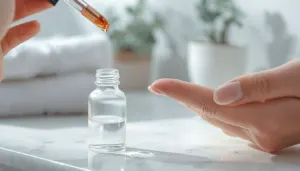
Once skin is clean, reach for salicylic acid. This beta hydroxy acid works down inside the pore, dissolving dead skin cells and oil that cause clogged pores.
Start low frequency, once daily, with an OTC formula between 0.5% and 2%. Apply a thin layer, avoid the eye area, and patch test first if you have skin sensitivity. Use sunscreen daily since exfoliation raises sun risk.
Introduce Adapalene Gradually

Ready for the next step up? Adapalene, sold over-the-counter as Differin Gel, is a retinoid that keeps pores clear long-term.
Patch test first, then apply a thin layer at night, three times weekly. Skin sensitivity is common early on, so build tolerance slowly before going nightly.
- Apply to clean, dry skin
- Expect mild peeling at first
- Use nightly once tolerated
Moisturize to Protect Skin
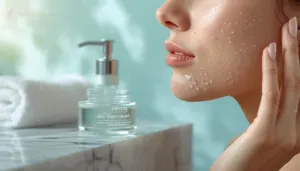
Treating acne can dry your skin out fast, especially with salicylic acid and adapalene in your routine. Fight back with an oilfree, noncomedogenic moisturizer applied after cleansing.
This isn’t optional. Moisturizing helps skin barrier repair, cuts water loss, and keeps irritation down, so your skin can heal while treatment does its job.
Never Pop or Squeeze

That urge to squeeze? Resist it. Popping tears the pore wall, pushing bacteria deeper and risking infection, scarring, or dark marks that outlast the whitehead itself.
Popping a whitehead tears the pore wall, driving bacteria deeper and risking infection, scarring, or dark marks that outlast the blemish itself
Skip the "triangle of death" near your nose and mouth entirely; infections there can spread dangerously. Safe alternatives: warm compresses, spot treatments, or professional extraction with sterile tools. Never pop or squeeze, your skin care routine depends on patience, not pressure.
Best Over-the-Counter Whitehead Treatments
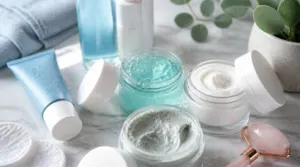
Your drugstore aisle has more options than you actually need, and that can make picking one feel harder than it should. The good news is a handful of ingredients do most of the work, each targeting whiteheads in a slightly different way. Here’s what to look for on the label and how each one helps.
If you’re layering treatments in a dry, cold climate, it’s worth checking this guide on choosing beard balms for dry climates to keep skin underneath from getting irritated too.
Salicylic Acid for Clogged Pores
Think of salicylic acid as your pore’s cleanup crew. It’s oil soluble, so it slips past clogged sebum to exfoliate dead skin cells from inside the follicle.
Look for 0.5% to 2% strength, applied once or twice daily. Start slow to avoid dryness, and pair it with a gentle moisturizer to keep your barrier happy.
Benzoyl Peroxide for Inflamed Acne
Once whiteheads turn red and angry, salicylic acid needs backup. Benzoyl peroxide is bactericidal, killing acne-causing bacteria while calming inflammation, not just clearing pores.
If you’re wondering when to expect results, this guide on how long spot treatments take to work breaks down realistic timelines.
Unlike antibiotics, benzoyl peroxide fights bacteria through oxidation — a mechanism explained further in this guide to acne treatment for reducing inflammation — so resistance simply doesn’t develop.
Start with 2.5%, applied once daily. Lower strengths work as well as 5% or 10%, with less irritation. Pairing it with adapalene often boosts results without overworking your skin.
Adapalene for Preventing Comedones
Where benzoyl peroxide fights active breakouts, adapalene plays the long game. This topical retinoid speeds up skin cell turnover, unclogging pores before whiteheads even form.
Its comedolytic effect targets microcomedones, the invisible plugs behind future breakouts. Start with a pea-sized amount nightly, three times a week at first. Brands like Differin make it easy to access.
AHAs for Surface Exfoliation
Glycolic acid and lactic acid work differently than adapalene. These alpha hydroxy acids dissolve dead skin cells sitting on the surface, smoothing texture and preventing clogged pores from forming.
For daily use, stick to 5% concentrations. Apply to clean skin, then moisturize. Introduce it every other day, and always wear sunscreen since AHAs increase sun sensitivity.
Safe Home Remedies for Whiteheads
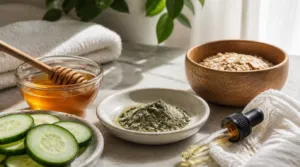
Not every whitehead needs a trip to the pharmacy. Some simple, at-home approaches can support your skin safely, as long as you know which ones actually help. Here’s what’s worth trying and what to skip.
Warm Compresses for Comfort
Sometimes the simplest tool works best. A warm compress loosens debris around clogged pores, encouraging sebaceous glands to release trapped oil and dead skin naturally.
Soak a clean washcloth in water no hotter than 120°F, wring it out, and press gently for 10 to 20 minutes. Check your skin often. If it turns bright red, remove the compress right away.
Diluted Tea Tree Oil
Nature’s antimicrobial oils can help, if you respect the dose. Tea tree oil fights acne bacteria but irritates skin at full strength, so always dilute before topical application.
Follow a tea tree dilution guide: mix 2-3 drops into a tablespoon of carrier oil like jojoba. Stay in the 1-3% acne treatment range, and patch test first to catch sensitivity early.
Aloe Vera for Irritation
When your skin feels angry and tight, aloe vera earns its reputation as a gentle fix. It offers soothing properties and genuine irritation relief without clogging pores.
Aloe helps:
- Skin barrier support
- Gentle moisturizing
- Anti-inflammatory benefits
Use pure, noncomedogenic gel, not a topical medication substitute. It won’t clear whiteheads alone, but calms redness while other treatments work their antibacterial magic.
Hydrocolloid Patch Limitations
Those little stickers work best on open, weeping spots, not intact whiteheads. They only stick to dry skin, so cleanse and pat dry first, skipping creams underneath.
Replace patches every 6-12 hours, never past 24, and swap once it turns opaque. They’re single-use only, so don’t reuse a saturated patch.
Avoid Lemon and Undiluted Acids
That kitchen-cabinet fix for whiteheads? Skip it. Lemon juice sits around pH 2-3, way below your skin’s natural pH of 4.5-5.5, so undiluted acids cause real damage:
- Stinging, peeling, chemical burns
- Sun sensitivity and blistering
- Hyperpigmentation risk, especially darker skin
- Barrier breakdown
- Bad reactions with actives
See a dermatologist before trying acidic exfoliation.
Top 5 Whitehead Care Products
With so many products on shelves, picking the right one can feel overwhelming. You don’t need a ten-step routine, just a few reliable options that target clogged pores without irritating your skin. Here are five worth adding to your shelf.
1. Neutrogena Clear Pore Oil-Eliminating Facial Astringent
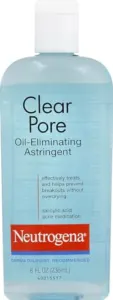
This toner has been a drugstore staple for a reason. It uses 2% salicylic acid paired with witch hazel, an astringent that lifts surface oil without stripping your skin bare.
Apply it with a cotton pad after cleansing, and don’t rinse it off, that’s how the acid keeps working on clogged pores. If your skin feels tight or irritated, cut back to once daily. At 8 fl. oz., one bottle covers months of use.
| Best For | This toner is best for people with acne-prone or oily skin who want a daily astringent that treats breakouts without leaving their face feeling completely stripped. |
|---|---|
| Model Number | U-SC-1117 |
| Size/Volume | 8 fl. oz |
| Product Dimensions | 1.5 x 1.89 x 6.61 in |
| Skin Benefit | Reduces oil and blemishes |
| Irritation Risk | May sting or dry skin |
| User Feedback | Unpleasant scent noted |
| Additional Features |
|
- Combines 2% salicylic acid with witch hazel to clear surface oil while still being gentle enough for regular use
- Flexible enough to fit into a morning, afternoon, or nighttime routine, since it’s designed for one to three applications a day
- The 8 fl. oz. bottle is generously sized, so it lasts through months of daily use
- Some users report stinging or irritation, especially if applied too often or on sensitive skin
- Using it more than recommended can backfire, causing dryness or even triggering extra oil production
- The scent isn’t for everyone; a few users find it a bit off-putting
2. Dermalogica Overnight Clearing Gel Acne Treatment
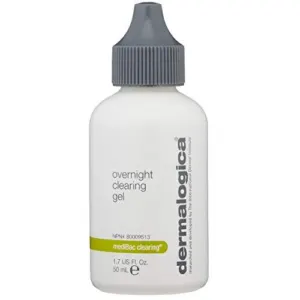
If mornings call for a toner, nights call for something richer. This gel uses the same 2% salicylic acid, but adds hyaluronic acid and niacinamide to keep skin from feeling tight.
Smooth a thin layer over clean skin before bed, let it absorb, then wash off in the morning. Tea tree oil adds a calming touch to irritated spots. At 1.7 fl. oz., it’s concentrated, so a little goes a long way each night.
| Best For | People with oily, acne-prone, or sensitive skin who want a lightweight overnight treatment to calm active breakouts without clogging pores. |
|---|---|
| Model Number | 106122 |
| Size/Volume | 1.7 fl. oz (50 mL) |
| Product Dimensions | 1.7 x 1.7 x 4.25 in |
| Skin Benefit | Reduces redness and breakouts |
| Irritation Risk | May dry or irritate skin |
| User Feedback | Reduced efficacy over time noted |
| Additional Features |
|
- Contains 2% salicylic acid to clear impaction plugs and reduce breakouts within 1–2 nights
- Hyaluronic acid hydrates skin without clogging pores, and the gel absorbs quickly with no residue
- Free of artificial fragrance and color, making it gentler for irritation-prone skin
- May cause dryness or irritation if overused, particularly on sensitive skin
- Costs more than generic 2% salicylic acid alternatives
- Not ideal for pairing with heavy moisturizers, which can reduce the gel’s effectiveness
3. Clean Clear Essentials Dual Action Moisturizer
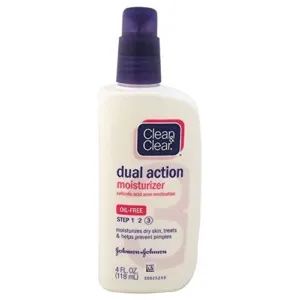
If a nighttime gel feels like too much, this daytime option keeps things simple. It’s an oil-free, dual action formula that pairs salicylic acid with Pro Vitamin B5 to treat breakouts while replenishing your skin’s moisture barrier.
Apply a thin layer to clean skin, once daily at first since dryness can creep up fast. The formula skips parabens, phthalates, and dyes, and it’s vegan. At 4 fl. oz., it layers well under makeup.
If breakouts are your main concern, pair this with one of the best overnight acne spot treatments while adapalene does its slower work over those first 8 to 12 weeks.
| Best For | People with acne-prone or oily-to-combination skin who want a lightweight daytime moisturizer to treat breakouts without a heavy or greasy feel. |
|---|---|
| Model Number | 1515 |
| Size/Volume | 4 fl. oz |
| Product Dimensions | 6.2 x 1.9 x 0.9 in |
| Skin Benefit | Reduces breakouts, hydrates |
| Irritation Risk | May dry sensitive skin |
| User Feedback | Mixed severe acne results |
| Additional Features |
|
- Contains salicylic acid to help treat and prevent pimples
- Oil-free, lightweight formula absorbs quickly and works well under makeup
- Fits easily into a daily 3-step skincare routine
- May cause dryness or irritation, especially on sensitive or very dry skin
- Lightweight texture may not offer enough hydration for those with dry skin
- Effectiveness for severe acne or long-term scar reduction varies from person to person
4. Pure Daily Care NanoSteamer 3-in-1 Facial Steamer
Want a treatment that actually preps your skin first? This one takes a different approach entirely.
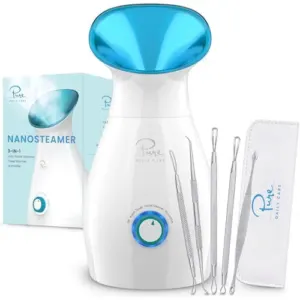
The NanoSteamer uses nano ionic steam to open pores before extraction, running up to 30 minutes per fill. It comes with a 5-piece stainless steel kit for gently clearing debris afterward.
It doubles as a room humidifier and towel warmer too. Just don’t over-tighten the water chamber. Some users report cracking or leaks, so handle assembly with a light touch.
| Best For | Anyone wanting a multi-purpose skincare tool that preps skin for extractions while also doubling as a humidifier or towel warmer. |
|---|---|
| Model Number | PDC-4001 |
| Size/Volume | 200ml tank |
| Product Dimensions | 5.91 x 5.91 x 11.42 in |
| Skin Benefit | Opens pores for absorption |
| Irritation Risk | N/A, device-based |
| User Feedback | Durability concerns reported |
| Additional Features |
|
- Nano ionic steam helps open pores for deeper cleansing and better product absorption
- Comes with a 5-piece stainless steel extraction kit plus a storage pouch
- Versatile 3-in-1 design works as a facial steamer, humidifier, and towel warmer
- Soft plastic water chamber can crack or leak if over-tightened during assembly
- Steam output can be inconsistent, with some users noticing weak flow or sudden bursts
- Several users report the device failing within just 1-2 years of regular use
5. Kevala Organic Apple Cider Vinegar

If steam and stainless tools feel too clinical, this pantry staple offers a gentler angle. Kevala’s raw, unfiltered vinegar contains the mother of vinegar, prized for natural enzymes.
It’s USDA Organic Certified and made from pressed apples, diluted to a safe 5% acidity. Some fans dab it on as a toner; others swap it into salad dressings for digestive support.
Just never apply it undiluted. Straight acid can irritate or burn skin, so mix it with water first.
| Best For | Anyone looking for a natural, multi-purpose pantry staple that supports digestive health, adds tang to homemade dressings, and doubles as a gentle skin toner when diluted. |
|---|---|
| Model Number | KEV01161 |
| Size/Volume | 8 fl. oz |
| Product Dimensions | 4 x 4 x 8 in |
| Skin Benefit | Enhances hair and skin via use |
| Irritation Risk | May irritate if undiluted |
| User Feedback | Mixed value for money noted |
| Additional Features |
|
- USDA Organic, Non-GMO Project Verified, and Kosher Certified, with the raw "mother" intact for natural enzymes and probiotics
- Versatile enough for cooking, marinades, and DIY beauty routines like hair rinses
- Vegan, gluten-free, and free of peanuts and tree nuts, making it accessible for many diets
- Some buyers feel the price is high for an 8-ounce bottle
- The strong smell when opened can be off-putting for sensitive noses
- Must always be diluted before use, since the undiluted acid can irritate skin or throat
How to Prevent Future Whiteheads
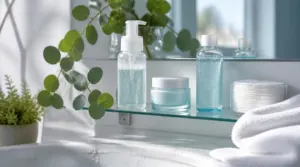
Treating the whiteheads you have is only half the job. Keeping new ones from forming comes down to a few daily habits you can actually stick with. Here’s what your routine should include.
Cleanse Once or Twice Daily
Twice daily beats once, every time. Cleanse in the morning and at night with a gentle, oil-free cleanser, using lukewarm water and fingertips only.
| Skin Type | Frequency | Method |
|---|---|---|
| Oily/acne-prone | AM & PM | Foaming cleanser |
| Dry/sensitive | PM only | Rinse AM |
| Combination | AM & PM | pH-balanced formula |
| Post-sweat | Extra rinse | Lukewarm water |
Overwashing strips oils, so don’t overdo it.
Remove Makeup Before Sleeping
Sleeping in makeup is a fast track to clogged pores. Double cleanse every night: oil-based remover first, then a gentle cleanser or micellar water. Remove eye makeup gently with soaked cotton pads.
Wash pillowcases weekly, avoid heavy hair products near your hairline, and choose oilfree, noncomedogenic formulas for cleaner, clearer skin overnight.
Wear Sunscreen During Treatment
Here’s something patients forget: those whitehead treatments make your skin more sun-sensitive. Salicylic acid and adapalene both increase burn risk, so daily sunscreen isn’t optional during treatment.
Pick broad-spectrum, SPF 15 or higher, and reapply every two hours outdoors. Quick rules:
- Apply 20 minutes before sun exposure
- Cover ears, neck, and hands
- Reapply after sweating
- Choose water-resistant formulas
When to See a Dermatologist

Most whiteheads clear up with patience and the right routine, but not always. Some signs mean it’s time to call in a professional instead of waiting it out. Here’s when a dermatologist visit makes sense.
No Improvement After Twelve Weeks
Twelve weeks is your standard, not a guess. That’s roughly three full skin cycles, enough time to tell real progress from purging.
If salicylic acid or adapalene hasn’t helped by then, don’t just push harder. OTC limitations become clear here.
Book a dermatologist appointment for prescription retinoid options like tretinoin, since stronger formulas reach deeper than store shelves allow.
Painful or Spreading Acne
Hot, tender bumps that hurt to touch aren’t just annoying, they’re a sign of inflammatory acne needing real treatment. If pustules or nodules keep spreading across your face, chest, or back despite salicylic acid or benzoyl peroxide, that’s your cue.
Chronic acne cycles rarely break on their own. A dermatologist can prescribe stronger retinoids to stop the flare before it spreads further.
Scarring or Dark Marks
Dark marks and true scars aren’t the same thing, and knowing the difference matters. Marks are flat color changes (postinflammatory hyperpigmentation), while scars change your skin’s texture permanently.
See a dermatologist if you notice:
- Dark spots lingering past a few months despite sunscreen and niacinamide
- Pitted or raised scar tissue forming
- Marks getting darker despite consistent exfoliation
Prescription Retinoid Treatment Options
If OTC options like Differin Adapalene Gel 01 haven’t cleared things up, a dermatologist consultation can open the door to stronger retinoids: tretinoin, tazarotene, or isotretinoin. These boost cell turnover and often pair with an antimicrobial (combination therapy).
| Consideration | What to Know |
|---|---|
| Application | Once nightly |
| Side effects | Dryness, manage with moisturizer |
| Pregnancy | Avoid, teratogenic risk |
| Results | 12+ weeks |
Professional Whitehead Extraction
Some whiteheads just won’t budge on their own. That’s when in-office extraction earns its place: your dermatologist cleanses the area, uses a sterile lancet under a magnification lamp, and applies controlled pressure to clear the follicle.
No squeezing at home required. Proper aftercare, like hydrocolloid patches, helps healing and lowers scarring risk compared to DIY attempts.
Frequently Asked Questions (FAQs)
What is the fastest way to get rid of whiteheads?
Truth is, there’s no magic five-minute fix. Your quickest real progress comes from a warm compress, gentle pore cleansing, then a targeted salicylic acid spot treatment, followed by a hydrocolloid patch overnight.
How do I remove my whiteheads?
Cleanse gently, then apply salicylic acid or benzoyl peroxide to unclog pores. Add a retinoid cream for cell turnover, moisturize with non-comedogenic products, and resist popping. Let extraction stay professional, not DIY, to avoid scarring.
What causes lots of whiteheads?
Think of your pores as tiny pipelines that get backed up. Hormonal fluctuations, genetic predisposition, and a high-sugar diet all drive excess sebum production, clogging pilosebaceous units. Add poor skincare habits and comedogenic products, and bacterial buildup follows fast.
How can I draw out a whitehead?
A warm compress for 5-10 minutes softens skin and loosens trapped sebum. Facial steam works too. Follow with salicylic acid or benzoyl peroxide, or a sterile extractor tool once daily to gently coax it out.
How do I remove whiteheads on my face?
A teenager scrubbing daily saw more bumps, not fewer. Gentle cleansing twice daily, salicylic acid spot treatment, noncomedogenic moisturizer, and sunscreen work best. Skip picking; see a dermatologist for safe professional extraction instead.
How to get rid of whiteheads in 5 minutes?
True instant results aren’t realistic, but a quick fix exists: warm compress for three minutes, then a salicylic acid cleanse. This softens clogs and starts exfoliation. Skip benzoyl peroxide or retinoid creams for speed, they need noncomedogenic, time-limited care over weeks.
How can I remove whiteheads from my face?
The fastest way to remove a whitehead is by not touching it. Cleanse gently, apply salicylic acid or a retinoid, remove makeup nightly, and let noncomedogenic treatment do the actual extracting, safely, over time.
Why am I getting so many whiteheads?
Blame hormonal triggers, genetic predisposition, and comedogenic products clogging pores. Add stress, poor sebum regulation, and skipped exfoliation, and dead skin builds up fast, turning ordinary pores into stubborn, recurring whiteheads.
Should you pop whiteheads?
No. Popping whiteheads risks scarring, infection, and deeper inflammation. Squeezing pushes debris further into skin instead of clearing it. Try salicylic acid, benzoyl peroxide, or retinoids instead, and see a dermatologist for stubborn spots or safe professional extraction.
Is it good to squeeze out whiteheads?
No. Squeezing pushes bacteria deeper into the pore, raising skin irritation and infection risk. You risk scarring, hyperpigmentation, and slower healing. Try a warm compress or salicylic acid instead, and see a dermatologist if it won’t clear.
If your skin turned red and tender right after trying a new product, this guide on whether spot treatments can make acne worse explains why irritation often mimics clogged pores.
Conclusion
Clear skin is a patient’s promise kept slowly, one small habit at a time. Learning how to get rid of whiteheads isn’t about chasing a single miracle product. It’s about consistency: gentle cleansing, the right actives, and hands that stay off your face.
Give your routine six to twelve weeks before judging results. If bumps linger or scars form, a dermatologist can offer solutions you can’t buy off a shelf. Your skin remembers patience far better than panic.