This site is supported by our readers. We may earn a commission, at no cost to you, if you purchase through links. This content is for general informational and educational purposes only and is not a substitute for professional medical, dermatological, or nutritional advice.

Razor burn isn’t bad luck. It’s a mechanical injury, caused by a blade cutting hair below the skin’s surface or dragging across skin that wasn’t ready for it. Every red bump and stinging patch tells you something went wrong in the process, not that your skin is simply "sensitive."
The good news: most razor burn is preventable once you understand what’s happening at the follicle level. Prep, technique, and aftercare each play a role, and skipping any one of them raises your risk.
These prevent razor burn tips cover the full routine, from softening hair before the first stroke to calming skin after the last one, so you can shave with confidence instead of bracing for irritation.
Table Of Contents
- Key Takeaways
- Prepare Your Skin Before Shaving
- Choose and Maintain Your Razor
- Use Proper Razor Burn Prevention Techniques
- Protect Your Skin After Shaving
- Build a Skin-Friendly Shaving Routine
- Frequently Asked Questions (FAQs)
- Is there any way to prevent razor burn?
- Why do I keep getting razor burns on my pubic area?
- Does rubbing alcohol help prevent razor bumps?
- How to shave your pubes without razor burn?
- How to prevent razor burn?
- How do you get rid of Razor Burn After shaving?
- What are the best at-home remedies for Razor Burn?
- How do I choose the best razor burn products?
- How do I stop getting razor burn?
- How do you stop razor cuts from burning?
- Conclusion
Key Takeaways
- Razor burn is a mechanical injury from cutting hair below the skin or dragging a blade across unprepared skin, not a sign of "sensitive skin."
- Proper prep—cleansing, warm water, exfoliating, and letting shaving cream sit for 1-2 minutes—softens hair and skin so the blade glides instead of drags.
- Technique matters most: map your hair’s grain, shave with it, hold a 30-degree angle, and use light pressure with short strokes to avoid scraping skin.
- Aftercare (cool water rinse, patting dry, alcohol-free witch hazel, and fragrance-free moisturizer) closes pores and calms skin before irritation sets in.
Prepare Your Skin Before Shaving

Razor burn usually starts before the razor ever touches your skin. Most irritation traces back to skin that wasn’t ready for a blade in the first place. Here’s exactly how to set your skin up for a smooth, comfortable shave.
If irritation still sneaks through despite your best prep work, a soothing shaving balm for razor burn can calm your skin and speed up recovery.
Cleanse Away Oil and Debris
Start clean, not lathered. Sebum and grime coat your skin, and razors drag across buildup instead of hair.
Cleanse away oil and debris with a gentle, non-comedogenic wash. Surfactants pull hydrophobic oil into water, so it rinses off instead of clogging blades. Thorough water rinsing carries impurities away completely, leaving skin hydrated, not greasy, and truly ready for a close, irritation-free shave.
Soften Hair With Warm Water
Clean skin still needs softening. Lukewarm water at 85-95°F relaxes hair shafts, cutting required blade passes by roughly 25%.
Coarse hair likes it warmer, near 100-110°F, while sensitive skin stays under 95°F. Shower first; that 60-120 second exposure hydrates hair completely, priming skin so your cream penetrates deeper and glides smoother, not just sits on top. Water hotter than 100°F can strip the skin’s protective moisture barrier, so sensitive skin types benefit most from staying on the cooler end of that range.
Exfoliate to Prevent Ingrown Hairs
Once hair is softened, dead skin cells become the next target. Gentle exfoliation on damp skin, once or twice weekly, clears debris blocking hair follicles.
Chemical options like salicylic or glycolic acid unclog pores effectively, but limit use to avoid irritation. Physical scrubs work too, in light circular motions. Either way, you’re reducing ingrown hairs and razor burn before the blade ever touches sensitive skin.
Trim Longer Hair First
Longer hair gets in the way before you even lift a blade. If yours exceeds half an inch, use an electric trimmer first to cut it down to about a quarter inch. This prevents blade clogging early and gives your razor a clean, even surface to work with once you shave with the grain.
Let Shaving Cream Soften Hair
Applying cream isn’t the finish line, it’s the start of hair softening. Once on skin, let it sit for 1 to 2 minutes; the water inside penetrates the shaft, triggering a swelling effect that loosens tough strands.
Glycerin-based creams boost moisture retention and lather hydration, keeping skin lubricated throughout. That short absorption window means smoother, less irritating strokes.
Choose and Maintain Your Razor

Your razor matters just as much as your technique. A dull blade or dirty handle can undo all your prep work in seconds. Here’s what to know about choosing and caring for the right tool.
Consider a Single-Blade Razor
Fewer blades often mean better skin. A single-blade razor cuts hair at the surface, skipping the "lift-and-cut" tug that causes razor burn and ingrown hairs.
Expect a short learning curve, three to five shaves, before your technique clicks. Many models offer adjustable aggression settings, so you control the intensity.
They’re gentler, cheaper long-term, and easier on the environment.
Replace Blades Every Five Shaves
Five shaves. That’s your limit before a blade turns from ally to irritant.
Beyond blade count, knowing your skin’s unique needs makes all the difference, so check out these natural skin care tips for a healthier shave.
- Dulling edges tug instead of cut, dragging on skin
- Cream and dead skin clog the blade, raising friction
- Worn lubrication strips lose their glide fast
A blade replacement schedule built around this number keeps skin prep and technique working as intended, not fighting a tired edge.
Rinse Blades Between Strokes
A clogged blade is a dull blade, even if it’s brand new. Rinse under warm water (100-110°F) after every stroke, not just at the end.
| Habit | Effect | Benefit |
|---|---|---|
| Rinse each stroke | 30% less cutting force | Smoother glide |
| Warm water | Dissolves residue fast | Better hydration |
| Skip rinsing | Buildup hardens | More irritation |
Clean blades protect your skin from tugging and microscopic tears.
Disinfect Your Razor Regularly
Bacteria build up on blades fast, even ones that look clean. Soak the head in 70% isopropyl alcohol for 5 to 10 minutes; that water content actually denatures microbial proteins better than stronger solutions.
Scrub crevices with a soft toothbrush to clear residue, then rinse thoroughly. Skip this and you’re reapplying yesterday’s bacteria to freshly exfoliated skin.
Store Razors Upright and Dry
Where you park your razor matters as much as how you clean it. Wet metal left flat in a shower caddy stays damp for hours, inviting rust and dulling blade sharpness.
Standing your razor upright to air-dry between uses helps preserve that shea butter and hyaluronic acid strip, which is exactly why picking one of the best razor blades to prevent nicks and cuts makes such a difference over time.
Stand it upright in a well-ventilated, dry spot, away from steamy air. Towel-dry the head first. That airflow keeps edges corrosion-free and gliding smoothly next shave.
Use Proper Razor Burn Prevention Techniques
Your razor and prep can be perfect, and you’ll still get burned if your technique is off. Technique is where most of the actual damage happens, stroke by stroke. Here’s what proper form looks like in practice.
Map Your Hair Growth Direction

Before you touch a blade, find out which way your hair grows. Grain mapping beats guesswork:
- Cotton ball glide test
- Credit card check
- Finger resistance feedback
- Visual growth guide
- Zone-based mapping (jawline, neck, cheeks)
Each zone can shift direction, especially at the jawline. Skin prep and proper shaving angle mean nothing without this step.
Shave With The Grain
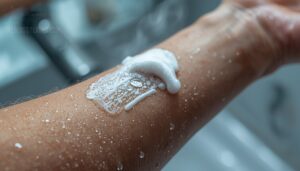
Now that you’ve mapped your grain, put that data to work. Shave with the grain on every stroke, at least for pass one. This respects hair resistance testing results and prevents hairs from being cut below the skin line, the main driver of ingrown hairs and razor burn on sensitive skin.
Maintain a 30-Degree Angle

Grain direction tells you where to shave. Angle tells you how. Hold your razor at a 30-degree angle to skin, the sweet spot for clean cutting without dragging. Curved areas like your chin need 35-40 degrees. Lock your wrist to keep that angle consistent through each stroke instead of relying on arm movement alone.
Keeping your blade sharp and clean between passes also helps you nail tricky angles — especially if you’re attempting precision hair design techniques that demand steady, consistent strokes.
Apply Light, Even Pressure

Angle sets direction; pressure sets force. Let your razor’s own weight do the cutting, roughly two to three ounces, and keep fingers relaxed.
Pressing harder doesn’t shave closer, it just scrapes skin. A sharp razor blade with good blade angle guidance needs almost no push. If you’re gripping tightly, ease up.
Pressing harder doesn’t shave closer, it just scrapes skin—let a sharp blade do the work with almost no push
Use Short, Gentle Strokes

Long strokes drag hair against skin longer than needed. Short strokes track each hair’s angle, clearing cleanly with minimal contact.
Stretch skin taut first, rinse the blade every two to three passes, and keep pressure light. This trio protects razor glide.
- Fewer nicks
- Less redness
- Smoother finish
Rinse with cool water afterward to aid recovery.
Protect Your Skin After Shaving

Your skin doesn’t stop working the moment you rinse off the blade. What you do in the next few minutes shapes whether you get smooth skin or an angry, red rash. Here’s your step-by-step routine for calming skin right after you shave.
Rinse With Cool Water
Cool water is your last, best defense against post-shave inflammation. A 10-15 second rinse triggers vasoconstriction, closing pores and follicles before bacteria can enter. Aim for 60°F, pleasant but not painful.
| Water Temp | Effect | Duration |
|---|---|---|
| 50-70°F | Pore closure | 10-15 sec |
| Below 40°F | Reduced circulation | Avoid |
| Lukewarm cool | Gentle hydration | 30 sec |
Pat Skin Gently Dry
With cool water still on your skin, resist the urge to towel-rub. Pat, don’t rub, using a soft, clean towel to protect the stratum corneum.
- Use light, quick presses
- Choose a soft, absorbent towel
- Let skin air-rest briefly before products
- Skip repeated passes over one spot
This preserves moisture balance, so skin feels calm, not tight, before you apply anything else.
Apply Alcohol-Free Witch Hazel
Your skin just took a beating, so reach for something that calms, not stings.
Alcohol-free witch hazel delivers antiinflammatory, astringent benefits without the burn.
| Method | Effect |
|---|---|
| Cotton pad wipe | Even coverage |
| Dab on spots | Targeted redness reduction |
| Light mist | Quick soothing |
| Small amount only | Prevents over-application |
Check labels carefully. Some "alcohol-free" products hide Alcohol Denat anyway.
Use Fragrance-Free Moisturizer
Not all "fragrance-free" labels tell the truth, so check the ingredient list yourself.
Look for barrier lipids like ceramides and humectants like glycerin. These restore your skin barrier and lock in hydration without triggering irritation.
True fragrance-free formulas skip perfume, masking scents, and essential oils entirely, keeping post-shave skin calm and comfortable.
Avoid Friction and Tight Clothing
Fresh-shaved skin is raw skin, and fabric is its first test.
Give it a fighting chance:
- Choose breathable, moisture-wicking fabric over cotton
- Skip tight waistbands and rough seams for a few hours
- Prevent skin-on-skin rubbing with a barrier layer
- Change out of sweaty clothes promptly
Dry, loose-fitting fabric protects your skin barrier and speeds postshave recovery far better than tight, damp layers ever will.
Build a Skin-Friendly Shaving Routine

Good technique on any single shave only gets you so far. Real prevention comes from what you do shave after shave, week after week. Here’s how to build habits that keep your skin calm for the long run.
Allow Time Between Shaves
Give your skin real skin recovery time between shaves, ideally every 2-3 days. This lets the barrier calm before another pass.
Try evening shave scheduling too; overnight rest cuts morning puffiness.
Pair this with proper hydration and a steady blade hygiene routine, changing blades every 5-7 shaves, to keep shaving frequency gentle on sensitive skin.
Avoid Shaving Irritated Skin
That evening-shave rest only works if you actually check skin before shaving. Redness, bumps, or tightness means wait.
- Skip razors on active irritation
- Use a soothing balm, not harsh products
- Monitor skin reactions daily
When flare-ups hit, shave less frequently and prioritize proper hydration with cold water rinses and fragrance-free moisturizer until calm returns.
Adjust Care for Skin Type
Not all skin reacts the same way, so know your skin type before building a routine.
Oily skin benefits from lightweight, non-comedogenic moisturizing. Dry skin needs gentler, less frequent cleansing to avoid stripping natural oils. Combination skin requires balancing both. Sensitive skin demands patch testing any new product for 48 hours first. Normal skin still needs consistent, nonirritating care to stay calm and resilient.
Change Moisturizers With Seasons
Your skin type isn’t the only variable. The air around you changes too, and your moisturizer should follow suit.
- Winter: thicker creams with ceramides for barrier repair
- Summer: water-based gels for lighter hydration
- In-between weeks: patch test new formulas for 48 hours
Stick with a fragrance-free moisturizer year-round to avoid irritation while your routine shifts.
Address Recurring Bumps Early
When a bump won’t quit, don’t wait it out. Early bump detection matters: if redness or pustules persist past one to two weeks despite consistent home care, book a dermatologist appointment.
Prescription steroids or antibiotics can calm chronic razor bumps fast. Acting early prevents scarring and discoloration, and rules out look-alikes like fungal infections that need different treatment entirely.
Frequently Asked Questions (FAQs)
Is there any way to prevent razor burn?
Yes, and it comes down to a few habits working together: proper skin preparation, gentle shaving technique, light pressure, cold water rinses, and consistent razor maintenance. Get those right, and irritation becomes the exception, not the rule.
Why do I keep getting razor burns on my pubic area?
That area’s skin is thinner and more sensitive, so shaving against pubic hair direction, dull blades, or heavy pressure quickly trigger razor burn, ingrown hairs, and bumps. Gentle pressure, sharp blades, and proper postshave cooling reduce recurring irritation a lot.
Does rubbing alcohol help prevent razor bumps?
Not really. Rubbing alcohol dries skin and can worsen irritation rather than stop razor bumps, which form from curled, ingrown hairs. I recommend alcohol-free aftershave and moisturizer instead, gentler options that calm skin without stripping its natural barrier.
How to shave your pubes without razor burn?
Trim hair short first, then soften skin with warm water. Use a sharp, single-blade razor with light pressure, mapping your grain direction. Shave with the grain, rinse with cold water, and finish with fragrance-free moisturizer.
How to prevent razor burn?
Studies show up to 60% of shavers experience razor burn. Prevention comes down to light pressure, sharp single-blade razors, shaving with the grain, cold water rinses, and fragrance-free moisturizer to protect your skin barrier afterward.
How do you get rid of Razor Burn After shaving?
Apply a cool compress or aloe vera gel right away to calm redness. Follow with witch hazel and a fragrance-free moisturizer. Pat skin dry gently, and try hydrocortisone cream for stubborn irritation or ingrown hairs.
If razor bumps keep showing up after hairline grooming, this guide to widow’s peak removal options breaks down gentler long-term fixes worth considering.
What are the best at-home remedies for Razor Burn?
A cool compress calms inflamed skin fast. Follow with aloe vera or alcohol-free witch hazel to soothe redness, then a fragrance-free moisturizer. Pat skin gently dry, skip tight clothing, and let irritation heal before shaving again.
How do I choose the best razor burn products?
Look for fragrance-free, alcohol-free formulas with witch hazel or aloe vera for soothing properties. A glycerin-based shaving cream and pre-shave oil support easier glide, reducing friction and irritation on sensitive skin.
How do I stop getting razor burn?
Achilles had his heel; your neck and bikini line are just as vulnerable. Stop it with pre-shave hydration, a sharp single-blade razor, gentle with-grain strokes, and post-shave cooling, small habits that guard skin daily.
How do you stop razor cuts from burning?
A cool rinse closes pores and calms nicks fast. Follow with alcohol-free witch hazel to reduce inflammation, then a fragrance-free moisturizer. Skip preshave oil on cuts, and let gentle drying prevent friction while sensitive skin heals.
Conclusion
Funny thing about razor burn: the blade gets blamed, but your routine is usually the real culprit. Fix the prep, the pressure, and the aftercare, and the blade stops being the enemy. These prevent razor burn tips work because they respect your skin’s biology instead of fighting it.
Smooth skin isn’t about a fancier razor. It’s about consistent technique, shave after shave. Master that, and irritation becomes the exception, not the rule.