This site is supported by our readers. We may earn a commission, at no cost to you, if you purchase through links. This content is for general informational and educational purposes only and is not a substitute for professional medical, dermatological, or nutritional advice.
A $12 serum can hydrate your skin as well as a $150 facial. The facial’s glow fades in about two weeks. Your serum keeps working every single day.
Most dry, tight skin doesn’t need a luxury price tag. It needs the right humectant, moisturizer, and occlusive, layered in the right order on damp skin. A drugstore bottle with 0.5 to 2% hyaluronic acid does real work, and so does plain petrolatum.
Here are the affordable skin hydration treatments worth your money, from serums to sealing balms. You’ll know what to buy, how to layer it, and when to skip the spa.
Table Of Contents
- Key Takeaways
- Budget-Friendly Hydrating Serums With Hyaluronic Acid or Glycerin
- Affordable Moisturizers for Oily, Dry, and Sensitive Skin
- Low-Cost Occlusive Treatments to Seal in Moisture
- Professional Hydrating Facials: Are They Worth The Cost?
- A Simple, Affordable Routine for Lasting Skin Hydration
- Frequently Asked Questions (FAQs)
- What is the best treatment for hydrating skin?
- What is the best hydrating cream on a budget?
- What is the most hydrating thing to put on your skin?
- What is the best most affordable skin care line?
- How do you hydrate your skin?
- What are the best affordable skincare brands?
- Are affordable skincare products effective?
- How do I start an affordable skincare routine?
- Which skin care products should you buy?
- What are the best skin care products?
- Conclusion
Key Takeaways
- You don’t need a luxury price tag for hydrated skin, because a $12 hyaluronic acid or glycerin serum works every day while a $150 facial’s glow fades in about two weeks.
- You’ll get the best results by layering a humectant serum, a moisturizer, and a thin occlusive like petrolatum on damp skin, in that order.
- You should match your moisturizer to your skin type (a light gel for oily skin, a ceramide cream for dry skin, a short fragrance-free formula for sensitive skin) and patch test anything new.
- You can save professional facials for special occasions when instant glow matters, and rely on a simple twice-daily routine with a gentle cleanser, moisturizer, and sunscreen to keep your skin steady.
Budget-Friendly Hydrating Serums With Hyaluronic Acid or Glycerin
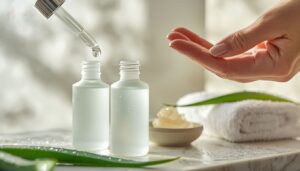
Most affordable skin hydration treatments start with a good serum, and you don’t need to spend much to get one. Drugstore hyaluronic acid serums under $15 usually contain 0.5 to 2% hyaluronic acid in several molecular weights, which helps water reach deeper layers. Apply it to damp skin so it traps water instead of letting it escape.
Once your serum has settled in, pairing it with one of these facial skincare sets for nighttime routines helps seal in that moisture while you sleep.
Prefer something simpler? Glycerin works just as hard.
Glycerin hydrating serums under $10 often use 5 to 10% glycerin, plus light emollients to cut stickiness. Pick a gel texture, apply morning and night, and follow with a lightweight moisturizer. Choose fragrance-free formulas for sensitive skin and patch test first. Expect smoother skin in one to two weeks and hydration gains within four weeks.
Affordable Moisturizers for Oily, Dry, and Sensitive Skin
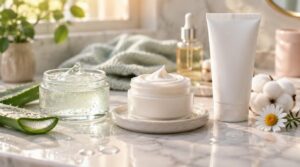
Once your serum is on, a moisturizer keeps that hydration from slipping away. The right affordable moisturizer depends on your skin type, so match the formula to your needs.
Even oily skin can be dehydrated, which is why the benefits of moisturizing your skin include better hydration and a stronger barrier without any greasy finish.
Oily skin does best with a water-light gel containing hyaluronic acid and panthenol. Look for oil-free or non-comedogenic labels, and you’ll skip the midday shine.
Dry skin needs more. Pick a cream with ceramides and cholesterol, since these support barrier repair. Most people see a real difference in two to four weeks of daily use.
For sensitive skin care, go fragrance-free and keep the ingredient list short. Humid weather makes irritation more likely, so patch test every new product.
Most drugstore skincare shelves carry all three types under $20. Apply your moisturizer right after your serum, morning and night.
Low-Cost Occlusive Treatments to Seal in Moisture
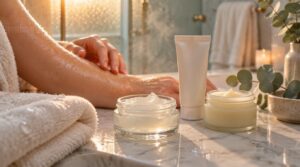
Your moisturizer does great work already. Now lock it in. Humectant ingredients pull water into your skin, and a thin occlusive layer keeps that water from escaping.
Sealing in that moisture with a few drops of vitamin E oil for skin also gives your barrier gentle antioxidant protection against everyday environmental stress.
Humectants draw water into your skin, and a thin occlusive layer on top keeps it from escaping
Plain petrolatum costs just a few dollars and works beautifully. Dimethicone-based balms feel lighter, and lanolin suits you if your skin tolerates it. Patch test first, since some people react to lanolin.
Apply right after your shower, while your skin is still damp. Dry skin cuts the payoff. Good occlusive moisturizers only slow evaporation, so they work best over hydration already there.
Picture your mornings:
- Waking up to skin that feels soft, not tight.
- Feeling calm because your skin barrier function is protected.
- Knowing one small jar helps with barrier repair and moisture retention.
Professional Hydrating Facials: Are They Worth The Cost?
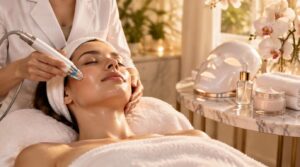
Your home routine does the daily work. Professional hydrating facials can add a boost, but you should know what you’re paying for.
A HydraFacial runs $150 to $350 per session. Traditional facials cost $75 to $200. The extra money buys deeper cleansing and instant glow, yet the effects fade within two weeks. Pricing varies by provider, clinic expertise, and personalized add-on boosters such as LED therapy.
| Tier | Price | Feeling |
|---|---|---|
| Signature | $150-$175 | Fresh and clean |
| Deluxe | $200-$250 | Glowing for events |
| Platinum | $275-$350 | Fully pampered |
Book one just before a big event, when instant glow matters most. For ongoing dryness, space visits two to four weeks apart and ask which hydrating facial services offer package discounts. Between visits, stick with gentle cleanser, moisturizer, and sunscreen. That’s cost-effective skincare, and it keeps your skin hydration levels steady.
A Simple, Affordable Routine for Lasting Skin Hydration
Three steps are all you need. Affordable skin hydration treatments work best when you keep them simple, and you can do this. Start with a gentle cleanser, then layer your products in the right order.
- Smooth on hydrating serums with hyaluronic acid or glycerin while your skin is still damp.
- Follow with a moisturizer duo: a light lotion by day, a richer cream with ceramides at night.
- Seal it all with a thin layer of petrolatum, only if your skin feels dry.
That’s it. Your skin stays calm, and your budget stays safe. You’re in control of every step.
Apply once each morning and night. Reapply moisturizer whenever skin feels tight or dry. Consistency builds mastery and keeps skin comfortable.
Frequently Asked Questions (FAQs)
What is the best treatment for hydrating skin?
Think of your skin as a thirsty sponge. A hydrating serum with hyaluronic acid soaks water in, and your moisturizer duo, ceramides plus a light seal, locks it there.
That’s affordable skincare that really works.
What is the best hydrating cream on a budget?
A good cream is a cozy blanket for your skin barrier. Pick a ceramide-rich moisturizer under 15. It’s budget skincare that works. Pair it with hyaluronic acid serums for affordable skin hydration treatments that last.
What is the most hydrating thing to put on your skin?
Does one miracle ingredient win? Not really. Hyaluronic acid and glycerin pull water in, while ceramides and squalane lock it there. Niacinamide helps your barrier.
Layer a humectant under a sealing cream and you’re set.
What is the best most affordable skin care line?
Why pay more for less? CeraVe is your best pick for budget skincare, with ceramide moisturizers under $
Add The Ordinary or drugstore hyaluronic acid serums, and you’ve built affordable skin hydration treatments that work.
How do you hydrate your skin?
Your skin is a sponge, and it drinks best when it’s still damp.
Pat on a hydrating toner after cleansing, then layer hyaluronic acid or glycerin.
Seal it with a moisturizer containing ceramides, twice daily.
What are the best affordable skincare brands?
Start with The Ordinary, CeraVe, and La Roche-Posay for affordable skincare. These budget skincare staples are dermatologist approved.
Grab CeraVe for ceramides, The Ordinary for hyaluronic acid, and La Roche-Posay for sensitive skin. Easy wins.
Are affordable skincare products effective?
Picture a $12 CeraVe moisturizer beating a $90 jar. It happens. Budget skincare works because you get proven ingredients like hyaluronic acid and niacinamide.
Dermatologists trust The Ordinary and La Roche-Posay for dependable skin hydration.
How do I start an affordable skincare routine?
Wondering where to begin? Know your skin type first, then build three basics: a hydrating cleanser, a moisturizer with ceramides and glycerin, and daily broad-spectrum sunscreen.
Add niacinamide later, once your basic routine feels steady.
Which skin care products should you buy?
Your shopping list is short, and that’s good news. Grab a gentle cleanser, a CeraVe moisturizer with glycerin, and sunscreen. Add niacinamide if shine bugs you. That’s budgetfriendly skincare that works. Honestly, you’ve got this.
What are the best skin care products?
Want products that actually work? You need a gentle cleanser, moisturizer, and SPF. Try CeraVe SA Cleanser, Neutrogena Hydro Boost GelCream, BYOMA Moisturizing Gel Cream, or The Ordinary serums. You’ll keep control and stay safe.
Conclusion
Picture Maya, a nurse with tight, flaky cheeks, who swapped her $90 monthly facial for a $12 serum and a tub of petrolatum. Three weeks later, her skin felt calmer and softer.
Your best affordable skin hydration treatments are already within reach. Apply a humectant to damp skin, add a moisturizer, then seal it with an occlusive. Save the spa for special occasions. Your skin doesn’t need luxury. It needs you showing up every day.