This site is supported by our readers. We may earn a commission, at no cost to you, if you purchase through links. This content is for general informational and educational purposes only and is not a substitute for professional medical, dermatological, or nutritional advice.
Most men grab whatever’s closest after shaving—splash something on, maybe spray a cologne, and head out. The problem? Aftershave lotion and cologne aren’t interchangeable, and using them wrong either kills your skin or kills your scent.
Aftershave carries 60–75% ethanol specifically to disinfect fresh razor abrasions and calm inflammation. Cologne is built for projection, not healing. The aftershave lotion versus cologne differences go deeper than fragrance concentration—they cover purpose, timing, and skin chemistry.
Get the layering right, and both products work harder for you.
Table Of Contents
Key Takeaways
- Aftershave (60–75% ethanol) is a skin treatment first — it disinfects nicks, calms razor burn, and reduces redness, while any scent it carries is purely a bonus.
- Cologne sits at 2–5% fragrance oil versus aftershave’s 1–3%, lasts two to four hours on skin, and exists for one reason only: to smell good for everyone around you.
- Always apply aftershave first, wait 5–10 minutes for full absorption, then spray cologne on pulse points — skipping that gap muddles both scents and kills longevity.
- If your shave goes clean with no irritation or nicks, cologne alone is enough — aftershave is a solution to a problem, not a mandatory step in every routine.
What is Aftershave Lotion Actually For?
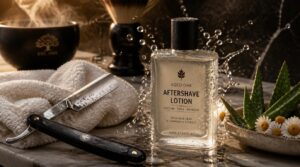
Aftershave isn’t just a scent — it’s actually doing real work for your skin. Most guys don’t realize how many skin problems it’s quietly handling after every shave. Here’s what aftershave lotion is actually built to do.
From soothing razor burn to fighting bacteria, aftershave lotion benefits and proper application go hand in hand when you want your skin to actually recover well.
Soothing Razor Burn and Irritation
Shaving puts your skin through real stress. The blade lifts and drags, leaving microscopic damage behind — and that’s when razor burn and irritation kick in.
A good aftershave lotion calms things down fast. Look for alcohol-free formulas with aloe vera or witch hazel. This is because high alcohol content can cause stinging.
Pat it on gently. Follow with a fragrance-free moisturizer to lock in relief.
Disinfecting Cuts and Nicks
Most nicks from shaving are minor — but they’re still open wounds. Wash your hands before touching your face.
Aftershave’s 80–90% alcohol content acts as a quick antiseptic, disinfecting small cuts on contact. Rinse any nick with clean water first to flush debris, then pat your aftershave on gently.
If bleeding won’t stop or the cut looks deep, see a doctor.
Reducing Redness and Razor Bumps
Cuts aside, redness and razor bumps are the real daily frustrations. Both usually trace back to the same culprits: shaving against the grain, dull blades, or skipping hair softening beforehand.
Aftershave’s soothing agents — like aloe vera and allantoin — calm inflamed skin fast. Pat it on gently after rinsing with cool water to reduce visible redness quickly.
Aftershave Formats: Balms, Splashes, and Lotions
Not all aftershave formats work the same way.
Splashes are thin, alcohol-heavy, and hit the skin with a sharp, cooling effect — great for oily skin. Balms are thicker, loaded with glycerin or shea butter, and lock in moisture without the sting. Lotions sit between both — light enough to absorb quickly, hydrating enough to actually matter.
Cologne Versus Aftershave: Key Differences Explained
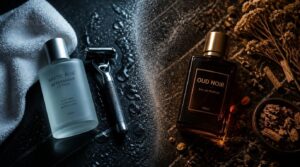
These two products might share shelf space, but they’re built for completely different jobs. The gap between them goes deeper than just scent strength — we’re talking about concentration levels, how long they last, and what they actually do to your skin. Here’s where they really differ.
Understanding those differences gets a lot clearer when you dig into how moisturizers and hydrating serums actually work on your skin.
Fragrance Oil Concentration Compared
Think of fragrance concentration like a volume dial.
Aftershave sits at 1–3% fragrance oil — barely a whisper. Cologne steps up to 2–5%. Eau de toilette runs 5–15%, and eau de parfum hits 10–20%. Parfum tops the chart at 20–40%.
That dial determines how boldly your scent announces itself — and how long it sticks around.
Scent Longevity: Hours on Skin
Concentration sets the stage, but skin and environment decide how long the show runs.
Aftershave fades in one to two hours — it’s not built to last. Cologne stretches to two to four hours. Fragrance with heavier base notes like musk or sandalwood can linger well beyond that, especially on oily, well-hydrated skin. Dry skin? Expect everything to disappear faster.
Hot weather and dry air speed up evaporation. Cooler, humid days work in your favor.
Primary Purpose: Grooming Versus Fragrance
Here’s the honest split: aftershave lotion exists for your skin, and cologne exists for everyone else’s nose.
Aftershave lotion heals your skin; cologne pleases everyone else
Aftershave’s grooming primary goal is healing — calming irritation, reducing redness, protecting fresh nicks. Fragrance is a side effect, not the point. Cologne flips that entirely. Its main purpose is daily scent decision made simple: smell good, full stop.
Your grooming routine needs both jobs filled — don’t ask one product to do the other’s work.
Alcohol Content and Skin Impact
Both products lean heavily on alcohol — but they’re not the same animal. Aftershave lotions run 60–75% ethanol, while colognes can hit 90%.
That alcohol is doing real work: it disinfects, evaporates fast, and carries scent. The trade-off is ethanol barrier disruption — stripping skin oils and increasing moisture loss, especially on freshly shaved skin that’s already stressed.
Where and How to Apply Each Product
Using the right product the wrong way still leaves you smelling off or dealing with irritated skin. Application method matters just as much as what’s in the bottle. Here’s exactly where and how to use each one.
Patting Aftershave on Face and Neck

Pour a small amount into your palm — less than you think you need. Gently pat it onto your cheeks, jawline, chin, and neck. No rubbing. Freshly shaved skin is sensitive, and friction makes it worse.
The cooling sensation fades fast, usually within minutes. That’s your signal the aftershave lotion is absorbing and doing its postshave care work.
Applying Cologne to Pulse Points

Cologne works best when it lands on warm skin. Those are your pulse points — wrists, neck, inner elbows, behind the ears — where blood runs close to the surface and naturally diffuses scent outward.
Three simple rules for applying it right:
- Hold the bottle 3–6 inches from your skin to get an even mist, not a wet patch.
- Spray one or two spots to start — you can always add more, but you can’t undo too much.
- Don’t rub your wrists together — that breaks down fragrance molecules and kills the dry-down.
Let it sit. Let it breathe.
Timing Between Aftershave and Cologne

You’ve placed the cologne. Now timing matters. Wait 5–10 minutes after applying aftershave before reaching for your fragrance.
Alcohol-based splashes dry faster than balms, but either way, let the skin fully settle. Spraying cologne onto still-wet aftershave muddles both scents. The absorption time is short — but skipping it costs you clarity and longevity.
Mistakes That Weaken Your Scent

Even with perfect timing, small habits can quietly kill your scent. Rubbing your wrists together after spraying is one of the biggest — friction breaks down fragrance molecules and collapses the top notes fast. Just spray and walk away.
Also, dry skin absorbs scent quickly, so moisturize first.
And store cologne away from heat and light — both degrade fragrance over time.
Should You Wear Both After Shaving?
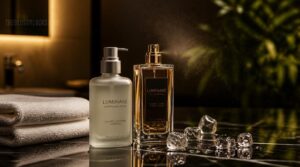
Yes, you can wear both — and honestly, it’s a smart move when done right. The key is order and timing, not just slapping them on at the same time. Here’s how to layer them without killing your scent or irritating your skin.
Layering Aftershave and Cologne Correctly
Layering aftershave and cologne correctly comes down to one simple rule: aftershave first, cologne second.
- Apply aftershave to your face and neck immediately after shaving
- Choose scents from the same fragrance family to avoid clashes
- Keep fragrance intensity balanced — lighter aftershave under stronger cologne works best
- Use pulse points for cologne — wrists, neck, inner elbows
Heat activation does the rest.
Letting Skin Absorb Before Spraying
You nailed the order — aftershave first, cologne second. But the gap between those two steps matters more than most people realize.
Wait 5 to 10 minutes before spraying cologne. That short window lets your skin absorb the aftershave fully, so fragrance bonds properly instead of sitting on a slippery, still-wet layer and fading fast.
Avoiding Fragrance Clashes
Scent clashes happen when two fragrances compete instead of cooperate. Stick to the same scent family — woody with woody, fresh with fresh.
If your aftershave has lavender and your cologne leans citrus, the result often smells muddled. When in doubt, choose an unscented aftershave balm so your cologne stays clean and dominant from the first spray.
Choosing The Right Product for Your Routine

Not every guy needs the same thing from his shelf. Your skin type, lifestyle, and how long you want your scent to last all shape what actually works for you. Here’s how to figure out the right fit.
Prioritizing Skin Care Versus Scent
Your skin condition should always come first. If you’re dealing with skin irritation after shaving, a soothing aftershave isn’t optional — it’s the foundation of your skin care routine.
Cologne can wait. A balanced routine means treating the skin before chasing scent projection. If comfort is the goal, fragrance longevity is simply secondary.
Matching Scent Profiles to Your Style
Choosing a fragrance that fits your look is like choosing the right shoes — it should feel intentional, not accidental.
- Minimalist style: clean musks, soft woods, transparent aquatics
- Bold and edgy: oud, leather, dark woody notes
- Romantic style: floral bouquets, powdery iris, soft vanilla
- Earth tone outfits: patchouli, vetiver, warm amber
Your signature scent should mirror your personal brand, not fight it.
Best Picks for Sensitive Skin
Sensitive skin doesn’t forgive harsh formulas. Look for alcohol-free aftershave balms — Proraso Sensitive and Nivea Men Sensitive both skip the sting while adding moisture post-shave.
Ingredients like ceramides, niacinamide, and glycerin reinforce your skin barrier without irritation. Keep fragrance concentration low or go fragrance-free entirely.
Your face will thank you before your nose even notices.
When Cologne Alone is Enough
Sometimes, cologne alone is enough. If your shave goes smoothly — no nicks, no razor burn, no redness — you simply don’t need a skin treatment step.
- No aftercare needed after a clean, irritation-free shave
- Works best with a minimalist grooming routine
- Ideal when your goal is daily fragrance only
If your skin tolerance threshold is high and you prefer a subtle scent preference, one or two sprays of cologne covers everything.
Frequently Asked Questions (FAQs)
What is the point of aftershave lotion?
Aftershave lotion soothes, protects, and hydrates in one step. It calms razor burn, disinfects small nicks, and cuts redness fast — making it a genuine skin treatment, not just a scent.
Can aftershave replace toner in a skincare routine?
Not quite. Aftershave manages post-shave skin treatment — soothing irritation and disinfecting nicks. Toner focuses on daily cleansing benefits like removing residue and balancing pH. They overlap slightly, but neither fully replaces the other.
Does cologne expire or lose potency over time?
Yes, cologne expires. Volatile top notes fade first, leaving the scent flat. Most last 2–4 years. Store it cool and dark, cap on tight, to slow that down.
How should you store aftershave and cologne properly?
Store both upright in a cool, dark place — a drawer or cabinet beats a bathroom shelf. Keep caps tight, hold onto the original box, and avoid spots where temperature swings daily.
Can women use aftershave for skincare benefits?
Women can absolutely use aftershave for skincare. Alcohol-free aftershave balms are especially kind to sensitive skin, delivering real skin hydration without the sting. Think of them as a quiet hero in any daily skincare routine.
Does diet or body chemistry affect how cologne smells?
Absolutely. Your skin’s pH, oil levels, and even what you ate for lunch all shape how cologne smells on you. The same bottle can smell entirely different on two people.
Conclusion
Think of your grooming routine as a two-tool kit—one fixes the damage, one makes the lasting impression. Understanding the aftershave lotion versus cologne differences means knowing which tool to reach for and when.
Aftershave heals and protects your skin right after the razor. Cologne projects your scent once that’s done. Use them in order, give your skin two minutes to absorb, and both products do exactly what they’re built for. That’s the whole game.