This site is supported by our readers. We may earn a commission, at no cost to you, if you purchase through links. This content is for general informational and educational purposes only and is not a substitute for professional medical, dermatological, or nutritional advice.
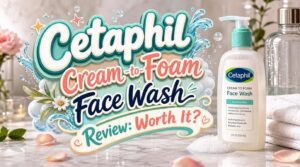
Most cleansers make a promise they can’t keep—clean skin without the tight—the tight, stripped feeling afterward. If you’ve got sensitive or dry skin, you know that feeling well: the one where your face feels like parchment ten minutes after washing.
Cetaphil built its reputation on solving exactly that problem, and the Cream-to-Foam Face Wash is their most direct answer yet. It uses a sulfate-free surfactant system with niacinamide, glycerin, and panthenol to clean without dismantling your moisture barrier.
Whether that formula actually delivers in practice—or just looks good on paper—is worth a closer look.
Table Of Contents
- Key Takeaways
- What Makes Cetaphil Cream-to-Foam Face Wash Special
- Key Ingredients and Their Skin Benefits
- Skin Type Suitability and Performance
- How to Use Cetaphil Cream-to-Foam Face Wash
- Price, Value, and How It Compares
- Pros and Cons of Cetaphil Cream-to-Foam Face Wash
- Frequently Asked Questions (FAQs)
- Can I use Cetaphil cleanser if I have eczema?
- Which one is better, CeraVe or Cetaphil?
- What is Cetaphil cream to foam?
- Is Cetaphil hydrating foaming cream cleanser good?
- Is Cetaphil a soap-free foaming cleanser?
- Is Cetaphil a good cleanser?
- Is Cetaphil a good moisturizer for dry skin?
- Is Cetaphil good for sensitive skin?
- Is Cetaphil face wash good for your face?
- Is Cetaphil or CeraVe better?
- Conclusion
Key Takeaways
- The Cetaphil Cream-to-Foam Face Wash uses a sulfate-free surfactant blend with niacinamide, glycerin, and panthenol to clean your face without stripping your moisture barrier.
- It’s best suited for normal to dry and sensitive skin types, but it won’t cut it if you have oily or acne-prone skin that needs real oil control.
- Clinically tested results show 98% of users had zero irritation, and four weeks of use measurably reduced water loss through the skin.
- At €10–€20 for a bottle that lasts two to three months, the cost per wash is low — especially for a fragrance‑free, dermatologist‑recommended formula.
What Makes Cetaphil Cream-to-Foam Face Wash Special
Cetaphil has built its reputation on keeping things simple — and this cleanser is a good example of why that works. It’s not flashy, but a few thoughtful design choices set it apart from your average drugstore face wash.
Those results are especially noticeable for people dealing with oily skin and large pores, where a gentle, non-stripping formula can make a real difference.
Here’s what makes it stand out.
Sulfate-Free Surfactant System
What sets this cleanser apart starts at the formula level. Instead of SLS, it uses a mild surfactant blend — Sodium Cocoyl Isethionate and Cocamidopropyl Betaine — two amphoteric cleansing agents that foam gently without stripping your skin.
The pH-balanced formula sits around 5.0–6.0, keeping your acid mantle intact. Foam stability stays consistent, and the microbiome-friendly surfactants make it a genuinely gentle foaming cleanser for sensitive skin.
Fragrance-Free and Hypoallergenic Formula
The gentle surfactant system is just part of the story. What really makes this cleanser a go-to for sensitive skin is what’s not in it.
Here’s what the fragrance-free, hypoallergenic formula avoids:
- No added perfumes or masking agents
- Passes a strict Fragrance-Free Ingredient Audit
- Meets Scent-Free Certification Standards for irritant-free formulation
- Validated through Hypoallergenic Claim Validation and Allergen Screening Process testing
- Free from essential oils that commonly trigger reactions
If your skin reacts to scent, this dermatologist-recommended gentle formula is worth a look.
Non-Comedogenic and Dermatologist-Tested
Beyond being fragrance-free, this noncomedogenic skincare product also earns its place as a dermatologist tested cleanser.
Its Pore Unclogging Performance comes from mild surfactants that rinse completely clean — no residue, no buildup.
Non-Comedogenic Validation and Dermatology Test Protocol backing mean Clinical Irritation Scores stayed low during testing.
For your skin, that’s real Skin Sensitivity Assurance you can actually feel after every wash.
Cruelty-Free and Paraben-Free Credentials
Cetaphil doesn’t test on animals in most markets, and its paraben-free formula skips methylparaben and propylparaben entirely. Cruelty-free cosmetics claims here are backed by Supply Chain Audits, Certification Bodies, and Label Transparency across regions.
Regional Regulations shape how those credentials appear by market, but the commitment to ethical cruelty practices in cosmetics stays consistent — giving you real Consumer Trust in every pump.
Key Ingredients and Their Skin Benefits
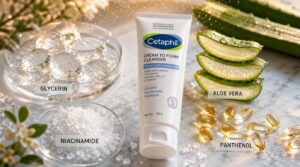
What’s actually inside this cleanser matters more than the marketing on the bottle. Cetaphil didn’t just throw in random moisturizing buzzwords — each ingredient has a real job to do for your skin.
Understanding how each ingredient works makes it easier to follow effective skin cleansing techniques for blackheads morning and evening without guessing what’s actually happening to your pores.
Here’s what you’re actually getting with every pump.
Hydrating Glycerin for Moisture Retention
Glycerin sits near the top of this cleanser’s ingredient list, and that placement matters. As a humectant, it pulls moisture toward your skin’s surface and forms a residual glycerin film even after rinsing.
This hydration layer helps your moisture barrier without relying on oils. The result? Your skin feels softer and less tight — a quiet, steady win for water binding and moisture retention.
Niacinamide (Vitamin B3) for Barrier Support
Niacinamide — vitamin B3 — quietly does some heavy lifting here. It promotes ceramide synthesis, which is how your skin produces the lipids that keep your barrier intact.
That means better lipid barrier support, real TEWL reduction, and stronger barrier resilience over time. It also helps with inflammation mitigation, so your skin stays calmer, even on rough days.
Panthenol (Pro-Vitamin B5) for Soothing and Repair
Panthenol — pro‑vitamin B5 — is the quiet soother in this hypoallergenic formula. It helps barrier recovery and moisture binding, so your skin doesn’t feel tight after rinsing. Even as a rinse‑off benefit, it leaves a light conditioning effect behind.
- Calms visible redness after washing
- Reduces post‑cleanse tightness
- Helps the stratum corneum
- Gentle enough for sensitive skin compatibility
- Aids skin barrier support in facial cleansers
Prebiotic Aloe Vera for Microbiome Balance
Your skin’s microbiome — the tiny ecosystem of bacteria and yeasts living on your face — takes a hit every time you cleanse. That’s where prebiotic aloe steps in.
The aloe polysaccharide prebiotics here act as prebiotic fiber delivery for skin flora support, feeding beneficial microbes and encouraging microbial homeostasis post-cleanse.
Effects of prebiotic aloe on skin are transient, but consistent use helps stabilize your skin barrier and microbiome over time.
Skin Type Suitability and Performance
Not every cleanser works for every skin type, and that’s where this one gets interesting. The Cetaphil Cream-to-Foam Face Wash has some clear strengths — and a few honest limitations worth knowing before you commit.
Here’s how it actually performs across different skin types.
Ideal for Normal to Dry Sensitive Skin
If your skin often feels tight or uncomfortable after washing, this cleanser was basically made for you. It’s a pH balanced cleanser designed for normal to dry, sensitive skin — and it shows.
The noncomedogenic formula won’t clog pores, and the fragrance-free blend keeps irritation low.
It fits smoothly into a morning evening routine and helps maintain skin barrier health with every wash.
Effective Removal of Dirt, Oil, and Makeup
This cleanser punches above its weight for makeup removal.
The sulfate-free surfactants work through oil emulsification, suspending sebum and pigment in a lightweight lather before you even rinse.
Foundation, concealer, and daily sunscreen dissolve into the foam lift power without scrubbing.
You get a residue-free rinse every time, which effectively removes dirt and makeup, making it a solid first step in double cleansing.
Clinically Proven Not to Strip The Skin
That residue-free rinse isn’t just satisfying — it’s backed by data. Clinical studies measuring Moisture Retention Metrics show reduced transepidermal water loss after four weeks of use.
This pH Balanced Formulation maintains your skin barrier function without stripping away natural oils.
Clinical Tolerability Scores confirm 98% of users reported zero irritation, making it a genuinely dermatologist recommended, non-stripping hydrating cleanser with real Barrier Integrity Studies behind it.
98% of users reported zero irritation, proving this dermatologist-recommended cleanser truly never strips your skin
Why It Falls Short for Oily or Acne-Prone Skin
That said, this cleanser wasn’t built for oily or acne-prone skin. Its limited oil control and weak degreasing power leave a residual lipid film that sebum-heavy skin doesn’t need.
There’s no salicylic acid to clear clogged pores, and a short rinse duration won’t cut through heavy buildup.
It’s a solid noncomedogenic skincare product — just not your oil removal solution.
How to Use Cetaphil Cream-to-Foam Face Wash
Getting the most out of this cleanser really comes down to how you use it. A small tweaks to your routine can make a noticeable difference in how your skin feels after every wash.
Here’s what you need to know to use it right.
Before committing to that steep price for so little product, check out this honest Vibriance Super C Serum review covering hydration, firming, and real-world results.
Step-by-Step Application Technique

Getting the most out of this gentle foaming cleanser for sensitive skin comes down to technique. Here’s how to use it right:
- Wet your face with lukewarm water, then dispense one to two pumps — that’s your ideal pump dosing.
- Work it in using circular massage motions for 30–60 seconds until foam transformation happens naturally.
- Rinse thoroughly, then pat your face dry with a clean towel.
Recommended Frequency and Routine Pairing
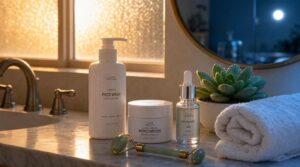
Once you’ve nailed the technique, frequency is your next decision. For normal to dry or sensitive skin, once daily is usually enough.
Morning vs evening use depends on your skin’s needs — rinse lightly in the AM, cleanse properly at night.
If you follow a daily skincare routine with Cetaphil, pair it with ceramide moisturizer immediately after rinsing, within one to two minutes.
Tips for Maximizing Hydration After Cleansing

Once you rinse, your next 60 seconds matter more than you think. Postcleansing moisture seals in faster on damp skin, so don’t fully dry off.
Try these steps for layered hydration:
- Cool rinse benefits start here — use lukewarm water, then gentle pat drying only
- Apply humectant ingredients like glycerin serums immediately
- Follow with your moisturizer for skin barrier support
- Run a humidifier nighttime if indoor air is dry
Price, Value, and How It Compares
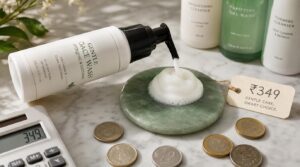
Let’s talk money — because a good cleanser should work for your skin and your budget. The Cetaphil Cream-to-Foam Face Wash holds up surprisingly well when you break it down by cost, comparison, and competition.
Here’s what you need to know before deciding if it’s worth adding to your cart.
Cost Per Application and Bottle Longevity
The 473 ml bottle generally lasts two to three months with twice‑daily use — and at roughly €10–€20, your per‑use cost stays impressively low.
Pump dispensing accuracy means you’re not wasting product.
The 236 ml bottle works if you want to try it first. Store it somewhere cool and dry for shelf life extension, or check for multi‑pack discounts to stretch your value further.
The product’s formula includes a glycerin humectant helps keep skin hydrated.
How It Compares to Other Cetaphil Cleansers
Within the Cetaphil lineup, the Cream-to-Foam stands out for its hydrating foam texture — something the Daily Facial Cleanser and Pro Oil-Removing Foam Wash don’t prioritize. Those two target oilier skin and can feel drying.
This one’s gentler, with meaningful ingredient overlap like glycerin, but adds niacinamide and panthenol for barrier support. If your skin runs dry or is sensitive, this wins.
Top Alternatives for Similar Skin Concerns
If the Cetaphil Cream-to-Foam isn’t quite your match, these gentle foaming cleanser alternatives are worth a look:
- Vanicream Gentle or CeraVe Hydrating Facial Cleanser — both fragrance-free picks for dry, reactive skin
- La Roche-Posay Toleriane Barrier cleansers — niacinamide-forward and tight-skin-friendly
- First Aid Beauty Pure Skin Face Cleanser or a Micellar Water Cleanser — softer options for ultra-sensitive days
Need oil control? A Beta Hydroxy Acne wash or Clarifying Clay formula addresses that better.
Pros and Cons of Cetaphil Cream-to-Foam Face Wash

No cleanser is perfect for everyone, and this one’s no different. Before you add it to your cart, it’s worth knowing what works well and where it falls short.
Here’s quick look at both sides.
What Users Love About This Cleanser
Users consistently highlight the gentle foam lather as a standout — it cleanses thoroughly without that dreaded tight, stripped feeling. The no residue finish keeps skin feeling fresh all day, and the easy pump dispensing means zero mess, zero waste.
As a hydrating facial wash with real skin barrier support, it delivers genuine value for money in a travel-friendly size.
Limitations to Consider Before Buying
No cleanser is perfect — and this one has real limits worth knowing.
- Post-Cleanse Dryness hits harder in dry climates without follow-up moisturizer.
- Pump Malfunction Issues can develop with buildup over time.
- Fragrance Residue Risk remains possible for ultra-sensitive skin despite the fragrance-free label.
- Not suitable for oily skin types — it won’t control excess sebum effectively.
Frequently Asked Questions (FAQs)
Can I use Cetaphil cleanser if I have eczema?
Yes, it can work well for eczema-prone skin. It’s hypoallergenic, fragrance-free, and helps your skin barrier — but always patch test first and follow up with a moisturizer immediately after rinsing.
Which one is better, CeraVe or Cetaphil?
Both are dermatologist-recommended, gentle hydrating facial cleansers for sensitive skin — but your skin type decides the winner. CeraVe wins on ceramides; Cetaphil wins on softness.
Different strengths, not a clear loser.
What is Cetaphil cream to foam?
Cream to Foam Face Wash is a gentle foaming cleanser that transforms from cream to foam on contact with water, designed for normal to dry, sensitive skin without stripping moisture.
Is Cetaphil hydrating foaming cream cleanser good?
For sensitive, dry skin, the Cetaphil Hydrating Foaming Cream Cleanser genuinely delivers. It cleans without stripping, strengthens your skin barrier, and keeps things fragrance free — a solid daily pick.
Is Cetaphil a soap-free foaming cleanser?
Yes, it’s a soap-free foaming cleanser.
Instead of sodium lauryl sulfate, it uses gentler surfactants that support your skin barrier, maintain pH balance, and form a light foam without stripping your skin’s natural moisture.
Is Cetaphil a good cleanser?
For normal to dry, sensitive skin, it’s a genuinely solid pick.
As a dermatologist-recommended, gentle foaming cleanser, it delivers reliable skin barrier protection without stripping — making it a trustworthy staple in any sensitive skin routine.
Is Cetaphil a good moisturizer for dry skin?
It’s a cleanser, not a moisturizer.
For dry skin, it preserves long-term moisture by avoiding harsh stripping, but you’ll still need a separate moisturizer afterward for real barrier strengthening and hydration.
Is Cetaphil good for sensitive skin?
Yes — its fragrance-free, dermatologist-recommended gentle formula promotes skin barrier health without stripping.
The sulfate-free system keeps pH balanced, making it a reliable pick for sensitive skin that reacts to harsh cleansers.
Is Cetaphil face wash good for your face?
For gentle cleansing, for daily hydration, for skin that doesn’t react — yes, Cetaphil Cream to Foam Face Wash delivers. It’s fragrance-free, strengthens your skin barrier, and suits sensitive skin well.
Is Cetaphil or CeraVe better?
Both are dermatologist recommended, but the better pick depends on your skin. Cetaphil wins for sensitive, dry skin. CeraVe edges ahead for barrier repair with ceramides and hyaluronic acid.
Conclusion
skin barrier like a dam—when the wrong cleanser chips away at it, everything downstream suffers. The Cream-to-Foam Face Wash works like a careful engineer, reinforcing rather than eroding.
This Cetaphil Cream-to-Foam Face Wash review ultimately points to one truth: it’s built for skin that needs gentleness above all else. If that’s you, it won’t disappoint.
If you need deeper cleansing, look elsewhere.