This site is supported by our readers. We may earn a commission, at no cost to you, if you purchase through links. This content is for general informational and educational purposes only and is not a substitute for professional medical, dermatological, or nutritional advice.
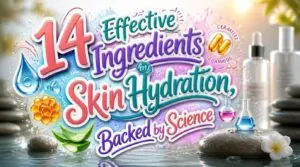
Your skin loses roughly a pint of water every day through a process you can’t see or feel. It’s called transepidermal water loss, and it’s the reason your face can feel like parchment by 3 p.m. even after slathering on moisturizer that morning.
Here’s the catch: most products promise hydration without explaining what’s actually happening at the surface of your skin. That tightness after cleansing? That’s not a sign your cleanser is "working." It’s your barrier waving a white flag.
As a cosmetic chemist, I’ve spent years dissecting labels, and the truth is comforting: a handful of effective ingredients for skin hydration do the heavy lifting. Hyaluronic acid alone can bind up to 1,000 times its weight in water. Urea boosted hydration by nearly 68% in one week in clinical testing. Once you know which ingredients pull water in, which lock it down, and which repair the wall holding it all together, you’ll never shop blind again.
Table Of Contents
- Key Takeaways
- Skin Dehydration Causes and Warning Signs
- 14 Best Ingredients for Skin Hydration
- Layer Humectants, Emollients, and Occlusives
- Top 10 Skin Hydration Products
- 1. The Ordinary Hyaluronic Acid 2% + B5
- 2. Farmacy Ceramide Honey Halo Moisturizer
- 3. Thayers Milky Hydrating Face Cleanser
- 4. CeraVe Moisturizing Cream 19oz Face Body
- 5. Paula’s Choice Water-Infusing Moisturizer 1.7 Fl Oz
- 6. PCA SKIN Hyaluronic Acid Boosting Serum
- 7. Sunday Riley Ice Ceramide Face Moisturizer
- 8. Biossance Squalane + Vitamin C Oil
- 9. Lancer Omega Hydrating Face Oil
- 10. Clinique Dramatically Different Moisturizing Lotion +
- Choose Hydrators by Skin Type and Season
- Frequently Asked Questions (FAQs)
- What is the most hydrating ingredient for skin?
- What are some good ingredients for hydrating my skin?
- What is the best thing to put on your skin for hydration?
- How do I rehydrate my skin naturally?
- Can you layer hydration ingredients with other actives?
- How long does it take to see results?
- Are hydrating ingredients safe for sensitive skin?
- Do hydration ingredients cause breakouts or acne?
- Should you adjust hydration routines seasonally?
- How long does it take for hydrated skin to improve?
- Conclusion
Key Takeaways
- Dehydrated skin is a fixable condition, not a skin type, and its real cause is usually transepidermal water loss driven by low humidity, harsh cleansers, or a damaged barrier—not a lack of moisturizer.
- Effective hydration requires layering in the right order: humectants like hyaluronic acid and glycerin on damp skin first, then emollients like squalane or ceramides, and finally occlusives like petrolatum to seal everything in.
- Key ingredients each play a distinct role—hyaluronic acid binds up to 1,000 times its weight in water, urea boosted hydration nearly 68% in a week, and ceramides act as the "mortar" that rebuilds a compromised barrier.
- Your skin type and the season should dictate your formula choices: oily skin thrives on lightweight humectants, dry skin needs lipid-rich emollients, and winter demands stronger occlusives while summer calls for lighter layers.
Skin Dehydration Causes and Warning Signs
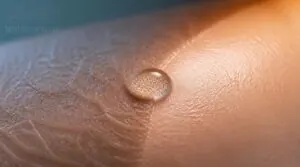
Dehydrated skin isn’t a skin type; it’s a condition, and that means you can fix it once you know what’s draining your moisture in the first place. Think of your skin as a sponge: when the water evaporates faster than you can refill it, everything from tightness to flaking follows.
Small daily choices — from sleep to sun protection — refill that sponge faster than any single product, and building effective skin care habits keeps the moisture from draining right back out.
Here are the most common causes and warning signs of skin dehydration, so you can spot the culprits before they sabotage your routine.
Environmental Moisture Loss
Beneath winter’s dry air, your skin wages a quiet battle. Low humidity steepens the moisture gradient, pulling water outward through your stratum corneum. Indoor heating makes it worse; wind strips the boundary layer away.
The result? Rising transepidermal water loss and visible dehydration. Your defense: humectants, emollients, and occlusives that trap water where it belongs.
Harsh Cleansing Habits
Your cleanser might be the quiet culprit. Harsh surfactants strip barrier lipids, spiking transepidermal water loss every time you wash. Hot water, over-scrubbing, double-cleansing? Each one resets your moisture retention to zero.
Choose a gentle cleanser, lukewarm water, and moisturize immediately after. That’s sensitive skin care routine gold. Your barrier will thank you.
Damaged Skin Barrier
Strip lipids repeatedly and your skin barrier breaks down structurally. Without ceramides, lamellar packing loosens fast, and transepidermal water loss accelerates noticeably, even when skin looks oily.
Barrier function repair needs four things:
- Replenishing ceramides to restore lamellar order
- Calming inflammation that disrupts lipid synthesis
- Using lipid barrier support with occlusives and fatty acids
- Eliminating irritants that restart the cycle
Tightness And Flaking
Tightness after cleansing signals elevated transepidermal water loss, not just dryness. Flaking follows when dead cells shed faster than compromised stratum corneum hydration can compensate.
Humectants attract water but can’t hold it alone. Without occlusives cutting moisture loss, water-binding ingredients deliver temporary relief at best. Layer your humectants and emollients, then seal with an occlusive to actually interrupt the cycle.
Dullness And Fine Lines
When your skin loses water, it can’t reflect light evenly. That’s dullness. Moisture-binding ingredients like hyaluronic acid and ceramides restore surface smoothness, reducing micro-roughness that makes fine lines look deeper.
Signs dehydration is stealing your glow:
- Fine lines appear deeper
- Skin looks flat rather than luminous
- Roughness scatters light unevenly
- Niacinamide and vitamin E perform better on a hydrated base
Sensitivity Or Excess Oil
Even when your face looks shiny by noon, stinging or burning after your usual products signals a compromised barrier, not just excess oil. Your skin’s actually producing that sebum as a compensatory response to irritation and dryness.
Switch to a fragrance-free moisturizer, reach for niacinamide to support oily skin balance, and always choose noncomedogenic formulas built for sensitive skin care.
14 Best Ingredients for Skin Hydration
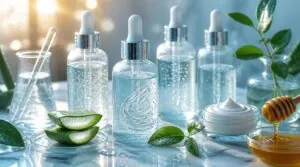
Not all hydrators work the same way, and knowing which ingredient does what gives you real control over your skin. These 14 ingredients cover every layer of hydration, from deep moisture-binding to surface sealing. Pick what fits your skin, and you’ll stop guessing.
Hyaluronic Acid
Think of hyaluronic acid as a water magnet woven into your skin. This moisture-binding glycosaminoglycan holds up to 1,000 times its weight in water, plumping the stratum corneum from the outside in.
Apply it on damp skin, then seal immediately with an emollient. Without that occlusive layer, it’ll pull moisture right back out of you.
Glycerin
Glycerin is perhaps the most dependable humectant in skincare. It draws moisture from the environment directly into your stratum corneum, keeping cells plump and your barrier functioning at its best.
What makes it a true workhorse? It distributes evenly throughout emulsions and performs even better when paired with ceramides for complete barrier repair. Affordable, adaptable, and consistently effective.
Urea
Your body already makes urea. It’s a key part of your skin’s Natural Moisturizing Factor, and topical urea replenishes what cleansing removes, supporting skin barrier repair and epidermal hydration.
- Pulls moisture deep into the stratum corneum
- Softens rough patches at concentrations above 10%
- Boosts absorption of other moisture-binding ingredients
Both a humectant and a keratolytic. It’s a rare dual-action win. Clinical studies show that urea’s skin hydration benefits include a 67.8% increase in hydration within just one week when used at 30% concentration.
Ceramides
Ceramides are the mortar between your skin cells, holding the barrier together. Lose them, and water escapes fast. Age, harsh surfactants, and over-exfoliation all deplete them.
Look for ceramide complexes paired with cholesterol and fatty acids, like in a moisturizing cream. They restore the skin barrier, calm reactivity, and lock in hydration. Pair with a serum application for best results.
Squalane
Here’s the science: squalane is hydrogenated squalene, a lipid your skin naturally produces. That hydrogenation makes it oxidatively stable—it won’t go rancid like heavier oils.
It works as an emollient, forming a breathable film that boosts moisture retention and helps your skin barrier. Lightweight, non-greasy, non-comedogenic, and dermatologist recommended skincare staple.
- Sinks in fast, zero tack
- Layers with humectants beautifully
- Softens rough texture
- Never clogs pores
- Suits every skin type
Shea Butter
If squalane is your lightweight daily driver, shea butter is the heavyweight champion for dry skin relief.
Shea butter is roughly 90% triglycerides, with stearic and oleic acids giving it that rich, buttery texture. It melts at skin temperature, so it glides on like warm silk and seals in moisture as a classic emollient.
| Benefit | What It Does | Best For |
|---|---|---|
| Barrier repair | Reduces water loss | Compromised skin barrier |
| Anti-inflammatory | Calms irritation | Sensitive, flaky patches |
| Antioxidant | Vitamin E protection | Mature skin |
Reach for it in a moisturizing cream when your skin feels like sandpaper.
Omega Fatty Acids
Omega fatty acids are the mortar between your skin’s bricks. Omega-3s and omega-6s slot into your barrier’s lipid layers, supporting lipid replenishment where ceramides can’t work alone.
Why your skin wants them:
- They strengthen the skin barrier against moisture loss
- They boost moisture retention at the stratum corneum
- They calm barrier-impaired skin
- They pair beautifully with ceramides
Find them in seed oils and algae-derived formulas. Watch for antioxidants in the packaging, though; omega fatty acids oxidize. Rancid oil irritates fast.
Petrolatum
Petrolatum is the raincoat of skincare. It sits on top of your skin barrier and simply refuses to let water escape, reducing moisture loss better than almost anything else.
It doesn’t add hydration. It protects what’s already there. That’s why pairing it with a hydration serum application first, then sealing, works so well.
One caution: choose highly refined, fragrance-free petrolatum. Cheap blends irritate.
Mineral Oil
If you’ve dismissed mineral oil as outdated, let’s revisit. This cosmetic-grade workhorse forms a semi-occlusive film that traps water in your stratum corneum, cutting transepidermal water loss without penetrating pores. Think of it as plastic wrap for your skin barrier. Its large molecules stay on the surface, delivering protection rather than deep treatment.
Why it earns a spot in your routine:
- Locks in moisture after your hydration serum application
- Non-comedogenic and non-allergenic at cosmetic grade
- More occlusive than plant oils, thanks to straight alkyl chain alignment
- Boosts stratum corneum thickness by up to 10%
- Ideal for very dry, sensitive, or post-procedural skin
One honest caveat: hydration vanishes once the film washes off, and it supplies no ceramides or fatty acids. Pair it with emollients for lasting repair.
Beeswax
Sealing in hydration is beeswax’s superpower. This natural combination of long-chain fatty acids, esters, and alcohols forms a hydrophobic film that limits water loss, supporting your skin barrier and moisture retention.
Layer it over humectants and emollients for best results. It thickens creams beautifully, but heavy formulations can feel clogged.
If you’re sensitive to bee-derived ingredients, patch test first.
Dimethicone
Dimethicone is the bodyguard of your moisturizer.
This silicone polymer forms a smooth, breathable film that locks in water already sitting in your stratum corneum, boosting moisture retention without heaviness.
Think of it as plastic wrap, but elegant.
It softens texture, cuts greasiness, and helps skin hydration alongside humectants.
One caveat: it seals, it doesn’t replenish.
Pair it with true water-binders for real skin barrier repair.
Panthenol
Think of panthenol as your skin’s quiet multitasker. As a hygroscopic humectant, it pulls water directly into the stratum corneum to moisturize and boost skin hydration at just 1–5% concentration.
It then converts to pantothenic acid inside skin cells, fueling ceramide production for barrier function support that curbs transepidermal water loss. Non-comedogenic and calming, it genuinely suits every skin type.
Lactic Acid
Lactic acid pulls double duty: it gently loosens dead-cell buildup at the stratum corneum while acting as a humectant to draw moisture in. That one-two of exfoliation and hydration resets your skin hydration baseline so moisture-binding ingredients you layer on afterward actually absorb.
Stick to lower concentrations if your barrier’s already compromised.
Honey
Nature’s original humectant. Honey’s glucose and fructose sugars bind water to your skin surface, directly helping skin moisture retention and building your skin hydration baseline over time.
It delivers more than just moisture-binding ingredients:
- Forms a thin film to slow evaporation
- Provides mild antimicrobial surface protection
- Helps your natural barrier function
- Contributes gentle chemical exfoliation
- Pairs beautifully with other humectants
Layer Humectants, Emollients, and Occlusives
Knowing your ingredients is half the battle. Layering them correctly is the other half.
Picture your skin as a brick wall. Corneocytes are the bricks; lipids like ceramides are the mortar. When that mortar cracks, water escapes and hydration evaporates before it can help you.
So build in order. Start with humectants like hyaluronic acid on slightly damp skin, because they need water to grab onto. Follow with emollients, such as squalane or shea butter, to fill those lipid gaps and smooth the surface. Finish with occlusives like petrolatum to seal everything in place.
Flip that order and you sabotage yourself. An occlusive film blocks humectants from reaching available water in the stratum corneum. Sequence matters. Master it, and your products finally work as hard as you paid for them.
Top 10 Skin Hydration Products
Now that you know your humectants from your occlusives, let’s put that knowledge to work. I’ve rounded up ten standout hydration products that put these ingredients to good use, from budget serums to barrier-repairing creams. Consider this your shortcut to a shelf that actually delivers.
Whether you’re after a hyaluronic acid serum or a rich ceramide cream, this roundup of top hydrating serums and moisturizers has something for every skin type and budget.
1. The Ordinary Hyaluronic Acid 2% + B5
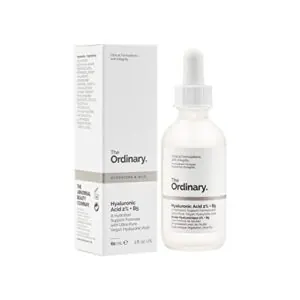
A cult classic for good reason. The Ordinary Hyaluronic Acid 2% + B5 packs 2% hyaluronic acid plus vitamin B5 into a featherweight serum that’s alcohol, oil, silicone, and gluten free.
Apply it to damp skin, then seal with a cream; hyaluronic acid binds water like a magnet, while panthenol smooths and helps your barrier.
Some users find the texture slightly sticky, so layer strategically.
At this price, it’s the smartest hydration experiment you’ll ever run.
| Best For | Budget-conscious skincare fans who want serious hydration and plumper, smoother skin without paying premium serum prices. |
|---|---|
| Hydration | present |
| Hydroxy/HA | HA |
| Free Fragrance | no fragrance |
| Non-comedogenic | yes |
| Alcohol-free | yes |
| Contains Ceramides | yes |
| Additional Features |
|
- Lightweight, fast-absorbing formula that layers well under other products
- Hydrates deeply and helps smooth fine lines while supporting the skin barrier
- Free of alcohol, oil, silicone, and gluten at a very affordable price
- Texture can feel sticky, especially if not layered carefully
- May irritate sensitive skin types
- Results vary depending on individual skin type and routine
2. Farmacy Ceramide Honey Halo Moisturizer
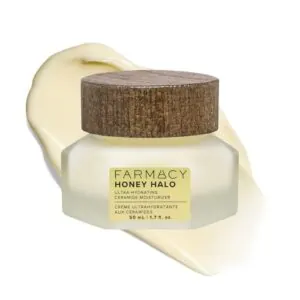
If hyaluronic acid is the water magnet, Farmacy’s Ceramide Honey Halo is the vault that keeps it locked in. This 50ml moisturizer blends buckwheat honey, propolis, and royal jelly with plant-based ceramides that rebuild your skin’s lipid mortar between cells.
Clinically proven to boost moisture 8x after one use, it plumps fine lines and leaves a dewy, radiant finish. Dry, sensitive, or mature skin will love it; oily skin may find it rich.
Bonus: the magnetic spatula keeps things hygienic.
| Best For | Dry, sensitive, combination, or mature skin types looking for a rich, ceramide-based moisturizer that deeply hydrates and leaves a dewy glow. |
|---|---|
| Hydration | present |
| Hydroxy/HA | HA |
| Free Fragrance | no fragrance |
| Non-comedogenic | yes |
| Alcohol-free | yes |
| Contains Ceramides | yes |
| Additional Features |
|
- Clinically proven to boost moisture 8x after one use
- Honey, propolis, and royal jelly blend with plant-based ceramides supports the skin barrier
- Includes a hygienic magnetic spatula applicator
- Some customers feel it’s not great value for the price
- A few users report hydration fades by afternoon on medium dry skin
- Reports of the product arriving without sealed packaging
3. Thayers Milky Hydrating Face Cleanser
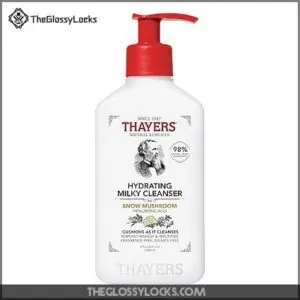
A moisturizer can’t rescue skin that a harsh cleanser sabotaged first. That’s where Thayers Milky Hydrating Face Cleanser earns its spot. Its milky, non-foaming surfactants dissolve makeup, sunscreen, and grime without stripping your barrier, while glycerin pulls moisture in as you wash.
Snow mushroom and hyaluronic acid boost hydration; the fragrance-free, alcohol-free formula suits dry, sensitive, and combination skin. One caveat: heavy waterproof makeup may need a second pass. Think of it as cleansing that hydrates rather than declares war.
| Best For | People with dry, sensitive, or combination skin who want a gentle, hydrating daily cleanser that removes makeup and sunscreen without stripping the skin barrier. |
|---|---|
| Hydration | present |
| Hydroxy/HA | HA |
| Free Fragrance | no fragrance |
| Non-comedogenic | yes |
| Alcohol-free | yes |
| Contains Ceramides | yes |
| Additional Features |
|
- Milky, non-foaming formula with snow mushroom and hyaluronic acid leaves skin hydrated, soft, and smooth
- Fragrance-free, alcohol-free, and non-comedogenic, making it well-suited for sensitive skin
- Free of parabens, phthalates, oil, and gluten, with cruelty-free practices and recyclable packaging
- Heavy or waterproof makeup may require a second cleanse to fully remove
- Some users report slight dryness or breakouts after use
- Packaging can be difficult to open for some users
4. CeraVe Moisturizing Cream 19oz Face Body
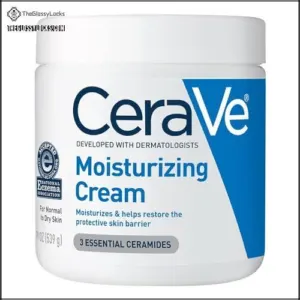
One 19-ounce tub of CeraVe Moisturizing Cream can hydrate your entire body for months. That’s the beauty of this workhorse.
Inside, you’ll find three essential ceramides (1, 3, 6-II) plus hyaluronic acid, delivered through MVE Technology for 24-hour controlled release. Think of it as a slow-drip IV for thirsty skin.
Petrolatum and dimethicone seal moisture in, making it ideal for very dry, eczema-prone skin. It’s fragrance-free, paraben-free, and non-comedogenic, holding the National Eczema Association Seal of Acceptance.
Apply after towel-drying to trap water. No SPF, though, so layer sunscreen separately.
| Best For | People with dry, sensitive, or eczema-prone skin who want long-lasting, full-body hydration from a single fragrance-free cream. |
|---|---|
| Hydration | present |
| Hydroxy/HA | HA |
| Free Fragrance | no fragrance |
| Non-comedogenic | yes |
| Alcohol-free | yes |
| Contains Ceramides | yes |
- Three essential ceramides plus hyaluronic acid, released gradually over 24 hours via MVE Technology
- Holds the National Eczema Association Seal of Acceptance and is safe for sensitive skin
- Large 19-ounce tub offers excellent value for months of face and body use
- No SPF, so you’ll need a separate sunscreen during the day
- Not formulated for acne treatment or oil control
- May not be enough on its own for severe skin conditions
5. Paula’s Choice Water-Infusing Moisturizer 1.7 Fl Oz
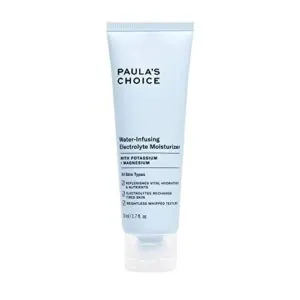
A well-built moisturizer is like a good sandwich: layers matter. Paula’s Choice Water-Infusing Moisturizer stacks glycerin and panthenol to pull water in, squalane and ceramides to smooth and repair, then dimethicone and beeswax to seal the deal.
The 1.7 fl oz formula is fragrance-free, cruelty-free, and absorbs fast. Perfect for day, night, and layering under serums. Dry-to-normal skin will love it. Fair warning: sensitive skin types report mixed results, and the price stings a little.
| Best For | Dry-to-normal skin types who want a fast-absorbing, fragrance-free moisturizer that layers well under serums for both day and night use. |
|---|---|
| Hydration | present |
| Hydroxy/HA | HA |
| Free Fragrance | no fragrance |
| Non-comedogenic | yes |
| Alcohol-free | yes |
| Contains Ceramides | no |
- Lightweight formula absorbs quickly without feeling greasy
- Fragrance-free and cruelty-free with science-backed ingredients
- Hydrates deeply while working well under makeup and serums
- Mixed results reported for sensitive skin
- Some users feel it’s overpriced for what it delivers
- Scent perception varies, with some noticing a medicinal smell
6. PCA SKIN Hyaluronic Acid Boosting Serum
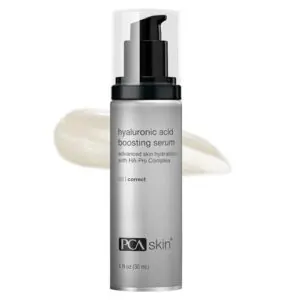
A serum with real chemistry behind it. PCA SKIN Hyaluronic Acid Boosting Serum pairs multiple molecular weights of hyaluronic acid, so water gets held at several depths rather than just sitting on the surface. The numbers impress: hydration up 55% in six weeks, natural hyaluronic acid levels boosted 50% within 24 hours, plus 60% more plumping and 31% fewer fine lines.
Supportive humectants like panthenol and glycerin help moisture stick around without tackiness. Apply after cleansing, before heavier creams. One caveat: some users find the 1 oz bottle runs out fast.
| Best For | People of any skin type—including sensitive skin—who want clinically backed, multi-depth hydration and plumping without fragrances, dyes, or parabens. |
|---|---|
| Hydration | present |
| Hydroxy/HA | HA |
| Free Fragrance | no fragrance |
| Non-comedogenic | yes |
| Alcohol-free | yes |
| Contains Ceramides | yes |
- Clinically proven results: 55% more hydration in 6 weeks and a 50% boost in natural hyaluronic acid within 24 hours
- Multiple molecular weights of hyaluronic acid plus panthenol and glycerin deliver moisture at several skin depths without tackiness
- Clean formulation free of synthetic dyes, fragrances, and parabens, suitable for all skin types
- The 1 oz bottle may last only about 2 weeks with regular use
- Mixed feedback on whether the results justify the price
- Headline claims come from a small 6-week study of just 40 participants
7. Sunday Riley Ice Ceramide Face Moisturizer
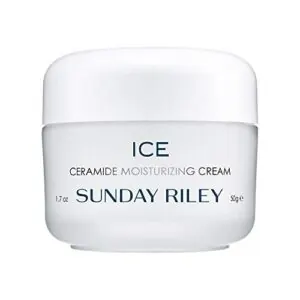
Ever wonder why your skin feels tight by noon? Your barrier’s crying for lipids.
Sunday Riley’s Ice Ceramide Moisturizer answers with ceramides NP, EOS, and AS, rebuilding that mortar between your skin cells. Beetroot and coconut extract pull in moisture, while vitamin F and pomegranate sterols strengthen the wall. Expect 24-hour hydration, clinically proven, with a satin finish. Some find the texture film-y or the scent off-putting, so sample first. Apply after cleansing, before sunscreen.
| Best For | People with dry skin who want clinically proven, all-day hydration and a stronger moisture barrier. |
|---|---|
| Hydration | present |
| Hydroxy/HA | HA |
| Free Fragrance | no fragrance |
| Non-comedogenic | yes |
| Alcohol-free | yes |
| Contains Ceramides | yes |
- Ceramide-rich formula replenishes hydration and rebuilds the skin barrier
- Beetroot and coconut extract draw moisture into the skin
- Vitamin F and pomegranate sterols strengthen the moisture barrier
- Some users describe the texture as "film-y"
- Scent reported as unpleasant by some customers
- Mixed feedback on texture and scent overall
8. Biossance Squalane + Vitamin C Oil
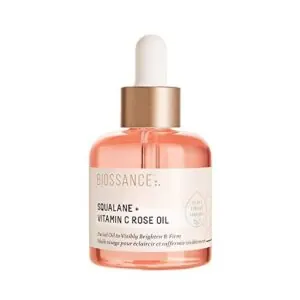
Think of squalane as your skin’s own oil, bottled. This Biossance formula pairs plant-derived squalane and vitamin C (a stable ester form, so it resists oxidation) for hydration plus antioxidant brightening. Squalane mimics skin’s natural lipids, reducing transepidermal water loss without heaviness.
Add Chios crystal oil for firmness and Damascus rose for radiance, and you’ve got a multitasker. Apply as your final step, or mix into moisturizer. Pricey, yes, but a little goes far.
| Best For | Those wanting a lightweight, multitasking facial oil that hydrates, brightens, and firms all in one step. |
|---|---|
| Hydration | present |
| Hydroxy/HA | HA |
| Free Fragrance | no fragrance |
| Non-comedogenic | yes |
| Alcohol-free | yes |
| Contains Ceramides | no |
- Squalane mimics skin’s natural lipids for deep hydration without heaviness
- Stable vitamin C ester resists oxidation while brightening
- Chios crystal oil and Damascus rose add firming and radiance benefits
- High price point compared to other facial oils
- Mixed customer feedback on skin reactions
- Modest category ranking (43rd in Facial Oils)
9. Lancer Omega Hydrating Face Oil
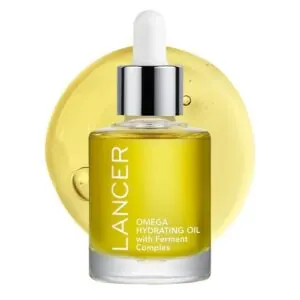
Oils aren’t just for dry skin anymore. Lancer’s Omega Hydrating Face Oil pairs omega fatty acids with lightweight esters, so you get occlusive-level hydration without the greasy curtain. Think of it as a breathable raincoat for your barrier.
Dr. Lancer formulated it with a 10% ferment complex and nature-derived moisturizers. Use two to three drops on damp skin, face to décolleté. It absorbs within minutes, prepping skin for your ceramide cream. Yes, it’s pricey, but winter skin rarely negotiates.
| Best For | People with dry, dehydrated, or redness-prone skin who want a fast-absorbing facial oil that hydrates deeply without feeling greasy. |
|---|---|
| Hydration | present |
| Hydroxy/HA | HA |
| Free Fragrance | no fragrance |
| Non-comedogenic | yes |
| Alcohol-free | yes |
| Contains Ceramides | no |
- Contains a 10% ferment complex and nature-derived moisturizers for smoother, more radiant skin
- Lightweight, fast-absorbing formula that layers well under other skincare products
- Versatile enough for use on the face, neck, and décolleté
- Expensive, and some users question the value for money
- Effectiveness varies depending on skin type and concern
- Small 1-ounce bottle may not last long with regular use
10. Clinique Dramatically Different Moisturizing Lotion +
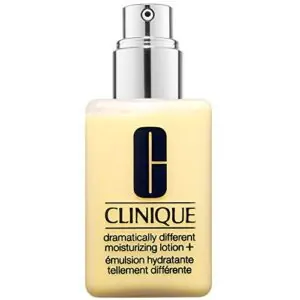
If oils feel like too much commitment, Clinique’s classic offers a friendlier handshake. Dramatically Different Moisturizing Lotion + blends glycerin for immediate plumping with dimethicone and petrolatum-derived occlusion to lock that moisture in place. It’s a lotion, not a cream, so it sinks in fast without a greasy curtain.
Two pumps, morning and night. Your dry-to-combination skin gets barrier support that builds over two to four weeks. Fragrance feedback runs mixed, so patch test if you’re reactive.
| Best For | People with very dry to dry combination skin who want a lightweight, fast-absorbing lotion that hydrates immediately and strengthens the skin barrier over time. |
|---|---|
| Hydration | present |
| Hydroxy/HA | HA |
| Free Fragrance | no fragrance |
| Non-comedogenic | yes |
| Alcohol-free | yes |
| Contains Ceramides | no |
- Lightweight lotion texture absorbs quickly without a greasy feel
- Hydrates dry skin right away and helps replenish the skin’s moisture barrier
- Convenient pump dispenser allows for controlled, mess-free application
- Fragrance feedback is mixed, which may be a concern for sensitive or reactive skin
- Some users question the authenticity of the product they received
- Results can vary depending on individual skin type and condition
Choose Hydrators by Skin Type and Season
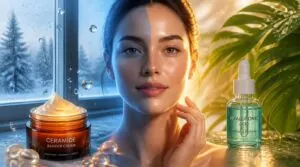
Here’s the truth no product list will tell you: the same moisturizer can be your hero in July and your saboteur in January. Hydration isn’t a one-time purchase. It’s a conversation with your skin, and seasonal changes rewrite the rules.
The same moisturizer can be your hero in July and your saboteur in January, because hydration is a conversation with your skin, not a one-time purchase
In low humidity, evaporation pressure spikes, so occlusives need to work harder. In summer’s slick air, they’ll trap sweat and leave you shiny. Adjust accordingly.
Your skin type sets the baseline:
- Oily skin thrives on fast-spreading humectants like hyaluronic acid, which replenish your Natural Moisturizing Factor without heaviness.
- Dry skin needs humectants plus emollients like ceramides and squalane to rebuild lost lipids.
- Sensitive skin does best with panthenol and barrier lipids, skipping harsh actives entirely.
Master these variables, and you’ll never blame a product for doing its job in the wrong season. That’s real control.
Frequently Asked Questions (FAQs)
What is the most hydrating ingredient for skin?
Hyaluronic acid wins for pure water binding, but true hydration combines humectants, glycerin, and ceramides that rebuild your Natural Moisturizing Factor and barrier. Match ingredients to your skin’s actual need.
If your skin feels tight even after moisturizing, this comparison of gentle skin hydration methods can help you decide which approach suits your skin best.
What are some good ingredients for hydrating my skin?
Hyaluronic acid and glycerin pull water into skin, while ceramides lock it in. Pair humectants with emollients like squalane, then seal with petrolatum. Your skin stays hydrated, smooth, and comfortable.
For the best absorption, apply these products to damp skin, and check these affordable skin hydration treatments for budget-friendly options that work.
What is the best thing to put on your skin for hydration?
What’s the best thing to put on your skin for hydration? A trio: humectants like hyaluronic acid and glycerin on damp skin, then ceramides and emollients to seal everything in beautifully.
How do I rehydrate my skin naturally?
You rehydrate skin naturally by layering humectants (glycerin, honey, aloe), then emollients like squalane or shea, sealing with beeswax. This rebuilds your Natural Moisturizing Factor and barrier lipids, locking moisture in beautifully.
Can you layer hydration ingredients with other actives?
Yes, you can layer hydration ingredients with most actives. Apply humectants first, then emollients, then your occlusive. Pair acids with ceramides or panthenol for better active ingredient compatibility and calmer skin.
How long does it take to see results?
How long does it take to see results? Humectants plump skin within hours; barrier repair takes 2–4 weeks. Layer water-binding agents under an emollient, stay consistent, and your moisture barrier fortification rewards patience.
Are hydrating ingredients safe for sensitive skin?
Most are, but concentration matters. Fragrance, essential oils, and high-strength actives can sting compromised skin. Stick to fragrance-free, low-sensitizer formulas with gentle humectants like glycerin for trustworthy sensitive skin relief.
Do hydration ingredients cause breakouts or acne?
It depends on the formula, not just your fear. Comedogenic occlusives and barrier irritants spark congestion, not your humectants. For sensitive, acne-prone skin, noncomedogenic moisturizers built on humectant-rich formulas keep pores clear and skin plump.
Should you adjust hydration routines seasonally?
Yes, absolutely. Like your wardrobe, your skin’s needs shift with the weather. Winter demands richer occlusives over humectants; summer flips that ratio. Master seasonal changes through smart ingredient layering techniques, and hydration stays yours year-round.
How long does it take for hydrated skin to improve?
How long does it take for hydrated skin to improve? Humectants work within minutes; occlusive layers calm tightness same day. True skin barrier fortification needs weeks—consistency, not one heroic application, wins.
Conclusion
Pull the water in, lock the water down, repair the wall that holds it. That’s hydration, stripped to its bones. Now you know which effective ingredients for skin hydration belong in your routine and why they earn their place on the label.
Your skin isn’t mysterious. It’s chemistry, and chemistry can be learned. So read labels like a chemist, layer with intention, and trust the science. Your barrier will thank you, one plump, comfortable cell at a time.