This site is supported by our readers. We may earn a commission, at no cost to you, if you purchase through links. This content is for general informational and educational purposes only and is not a substitute for professional medical, dermatological, or nutritional advice.

Brassiness doesn’t mean your color is ruined. It means your hair is missing one thing: the right tone, applied for the right amount of time.
Here’s where most people go wrong. They apply toner, watch the clock hit 30 minutes, and assume more time means better results. It doesn’t. Toner timing isn’t about waiting it out — it’s about reading your hair and pulling the product at the exact moment it’s done its job.
How long to leave toner on brassy hair depends on more than just the bottle instructions. Your hair’s porosity, its current level of brassiness, and whether it’s been previously colored all shift the equation. Get the timing right, and you’ll walk away with a cool, polished result. Get it wrong, and you’re looking at ashy, flat, or oddly violet strands that take a stylist to fix.
The good news: this is completely learnable.
Table Of Contents
- Key Takeaways
- How Long Should You Leave Toner on Brassy Hair?
- What Affects Toner Processing Time?
- How to Tone Brassy Hair Step by Step
- What Happens if You Leave Toner on Too Long?
- How to Maintain Toned Hair and Prevent Brassiness
- Frequently Asked Questions (FAQs)
- How long does it take to tone brassy hair?
- What are common toning mistakes to avoid?
- Do you put a toner on wet or dry hair?
- How do you know when toner is done?
- Can toner be applied to wet or dry hair?
- Does water temperature affect toner rinsing results?
- How soon can you re-tone if results disappoint?
- Should toner be used before or after highlights?
- Can toner work on naturally gray or white hair?
- Conclusion
Key Takeaways
- Toner timing isn’t a fixed number — your hair’s porosity, brassiness level, and color history all shift the ideal window, which typically falls between 15 and 35 minutes.
- Check your progress every five minutes and rinse the moment brassiness neutralizes, because leaving toner on longer doesn’t deepen results — it creates flat, ashy, or purple tones you’ll need a professional to correct.
- Apply toner to damp (not soaking wet) hair, focus saturation on your brassiest sections, and always do a strand test first so you know exactly how your hair will respond before committing to a full application.
- Keeping your tone longer-term comes down to consistent aftercare — sulfate-free shampoo, cool rinses, weekly toning shampoo, and minimizing heat styling all slow the return of brassiness between sessions.
How Long Should You Leave Toner on Brassy Hair?
The right timing depends on your hair’s brassiness level, starting color, and the toner you’re using. Leave toner on too long, and you risk damage or an unwanted cast; too short, and the brass stays. Here’s a quick breakdown to guide your session.
For real-world guidance, checking out Wella T50 toner before and after results can help you gauge the right timing for your specific shade.
Quick Timing Guide
The best time to leave toner in the hair is between 15–35 minutes, though your exact toner processing time will vary.
- Hair porosity speeds up absorption
- Higher brassiness needs more time
- Uneven toner application time causes patchy results
- Toner rinse timing locks in your result
Check progress visually. You’ll leave toner on only until warmth neutralizes.
Maximum Processing Time
Never exceed the maximum time on the label. Even if brass lingers, leaving toner on longer won’t always fix it. Past that ceiling, you risk over-deposit and dull, muddy results. Damaged or porous hair hits its limit faster than healthy strands. When in doubt, stop, rinse, and reassess before your next step.
What Affects Toner Processing Time?

Toner doesn’t work on a fixed clock — several variables determine how long yours actually needs to process. Getting the timing right means understanding what’s working against you before you apply anything. Here are the four factors that matter most.
From your current lightness level to the specific formula you’ve chosen, a quick look at how long to leave toner in hair can help you dial in the exact window that fits your situation.
Toner Type
The toner you choose dictates your processing time. Demi-permanent formulas work in 5–20 minutes, while permanent hair toner requires developer and toner in a 2:1 ratio, running 10–30 minutes.
Always read the instructions on the packaging. The best time to leave toner in the hair is between 15–35 minutes, and a quick strand test beforehand keeps you safely in range.
Brassiness Level
How brassy your hair is directly affects hair toner processing time. Mild yellow-orange tones neutralize faster than deep, coppery orange — your specific shade narrows the 15–35 minute window considerably.
Check every five minutes. Higher brassiness moves fast early, then slows, so knowing when to leave toner on versus rinse keeps you from overshooting into unwanted ashy territory.
Starting Hair Color
Knowing your starting color is half the battle. Virgin hair at a level 8 or lighter responds quickly, often picking up cool tones within 10–15 minutes.
Previously colored hair carries oxidized warmth underneath, so your toner processing time may need to run longer to counteract those stubborn golden or orange undertones effectively.
Hair Health
Two things determine how well toner works: the formula you choose and your hair health going into the process. Damaged or highly porous hair grabs pigment faster, which makes timing unpredictable and hair toner overprocessing risks harder to control. If your hair is dry or compromised, do a deep conditioning treatment or a protein mask a few days before toning to help strengthen and prep each strand.
For color-treated hair especially, understanding how long semi-permanent hair dye lasts helps you time your toning sessions before porosity becomes a problem.
Damaged hair grabs toner fast — prep with deep conditioning before you process
Read the instructions on the packaging before anything else and stick to the recommended time range. The best time to leave toner in the hair is between 15 and 35 minutes, but porous hair can reach the target shade well before that window closes. Check your progress every five minutes and rinse immediately the moment brassiness disappears. To avoid common mistakes, don’t ever skip that check-in step.
How to Tone Brassy Hair Step by Step
Toning brassy hair correctly comes down to following the right steps in the right order. Whether you’re working with a gloss, a permanent toner, or a toning shampoo, the process stays consistent. Here’s exactly what to do, from choosing your product to rinsing it out.
Choose The Correct Toner
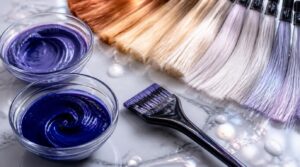
Getting the right toner starts with identifying your brass. Blue-violet toners target yellow tones on level 9–10 hair, while blue-based formulas neutralize orange brass on darker, level 7–8 blondes.
If your hair is porous or previously colored, opt for a toner with conditioning additives to protect the strand during processing. A quick strand test confirms you’ve made the right call.
Before committing to a full application, a hair color strand test kit lets you preview how your porous strands will absorb the toner without any surprises.
Follow Product Instructions

Every toner brand formulates differently. Read the instructions on the packaging before you mix anything; processing time isn’t universal.
The ideal time to leave toner in the hair is between 15–35 minutes, but your specific product may narrow that window. Don’t exceed the maximum. Going over time won’t deepen the result; it risks over-deposit and unwanted dullness.
Perform a Strand Test
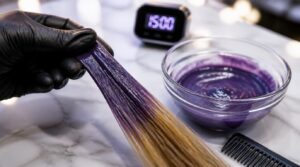
Before committing to a full application, run a strand test on a small hidden section that closely matches your brassiest area. Mix and apply the toner exactly as you’d on the full head. Start your timer once it’s saturated, then check every few minutes. Stop the moment you hit your target shade — toner keeps working even after removal.
Apply to Brassy Areas

Focus your application where the brassiness lives. Saturate those sections fully, don’t rush the coverage. Thin spots tone slower, which creates uneven results. Keep toner off the sections that are already neutral.
Use a brush or gloved fingers to control placement precisely, and blot any areas where it drifts. Controlled placement is everything here.
Check Every Five Minutes
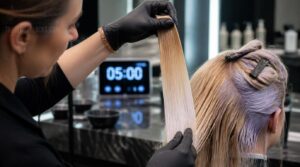
Once toner is applied, start your timer. Check your strand test and all targeted sections every five minutes within the 15–35 minute window.
Development accelerates after the midpoint, so stay attentive rather than assuming you have the full time. The moment brassiness reaches your target shade, stop. Waiting longer risks tipping the tone past neutral into flat, ashy results.
Rinse and Condition

Once you’ve hit your target shade, rinse immediately with cool water until it runs clear. Lukewarm works if cool isn’t practical, but avoid heat — it keeps toner depositing longer than intended. A handheld shower head gives you far more control over water direction, making it easier to rinse roots and ends thoroughly without over-saturating.
Follow up with conditioner right away. It smooths the cuticle, locks in an even finish, and prevents that patchy, dull result that skipping conditioner causes.
What Happens if You Leave Toner on Too Long?

Following those steps keeps you in control. Even with good toner application techniques, skipping the five-minute checks is where things go wrong.
When you leave toner in too long, excess pigment deposits fast, turning hair flat, ashy, or purple. Porous and bleached hair absorbs toner quickly, making it more vulnerable to overprocessing.
Beyond color, prolonged toner exposure strips natural oils, weakening the cuticle and leaving strands dry and brittle. Hair toner rinse timing isn’t just about shade; it protects structural integrity. Your hair type and porosity directly influence how fast toner absorbs, with fine or damaged strands developing color in as little as 5 to 10 minutes.
The best time to leave toner in the hair is between 15 and 35 minutes. Past that, you’re not improving results. You’re creating a problem that needs clarifying shampoos or professional color correction to fix.
How to Maintain Toned Hair and Prevent Brassiness

Getting the tone right is only half the job. How you maintain toned hair determines how long results last before brassiness returns.
Warm pigments resurface as the toner fades with every wash, so building smarter habits slows that cycle considerably.
- Switch to a sulfate-free, color-safe shampoo for every wash
- Rinse with cool or lukewarm water to seal the cuticle
- Use a purple or blue toning shampoo weekly to counter brassiness
- Deep condition regularly to keep cuticles smooth and sealed
- Avoid heat styling whenever possible, which lifts the cuticle and speeds up color loss
Consistent hair color maintenance keeps brass from sneaking back in between appointments. Your smart aftercare habits protect your tone far longer than repeated toner application ever will.
Frequently Asked Questions (FAQs)
How long does it take to tone brassy hair?
Most toners neutralize brassiness within 15 to 35 minutes, but porosity and starting level both matter. Do a strand test first, then check every few minutes, and rinse as soon as you hit your target.
What are common toning mistakes to avoid?
Picture uneven, patchy bands across your hair where toner missed key sections. Skipping the strand test, leaving toner too long, and rushing application are the most common mistakes. Check every five minutes and redistribute evenly.
Do you put a toner on wet or dry hair?
Apply toner to towel-dried, damp hair — not soaking wet. Wet hair dilutes the formula and causes uneven deposit. Damp hair lets the toner spread evenly and develop consistently.
How do you know when toner is done?
Like a photograph developing in the darkroom, the signal is clear once you know what to look for. When brassiness visibly shifts toward cooler, neutral tones and closely matches your strand test result, you’re done.
Can toner be applied to wet or dry hair?
Both work, but damp hair is ideal — it distributes product evenly without diluting the formula. Dry hair absorbs toner faster, risking uneven results, especially on thick or porous strands.
Does water temperature affect toner rinsing results?
Yes, and it’s one of those small coincidences where your shower temperature quietly shifts your entire toning result. Cold water rinse tightens cuticles, slowing pigment drift. Warm water accelerates deposit, risking over-toning on porous hair.
How soon can you re-tone if results disappoint?
Disappointing results call for patience. Wait until hair is fully rinsed and dried, assess tone under normal lighting, then re-tone only once the baseline color has stabilized after washing.
Should toner be used before or after highlights?
Always tone after highlights, never before. Highlights lift the hair first; toner then neutralizes the resulting brassiness. Reversing the order makes your final tone completely unpredictable.
Can toner work on naturally gray or white hair?
About 50% of people have noticeable gray hair by age Toner can help, but only if visible warmth or yellow undertones are present. If your gray looks completely neutral, you won’t see much difference.
Conclusion
Think of toner like seasoning a dish. Too little, and the flavor falls flat. Too much, and it’s ruined. Knowing how long to leave toner on brassy hair is the skill that separates guesswork from results you can genuinely trust.
Check every five minutes. Trust your eyes over the clock. Your hair tells you when it’s done. When you learn to listen, brassiness stops being a problem and starts being something you can easily fix.