This site is supported by our readers. We may earn a commission, at no cost to you, if you purchase through links. This content is for general informational and educational purposes only and is not a substitute for professional medical, dermatological, or nutritional advice.
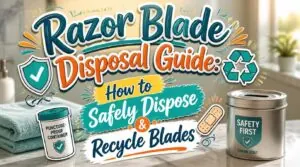
Toss a used razor blade straight into the trash bag, and you’ve just handed a sanitation worker a potential injury. It happens more than you’d think. Loose blades slice through bags, hide in compacted waste, and turn a routine pickup into a trip to the ER.
That’s the real risk behind a habit most people never question. A solid razor blade disposal guide isn’t about being overly cautious, it’s about protecting your family, your trash collector, and the environment from a hazard hiding in plain sight.
Get the steps right, and you’ll handle every blade with confidence, from the bathroom sink to the final drop-off.
Table Of Contents
- Key Takeaways
- Why Safe Razor Blade Disposal Matters
- Prepare Used Razor Blades Safely
- Choose a Puncture-Resistant Blade Container
- Seal, Label, and Dispose Blades
- Recycle Razor Blades When Accepted
- Frequently Asked Questions (FAQs)
- How do you get rid of old razor blades?
- Is it illegal to throw away razor blades?
- Where do you throw away used razor blades?
- How should you dispose of old razors?
- How to dispose of razor blades safely at home?
- How do you dispose of razor cartridges & safety razor blades?
- Why do we need responsible razor blade disposal practices?
- Do recycling centers accept razor blades?
- Can you dispose of razor blades in a tin?
- How do you dispose of a razor?
- Conclusion
Key Takeaways
- Never toss loose blades in the trash—clean them, dry them fully, and seal them in a puncture-resistant sharps container to protect your family and sanitation workers.
- Secure your full container with duct tape and a clear "USED RAZOR BLADES" label before it ever leaves your hands.
- Check your local rules before curbside pickup, since sharps disposal laws vary by state and some areas require approved containers only.
- Consider recycling instead of trashing—programs like TerraCycle and manufacturer take-back schemes will accept properly packaged blades and cartridges.
Why Safe Razor Blade Disposal Matters
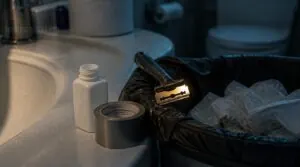
That used blade in your trash can do real damage before it ever reaches a landfill. Toss it in loose, and you’re putting your own family and total strangers at risk. Here’s what’s actually at stake, and why a few extra minutes of prep matters so much.
If you’re not sure which blades are worth the risk in the first place, this guide to choosing the best razor blades for wet shaving can help you shave smarter and dispose of them safer.
A loose blade in the trash can hurt your family and strangers long before it ever reaches the landfill
Household Cut Prevention
A stray blade in the bathroom trash can slice a finger to the bone. That’s why prevention starts the moment you finish shaving.
- Wear cut-resistant gloves when handling used blades
- Dispose immediately after use, never left loose
- Store in a childproof, puncture-resistant container
Proper blade wrapping and safe storage practices protect every hand that touches your trash, including small ones.
Waste Worker Safety
Once your trash leaves the curb, someone else has to handle it. Waste management workers face sharps injury prevention challenges daily, especially during manual sorting where cuts and punctures are common.
Compacting and crushing can turn hidden blades into projectiles. Puncture-resistant containers, PPE effectiveness, and hazard recognition training all reduce that risk, protecting the hands you’ll never see.
Environmental Contamination Risks
Loose blades don’t just hurt hands, they hurt ecosystems. Tossed in regular trash, they end up in landfills where heavy metal accumulation contaminates soil and water over decades.
Three ripple effects worth knowing:
- Microplastics from packaging persist in waterways
- Pesticide runoff triggers algal bloom formation
- Contaminant bioaccumulation moves up the food chain
Researchers note that environmental risk assessment of hazardous substances remains statistically challenging due to limited data on long-term, low-dose exposures like those from improperly discarded blades.
Proper waste segregation and hazardous waste handling prevent this entirely.
Local Sharps Disposal Rules
Rules on sharps aren’t universal, they shift by zip code. California, for instance, legally defines sharps waste and requires rigid, puncture-resistant containers before pickup.
| State | Requirement | Risk if Ignored |
|---|---|---|
| CA | Sealed sharps container | Fines, injury |
| Many states | No loose trash disposal | Waste worker cuts |
| Most areas | Local drop-off only | Illegal dumping |
Check SafeNeedleDisposal.org before tossing anything.
Prepare Used Razor Blades Safely
A used blade is still sharp enough to cut you, so treat it with the same care you’d give a fresh one. Before it goes anywhere near a container, you’ve got a few quick prep steps to handle. Here’s exactly what to do, in order.
If you’re unsure how to safely wrap and dispose of it, this guide to choosing and maintaining shavette straight razors walks through proper blade handling from start to finish.
Minimize Direct Blade Handling
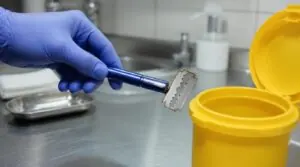
Bare fingers and blades don’t mix. Use hands-free tools like retractor devices, safety scalpels, or a magnetic blade holder to keep skin off the edge entirely.
- Slipped grip
- Blood on the counter
- A panicked search for bandages
- An ER trip you didn’t budget for
Wear protective gloves anyway. Then transfer blades straight into a purpose-built blade bank or puncture-proof container, no bare-hand handoffs.
Clean Blades When Required
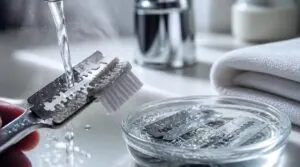
When residue cakes on between blades, a rinse alone won’t cut it. Hot water rinse first, then a soft toothbrush scrub for stuck particles.
| Cleaning Step | Purpose |
|---|---|
| Hot water rinse | Clears debris |
| Toothbrush scrub | Removes buildup |
| Alcohol dip | Disinfects surface |
| Weekly deep cleaning | Breaks down residue |
| Rinse and dry | Preps for storage |
Dry Blades Before Recycling

Once blades are clean, don’t rush storage. Air dry blades fully on a clean towel first, no heat or chemicals needed.
- Prevents rust on metal
- Stops leaks in transit
- Protects container integrity
Drying time varies with airflow and room temperature, but give it at least 24 hours in a ventilated area before moving on.
Keep Blades Away From Children
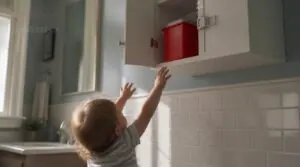
A curious toddler doesn’t know a blade from a toy. That’s why secure blade storage matters so much.
Use a puncture-resistant container with a one-way slot, no hand can fit through. Store it up high or in a locked cabinet, never on counters kids can climb.
Add a bold "Sharps" label with poison control info. Simple childproof storage habits prevent tragedies.
Choose a Puncture-Resistant Blade Container
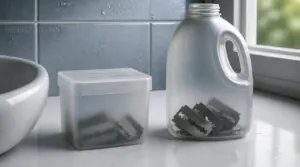
Clean, dry blades still need somewhere safe to land. The right container stops them from cutting through more than just hair. Here’s what to look for, from store-bought options to containers you can build yourself.
Approved Sharps Containers
Want the best? Pick an FDA-cleared sharps container with puncture-resistant walls and a locking lid.
- Rigid, leak-proof plastic construction
- Visible fill line
- Biohazard label per OSHA 1910.1030
- One-way lid opening
- Sizes from 1.4 quarts to 25 gallons
These containers meet strict FDA guidelines, so you know they’ll hold up.
Commercial Razor Blade Banks
Running a shop that goes through blades fast? A dedicated blade bank beats a basic sharps container every time.
Look for high capacity design (some hold 750+ blades), tamper-proof lids, and wall-mount hardware for busy workspaces. Choose stainless steel or tin-plated models for full material recyclability, meeting OSHA compliance standards without hassle.
Homemade Blade Bank Materials
Not everyone needs a commercial bank. Repurpose a hard plastic or metal container instead: coffee cans or detergent bottles work well when material thickness resists punctures.
Bond seams with high strength epoxy for watertight seal integrity. Add rubber feet for base stability.
No time to build one? Wrap blades in thick cardboard or newspaper, then check TerraCycle’s free program.
Safe Container Slot Size
Whatever container you choose, slot size decides whether it actually protects you. Too wide, and fingers slip in. Too narrow, and blades jam.
- Width: 1.75 to 2 inches
- Height: 0.5 to 0.75 inches
- Design goal: hand entry prevention
FDA rules require openings large enough for blades, never hands.
Secure Upright Storage
Slot size stops fingers. Orientation stops blades from touching. Store blades upright, in a puncture-resistant container, and each one drops straight down without sliding against its neighbors.
| Storage Type | Key Benefit |
|---|---|
| Magnetic blade cases | Blade immobilization |
| Wall-mounted holders | Keeps blades off counters |
| Integrated razor compartments | No separate bank needed |
Vertical drainage also cuts corrosion risk before disposal.
Seal, Label, and Dispose Blades
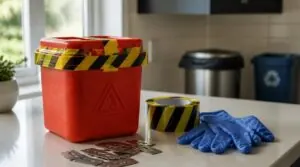
Once your container is full, the job isn’t done yet. Sealing and labeling it right keeps everyone safe, from your household to the person handling your trash. Here’s exactly what you need to do before it leaves your hands.
Avoid Overfilling Containers
A stuffed container is a ticking hazard. Stop at 80 percent full, never higher.
That headroom stops blade jams and keeps sharps from poking through gaps. Don’t compact or force blades down to fit more in. Check fill level indicators often, and replace the container before it’s packed tight. Safe blade storage solutions always leave breathing room.
Secure Lids With Duct Tape
Tape turns a container into a true puncture-resistant container. Close the original lid first, then wrap heavy-duty duct tape around it, two overlapping layers minimum.
Extend tape 1-2 inches past the edge. Press firmly, no air pockets. Do a tug test before trashing. That seal protects waste management workers from every blade inside.
Label Containers Clearly
A mystery container is nobody’s friend. Write "USED RAZOR BLADES" in permanent marker, all sides, block letters anyone can read.
Follow Clear Labeling Standards: full name, no shorthand. This identity tag doubles as a hazard communication label, keeping waste handlers safe.
- Product identifier
- "SHARPS" warning
- Prep date
- Your name
- Legible placement
If you securely tape blades together before trashing loose ones, label that bundle too.
Use Local Sharps Drop-Offs
When drop-off is available, it’s often your safest bet. Check doctors offices, pharmacies, hospitals, and health departments for local sharps drop-offs.
Call ahead, since coverage varies. Some sites only accept medical sharps, not razor blades, so confirm before you drive over.
Bring your sealed, puncture-resistant container. Never transport loose blades, even short distances.
Follow Approved Trash Rules
Curbside pickup isn’t a free-for-all. Your local regulations dictate trash bin placement, waste segregation rules, and pickup schedules.
- Keep sharps out of recycling bins
- Use only approved sharps containers
- Check holiday schedule changes
- Follow container labeling standards
Never bag loose blades curbside. Confirm your municipality allows sealed sharps containers in standard trash before setting one out.
Recycle Razor Blades When Accepted
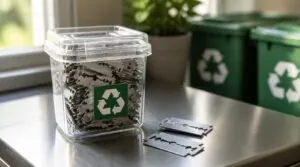
Trashing blades isn’t your only option. Metal is recyclable, and several programs want your used blades instead of a landfill. Here’s where they can actually go.
Municipal Metal Recycling Rules
Not every recycling bin welcomes razor blades. Your local waste authority sets strict metal separation rules, and contamination voids the whole batch.
| Requirement | What It Means | Why It Matters |
|---|---|---|
| Clean metal only | No rust or debris | Prevents rejection |
| Drop-off points | Designated bins required | Ensures compliance |
| Steel/aluminum streams | Blades often qualify | Helps recycling |
Check municipal waste management rules before tossing blades curbside.
Manufacturer Take-Back Programs
Skip the guesswork and let brands handle it. Manufacturer Take-Back Programs put extended producer responsibility into action, reclaiming blades through return labels and certified processing pathways.
Some run as single-brand efforts, others as multi-brand coalitions, like TerraCycle’s coalition model. Participation rates and recovered volumes get publicly reported, showing real diversion from landfills. Look for community disposal programs or manufacturer incentives before assuming your blades belong in the trash.
Mail-in Razor Recycling
TerraCycle’s mail-in razor recycling accepts most brands, free shipping label included. Dry your blades fully first; moisture wrecks shipments.
Three rules keep you eligible:
- Confirm program eligibility for your brand
- Pack blades in a punctureproof container
- Place labels flat, fully visible outside
Container integrity matters most. A crushed box means rejected shipments, wasted effort, and blades back in your hands.
Cartridge Razor Recycling Options
Cartridges need extra work. Gillette razor products and similar systems mix metal and plastic, so separate components first before mailing.
TerraCycle controls this, and manufacturer take-back schemes accept prepaid mail-back kits too. Your local recycling facility likely won’t, so skip curbside guidelines here. Sustainable shaving means sorting properly, not tossing cartridges whole into the bin.
Recycling Mistakes to Avoid
Sorting mistakes ruin whole batches fast. Loose blades in curbside bins cause cross contamination, just like food residue or grease-stained cardboard.
Ignoring local guidelines, tossing plastic bags in, or mixing glass with metal all backfire. Don’t leave tape or labels on packaging either.
Stick to your sharps container, blade bank, or TerraCycle mail-in. This Razor Blade Disposal Guide keeps recycling incentives working, not wasted.
Frequently Asked Questions (FAQs)
How do you get rid of old razor blades?
Rinse and dry your blades, then drop them in a sharps container or sturdy blade bank. No container handy? Wrap blades in cardboard, tape it shut, and label it clearly before tossing or recycling through TerraCycle.
Is it illegal to throw away razor blades?
Better safe than sorry: it depends on where you live. Local ordinances vary, so check your sharps disposal rules. Some allow packaged blades in household trash; others require puncture-resistant containers, with penalties possible for improper disposal.
Where do you throw away used razor blades?
Drop used blades into a sharps container or blade bank. No local program? Wrap them and check trash disposal rules. Pharmacies and hazardous waste sites often run sharps drop-off options too, protecting waste management workers.
How should you dispose of old razors?
One blade cuts hair in seconds, one careless toss can cut a hand for days. Use safe blade storage in a sharps container or blade bank, then explore recycling program participation through TerraCycle for metal recycling of old razors.
How to dispose of razor blades safely at home?
Wipe safety razor blades dry, then wrap in thick cardboard or newspaper and seal with duct tape. Label the packet "sharps," store in a puncture-resistant container or repurposed metal tin, and follow local sharps disposal rules.
How do you dispose of razor cartridges & safety razor blades?
Think of it like sorting laundry: cartridges get wrapped and taped like a small parcel, while loose safety blades go straight into a labeled sharps container or blade bank, sealed with duct tape before trash or drop-off.
Why do we need responsible razor blade disposal practices?
Careless disposal protects sanitation workers from serious cuts, keeps kids and pets safe, prevents environmental contamination, satisfies local sharps regulations, and stops blades from tearing bags or jamming waste equipment during collection and processing.
Do recycling centers accept razor blades?
Ironically, the very centers built to recycle metal often reject the blades that dull it. Most curbside programs decline them outright, but properly contained stainless steel blades may qualify, so always confirm local recycling policies before dropping any off.
Can you dispose of razor blades in a tin?
Only short term. Thin metal offers limited puncture resistance, so use a protective insert, label it "SHARPS," and store upright. For lasting safety, switch to a proper sharps container or blade bank instead.
How do you dispose of a razor?
One wrong move and that blade bites back. Wrap it in cardboard, tape all sides, and label it "sharp blades." For loose razors, skip the trash entirely, use a puncture-resistant sharps container instead.
Conclusion
A thousand tiny blades could turn your trash into a minefield if you skip these steps. That’s the real stakes here.
This razor blade disposal guide gives you a clear system: contain, seal, label, and drop off the right way. Follow it, and you protect your hands, your family, and the workers who haul your waste. Small habit, real impact.
Master this routine once, and safe disposal becomes second nature, no close calls, just confidence every time you toss a blade.