This site is supported by our readers. We may earn a commission, at no cost to you, if you purchase through links.

Your skin sheds cells every day, but the process does not keep pace. When those cells linger, they can leave your face looking dull, make makeup catch on dry patches, and mingle with oil inside pores.
That is where thoughtful exfoliation earns its place. By lifting or dissolving the layer of dead cells, it can reveal a smoother surface and help products reach it more evenly. The benefits of exfoliating skin extend beyond a glow, but more is not better. A scrub or acid use can damage the skin barrier.
The method you choose depends on your skin, concerns, and routine.
Table Of Contents
- Key Takeaways
- What is Skin Exfoliation?
- Top Benefits of Exfoliating Skin
- Physical Versus Chemical Exfoliation
- Best Exfoliation for Your Skin Type
- How to Exfoliate Skin Safely
- Frequently Asked Questions (FAQs)
- Is it healthy to exfoliate your skin?
- How do I exfoliate correctly?
- Is it good to use exfoliator every day?
- When should you not exfoliate?
- What are the benefits of exfoliation?
- How does exfoliation work?
- How does skincare affect exfoliation?
- Do you need exfoliation to keep your skin healthy?
- Why is gentle exfoliation important?
- What is skin exfoliation?
- Conclusion
Key Takeaways
- Exfoliation removes lingering dead skin cells, which can improve dullness, rough texture, clogged pores, and uneven-looking tone.
- Choose the method for your skin: AHAs help surface texture, salicylic acid suits oily or acne-prone skin, and enzymes or low-strength lactic acid are gentler for sensitive skin.
- Start slowly, patch test new products, and avoid daily scrubbing because over-exfoliation can damage your skin barrier and cause redness, burning, peeling, or breakouts.
- Moisturize after exfoliating and wear broad-spectrum SPF 30 or higher every day to support barrier recovery and protect newly exposed skin.
What is Skin Exfoliation?

Exfoliation is the process of removing dead skin cells from the surface of your skin — and it does more for your complexion than most people realize. Your skin naturally sheds old cells, but that process isn’t always as efficient as it should be. Here’s what’s actually happening beneath the surface.
For a closer look at combining exfoliation with brightening care, see this Olivia Quido exfoliating discoloration brightening review.
How Exfoliation Removes Dead Cells
Think of your skin’s outermost layer, the stratum corneum, as a surface that collects spent cells over time. When natural desquamation process stalls, those cells build up and dull your complexion.
Exfoliation clears them out through three routes: mechanical friction action from scrubs and brushes, chemical dissolution using acids, or enzyme breakdown from fruit-derived ingredients. Each method targets dead skin cells at the surface layer, lifting them so fresher skin shows through. Enzymes like bromelain and papain offer the gentlest option, as they work through proteolytic enzyme breakdown mechanisms without requiring low pH or abrasion.
Natural Skin Cell Turnover
Your skin renews itself constantly. Stem cells in the basal layer generate new keratinocytes that migrate upward through epidermal layers:
- New cells form at the skin’s base
- They travel upward, gradually flattening
- Older cells reach the outermost surface
- Desquamation then sheds them away
Keratinocyte turnover takes roughly 40 to 56 days on average, and slows as you age.
Why Dead Skin Accumulates
That natural rhythm can break down. When the desquamation process slows, dead cells pile up on your stratum corneum faster than your body clears them. Age drops sebum production, so cells stick together instead of shedding cleanly.
Dry air weakens the enzymes that break those bonds, and product residue seals dead cells in place, stalling cell turnover before it completes.
Top Benefits of Exfoliating Skin

Exfoliation does more than just slough off dead skin — it actively works to improve how your skin looks, feels, and functions over time. The benefits go well beyond that post-scrub glow you notice right away. Here’s what consistent exfoliation can do for your skin.
Brighter, Smoother-Looking Skin
Dead skin cells pile up, scattering light unevenly and dulling your complexion. Exfoliation drives cell turnover, revealing the radiant skin glow that was already there.
Skin brightening isn’t magic. It’s fresher cells reaching the surface, improving skin smoothness and even skin tone. Follow with a moisturizer for a hydrated skin feel and a more youthful appearance.
Clearer Pores and Fewer Breakouts
Clogged pores are like traffic jams, where oil, dead cells, and debris back up until a breakout forms. Regular exfoliation clears that buildup before it escalates.
A facial cleanser’s role in preventing clogged pores is equally essential for washing away daily oil and surface debris.
For acne-prone skin, try a cleanser with salicylic acid. This BHA penetrates oil-filled pores directly, flushing out the sebum and debris that cause congestion. Pair it with non-comedogenic products to avoid re-clogging what you just cleared.
Better Skincare Product Absorption
Think of dead skin cells as a wall blocking your serums from reaching deeper skin layers.
Exfoliating removes that wall. Product absorption improves because your skin barrier becomes cleaner and more receptive. Thinner, water-based actives penetrate first, so layering order matters. Even molecular size affects how far ingredients travel. Clearing surface cells gives every product a better chance at working.
More Even-Looking Skin Tone
Your uneven skin tone can often be traced to patchy pigmentation at the surface. Regular exfoliation helps spot fading by clearing those discolored cells away faster.
Pairing exfoliation with vitamin C or niacinamide drives hyperpigmentation reduction and radiance enhancement. Daily sunscreen prevents new dark spots from forming. Together, these steps build toward real tone evening, skin brightening, and color uniformity.
Firmer Skin and Softer Lines
Regular exfoliation quietly works on skin elasticity by stimulating collagen production deeper in the skin’s natural renewal cycle.
As old cells clear away, your skin rebuilds faster, and that process is exactly what softens lines over time.
The result is genuinely firmer, more youthful-feeling skin texture.
Just pair it with daily moisturizer and sunscreen to protect those anti-aging skincare gains.
Physical Versus Chemical Exfoliation
Not all exfoliation works the same way, and choosing the right method makes a real difference for your skin. There are two main camps — physical and chemical — each with its own tools, ingredients, and ideal use cases. Here’s a closer look at what falls under each category.
Scrubs, Brushes, and Washcloths

Physical exfoliation puts your hands fully in control. Four tools that deliver results:
- Silicone scrubbers use soft bristles to gently lift dead cells during cleansing
- Microfiber washcloths grab and remove debris from skin
- Loofahs and brushes cover larger body areas efficiently
- Sugar or coffee scrubs are accessible DIY options
Use circular massage motions to spread contact evenly across your skin.
AHAs for Surface Renewal

Alpha hydroxy acids dissolve the bonds holding dead skin cells together, using superficial peeling to drive skin renewal without friction. Glycolic, lactic, malic, tartaric, and citric acid are the main types. Glycolic penetrates fastest; lactic is gentler on sensitive skin.
The FDA recommends an AHA concentration below 10 percent for daily use. A 5 percent serum is a reliable starting point.
BHAs for Congested Pores

Where AHAs work on the surface, beta hydroxy acids go deeper. Salicylic acid is oil-soluble, so it travels directly into the pore lining and dissolves the mix of sebum and dead cells driving congestion and blackheads.
That’s why I often point patients with stubborn breakouts toward a thoughtful chemical exfoliation routine rather than scrubbing, which only irritates already-congested skin.
That makes it the clear go-to for oily or acne-prone skin. Start at 1% to 2%, once or twice weekly, and build from there.
Enzymes for Gentle Exfoliation

Not every skin type tolerates acid exfoliants well. If yours leans sensitive, enzyme exfoliants from papaya or pineapple offer a gentler path. Papain and bromelain are proteolytic enzymes that break down keratin proteins holding dead cells in place, digesting them without scrubbing or chemical sting.
One to three times weekly leaves skin smoother and better primed for serums.
Professional Resurfacing Options

When at-home methods plateau, professional options go deeper.
- Chemical peels remove damaged outer layers using controlled acids
- Microdermabrasion abrades skin with a diamond-tip handpiece
- Dermaplaning shaves away surface debris with a surgical blade
- Fractional laser resurfacing targets texture, tone, and fine lines
- Intense pulsed light corrects discoloration and sun damage
Provider assessment matches the right method to your skin.
Best Exfoliation for Your Skin Type

Not every skin type plays by the same rules for exfoliation. Using the wrong method — or the wrong frequency — can do more harm than good. Here’s how to match your approach to what your skin actually needs.
Oily and Acne-Prone Skin
Oily and acne-prone skin overproduces sebum, which mixes with dead cells to clog pores and fuel breakouts.
Salicylic acid, a Beta Hydroxy Acid, is your strongest ally here. It’s oil-soluble, meaning it cuts right through surface buildup and clears congestion deep inside follicles.
You can often exfoliate more often than most skin types, though daily use still needs close monitoring.
Dry or Flaky Skin
Dry skin has a harder time releasing dead skin cells on its own, which makes skin texture feel rough and patchy.
Gentle cleansing with a non-foaming wash helps limit oil loss before you even reach the exfoliation step. Exfoliate once weekly with lactic acid, then apply a hydrating serum immediately after to lock in moisture and support moisture barrier repair.
Sensitive or Reactive Skin
If your skin stings after most products, skin sensitivity means protecting your skin barrier function above all else. Keep exfoliation frequency to once every two weeks, using only gentle exfoliation choices:
- Papaya enzyme exfoliants
- Low-percentage lactic acid
- Soft muslin washcloths
Do patch testing first, then follow a soothing aftercare routine. Skip fragrance. Persistent reactions warrant dermatologist consultation.
Mature or Sun-Damaged Skin
Age slows dead skin cell turnover, and years of sun damage add dullness, rough texture, and uneven tone. Regular exfoliating with glycolic or lactic acid boosts collagen production and helps hyperpigmentation fade. Moisture absorption improves by up to 50% once that buildup clears.
Circulation enhancement from light scrubs also helps healing. Twice weekly is a good rhythm to start.
Combination Skin Needs
Combination skin is two skin types at once. Oily skin dominates the T-zone while cheeks lean toward sensitive skin. Target each zone differently:
- Apply salicylic acid for T-zone oil control and pore-targeted treatment
- Use lactic acid in gentle exfoliation zones for cheek dryness care
- Layer hyaluronic acid for balanced hydration routine
- Keep exfoliation frequency once weekly for skin barrier repair
How to Exfoliate Skin Safely
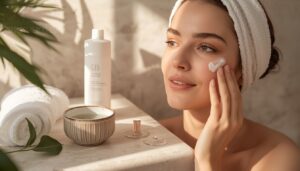
Knowing which exfoliant to use is only half the battle — how you use it matters just as much. A few consistent habits can mean the difference between a healthy glow and an irritated, compromised skin barrier. Here’s what to keep in mind every time you exfoliate.
Start Slowly and Patch Test
Before introducing any new exfoliant, patch test first. Apply a small amount to your inner forearm or behind your ear and leave it for 7 to 10 days, applying twice daily. This catches delayed reactions that appear after day 3 or 4.
If your skin stays calm, start once or twice weekly and increase gradually only when no irritation shows.
Moisturize After Every Session
Every exfoliation session leaves your barrier function briefly exposed. Apply a fragrance-free moisturizer on damp skin to protect skin hydration immediately.
Five reasons never to skip this step:
- Hydration Boost: replenishes water lost during exfoliation
- Barrier Repair: restores skin’s protective layer
- Moisture Lock: reduces transepidermal water loss
- Soothing Relief: calms tightness and dryness
- Product Absorption: primed skin absorbs actives better
Wear Daily Broad-Spectrum Sunscreen
Your skin barrier function is more exposed after exfoliation, raising skin sensitivity to UV damage. That’s why daily broad-spectrum sunscreen isn’t optional. It offers UVA UVB protection that shields freshly renewed skin from photoaging and burns. Apply SPF 30 or higher every morning, at least 20 minutes before going out. Reapply every two hours outdoors, and after swimming or sweating.
Exfoliated skin needs daily broad-spectrum SPF 30+ to prevent UV damage, burns, and premature aging
| SPF Level | UVB Filtered | Best For |
|---|---|---|
| SPF 15 | 93% | Minimal sun exposure |
| SPF 30 | 97% | Daily skin protection |
| SPF 50 | 98% | Extended outdoor time |
| SPF 70+ | 98%+ | Peak UV conditions |
Spot Over-Exfoliation Warning Signs
Sunscreen helps, but it can’t correct an overworked barrier. Pause exfoliation if you notice:
- Persistent redness or inflammation
- Burning, stinging, tightness, or dryness
- Flaky peeling, rough skin texture, or shiny, papery skin
- Breakouts, sudden congestion, or worsening hyperpigmentation
Stop physical exfoliation, use bland moisturizer, and avoid actives. Collagen production needs recovery, not friction. Seek dermatology care if symptoms persist promptly.
Frequently Asked Questions (FAQs)
Is it healthy to exfoliate your skin?
For example, dull, rough skin may improve with gentle exfoliation. It’s healthy when you remove dead skin cells slowly, match frequency to sensitivity, moisturize afterward, and use sunscreen. Overdoing it can inflame skin and weaken its barrier.
How do I exfoliate correctly?
After cleansing, remove dead skin cells: physical exfoliation uses circular motion technique on damp skin, gentle circular motions, or short light strokes, lukewarm water rinse. Chemical exfoliation goes on dry skin. Exfoliation frequency: weekly.
Is it good to use exfoliator every day?
Don’t scrub up daily: exfoliation can disrupt your barrier. Dry or sensitive skin needs once or twice weekly; oily skin may tolerate it. Stop for stinging, peeling, redness, or breakouts. Moisturize, patch test, and wear sunscreen.
When should you not exfoliate?
Don’t exfoliate sunburned skin, open wounds, active irritation, or sensitive areas. Pause for over-exfoliation signs or inflammatory response. Protect skin barrier function, patch test for allergy testing, and seek dermatologist consultation for skin sensitivity promptly.
What are the benefits of exfoliation?
Exfoliation helps skin renewal, pore cleansing, texture improvement, and radiance enhancement. It can aid hyperpigmentation treatment and antiaging skincare by encouraging collagen production, creating a collagen boost that helps skin appear clearer, smoother, firmer, and more even.
How does exfoliation work?
Physical exfoliation drives mechanical removal process for follicle debris clearance while lifting outer cells.
Chemical exfoliation triggers chemical dissolution action, supporting natural surface cell shedding, epidermal turnover, keratinocyte turnover, cell turnover acceleration, and skin renewal.
How does skincare affect exfoliation?
Skincare is a tuning fork: pH balance, cleanser residue impact, and toner interaction effects alter exfoliation. Use skin type assessment, ingredient compatibility, product layering order, moisturizer timing, and product layering to protect skin sensitivity.
Do you need exfoliation to keep your skin healthy?
You don’t need exfoliation; natural turnover removes dead skin cells. After a skin type assessment, use chemical exfoliation once weekly. Persistent redness signals over-exfoliation: prioritize barrier repair and dermatologist consultation for your skin type needs.
Why is gentle exfoliation important?
Don’t scrub the point: gentle exfoliation helps with irritation prevention and barrier protection. Match exfoliation frequency to your skin type assessment, use soothing techniques, and stop if skin sensitivity increases. This protects your moisture barrier.
What is skin exfoliation?
Skin exfoliation is the safe removal of dead skin cells that linger during epidermal renewal. Physical exfoliation uses gentle tools; chemical exfoliation uses acids. Both guide skin cell turnover when used carefully, limiting surface buildup.
Conclusion
Consider Maya, who treated rough patches with a daily scrub until her cheeks stung and makeup looked worse. After switching to a gentle acid once weekly, moisturizer, and sunscreen, her skin gradually became smoother without irritation.
that’s the practical lesson behind the benefits of exfoliating skin: choose the method your skin tolerates, use it sparingly, and protect the barrier. Healthy exfoliation should leave your skin comfortable, not tight, burning, or raw. That’s always the goal.
- https://www.skinmds.com/blog/know-the-facts-about-skin-exfoliation
- https://www.skinelite.com/blogs/expert-advice/blog-the-benefits-of-exfoliation-and-why-you-should-be-doing-it
- https://pmc.ncbi.nlm.nih.gov/articles/PMC4720453
- https://www.naturalfrenchsoap.com/blog/the-essential-benefits-of-exfoliating-for-healthy-glowing-skin
- https://shoparchipelago.com/blogs/blog/benefits-of-exfoliating