This site is supported by our readers. We may earn a commission, at no cost to you, if you purchase through links. This content is for general informational and educational purposes only and is not a substitute for professional medical, dermatological, or nutritional advice.

Your face touches your pillow, your phone, your hands, hundreds of times a day. By evening, your skin holds a mix of sweat, oil, sunscreen, and city grime, whether you notice it or not.
That’s the real question behind what does a facial cleanser do: it’s not just about feeling fresh. A good cleanser lifts away buildup that sits on the surface, clears the path for your other products to actually work, and keeps your pores from clogging in the first place.
Understanding how that process happens changes how you wash your face, and what you choose to wash it with.
Table Of Contents
- Key Takeaways
- Facial Cleanser Removes Oil, Dirt, and Makeup
- How Facial Cleansers Work
- Key Benefits of Facial Cleansing
- Main Types of Facial Cleansers
- Choose Cleanser by Skin Type
- Facial Cleanser Versus Face Wash
- How to Use Facial Cleanser Correctly
- How Often Should You Cleanse?
- Frequently Asked Questions (FAQs)
- Do you really need a facial cleanser?
- Why is it important to use a facial cleanser?
- What do dermatologists recommend for face cleanser?
- How often should you use a facial cleanser?
- Can you use facial cleanser without water?
- Is it safe to cleanse acne-prone skin daily?
- Can facial cleanser expire or lose effectiveness?
- Should men use different facial cleansers than women?
- Can facial cleansing help with anti-aging results?
- Conclusion
Key Takeaways
- A cleanser works through surfactants that grab oil with one end and bind to water with the other, letting you rinse away sweat, sebum, makeup, and pollution instead of just moving it around.
- Cleansing does more than clean, it clears the way for serums and moisturizers to actually absorb, keeps pores from clogging, and helps your skin hold onto moisture instead of losing it.
- Your skin type should drive your choice: gel and foaming formulas suit oily skin, cream and balm cleansers suit dry or mature skin, and fragrance-free options protect sensitive skin.
- Technique counts as much as product, so use lukewarm water, massage for about 30 to 60 seconds, and moisturize right after patting dry to keep your skin barrier strong.
Facial Cleanser Removes Oil, Dirt, and Makeup
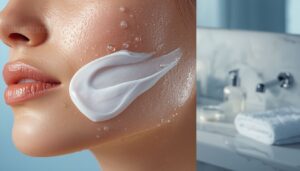
Your skin picks up more than you’d think in a single day. A good cleanser is formulated to clear away all of it, layer by layer. Here’s exactly what it’s working to remove.
Sweat, sunscreen, pollution particles, and dead skin cells all build up throughout the day, and if you shave regularly, pairing your cleanse with a proper face shaving routine for smooth skin helps prevent irritation from trapping in that debris.
Sweat and Excess Sebum
Sweat cools you down, but it leaves salts behind as it evaporates, mixing with sebum into a greasy film. This buildup clogs pores and strains sebaceous gland health.
Sebum itself plays a protective role in skin health, but excess amounts combined with sweat residue can disrupt this balance.
A daily deep cleansing facial lifts residue before it settles, giving you real sebum control and steady oil control for skin that stays balanced, not slick.
Makeup and Sunscreen Residue
Salt and oil aren’t the only things sitting on your skin by evening. Makeup and sunscreen build a stubborn layer too, and rinsing alone won’t cut it.
Oil-based cleansers break down waterproof formulas fast, while micellar water lifts lighter residue with barely any rubbing. That’s where double cleansing earns its reputation, protecting your skin barrier while leaving nothing behind.
Dead Skin and Pollutants
Beyond makeup, your skin collects invisible troublemakers all day. Dead skin buildup traps PM2.5 and heavy metals against your corneocyte protection layer for hours.
This creates real pollutant skin barrier damage over time. That’s why gentle cleansing matters for skin detoxification:
- Lifts trapped particles
- Removes dead skin cells
- Helps remove impurities
- Aids pollution defense
Clogged Pore Prevention
Once dead skin and pollutants are cleared, the real payoff shows up in your pores. Oil, dirt, and dead cells trap easily, so daily impurities removal matters.
Look for noncomedogenic product labels, and consider salicylic acid benefits to unclog pores.
| Habit | Pore Benefit |
|---|---|
| Double cleanse | Removes excess oil |
| Gentle exfoliation | Clears dead skin cells |
| Rinse fully | Prevents residue buildup |
How Facial Cleansers Work

Ever wonder how a splash of water and a bit of product can lift a full day’s grime off your skin? It comes down to some smart science happening right at the surface. Here’s a look at what’s actually going on when you cleanse.
Surfactants Bind Oil and Water
Oil and water don’t mix, so your cleanser needs a go-between. That’s the surfactant’s job, built with a hydrophilic head that loves water and a hydrophobic tail that grabs oil.
This structure reduces interfacial tension, letting the formula lift sebum and grime straight off your skin without stripping natural hydration.
Micelles Lift Trapped Impurities
Once enough surfactants gather in water, they cluster into tiny spheres called micelles, tails tucked inward toward trapped oil, heads facing outward toward water. This balance lets micellar water lift makeup, sebum, and grime without heavy scrubbing.
That’s why micellar water works so well as a gentle makeup remover, it captures impurities, helps unclog pores, and helps protect the skin barrier while wiping clean.
Oils Emulsify During Rinsing
Ever wonder why an oil cleanser rinses clean instead of leaving a greasy film? Water and surfactants break oil into tiny droplets, which emulsify and lift away.
- Mechanical rinsing action speeds droplet breakup
- Warmer water aids faster emulsification
- Emulsifiers keep droplets stable in rinse water
- Hard water can hinder full oil removal
- Thorough rinsing prevents residue buildup
Barrier-Friendly Cleansing Formulas
A good cleanser shouldn’t fight your skin, it should protect it. Look for gentle surfactant blends, pH balanced formulas (around 5.0-5.5), and lipid replenishment tech like ceramides.
For an evening routine that truly respects your skin barrier, try pairing this approach with a dermatologist-approved double cleansing method to fully dissolve makeup and SPF without stripping moisture.
Soothing botanical extracts and moisturizing agents add comfort. A truly nonirritating formula offers real skin barrier protection, especially when it’s dermatologically tested for sensitive, reactive skin types.
Key Benefits of Facial Cleansing

A good cleanse does more than clean your face, it changes how your skin looks and feels day to day. You’ll notice the difference in your pores, your glow, and even how well your other products work. Here’s what a proper cleansing routine actually does for you.
Clearer Pores and Fewer Breakouts
Clogged pores start small: dirt, oil, and dead skin cells building up until a breakout forms. A facial cleanser clears that buildup before it turns into trouble.
- Removes excess oil and grime
- Loosens dead skin cells
- Uses mild exfoliation (salicylic acid) for pore clarity
- Sticks to noncomedogenic formulas that won’t clog pores
Gentle, consistent cleansing keeps pores clear and breakouts in check.
Brighter, Smoother-Looking Skin
Think of dull skin as dust on a window: the view’s still there, just harder to see. Cleansing lifts dead skin cells and buildup, revealing a smoother, brighter surface underneath.
Dull skin is just dust on a window—cleansing clears it to reveal the brightness underneath
Gentle exfoliation helps skin renewal without irritation. Add proper hydration, and you get a more even tone, less redness, more glow. Consistency matters more than intensity here.
Improved Skincare Product Absorption
A clean face isn’t just about looking fresh, it’s the doorway for everything you apply next. Removing buildup lets active ingredient penetration happen properly:
- Serums absorb instead of sitting on residue
- Moisturizers lock in real hydration
- Vitamin C works its brightening magic
- Niacinamide strengthens your skin barrier
- Every product in your routine finally earns its keep
Balanced Skin Moisture
Here’s something people miss: cleansing isn’t just about removing oil, it’s about moisture retention too. The right formula clears grime without stripping your skin barrier bare.
That balance protects natural oil preservation, helps pH balance, and prevents water loss. Your skin hydration stays steady, so the barrier can keep doing its job, holding moisture instead of losing it.
Main Types of Facial Cleansers

Not every cleanser works the same way, and that’s by design. Your skin type, your routine, even the season can point you toward a better fit. Here’s a rundown of the main types you’ll come across.
Gel and Foaming Cleansers
Bubbles and water team up in these two workhorses. A gel cleanser feels light and rinses clean, while a foaming cleanser lathers to lift oil away. Both use anionic surfactants, often balanced near pH 5.5, so your skin barrier stays respected.
- Best for combination to oily skin
- Fragrance-free versions suit sensitive skin
- Glycerin keeps hydration balanced
Cream and Lotion Cleansers
Not every cleanser needs suds to work well. A cream cleanser or lotion cleanser leans on glycerin and shea butter for a genuine Hydration Boost, with Emollient Ingredients softening skin as you wash.
This Gentle Cleansing style suits dry skin beautifully, replenishing what water can strip away and offering real Skin Barrier Support before your moisturizer even goes on.
Oil and Balm Cleansers
Melting on contact, a balm cleanser turns solid to oil the second it hits warm skin. That’s real oil cleansing power, dissolving makeup and sunscreen without scrubbing.
Massage it in, add water for emulsification, and watch it turn milky before rinsing clean. Dry and sensitive skin types benefit most, though light formulas suit combination skin too.
Micellar Water Cleansers
When water access is limited, this facial cleanser saves the day. Micellar water uses tiny surfactant clusters to lift oil, dirt, and makeup, no rinsing needed.
Perfect for sensitive skin, travel bags, and quick cleanses. Its hydrating cleanser properties come from glycerin.
- Removes light to moderate makeup
- Gentle on skin barrier
- Fragrance-free options available
- No water required
Exfoliating Facial Cleansers
Think of this cleanser as your skin’s reset button. Exfoliating acids like salicylic (2-2.5%) or glycolic (4-10%) dissolve dead cells, while fine particles under 1mm buff gently. Enzyme cleansers brighten without scrubbing.
Oily skin thrives on BHAs, dry skin prefers AHAs. Start slow, just 1-2 weekly uses, massaged in circular motions for real skin renewal.
Choose Cleanser by Skin Type

Not every cleanser suits every face, and that’s the whole point. Your skin has its own needs, whether it runs dry, oily, sensitive, or somewhere in between. Here’s how to match the right formula to what your skin is actually asking for.
Hydrating Cleansers for Dry Skin
Dry to very dry skin craves moisture, not stripping. Look for hydrating cleansers with humectant ingredients like hyaluronic acid and glycerin, plus ceramides for barrier repair support.
A gentle cleansing formula with a non-foaming texture won’t leave skin tight. That tight, squeaky feeling? It means your moisture barrier just took a hit.
Gel Cleansers for Oily Skin
Shine and clogged pores? A gel cleanser with salicylic acid unclogs while controlling oil.
- Zinc PCA absorbs shine
- Niacinamide regulates sebum
- Gentle surfactant systems avoid stripping
- Light foaming action lifts oil, not moisture
- pH near 5.5 protects your barrier
This pore refining gel rinses clean, no residue, supporting acne prevention with twice-daily use.
Gentle Options for Sensitive Skin
Redness and stinging shouldn’t be part of your routine. Sensitive skin needs a gentle cleanser with fragrance-free, hypoallergenic ingredients and pH balanced formulas near 5.5.
| Ingredient | Benefit | Example |
|---|---|---|
| Colloidal oatmeal | Soothes, repairs barrier | 1% concentration |
| Ceramides | Locks in moisture | Barrier support |
| Aloe vera | Calms instantly | Hydrates skin |
| Chamomile | Reduces redness | Anti-inflammatory |
Balanced Combination Skin Formulas
Combination skin plays favorites, oily through the T-zone, drier along the cheeks.
A dual-action cleansing formula controls both without overcorrecting. Look for a foaming gel with a pH-balanced formula that controls shine on your forehead and nose while preserving cheek hydration balance. Non-comedogenic textures keep pores clear during daily cleansing, so your skin feels calm, not stripped or greasy.
Nourishing Cleansers for Mature Skin
Combination skin balances two needs. Mature skin asks for something different: comfort and support.
Look for a facial cleanser with ceramide barrier support, peptide firming action, and an antioxidant protection mix like green tea. Fragrance-free formulas suit reactive, aging skin best. This nourishing, hydrating approach respects your skin’s changing needs without ever leaving that tight, stripped feeling behind.
Facial Cleanser Versus Face Wash
You’ve probably used "facial cleanser" and "face wash" like they mean the same thing. They’re close cousins, but not quite twins. Here’s where they actually part ways.
Formula and Texture Differences
Peeling back the labels, "cleanser" and "face wash" often describe the same texture spectrum. You’ll find Gel vs Cream formulas, Oil Balm blends, Micellar Water, and Foaming Gel options under both names.
Rinseable facial cleansers like shower gel lather away oil, while waterless facial cleansers, think micellar water or shower oil, skip rinsing.
Texture Finish varies more by formula than by the word on the bottle.
Cleansing Strength Compared
Names aside, strength comes down to surfactants. Anionic surfactants clean deepest, great for a true deep cleansing facial, but they can strip skin pH balance.
Non-ionic types work gently, cutting irritation by around 40%. Oil-based formulas dissolve stubborn residue through "like dissolves like" chemistry. Water-based versions handle sweat and grime fine, just with less muscle behind the scrub.
Skin Type Suitability
Your skin type is really the deciding factor here. Oily skin cleansers and gel formulas suit combination to oily skin prone to pimples and blackheads.
Dry skin hydration calls for cream cleansers, while sensitive skin formulas skip fragrance entirely.
Combination skin balance means treating zones differently.
Mature skin nourishment favors gentle, noncomedogenic options that won’t clog pores.
When Product Labels Overlap
Read a bottle label and it’s a maze: claims, icons, and certifications crammed together. This creates real label clarity issues and consumer misinterpretation.
- Certification logos crowding ingredient claims
- Tiny font size readability problems
- Warnings blending into promotional text
- Regulatory conflicts confusing origin claims
Trust cleansers with clean, prioritized layouts. Your skin (and morning and night routine) deserves labels you can actually read.
How to Use Facial Cleanser Correctly
Even the best cleanser won’t do its job if you rush through it. Technique matters just as much as the product itself. Here’s how to get it right, step by step.
Wash Hands Before Cleansing

Before your facial cleanser even touches your face, your hands need attention first. Hands pick up germs from everything you touch, and skin-to-skin contact transfers them straight to your face.
Wash hands before cleansing with soap and water for 20 seconds, scrubbing between fingers and under nails. This simple step protects your skin hygiene routine, morning and night, before the real cleansing begins.
Apply With Lukewarm Water

Temperature matters more than most people think. Splash your cleanser on with lukewarm water, close to your body’s own warmth, so skin stays comfortable and relaxed instead of shocked.
Lukewarm water helps:
- Reduce skin sensitivity and redness
- Activate cleanser ingredients fully
- Support gentle pore opening
- Rinse residue away completely
No thermometer? Test it on your wrist first.
Massage for 30–60 Seconds

Rushing this step wastes the whole routine. Surfactants need about 30 seconds of massage just to bind fully to oil and grime, and cleansers with zinc want a full 60.
Use gentle pressure, small circles, working forehead to jawline. This also stimulates lymphatic flow, easing puffiness while you cleanse.
You’ll feel it working, grime gathering between fingertips right around that 30-second mark.
Rinse Away All Residue

Here’s the part people rush: rinsing. Lukewarm water dissolves oil-based residue without stripping your barrier. Use a gentle stream, not a blast, working toward the jawline, hairline, and ears where cleanser pools.
- Rinse at least 30 seconds
- Extend to 2 minutes after cream or oil formulas
- Double cleanse? Rinse fully between steps
- Skip rubbing, let water do the work
- Finish with a gentle sweep at high-risk zones
Pat Dry and Moisturize

Once you’ve rinsed clean, grab a soft towel and pat, don’t rub. Rubbing tugs at your skin barrier and stirs up irritation.
Skin should stay slightly damp. Apply moisturizer within a few minutes to lock in hydration before it evaporates. Massage gently in circular motions, this simple habit keeps your barrier strong and your complexion glowing.
How Often Should You Cleanse?

Cleansing twice a day works for most people, but life doesn’t always follow a routine. Workouts, weather, and busy schedules can all change what your skin actually needs. Here’s how to figure out the right rhythm for you.
If your skin feels irritated after a sweaty workout or harsh weather, try this oatmeal-based DIY scalp soothing mask to calm redness before it turns into a bigger flare-up.
Once you’ve nailed down your cleansing rhythm, timing your actives matters just as much—here’s a simple guide on when to apply vitamin C serum for the best results.
Morning Versus Night Cleansing
While you sleep, your skin keeps working, producing oil and sweat that settles by morning. That’s why morning cleansing focuses on gentle oil removal, not scrubbing away makeup.
Night cleansing carries more weight. It clears sunscreen and daily grime, prepping skin for repair. This twice-daily rhythm keeps your skincare routine balanced, supporting real skin health without overdoing it.
Cleansing After Heavy Sweating
That gym rhythm calls for a different approach. Heavy sweating mixes with sebum fast, so postworkout cleansing matters:
- Rinse with lukewarm water
- Massage a pH-balanced formula
- Pat dry, don’t rub
Sweat residue removal works best soon after exercise, before it dries and clings to skin. Gentle cleansing beats scrubbing here.
When Double Cleansing Helps
Postworkout washing controls sweat, but heavier days call for more. Wearing waterproof makeup or thick sunscreen? One cleanse won’t cut it.
Double cleansing starts with an oil-based first cleanse to dissolve makeup residue and break down sunscreen film. Follow with a water-based second cleanse to lift what’s left. This combo prevents overnight product buildup and gives pores a genuinely thorough clean.
Signs of Over-Cleansing
Too much cleansing can backfire fast. Watch for that tight, pulled feeling right after washing, redness, itching, or flaking, all signs of barrier damage.
Your moisturizer may stop working, too, since a stripped barrier can’t hold moisture in. Some skin even breaks out more.
If this sounds familiar, ease up.
Adjusting for Climate and Lifestyle
No two seasons treat your skin the same way. Humidity and cleansing go hand in hand, while wind and barrier stress call for gentler formulas. Hard water residue and heavy sunscreen add product load worth washing off properly.
Twice-daily cleansing stays the baseline, but let sweat and rinsing needs, climate, and daily habits fine-tune your skincare routine.
Frequently Asked Questions (FAQs)
Do you really need a facial cleanser?
Yes. Water alone can’t lift sebum, sunscreen, or pollutants stuck to skin. A facial cleanser does that job properly, supporting twice-daily cleansing and a genuine skin barrier reset that minimalist, water-only routines simply can’t match.
Why is it important to use a facial cleanser?
Skipping it lets oil, makeup, and pollutants sit on your skin. A facial cleanser prevents breakouts, maintains hydration, and helps renewal, clearing pores while enhancing absorption of your other products and reducing dullness over time.
What do dermatologists recommend for face cleanser?
Ask any derm and you’ll hear the same short list. They want a pH-balanced formula, fragrance-free, non-comedogenic, and gentle enough to protect your barrier function while cleansing twice daily without disrupting your skin’s microbiome.
How often should you use a facial cleanser?
Twice-daily cleansing works for most skin types, morning and night. Wash sooner after heavy sweating. Dry or sensitive skin often needs just one nightly cleanse, adjusting whenever tightness, dryness, or irritation signals over-cleansing.
Can you use facial cleanser without water?
Waterless facial cleansers, like micellar water or cleansing wipes, work well for makeup removal on the go. But rinseable formulas need water to fully clear residue, so your skincare routine stays balanced and complete.
Is it safe to cleanse acne-prone skin daily?
Yes, cleansing morning and night is safe and smart for acne-prone, oily skin. Choose a soapfree, non-comedogenic formula to protect your skin barrier. Overwashing invites irritation, so stick to twice daily for real acne treatment teamwork.
Can facial cleanser expire or lose effectiveness?
Funny thing about that "gentle daily cleanser" sitting untouched since spring: it’s quietly changing. Yes, product expiration is real. Surfactants weaken, preservatives fade, and your pH‑balanced formula can shift, disrupting your skin’s natural protective barrier and texture.
Should men use different facial cleansers than women?
Not strictly. Skin needs, not gender, decide the formula.
Men often face shaving irritation and higher oil production, so a pH-balanced formula with twice-daily cleansing works best, though a dermatologist-recommended, fragrance-free option suits sensitive skin regardless of gender.
Can facial cleansing help with anti-aging results?
A gentle cleansing routine builds real anti-aging prep: it protects your barrier, keeps moisture retention steady, and improves texture.
Cleveland Clinic backs mild formulas for wrinkle prevention, since less irritation helps elasticity and gives collagen-supporting products room to actually work.
Conclusion
Think of your face as a doorway. Every night, that doorway collects the day’s traffic, sweat, oil, grime, all of it pressed into your pores.
What does a facial cleanser do? It opens that doorway back up. It clears the path so your skin can breathe, absorb, and repair itself.
Choose the right formula for your skin type, use it consistently, and you’ll build a healthy, glowing complexion that reflects real care, not luck.