This site is supported by our readers. We may earn a commission, at no cost to you, if you purchase through links. This content is for general informational and educational purposes only and is not a substitute for professional medical, dermatological, or nutritional advice.

Your skin can drink two full glasses of water and still look parched by noon. That’s the trick with dehydration: it’s not about how much you drink, it’s about whether your skin barrier can hold onto what you give it. Most people reach for a thicker cream when their face feels tight, but that often treats the wrong problem entirely.
Dry skin and dehydrated skin aren’t the same thing, and mixing them up wastes money on products that never fix the real issue. Deep skin hydration at home starts with figuring out which one you’re actually dealing with, then building a routine around ceramides, humectants, and a few smart habits your barrier will thank you for. Get this part right, and everything else falls into place.
Though it seems logical, drinking more water doesn’t directly hydrate your skin the way topical ingredients do—so internal and external approaches each play a distinct role.
Table Of Contents
- Key Takeaways
- Identify Dry and Dehydrated Skin
- Follow This Deep Hydration Routine
- Add Weekly Hydration Treatments
- Top 4 Deep Hydration Products
- Maintain Deep Hydration Long Term
- Frequently Asked Questions (FAQs)
- How to deeply hydrate skin at home?
- What hydrates skin deeply?
- What is a home remedy for deep hydration?
- What is a home remedy for extremely dry skin?
- How do I deeply hydrate my skin?
- How to hydrate extremely dry skin overnight?
- How to do a deep skin cleanse at home?
- What hydrates the skin the fastest?
- How often should I change my pillowcase?
- Can dehydrated skin cause acne breakouts?
- Conclusion
Key Takeaways
- Dry skin lacks oil while dehydrated skin lacks water, so you need to identify which one you’re dealing with before choosing products, since even oily skin can be dehydrated.
- Your daily routine matters most: take lukewarm showers, cleanse gently, apply hyaluronic acid serum to damp skin within 30 seconds, then seal with a ceramide moisturizer within three minutes to lock in roughly 30% more water.
- Weekly extras like gentle lactic acid exfoliation, overnight hydrating masks, and slugging dry patches with an occlusive layer give your barrier the deeper repair daily products can’t provide.
- Long-term hydration depends on your environment and habits too, so running a humidifier to keep indoor humidity between 40-60%, eating omega-3-rich foods, and limiting alcohol and caffeine all help your skin hold onto moisture.
Identify Dry and Dehydrated Skin

Before you fix dry skin, you need to know what you’re actually dealing with. Dryness and dehydration feel similar, but they come from different causes and call for different fixes. Here’s how to spot the difference and know when your skin is asking for extra attention.
Once you know which one you’re battling, these practical skin hydration tips for lasting glow can help you build a routine that actually targets the real issue.
Dry Versus Dehydrated Skin
Before you can chase deep skin hydration, you need to know what you’re treating. Dry skin lacks oil, while dehydrated skin lacks water, and yes, oily skin can still be dehydrated.
Dry skin lacks oil, dehydrated skin lacks water, and even oily skin can be dehydrated
- Dry: tight, flaky, lipid-poor
- Dehydrated: uncomfortable, water-starved, any skin type
- Both: benefit from ceramides supporting your moisture barrier
Hyaluronic acid targets water loss specifically. Know your category first. You can confirm which one you’re dealing with by trying the pinch test for dehydration, which checks skin elasticity to reveal whether water or oil is what’s missing.
Signs of Moisture Loss
Your skin sends warning signals long before flaking starts. Dull complexion and slow-bouncing pinch test results point straight to dehydration.
| Sign | What You’ll Notice | Why It Happens |
|---|---|---|
| Tightness | Skin feels stiff after cleansing | Barrier function drops |
| Dullness | Skin looks flat, not radiant | Poor light reflection |
| Fine lines | Lines near eyes, lips | Reduced plumpness |
| Skin turgor delay | Slow pinch recoil | Water loss |
| Product pilling | Serum won’t absorb | Barrier disruption |
Common Hydration Barriers
Those signs don’t appear randomly. Five habits quietly wreck your moisture barrier: hot showers, harsh cleansers, skipped moisturizer, dry climates, and rough scrubbing.
Overcleansing strips lipids, causing barrier lipid depletion. Dry humectants can’t pull water in. Wind, heat, and chlorine cause environmental moisture loss. Washcloths create friction barrier wear, raising transepidermal water loss and leaving dehydrated skin exposed to environmental damage.
When Skin Needs Extra Care
Certain triggers call for immediate action. A wind chill below -15°F, a sudden 20-degree temperature drop, or indoor humidity under 30% all demand deep skin hydration support right away.
Switch to ceramide-rich, oil-based moisturizers, run a humidifier, and add hyaluronic acid serum. Left unaddressed, dehydrated skin loses moisture two to three times faster in harsh conditions.
Follow This Deep Hydration Routine
Once you’ve spotted the signs of dehydration, it’s time to fix them. Deep hydration isn’t about buying more products, it’s about layering the right steps in the right order. Here’s the five-step routine that’ll get your skin back to plump and happy.
Take Short Lukewarm Showers

That fogged-up mirror is actually a warning sign. Steam means your water’s too hot, and it’s quietly wrecking your moisture barrier.
Keep showers to 98°F–100°F, capped at 10 minutes. Lukewarm water preserves ceramides and prevents the transepidermal water loss that hot showers cause, setting up better hyaluronic acid absorption once you’re out.
For an easy after-shower routine that locks in that barrier-friendly moisture, try these simple tips for smoother, softer legs.
Cleanse Without Stripping Oils

Once you’re out of the shower, grab a cleanser that works with your skin, not against it. Skip harsh sulfates and look for gentle cleansing formulas: micellar water for antioxidant protection, enzyme-based options for balanced exfoliation, or ceramide-rich gels that strengthen your moisture barrier while lifting away dirt.
Prebiotic thermal water cleansers and oil-free bars work beautifully too, supporting skin barrier function without that tight, squeaky-clean feeling.
Apply Serum to Damp Skin

Timing matters here: pat skin damp, not dripping, then apply your hydration serum within 30 seconds. This serum timing window lets humectant ingredients like hyaluronic acid ride the water layer instead of sitting on tacky, dry skin.
Press two to three drops in gently, don’t rub. That light pressure protects your barrier while helping the formula spread evenly.
Seal With Ceramide Moisturizer
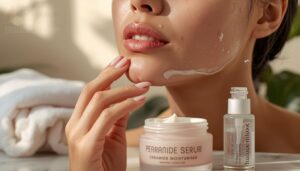
Now lock that serum in. Massage a nickel-size amount of ceramide moisturizer over damp skin within three minutes of cleansing, this Ceramide Application Timing traps roughly 30% more water in your stratum corneum.
Check ingredient labels for ceramide NP, AP, or EOP.
- Restores barrier lipids
- Extends moisture lock duration
- Softens rough patches
- Calms tightness
- Preps skin for sunscreen
Protect Skin With Sunscreen

All that hydration work goes to waste if UV rays break down your skin barrier. Finish your routine with a broad spectrum SPF 30 mineral sunscreen, applied 15 minutes before sun exposure.
Choose water resistant formulas if you’ll sweat or swim. Reapply every two hours, this Sunscreen Layering Technique keeps your morning hydration locked in and protected all day.
Add Weekly Hydration Treatments
Your daily routine covers the basics, but some skin concerns need a little extra muscle. That’s where weekly treatments come in, targeting texture, dryness, and irritation your regular products can’t fully fix. Here are five simple additions worth making room for in your week.
Exfoliate Gently With Lactic Acid
Sensitive skin and acids can be friends. Lactic acid is a gentle chemical exfoliation option that doubles as a humectant, drawing moisture in as it sloughs off dead cells.
Start 2-3 times weekly, pH below 4.0, always followed by hyaluronic acid and ceramides to lock in that deep skin hydration without stripping your barrier.
Apply an Overnight Hydrating Mask
Once you’ve exfoliated, give your skin a full night to soak up moisture with a hydrogel mask.
Cleanse first, apply a thin layer, avoiding your eyes and lips.
Layer serum first, then seal with the mask.
Patch test new formulas behind your ear.
This step helps deep skin hydration and skin barrier function while you sleep.
Soothe Skin With Aloe Vera
Some nights your skin just wants something simple. That’s where aloe vera gel earns its keep, calming redness while adding lightweight moisture.
- Cut a fresh leaf, rinse it
- Drain the yellow latex 15 minutes
- Scoop the clear inner gel
- Pat onto clean skin
- Layer thin moisturizer overnight
Aloe’s anti-inflammatory nature soothes stressed skin, supporting your moisture barrier without heaviness.
Try Oatmeal or Honey
Kitchen staples work wonders too. Finely ground oats mixed with water make a soothing paste, an oatmeal bath calms irritation fast.
Stir in honey for extra tack and moisture. Try honey and avocado for richness.
Always patch test first, rinse with lukewarm water, and skip broken skin.
Slug Extremely Dry Areas
For those stubborn dry patches, slugging is your last step, sealing everything in.
Apply your hyaluronic acid serum and ceramide moisturizer first, then pat a thin layer of Vaseline over damp, targeted spots. This occlusive layer locks in moisture overnight, preventing water loss while you sleep. Do this 2-3 times weekly for a real moisture barrier boost.
Top 4 Deep Hydration Products
The right products make every step in your routine work harder, not just longer. You don’t need a ten-step shelf to see results, you need a few reliable picks that actually deliver. Here are four staples worth adding to your hydration lineup.
1. La Roche Posay Gentle Cleanser
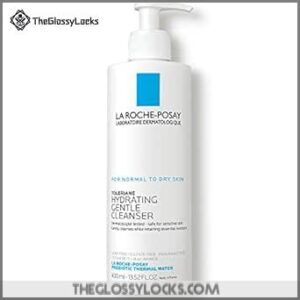
Cleansing shouldn’t feel like punishment for your skin, and that’s the whole idea behind this pick.
La Roche Posay’s Gentle Cleanser blends prebiotic thermal water, niacinamide, and ceramide NP into a soap free, fragrance free formula that won’t disrupt your barrier. It’s dermatologist tested and non comedogenic, so daily use stays safe for normal to dry, sensitive, or eczema prone skin (just skip it during active flares). At $19.99, massage a small amount in for 15 to 20 seconds, then rinse with lukewarm water.
| Best For | Anyone with normal to dry or sensitive skin who wants a gentle daily cleanser that protects rather than strips their moisture barrier. |
|---|---|
| Price | $19.99 |
| Sensitive Skin | Suitable |
| Hydration Benefit | Restores moisture barrier |
| Fragrance Status | Fragrance free |
| Model Number | 3337875545778 |
| Dermatologist Tested | Yes |
| Additional Features |
|
- Clinically proven to hydrate while reinforcing the skin’s natural barrier
- Gentle enough for daily morning and evening use, even on eczema prone skin
- Free of soap, oil, fragrance, and parabens, with dermatologist and allergy testing
- Non foaming texture may feel too mild for oily or very oily skin types
- Not strong enough to fully remove heavy makeup without a pre cleansing step
- Can cause burning if used during severe eczema flare ups
2. CeraVe Moisturizing Cream Dry Skin
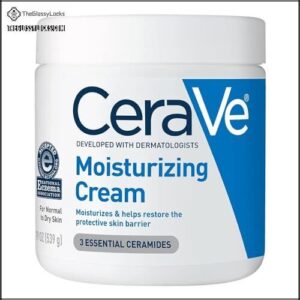
Once you’ve cleansed, your skin needs something rich enough to lock that moisture in. CeraVe’s Moisturizing Cream does exactly that with three essential ceramides plus hyaluronic acid, working through MVE technology to release hydration steadily for 24 hours.
It’s fragrance free, non-comedogenic, and earns the NEA Seal of Acceptance, so eczema-prone or sensitive skin tolerates it well. At $18.96 for 19 oz, it’s a genuine bargain for daily face and body use.
| Best For | People with dry, sensitive, eczema-prone, or psoriasis-prone skin who want a rich, long-lasting moisturizer for daily face and body use. |
|---|---|
| Price | $18.96 |
| Sensitive Skin | Suitable |
| Hydration Benefit | 24-hour hydration |
| Fragrance Status | Fragrance free |
| Model Number | Not listed |
| Dermatologist Tested | NEA Seal |
| Additional Features |
|
- Contains three essential ceramides plus hyaluronic acid to restore and hydrate the skin barrier
- MVE technology delivers steady, 24-hour hydration and helps reduce itching and flakiness
- Fragrance-free, non-comedogenic formula with the NEA Seal of Acceptance, great value at $18.96 for 19 oz
- Rich texture may feel too heavy for oily or acne-prone skin
- Large 19 oz container may be more than occasional users need
- Not intended as a medical treatment, so severe skin conditions still require professional guidance
3. Lactic Acid Exfoliation Serum
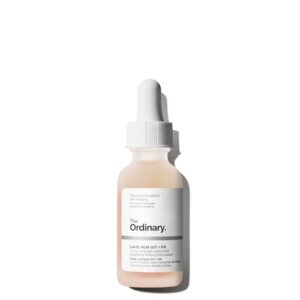
Once your skin can handle a little more, work in 10% lactic acid for smoother, brighter texture. This serum pairs the acid with hyaluronic acid, so you’re exfoliating and hydrating at once, at a formulation pH near 3.8.
Apply two drops to dry skin at night, then follow with sunscreen every morning since fresh skin sun-sensitizes easily. Start every other night. Your face will thank you with fewer bumps and a more even tone within weeks.
| Best For | People with normal to sensitive skin looking to smooth texture, brighten tone, and fade discoloration without giving up hydration. |
|---|---|
| Price | $7.36 |
| Sensitive Skin | Suitable with caution |
| Hydration Benefit | Adds hydration boost |
| Fragrance Status | Not specified |
| Model Number | 769915195835 |
| Dermatologist Tested | Not specified |
| Additional Features |
|
- Combines 10% lactic acid with hyaluronic acid, so it exfoliates while still hydrating
- Tasmanian pepperberry extract helps calm irritation, making it gentler for sensitive skin
- Noticeably improves texture, tone, and small bumps on the face and arms within weeks
- Can cause irritation or burning if skin isn’t used to it, so easing in every other night is a must
- Requires daily sunscreen, since exfoliated skin is more vulnerable to UV damage
- Not made for treating active acne or deep wrinkles, so those concerns need a dermatologist’s input
4. Sungboon Editor Deep Collagen Mask Set
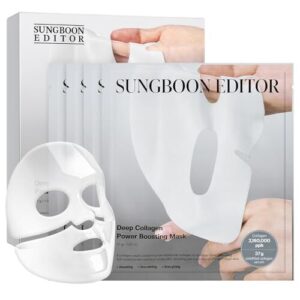
Reaching for serious moisture overnight? This four-pack delivers 2,160,000ppb low molecular collagen plus nine peptides, absorbing fully within three hours.
It scored a 0.00 irritation index, so sensitive skin tolerates it well. The snug hydrogel fit hugs your face for secure, all-night adhesion.
One catch: fit gets tricky around your eyes, nose, and mouth, and the material tears if you fuss with it too much. Save it for pre-event pampering rather than nightly use, both for your skin and your wallet.
| Best For | People with sensitive skin who want an intensive, spa-like hydration boost before a big event rather than a daily skincare step. |
|---|---|
| Price | Not listed |
| Sensitive Skin | Suitable |
| Hydration Benefit | Deep hydration overnight |
| Fragrance Status | Not specified |
| Model Number | SBE001K |
| Dermatologist Tested | Passed irritation test |
| Additional Features |
|
- Delivers a high concentration of low molecular collagen and nine peptides for deep absorption
- Passed skin irritation testing with a 0.00 score, making it gentle for sensitive skin
- Designed for secure overnight wear with a fully absorbing, transparent finish
- Can slide or shift during movement, with fit issues around the eyes, nose, and mouth
- Material tears easily if repositioned, so it needs careful handling
- Not ideal for daily use due to cost and the 2-4 hours of stillness required for best results
Maintain Deep Hydration Long Term

Great skin doesn’t stop at your last serum application, it depends on the habits you keep every day.
Your environment, your diet, and even your daily choices all play a role in how well your skin holds onto moisture.
Here are five simple habits that’ll keep your hydration results going strong.
Run a Bedroom Humidifier
Air conditioning can drop bedroom humidity to 30% within two hours, undoing all your hard work. A bedroom humidifier fights back.
Place it 5 feet from your bed, 2-4 feet off the floor, away from walls. Use distilled water and clean the tank every 1-2 weeks with vinegar. Choose a quiet, appropriately sized unit for real hydration retention.
Monitor Indoor Humidity Levels
A hygrometer takes the guesswork out of your bedroom’s air. Place it away from windows and vents, then wait 30 minutes before trusting the reading.
Check that it holds 40-60% humidity, adjusting your humidifier or AC as seasons shift.
- Avoid drafty spots
- Verify with a salt test
- Recheck seasonally
Eat Omega-3-Rich Foods
Once your bedroom air is dialed in, look inward. Fatty fish intake two to three times weekly delivers EPA and DHA that strengthen your lipid barrier. Vegetarian? Plant-based omega-3 from flaxseed or walnuts works too, though conversion’s slower.
Stick with it for 8-12 weeks and you’ll notice real hydration boost and better skin elasticity.
Limit Dehydrating Lifestyle Factors
Salmon helps, but daily habits can undo it fast. Alcohol and caffeine both dehydrate, so alternate drinks with water and cap coffee before noon. Cut sodium, quit smoking, and practice stress management since cortisol disrupts your sleep repair cycle.
- Alternate alcohol with water
- Limit caffeine after lunch
- Choose low-sodium foods
- Quit smoking for barrier repair
Adjust Your Routine Seasonally
Your skin’s needs shift with the thermostat, so your routine should too. Winter calls for a thick moisturizer and cream cleanser; summer wants gel textures and lighter SPF.
| Season | Key Adjustment |
|---|---|
| Winter | Cream cleanser, thick moisturizer |
| Spring | Gentle exfoliation increase |
| Summer | Gel SPF, humidifier off |
| Fall | Reintroduce humidifier |
Frequently Asked Questions (FAQs)
How to deeply hydrate skin at home?
Think of your face as a sponge left out too long: it needs layers, not a splash. Follow the hydration layering technique, hyaluronic acid on damp skin, ceramides sealed on top, plus a humidifier for nighttime moisture and lasting barrier repair.
What hydrates skin deeply?
Humectant ingredients like hyaluronic acid and glycerin draw water into skin, while ceramide benefits rebuild your moisture barrier. Add occlusive layering, weekly hydrating masks, and steady humidity control for real, lasting hydration.
What is a home remedy for deep hydration?
Picture Friday night, oatmeal simmering into a soak while yogurt and honey wait on the counter. That’s your remedy: a honey yogurt mask, a warm oatmeal soak, or chilled cucumber slices, each one pulling water into skin using natural humectants.
What is a home remedy for extremely dry skin?
Coconut oil and shea butter work wonders as overnight barrier sealants. Try an oatmeal bath to calm irritation, or a honey mask for its natural humectant pull, drawing moisture in while soothing cracked, flaky patches.
How do I deeply hydrate my skin?
Like Rapunzel’s skin, yours needs layers, not luck. Apply hyaluronic acid to damp skin, seal with ceramides for barrier repair, run a humidifier overnight, and drink water daily. Add weekly hydrating masks for lasting moisture barrier support.
How to hydrate extremely dry skin overnight?
While skin is still damp, layer hyaluronic acid, then seal with ceramide night cream. Try slugging on dry patches, run a bedroom humidifier, and use weekly hydrating masks to rebuild your moisture barrier by morning.
How to do a deep skin cleanse at home?
Funny enough, most breakouts start the same way yours might: melted sunscreen mixed with grime. Try oil cleansing first, then a gentle water-based wash, steam for three minutes, exfoliate weekly, and seal with hydrating serum.
What hydrates the skin the fastest?
Your fastest fix: apply a hyaluronic acid serum to damp skin right after a lukewarm shower, then seal with a ceramide moisturizer. This humectant grabs water instantly, while the ceramide barrier locks it in, so hydration shows almost immediately.
How often should I change my pillowcase?
Once a week works for most, but if you have acne-prone or sensitive skin, switch to twice weekly to limit oil buildup, protect your moisture barrier, and support overnight skin hydration and allergy prevention.
Can dehydrated skin cause acne breakouts?
Yes, oddly enough, your oiliest breakouts might start with a water shortage. Dehydration triggers oil overproduction, causing pore collapse acne, while a weak moisture barrier invites bacteria in, worsening blemishes fast.
Conclusion
Slow and steady wins the race, and your skin proves it daily. Real results come from consistency, not miracle products.
Cleanse gently, layer humectants on damp skin, seal with ceramides, and protect with sunscreen, and you’ll build a barrier that holds moisture instead of losing it. That’s the heart of deep skin hydration at home: small habits, repeated well.
Stick with this routine, and your skin will start telling a different story, one glow at a time.