This site is supported by our readers. We may earn a commission, at no cost to you, if you purchase through links. This content is for general informational and educational purposes only and is not a substitute for professional medical, dermatological, or nutritional advice.

Your face feels like it’s on fire, and you just swapped in a new face wash three days ago. That’s not a coincidence. Skin irritation shows up fast, and most people reach for the wrong fix first, scrubbing harder or slathering on something scented to "soothe" it.
Your skin barrier is a wall, not a punching bag. Once it breaks down, redness, itching, and stinging move in fast, and every product you add can make things worse before they get better.
Knowing how to calm irritated skin starts with knowing what to stop, not just what to apply. Here’s where to begin.
Table Of Contents
- Key Takeaways
- How to Calm Irritated Skin Quickly
- What Causes Red, Itchy Skin?
- Build a Skin Barrier Repair Routine
- Choose Safe Itch-Relief Treatments
- When Irritated Skin Needs Medical Care
- Frequently Asked Questions (FAQs)
- What is the best remedy for irritated skin?
- What causes skin irritability?
- What not to put on irritated skin?
- How long does it take for inflamed skin to calm down?
- Can natural skin care help irritated skin?
- What should I do if my skin is irritated?
- How to prevent skin irritation?
- How can I get rid of irritated skin faster?
- Why is my skin irritated?
- Are these 6 skincare tips good for calming flare-ups?
- Conclusion
Key Takeaways
- Stop using any new product from the last 48 hours first, since your skin barrier needs you to remove the trigger before anything else will actually help.
- Cool the area with a wrapped compress for 10-15 minutes, then lock in moisture with a fragrance-free, ceramide-rich cream within three minutes of drying off.
- Pause retinoids and exfoliating acids for a few days after irritation starts, since your skin can’t rebuild collagen while it’s still raw.
- See a doctor right away for swelling in your lips or throat, fever above 100.4°F, or redness that lingers past a week, since these signal something home care can’t fix alone.
How to Calm Irritated Skin Quickly
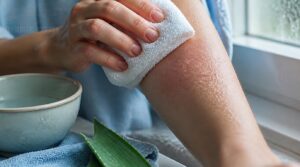
Your skin doesn’t wait for a diagnosis before it starts burning or itching, so you shouldn’t wait to act either. The good news is you don’t need a medicine cabinet full of products to get relief. Here are five steps that calm irritation fast, in an order that actually makes sense.
If razor burn is part of the problem, gentle exfoliation before shaving can stop irritation before it even starts.
Stop Suspected Irritants
Before anything else, hit pause on every new product. Think back 48 hours: new soap, lotion, detergent? Stop it now.
Identify the trigger by checking labels for sodium lauryl sulfate or fragrance oils. Jot down what touched your skin and when. Switching to a gentle, hypoallergenic cleanser afterward keeps irritation from restarting.
Cool Compress The Area
Once you’ve removed the trigger, grab a cool compress to calm the heat and swelling fast.
Soak a clean washcloth in cold water, wring it out, apply for 10-15 minutes.
If redness lingers or keeps flaring up after shaving, this guide to soothing razor burn fast breaks down the causes and easiest fixes worth trying next.
- Never place ice directly on skin—wrap it first
- Watch for numbness or pale skin—stop immediately
- Re-chill or swap cloths if they warm up
Let skin air-dry after, don’t rub.
For effective relief, applying a cool compress can help reduce inflammation through vasoconstriction reduces blood flow.
Apply Fragrance-Free Moisturizer
Once skin air-dries, lock in that moisture within 3 minutes. Pick a fragrance-free cream with ceramides listed first—they rebuild barrier function fast.
Dry patches need 10% glycerin plus hyaluronic acid; oily zones do better with gel textures. Press it in gently, don’t rub. Skip essential oils entirely; they irritate compromised skin further.
Use Colloidal Oatmeal or Aloe
Once moisturizer sets, layer on colloidal oatmeal or aloe for deeper itch relief. Oatmeal particles, 1-10 micrometers, sit on skin and deliver avenanthramides straight to irritated cells—no clogged pores.
Prefer aloe? Chill 99% pure gel 10 minutes first. Its polysaccharides cut water loss by 30%, and pH 5.0-5.5 helps barrier repair without stinging.
Protect Skin From Sunlight
Under UV rays, irritated skin heals slower and scars easier, so shield it fast. Choose mineral sunscreens with zinc oxide or titanium dioxide—broad spectrum, water-resistant, gentle.
Quick rules:
- Check the UV Index daily
- Seek shade 10 a.m.–4 p.m.
- Wear UV protective clothing
Reapply every two hours. Sun exposure worsens inflammation, so protection isn’t optional here.
What Causes Red, Itchy Skin?
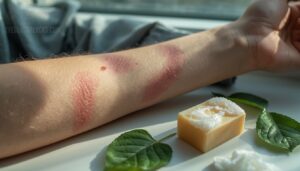
Red, itchy skin doesn’t just happen out of nowhere. Your skin is reacting to something, and finding that trigger is the first step to real relief. Here are the most common culprits behind the irritation.
Ingrown hairs are a surprisingly common trigger for this kind of irritation, and knowing how to safely extract an ingrown hair can prevent the redness from getting worse.
New Skincare or Hair Products
That new serum promising glass skin? It might be why your face feels like sandpaper.
Patch test any new product on your inner arm for 48 hours first. Introducing new actives one at a time helps you catch reactions early.
Once you’ve confirmed no reaction, consider swapping to a pH-balanced natural facial cleanser to keep your skin barrier intact while you build your new routine.
Watch for fragrance, dyes, or alcohol hiding in ingredient lists, and keep fragrance-free alternatives on hand for sensitive skin.
Harsh Soaps and Hot Water
Steamy showers feel great, but they strip your skin’s natural oils fast. Hot water damages your barrier, and alkaline soaps make it worse by disrupting lipid balance.
Switch to lukewarm water and a nonfoaming, gentle cleanser.
Watch for:
- Tightness after washing
- Redness that lingers
- Flaking patches
- Increased itching
- Stinging with product use
Shaving and Friction Damage
That razor gliding over dry skin causes more damage than most people realize. Dry shaving strips lubrication, raising friction and burn risk. Dull blades snag hair, forcing extra passes that stress skin further.
Always shave with the grain, stretch skin taut, and use short strokes. Multiple passes over one spot multiply irritation—one careful stroke beats three rushed ones.
Pairing good technique with regular grooming pays off beyond the razor—shaving underarm hair reduces body odor significantly by removing the surface where bacteria convert sweat into smell.
Weather, Heat, and Sun
Sun and heat don’t just tan skin, they inflame it. Clear, high-pressure days mean stronger UV exposure and lower humidity, drying skin fast. Heatwaves trap this stress for days.
Prevent heat rash with loose, breathable UV-protective clothing. For sunburn relief, try a cold compress or aloe vera gel—both bring instant cooling and anti-inflammatory benefits. Run a humidifier indoors to rehydrate skin overnight.
Eczema, Allergies, or Infection
Not all itchy skin comes from an outside irritant—sometimes it’s your immune system misfiring. Eczema flares when the skin barrier breaks down, letting allergens trigger inflammation. Watch for:
- Dry, scaly patches
- Weeping or crusted sores
- Pus (infection sign)
- Swelling with warmth
- Itching that won’t quit
See a doctor if you spot infection signs—topical corticosteroids and antihistamines need proper diagnosis first.
Build a Skin Barrier Repair Routine
Think of your skin barrier like a brick wall, and right now some of the mortar is missing. Rebuilding it takes a few consistent habits, not expensive products. Here’s what to change first.
Ceramides, cholesterol, and fatty acids replace that missing mortar, and this guide to the best ingredients for skin barrier repair shows which ones to look for.
Your skin barrier is like a brick wall with missing mortar, and rebuilding it just takes consistent habits, not expensive products
Cleanse With Lukewarm Water

Before anything else, check your water temperature. Wash with lukewarm water (98–100°F), not hot or cold.
| Water Temp | Effect on Skin Barrier |
|---|---|
| 98–100°F | Preserves barrier, less stinging |
| 110°F+ | Strips oils, raises irritation |
Use a gentle, fragrance-free, non-foaming cleanser twice daily. This removes irritants without stripping your skin barrier.
Choose Ceramide-Rich Moisturizers
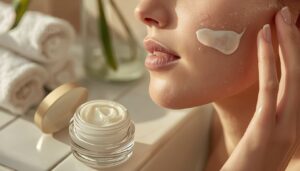
Once your skin is clean, feed it right back up. Pick a moisturizer with ceramides, cholesterol, and fatty acids in roughly equal ratio, this trio rebuilds your lipid barrier fast.
Look for 2-5% ceramide blends, or ceramide NP and AP together. Applied within three minutes of cleansing, twice daily, they cut water loss up to 25% in one week.
Seal Dryness With Petrolatum
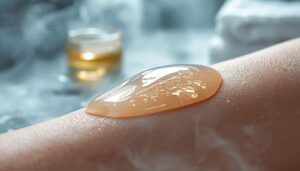
Ceramides rebuild your barrier lipids, but petrolatum locks the moisture in. It’s a true occlusive barrier, cutting transepidermal water loss by about 98%, far more than plain oils.
Try the soak and smear method: soak skin 20 minutes, then apply petroleum jelly immediately. Safe for sensitive areas, eyelids, lips, chafed skin, it seals without irritating.
Pause Retinoids and Exfoliants

Retinoids rebuild collagen, but they can’t do that while your barrier’s raw. Pause retinoids for 3 to 5 days after redness appears, and skip AHAs, BHAs, and scrubs for 48 to 72 hours too.
Resume gradually: 0.025% strength, every other night for two weeks. Support your skin with niacinamide serum and a gentle cleanser meanwhile. Photograph the area daily to track healing.
Avoid Fragrance and Essential Oils

Read ingredient labels before anything touches raw skin. Choose fragrance-free products, not just unscented ones—those can still mask odors with hidden chemicals. Check for botanical names too; lemongrass, cinnamon, and clove often lurk under Latin terms.
Avoid essential oils entirely during barrier repair. They’re concentrated, sometimes phototoxic, and can worsen skin sensitivity. Use unscented alternatives instead, and give irritated skin one less thing to fight.
Choose Safe Itch-Relief Treatments

Once your skin barrier is on the mend, you still need to handle that itch. Not every remedy on the shelf is worth grabbing, and some can actually make things worse. Here’s what actually works, and how to use it safely.
Colloidal Oatmeal Baths
That milky bathwater isn’t just relaxing, it’s medicine. Mix colloidal oatmeal at 1 to 3 ounces per gallon, using water around 98-100°F, and soak 10-15 minutes.
Avenanthramides calm inflammation within 5 minutes and block histamine release, easing itch fast.
- Reduces inflammation quickly
- Blocks histamine-driven itching
- Restores barrier function
- Lowers surface oil buildup
- Soothes for hours after
Skip it if you’re oat-allergic.
Calamine Lotion for Itching
Calamine works because of two active ingredients: zinc oxide (0.5%) forms a cooling barrier, while pheniramine maleate blocks histamine for up to 4 hours, breaking the itch–scratch cycle.
Apply a thin layer, let it dry 5 minutes, reapply every 2-4 hours (max 4 daily). Skip broken skin. Store tightly closed at room temperature; discard after 6 months once opened.
Hydrocortisone Use and Precautions
Think of 1% hydrocortisone cream as your short-term fire extinguisher, not a daily lotion. Apply a thin layer with clean fingers to dry, unbroken skin. Cap use at 7 days. Skip it on:
- Fungal rashes like ringworm
- Cold sores or viral lesions
- Acne-prone skin
- Eyes or mucous membranes
Watch for thinning skin or spreading redness, and always seal the tube tightly after use.
Oral Antihistamine Safety
Itching relentlessly at night? Break the itch-scratch cycle with an oral antihistamine. Adults take 10 mg cetirizine or loratadine daily; children 6-11 get 5 mg.
Avoid alcohol and sedatives, both intensify drowsiness. Watch for dry mouth or constipation.
Severe drowsiness, rash, or breathing trouble means stop and consult a doctor immediately.
Avoid Risky DIY Remedies
Skip the kitchen cabinet cures. Toothpaste, vinegar, and baking soda can cause chemical burns and worsen redness. Scrubbing skin raw invites infection; ice cubes left too long damage tissue instead of cooling it.
These DIY risks delay real relief. Skip synthetic fragrances, drying alcohols, and exfoliating acids entirely. Stick with barrier-friendly products — your skin heals faster without the guesswork.
When Irritated Skin Needs Medical Care

Most irritated skin calms down with home care and a little patience. But some signs mean your body needs more help than a cool compress can give. Here’s what tells you it’s time to call a doctor.
Signs of Severe Allergic Reaction
Watch for warning signs that go beyond simple skin reactivity. Swollen lips, tongue, or throat, hoarseness, or trouble swallowing signal airway swelling. Add wheezing, dizziness, fainting, or a racing pulse (low blood pressure effects), plus nausea or stomach cramps, and you’re looking at anaphylaxis.
Symptoms hit fast, often within minutes. This multisystem reaction pattern demands emergency care immediately, not a dermatologist visit.
Blisters, Infection, or Severe Pain
Blisters change the picture fast. Clear fluid in a blister over 1 cm often points to deeper tissue damage.
Pus, red streaks, or fever above 100.4°F signal infection. Pain above 7 out of 10, or pain that worsens after improving, needs evaluation.
Don’t pop blisters unsterile—infection risk jumps 30%. See a doctor for prescription-strength treatments.
Eye, Face, or Genital Irritation
Not all irritation heals the same way—location matters. Eyes, face, and genital skin are thin and sensitive, so treat them with extra care.
For eyes, follow a saline rinse for 10–15 minutes. Facial irritation needs fragrance-free barrier repair. Genital irritation calls for gentle genital hygiene and breathable cotton.
Blurred vision, spreading facial redness, or foul discharge are urgent care signs—don’t wait to call your doctor.
Symptoms Lasting Over One Week
A week is your marker. Red, itchy skin that won’t quit past seven days signals persistent inflammation, not simple irritation.
Track changes daily:
- Is redness spreading or shrinking?
- Does itching disrupt sleep?
- Any new blisters or discharge?
- Did you reassess recent exposures—soaps, detergents, fabrics?
Symptoms affecting daily life warrant dermatologist consultation. Barrier repair takes time, but stalled healing needs professional eyes.
Recurring Eczema or Contact Dermatitis
When itchy patches keep coming back, your skin is telling you something. Recurring eczema or contactdermatitis often means unresolved flare-up triggers or a broken barrierfunction.
| Sign | Action | Why |
|---|---|---|
| Repeat flares | Patch testing | Finds hidden allergens |
| Constant scratching | Break itchscratchcycle | Prevents damage |
| Thick, dry skin | Consistent moisturizing | Rebuilds barrier repair |
Ask your dermatologist about topicalcorticosteroids and allergen avoidance strategies for lasting eczematreatment.
Frequently Asked Questions (FAQs)
What is the best remedy for irritated skin?
Think firefighter cooling embers: press a cool compress first, then layer on fragrance-free moisturizer with ceramides or aloe vera gel. This duo calms redness fast and starts real skin barrier repair.
What causes skin irritability?
Five culprits drive skin irritation: chemical irritants like sulfates, environmental triggers such as heat or dry air, mechanical damage from friction, existing conditions like eczema, and allergic contact dermatitis from nickel or fragrance—each disrupting your skin barrier differently.
What not to put on irritated skin?
Like Icarus flying too close to the sun, some products only worsen the burn. Skip fragrance, alcohol, and essential oils; avoid harsh exfoliants, high-potency actives, and nickel jewelry. Choose fragrance-free, gentle formulas instead.
How long does it take for inflamed skin to calm down?
Most mild irritation eases within 20 to 30 minutes of cooling, with full reduction timelines spanning 3 to 5 days once the trigger’s gone. Eczema flares often calm 40% by 48 hours; barrier repair continues for up to a week.
Can natural skin care help irritated skin?
Nature’s own pharmacy sits in your kitchen. Colloidal oatmeal, aloe vera, green tea, and chamomile all carry real anti-inflammatory properties, calming redness and itching gently, backed by science, not just old wives’ tales.
What should I do if my skin is irritated?
Stop the suspected product, then cool the area with a cold milk compress or damp cloth. Apply a fragrance-free moisturizer with anti-inflammatory properties, raise affected areas if swollen, and patch test any new soothing remedies before wider use.
How to prevent skin irritation?
Think of your skin as a fortress wall, not a punching bag. Patch test new products, keep a gentle cleansing routine, avoid hot showers, run a humidifier indoors, and choose fragrance-free moisturizing agents to protect barrier function daily.
How can I get rid of irritated skin faster?
Quick cooling speeds things up fast: apply a damp washcloth, follow with an oatmeal mask or aloe gel, then moisturize promptly with fragrance-free cream to seal in hydration and repair your skin barrier.
Why is my skin irritated?
Your skin might be reacting to more than one thing at once. Common culprits include contact dermatitis triggers, environmental irritants, allergic reactions, and skin barrier disruption from harsh soaps, fragrance, or ingredient sensitivity in daily products.
Are these 6 skincare tips good for calming flare-ups?
Yes. These steps target inflammation and moisture loss directly, backed by real trial data. Combine cooling, barrier repair, and sun protection with good hydration and sleep, and you’ll cut flare-up frequency while calming skin faster and more safely.
Conclusion
Think of your skin like a fence guarding a garden. Every scrub, scent, or skipped step chips at the boards, letting weeds of redness sneak in. Knowing how to calm irritated skin means patching that fence first, then feeding what grows behind it.
Stick to fragrance-free basics, cool compresses, and gentle moisture. Give your barrier time to mend. Most flare-ups fade within a week. If yours doesn’t, call your dermatologist. Your skin isn’t fragile. It’s just asking for less.