This site is supported by our readers. We may earn a commission, at no cost to you, if you purchase through links. This content is for general informational and educational purposes only and is not a substitute for professional medical, dermatological, or nutritional advice.
You notice it first in the shower drain, or maybe in your hairbrush: more strands than usual, day after day. By the time most patients sit in my chair, they’ve already tried three shampoos and a supplement their sister swears by. That’s the problem with hair thinning: it rarely has one cause, so it rarely has one fix.
The good news is that most cases respond well to the right combination of diagnosis, care, and treatment, once you know what’s actually driving the shedding. Your scalp is sending you signals. Learning how to stop hair thinning starts with knowing how to read them.
Table Of Contents
- Key Takeaways
- How to Stop Hair Thinning: First Steps
- What Causes Hair Thinning?
- Diet and Habits for Healthier Hair
- Evidence-Based Hair Thinning Treatments
- When to See a Dermatologist
- Frequently Asked Questions (FAQs)
- Can hair grow back from thinning?
- Can you fix thinning hair naturally?
- What are the big 3 for thinning hair?
- What vitamin are you lacking if your hair is thinning?
- How long does hair thinning recovery take?
- Can hair thinning be completely reversed naturally?
- When should I see a doctor about thinning?
- Is hair thinning different in men versus women?
- What age does hair thinning typically start?
- How long does it take to notice regrowth results?
- Conclusion
Key Takeaways
- Hair thinning usually has multiple causes at once, so figuring out what’s actually driving yours (genetics, hormones, nutrient deficiencies, stress, or a medical condition) is the essential first step before choosing any treatment.
- Five treatments have solid research behind them—minoxidil, finasteride, spironolactone, low-level laser therapy, and PRP therapy—and combining approaches like spironolactone with minoxidil tends to work better than any single option alone.
- Correcting nutrient gaps (iron, vitamin D, zinc, protein) should be guided by actual blood test results rather than guesswork or trendy supplements like biotin.
- See a dermatologist promptly for sudden or patchy bald spots, scalp pain or scaling, thinning that starts after a medication change, or shedding that persists past 6-12 months of treatment, since these signs may point to a condition needing targeted care.
How to Stop Hair Thinning: First Steps

Thinning hair rarely has one simple fix, and that’s exactly why your first steps matter so much. Before reaching for any product or prescription, you need a clear, practical starting point. Here are the five moves worth making right now.
If you’re just starting out, pairing these habits with a solid pick from this beginner-friendly guide to hair growth shampoos can round out your routine nicely.
Identify The Underlying Cause
Before treating thinning hair, you need to know what’s driving it. A dermatologist visit usually includes a family history review, medical history check, and scalp examination, sometimes paired with blood test analysis or biopsy interpretation. These steps reveal whether you’re facing hormonal imbalance, nutrient deficiency like iron deficiency anemia, chronic stress, or another primary medical condition requiring targeted care.
Doctors may also order thyroid function blood tests, since both an overactive and underactive thyroid can cause diffuse hair thinning.
Start Gentle Hair Care
While you wait on test results, your hair care routine deserves a second look. Overtreating your hair with harsh hair products or tight hairstyles worsens breakage.
Try this:
- Use sulfate-free shampoo
- Add gentle scalp massage
- Detangle wet hair carefully
- Choose low-heat styling and protective hairstyles
Small daily shifts protect what’s already growing.
Correct Confirmed Nutrient Deficiencies
Blood tests, not guesswork, should guide supplementation. If labs confirm iron deficiency, iron supplement guidance from your doctor helps restore ferritin safely. Low vitamin D calls for correction with monitored dosing. Zinc dosage advice matters too, since too much can backfire. Ask about folate level testing as well. Build a nutrient repletion plan around your actual numbers, not biotin trends.
Reduce Stress and Stop Smoking
Cortisol from chronic stress pushes follicles into shedding mode. Calming that response helps:
- Deep breathing or heart coherence, 5 minutes, 3x daily
- 20 minutes of yoga practice most days
- Mindfulness meditation, even 8 weeks helps measurably
- Work toward quitting smoking to restore scalp blood flow
Reducing stress and choosing to quit smoking both ease stress-related hair loss over time.
Choose Evidence-based Treatments
Five options actually have solid data behind them. Topical minoxidil boosts density at 12 weeks; finasteride cuts scalp DHT roughly 70%; spironolactone (25-50mg) improves the Sinclair scale noticeably.
For a deeper dive into PRP therapy and laser treatments as gentler add-ons, check out this guide to proven ways to improve hair density.
Low-level laser therapy matches minoxidil’s results in trials. Combination therapy, like spironolactone plus minoxidil, nearly doubles density gains versus either alone. Talk with your dermatologist about which fits your cause and lifestyle.
What Causes Hair Thinning?

Hair thinning rarely comes from just one source. Your genes, your hormones, your health history, and even your daily habits can all play a role. Here’s a closer look at the most common culprits behind it.
Hereditary Pattern Hair Loss
If hair loss runs in your family, blame your genes, not your shampoo. Androgenetic alopecia stems from inherited androgen sensitivity, causing gradual follicle miniaturization: thick terminal hairs shrink into fine, short ones. In men, this shows up at the crown and temples.
Hereditary hair loss isn’t your shampoo’s fault, it’s inherited androgen sensitivity slowly shrinking thick hairs into fine ones
Finasteride works as a DHT blocker, while minoxidil boosts follicular blood flow, together helping many men manage male pattern thinning.
Hormonal Changes and Life Stages
Every major hormonal shift can reshape your hair. Puberty raises androgens, sometimes triggering diffuse shedding. Postpartum shedding follows pregnancy’s estrogen high, usually resolving within months. Birth control hair changes depend on progestin type. Menopause hair loss reflects falling estrogen alongside steady androgens. PCOS hormones raise androgen exposure similarly. In each case, your body’s hormonal balance, not just DHT, drives the change.
Medical Conditions and Scalp Disorders
Not all thinning starts with genetics. Alopecia areata, an autoimmune attack on follicles, causes round patches and often runs in families. Tinea capitis, a fungal infection, mainly affects kids.
Scarring alopecia, including discoid lupus and cicatricial alopecia, destroys follicles permanently. Watch for scalp pain, scaling, or patchy loss. These aren’t ordinary telogen effluvium or androgenetic alopecia, they need prompt evaluation.
Medications and Rapid Weight Loss
GLP-1 drugs like semaglutide carry a real risk: studies show users face a 50% higher chance of hair loss than those on other weight-loss medications, with women affected twice as often as men.
Appetite suppression and nausea cut protein and nutrient intake, triggering telogen effluvium roughly 3 to 6 months in. The good news? Regrowth usually begins within 6 to 12 months once nutrition stabilizes.
Chemical Treatments and Tight Hairstyles
Straightening your curls or pulling hair into tight ponytails feels harmless, but it isn’t always. Alkaline relaxers alter keratin’s structure permanently, and repeated traction alopecia can thin edges for good.
Watch for scalp irritation, a warning sign. If damage continues, ask your dermatologist about minoxidil, finasteride, spironolactone, or a prescription-strength shampoo to protect regrowth.
Diet and Habits for Healthier Hair

What you eat and how you treat your hair day to day can make a real difference in how much you shed. Your follicles need steady fuel and the right nutrients to keep producing strong strands. Here’s where to focus your energy first.
Eat Enough Protein and Calories
Building new hair takes raw material: amino acids from protein, plus enough calories to actually use them for growth instead of burning them for fuel. Skimping on either sends a signal to shut down "nonessential" work, and hair follicles are often first to go.
Aim for protein at every meal, spaced through the day rather than loaded into one sitting.
Prioritize Iron-rich Foods
Protein needs a partner: oxygen. Iron helps build hemoglobin, the protein that carries oxygen to hungry follicles, and low levels are a well-documented cause of thinning hair.
Reach for heme iron sources like red meat and poultry, or nonheme iron from lentils and spinach, paired with vitamin C for better absorption. Fortified cereal options help too. Iron, folic acid, and zinc genuinely help hair grow thick and strong.
Maintain Vitamin D and Zinc
Two nutrients round out the list: vitamin D and zinc. Vitamin D deficiency slows new follicle formation; serum levels above 30 ng/mL support hair growth. Get it from fatty fish or fortified milk.
Zinc rich foods like oysters and beef aid scalp health too. Pair with vitamin C for better absorption, and ask your doctor about testing levels before supplementing.
Avoid Heat and Harsh Products
Nutrients only go so far if your styling routine works against you. Low temperature styling matters: fine hair does best at 250°F-300°F. Apply heat protectant to damp hair before blow-drying, dry hair before flat irons.
Choose sulfate free shampoos, skip tight hairstyles that cause breakage, and respect weekly heat styling limits for real scalp health gains.
Manage Stress and Sleep
Since cortisol spikes can trigger stress-related shedding, keeping stress in check matters as much as diet. Aim for sleep schedule consistency, going to bed and waking at the same time daily, with 7+ hours nightly.
Build an evening wind down: dim lights, limit screens, try mindfulness or breathing meditation. Skip late naps.
Small, steady habits calm both mind and follicles.
Evidence-Based Hair Thinning Treatments
Once you’ve nailed down the basics, it’s time to look at what actually works in a clinic or a lab. Several treatments have real research behind them, with results that vary from person to person. Here’s a look at the options worth discussing with your doctor.
Topical Minoxidil
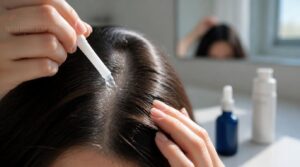
Topical minoxidil is the most accessible over-the-counter treatment for hair thinning, available as 2% solution or 5% foam. Applied to a dry scalp once or twice daily, it converts into its active form via scalp enzymes, boosting follicular blood flow.
Results take months and require:
- Consistent application
- Realistic timeline expectations
- Ongoing use, since stopping restarts shedding
Side effects vary, so tolerance differs person to person.
Finasteride for Eligible Men

For men with pattern baldness, finasteride works differently than minoxidil. As a DHT inhibitor, it blocks testosterone’s conversion to DHT, the hormone driving follicle shrinkage. Standard finasteride dosage is 1mg daily, prescription-only.
| Consideration | Detail |
|---|---|
| Eligibility | Men only |
| Long-term use | Required to maintain effect |
| Side effects | Sexual dysfunction, mood changes |
Discuss risks with your prescriber before starting.
Spironolactone for Hormonal Thinning

Women with hormonal thinning often benefit from a different approach than DHT inhibitors: spironolactone. This prescription medication blocks androgen receptors, easing follicle miniaturization. Standard dosing runs 100-200mg daily.
Clinical trials show 44% achieve regrowth, another 44% see stabilization. Side effects (breast tenderness, fatigue) affect under 5%. Best suited for premenopausal women, especially those with PCOS-related hair loss.
Low-level Laser Therapy

Red light devices, sometimes called laser combs, use photobiomodulation to stimulate hair follicles and extend the growth cycle.
- Wavelength: 600-900nm, with 760-850nm penetrating deepest
- Power density: roughly 5 W/cm² in effective protocols
- Coverage: probe contact across the full thinning area
Results take months. Safety depends on proper device components and dosing, so confirm contraindications with your dermatologist first.
PRP and Hair Transplant Options

Your own blood can regrow hair. PRP therapy spins a blood sample to concentrate growth factors, then injects them into thinning areas. Studies show 30-40% density gains within 3-6 months.
Combined with hair transplant surgery, PRP boosts graft survival and regrowth rates by up to 30%. Sessions cost $227-$284 each; maintenance runs $500-$1,500 yearly.
Ask your dermatologist if you’re a candidate.
When to See a Dermatologist

At-home care controls most everyday thinning, but some signs call for a professional eye. Certain patterns point to something more than genetics or diet, and catching them early makes treatment more effective. Here’s when it’s time to book that dermatologist appointment.
Sudden or Patchy Hair Loss
When hair vanishes in coin-sized patches almost overnight, don’t wait it out. This pattern often signals alopecia areata, an autoimmune disorder attacking follicles, sometimes with telltale "exclamation mark hairs" at the edges.
Diffuse shedding weeks after illness may be telogen effluvium instead. Either way, sudden or patchy bald spots need a dermatologist’s exam, not guesswork, since accurate diagnosis determines whether treatment works.
Scalp Pain, Redness, or Scaling
Not all thinning stays quiet. Redness, burning, or thick scaling often points to seborrheic dermatitis or scalp irritation, an inflammatory response worth checking early.
A dermatologist can prescribe a prescription-strength shampoo or short-term corticosteroid for relief, but first confirm triggers with an allergy test since new products may be the culprit behind that itchy, painful scalp.
Thinning After Medication Changes
Starting a new prescription and noticing shedding weeks later isn’t a coincidence to ignore. Drug-induced thinning shows up with anticoagulants, hormonal contraceptives, and other common medications.
Track your medication withdrawal timeline. If shedding starts within three months of a change, tell your dermatologist. They may adjust dosage or suggest a topical treatment rather than stopping treatment outright.
Keeping a simple log of wash-day shedding makes it easier to spot patterns, and this guide on whether Pantene causes hair loss can help you rule out product-related triggers.
Suspected Thyroid or Autoimmune Symptoms
A wider part line paired with eyebrow loss check findings often points beyond diet or styling. Your dermatologist may order thyroid hormone levels (TSH, T4) alongside an autoimmune antibody test to rule out Hashimoto’s or alopecia areata.
Diffuse scalp thinning with patchy spots suggests overlapping conditions, sometimes treated with corticosteroids or JAK inhibitors once labs confirm immune involvement.
Persistent or Worsening Hair Thinning
Why does thinning keep progressing despite your efforts? Persistent shedding usually means the root trigger is still active, not that treatment failed. Tracking hair density with monthly photos helps with identifying triggers early.
- Evaluate treatment response at 6-12 months before switching
- Rule out nutritional deficiency
- Reassess scalp health for new symptoms
Managing chronic shedding often means adjusting Minoxidil, Finasteride, or low-level laser therapy under your dermatologist’s guidance.
Frequently Asked Questions (FAQs)
Can hair grow back from thinning?
Yes, and no, depends on the cause. Regrowth potential is real when follicles stay alive: minoxidil, low-level laser therapy, or combined therapies can restart hair growth within months, especially caught early.
Can you fix thinning hair naturally?
In many cases, yes. Daily scalp massage, rosemary or diluted essential oils, biotin, and a balanced diet rich in iron, zinc, and protein can support regrowth, though results vary and won’t reverse hereditary or hormonal causes alone.
What are the big 3 for thinning hair?
Think of it as a three-legged stool: remove one leg, and results wobble. The trio is Minoxidil, Finasteride, and Ketoconazole shampoo, targeting circulation, DHT, and scalp health for stronger synergistic benefits than any single treatment alone.
Pairing the trio with a few simple hair care maintenance habits helps protect your scalp and keeps your results steady over time.
What vitamin are you lacking if your hair is thinning?
Low vitamin D, iron, B12, biotin, zinc, or folic acid can all trigger thinning. A simple blood test checks your levels, and correcting the specific deficiency, rather than guessing, usually brings the best results.
How long does hair thinning recovery take?
Recovery timeline depends on the cause, but most people notice new hair growth within three to six months once the hair growth cycle shifts from telogen back to anagen phase, following proper nutrient correction and consistent treatment response.
Can hair thinning be completely reversed naturally?
Full reversal isn’t realistic for everyone. Deficiency-driven or stress-related thinning often responds well to a balanced diet, scalp massage, and reduced stress, but genetic thinning usually needs minoxidil or finasteride for real results.
When should I see a doctor about thinning?
See a board-certified dermatologist for rapid shedding onset, widening part concerns, or patchy loss.
Also check for scalp tenderness, eyebrow thinning signs, or family hair loss history, since these suggest a hidden medical condition needing blood work.
Is hair thinning different in men versus women?
Yes, distinctly. Men face DHT-driven temple recession and crown balding; women get diffuse thinning with a widening part. Hormones, progression speed, and treatment response, like finasteride versus minoxidil, differ sharply between the sexes too.
What age does hair thinning typically start?
Genetics set the timeline. Around 25% of men notice thinning by 30, and some see hair follicle miniaturization start in their late teens if family history runs strong. Women’s onset often lags, tied more to hormonal shifts.
How long does it take to notice regrowth results?
Patience beats a rotary phone waiting for dial tone: expect vellus hair emergence around month two, genuine density by months four to six, with peak density near twelve months if you apply treatment daily for at least six to nine months.
Conclusion
What if your strands aren’t disappearing, but simply reacting to signals you haven’t decoded yet? That’s the real answer behind how to stop hair thinning: patience paired with precision.
Identify the cause, treat it consistently, and give your scalp months, not days, to respond. Regrowth often happens quietly, strand by strand, until one morning your brush feels lighter.
Your hair’s story isn’t finished. You just needed the right chapter.