This site is supported by our readers. We may earn a commission, at no cost to you, if you purchase through links. This content is for general informational and educational purposes only and is not a substitute for professional medical, dermatological, or nutritional advice.

Guy sits in my chair last month, fresh bleach job, then asks for a skin fade. Half his color ended up on the floor before he even left the shop. That’s money and time gone in one clipper pass.
Here’s the thing most men never learn: whether you dye your hair before or after a haircut changes everything. The order affects how the color lands, how much product gets wasted, and whether your fresh look turns out sharp or patchy.
The right sequence depends on what you’re doing. Going shorter? Covering gray? Chasing a balayage? Each one has its own answer, and I’ll walk you through all of them.
Table Of Contents
Key Takeaways
- Most men get the best results cutting first and dyeing second, since the colorist works with the final shape and gray coverage lands crisply instead of patchy.
- The sequence flips depending on your goal: major chops, fades, and balayage call for cutting first, while gray coverage and root touch-ups work better when you dye first, then trim.
- Timing matters too—wait 24–48 hours after a cut for standard dye, a week or more for bleach or highlights, and let color set 48–72 hours before judging the shade.
- Dyeing before a cut wastes product and money, as the trim can cut away freshly colored ends, so match the sequence to your goal and ask your barber when unsure.
Should a Man Dye His Hair Before or After a Haircut?

The honest answer? It depends on what you’re doing with your color and how much length you’re taking off. But most guys get the best results when they dye your hair after a haircut, especially for short styles and fades.
If you’re stripping out old color first, keep in mind that how much Color Oops damages your hair depends on your hair’s condition and the dye you used.
Here’s why. When you cut first, your barber or colorist works with the exact shape you’ll actually wear. The color lands where it should, right at the hairline and around the part, so gray coverage looks crisp instead of patchy.
If you dye your hair before a haircut, the trim can cut away freshly colored ends and expose edges that weren’t processed. You also risk the rinse and shampoo steps disrupting a cut that’s still settling.
That said, there are times to dye before you cut, and I’ll walk you through those too.
How to Choose The Right Haircut and Dye Sequence
There’s no single right order for every guy, and honestly, that’s the good news. Your sequence depends on what you’re actually doing in the chair, whether that’s a big chop, covering grays, or going lighter. Here are the four most common situations I see, so you can pick your plan and walk in with confidence.
Major Length or Style Changes

Before you chop off six inches, hear this: cut first. When you’re making a major change, like going from shoulder-length to a tight crop, the haircut might disrupt where your color visually sits, so you want the final shape locked in before any dye touches your head. That way, your colorist works with what’s actually staying, not what’s hitting the floor.
Once your shape is set, a solid plan for phasing out the old color makes all the difference — this guide to returning to your natural hair color walks you through everything from big chops to gentle grow-outs.
If you bleach your hair after the cut, the exposed surface area is smaller and tone lands more evenly. A client of mine went platinum after buzzing down; the process took less product, less time, and the result looked intentional. Big length removal plus aggressive lightening is the riskiest combo out there, so sequence it right and own the outcome.
Gray Coverage and Root Touch-Ups

Gray coverage flips the script: dye first, then trim. If clippers remove dyed hair near the scalp, your look reads uneven even when the color’s perfect. Dyeing after a cut also cuts down micro-mismatch on shorter pieces.
Either way, build your hair dye maintenance routine around cuts, so touch up your roots before detailing cleans up your hairline and neckline.
Highlights, Bleach, or Balayage
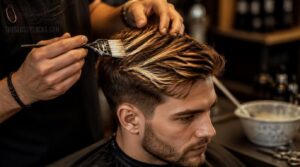
Cut first, always. Freehand techniques like balayage need your final shape, so an experienced stylist can place highlights or lowlights where they’ll actually show.
Precision here matters more than gray touch-ups, and your hair dye application technique depends on clean, styled sections.
Once your color is in place, resist the urge to rinse right away—this guide on how long to wait to wash hair after dyeing explains why 48 to 72 hours keeps your shade locked in.
You’ll get better hair color and style balance, plus stronger, less damaged ends.
Short Cuts and Fades
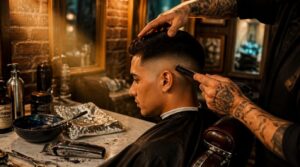
Fades flip the usual order. Cut first, then dye. A fade’s density changes by zone, so your color needs to hit the final shape, not a silhouette you’re about to shave off. If you dye beforehand and we tighten the taper later, colored stubble sits too close to the skin and reads as a hard edge. Trust your barber on haircut and color coordination here.
Once the fade is cut, a quality men’s fade hair color product will grab cleanly on those dense top zones without bleeding into the fresh taper.
How to Get a Haircut Before Dyeing
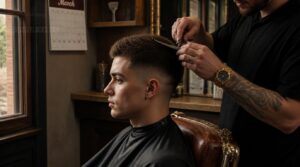
Why would you lock in a cut first? Because it gives your colorist a clean, defined canvas to work with. When you’re going for a major transformation, cutting first is almost always the smarter play.
Here’s how to do it right:
- Ask your barber for a product-free finish so no residue interferes with the dye.
- Skip the blow-dry heat if you can, since styling heat speeds up visible color shifts later.
- Photograph your cut in the lighting you actually live in.
- Map out where you want contrast and coverage before the color appointment.
- Book the dye session two or three days after the cut.
That small gap lets your hair calm down, so strands separate naturally and the color settles evenly. I had a client who rushed both in one day, and his fresh fade made every uneven patch of color scream. Patience wins here. You’re building hair color and style balance, not racing the clock.
Give your fresh cut a day or two to settle before dyeing—rushing both in one day makes every uneven patch of color scream
How to Dye Hair Before Getting a Haircut

If you’re going the color-first route, dyeing hair before a haircut gives your colorist the full canvas to work with, and that’s a real advantage. Start with clean, dry hair, since product buildup can block dye absorption. Then let your stylist map out the color on your longer lengths before any scissors come near you.
Here’s a quick game plan:
- Wash 24 hours ahead so natural oils protect your scalp
- Section your hair cleanly for even coverage
- Apply root to tip, working systematically
- Rinse and condition before the cut begins
Once the color’s set, your barber can trim and shape around it, cutting to show off the tones you just paid for. That’s real hair dye and haircut teamwork, and honestly, it’s tough to beat.
How Long Should Men Wait Between Haircuts and Hair Dye?

So how long should you wait after cutting your hair to dye it? Honestly, less than you’d think. A fresh cut exposes new keratin at the ends, which can actually help color grip. Waiting 24 to 48 hours is plenty for a standard dye job.
That said, some guys wait at least two weeks after a haircut if they’re doing bleach or balayage. It gives your scalp a break and lets your cut settle.
Here’s a quick haircut timing strategy:
- Standard dye: 1–2 days after the cut
- Bleach or highlights: wait a week or more
- Gray touch-ups: dye right after trimming
- Fades: color the same day, before edges fade
Remember, color needs 48–72 hours to fully set, so don’t judge the shade immediately. And since hair dye fading starts around week four, book your next cut with that window in mind to protect hair color longevity.
Frequently Asked Questions (FAQs)
Can men dye their hair and get a haircut the same day?
Yes, you can dye it immediately after a haircut. The real trick is sequencing. Cut first, color second works best for most guys. Bleaching? Flip it: bleach hair before or after haircut matters less than timing.
How often should men touch up dyed hair?
Touch up permanent dye every 4–6 weeks, when regrowth shows. Semi-permanent fades faster, so refresh every 2–4 weeks. Bleached hair? Expect quicker fading, so plan tighter touchups.
Does dyeing hair damage mens hair over time?
Think of your hair like a leather jacket: tough, but it wears down if you keep treating it rough. Yes, dyeing damages men’s hair over time. During the coloring process, ammonia lifts the hair’s cuticle and peroxide strips away essential nutrients, causing prolonged cuticle damage. Each chemical treatment recovery cycle weakens hair strand integrity, so prioritize hair damage prevention.
What hair dye colors look natural on men?
What hair dye colors look natural on men? Stick with ash or cool dark brown if you’ve got darker hair, or soft dark blonde for lighter skin. Skip platinum and red-based browns; they scream dye job.
Should men wash their hair before dyeing it?
Clean hair grabs color; dirty hair protects the scalp. That’s the trade-off. Wash 24 to 48 hours before, skipping heavy conditioner, so your dyeing hair before a haircut goes on evenly without irritation.
Conclusion
Remember Marcus, my bleach-and-fade guy? His story ends better now. He books his cut first, colors second, and keeps every bit of that expensive work on his head. That’s the whole game.
So should a man dye his hair before or after a haircut? Match the sequence to your goal, protect your investment, and ask your barber when unsure. Get the order right, and the color works for you.